

In this article, we will take a look at the Best Web3 Games With Sustainable Tokenomics. Projects that combine fun gameplay with healthy tokenomics, real utility, player spending, governance, staking, and fee mechanisms. I will contrast their economic models, blockchain infrastructure, native tokens, reward systems, and long-term sustainability to help identify Web3 games with stronger and more balanced in-game economies.
- Key Points
- 1. Alien Worlds
- Alien Worlds Attributes
- 2. Zed Run
- Zed Run Attributes
- 3. Gala Games Ecosystem
- Gala Games Ecosystem Attributes
- 4. Champions Tactics
- Champions Tactics Attributes
- 5. MapleStory Universe
- MapleStory Universe Attributes
- 6. World of Dypians
- World of Dypians Attributes
- 7. Decentraland
- Decentraland Attributes
- 8. Aavegotchi
- Aavegotchi (GHST) Attributes
- 9. Star Atlas
- Atlas Star Attributes
- 10. Illuvium
- Illuvium Attributes
- Conclusion
- FAQ
Key Points
| Game | Key Point 1 | Key Point 2 |
|---|---|---|
| Alien Worlds | TLM-based economy | Multi-chain gameplay |
| ZED RUN | Blockchain horse racing | Digital horse NFTs |
| Gala Games Ecosystem | Multi-game ecosystem | GALA utility token |
| Champions Tactics | Tactical combat | Champion collectibles |
| MapleStory Universe | NXPC economy | Digital item ownership |
| World of Dypians | Metaverse gameplay | WOD utility token |
| Decentraland | Virtual world | MANA token |
| Aavegotchi | NFT characters | GHST token |
| Star Atlas | Space metaverse | ATLAS and POLIS |
| Illuvium | Connected game universe | ILV token |
1. Alien Worlds
Launched in 2020, Alien Worlds uses its native utility token, Trilium (TLM) across WAX, BNB Chain and Ethereum. TLM has a max supply of 5 billion tokens and can be mined, used for missions, land activity and governance.
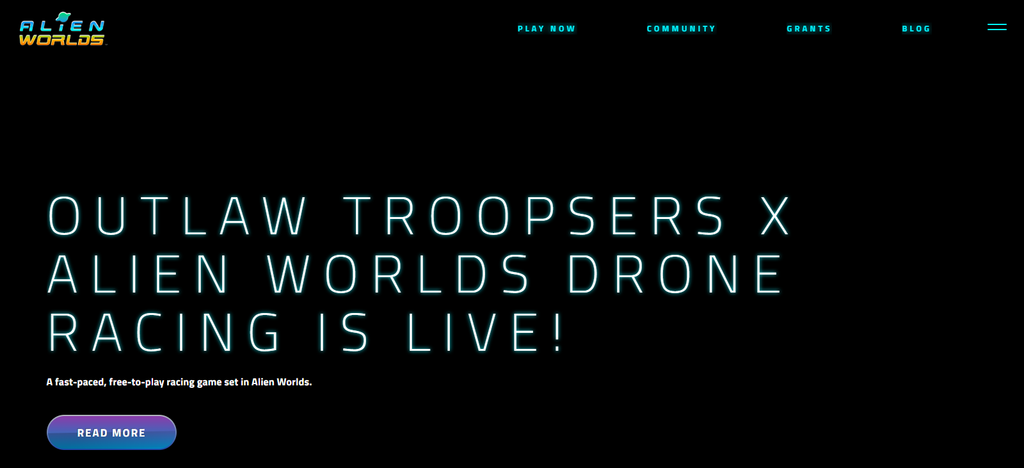
Players earn TLM and NFTs through play. Planetary Syndicates use locked TLM for voting and treasury decisions.
Staking is mostly about governance not about the traditional passive staking. Player spendings are used for land, tools, NFTs and missions. Treasury allocation, emissions and NFT rewards are used to help maintain economic balance and sustainability.
Alien Worlds Attributes
- Mining-Based Economy: Players mine Trilium and NFTs using land and tools.
- Multi-Chain: Operates across WAX, BNB Chain, and Ethereum.
- Governance: Planetary Syndicates allow players to lock tokens and vote.
- NFT Utility: NFTs can support games, applications, events, and experiences.
- Community Gameplay: Includes missions, Battledome, tournaments, and community-created activities
| Benefits | Drawbacks |
|---|---|
| Multi-chain ecosystem across WAX, BNB Chain, and Ethereum | Multiple chains can make onboarding more complicated |
| Mining, missions, and Battledome provide different activities | Reward values can depend heavily on the wider token economy |
| NFTs have utility across different experiences | NFT and token markets can be volatile |
| Syndicates provide community governance | Blockchain transactions require wallet management |
| Players can earn TLM and NFT rewards | Gameplay may feel repetitive for some players |
2. Zed Run
ZEE RUN is a blockchain horse-racing game launched in 2019. The core of the ecosystem is a digital racehorse and the ZED token. The game runs mainly on ** Ethereum and Polygon ** , the horse NFTs providing ownership and trading utility.
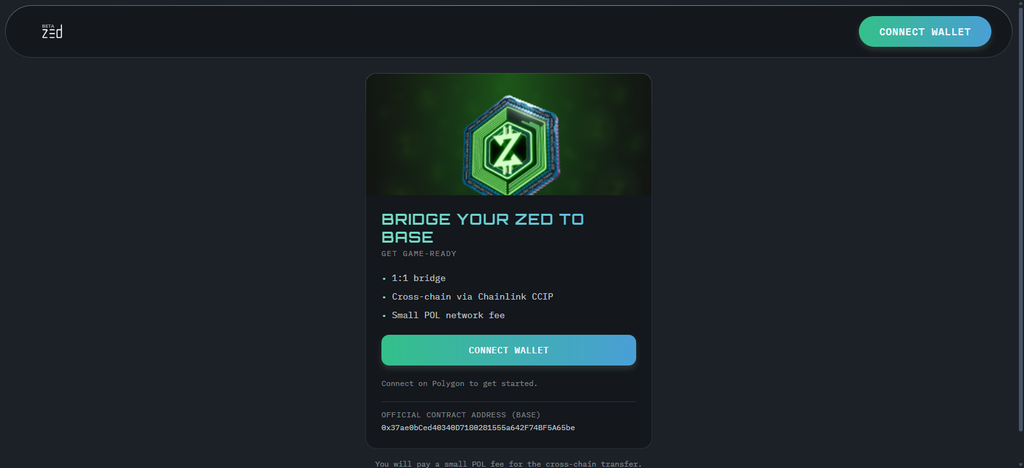
ZEE has a max supply of 1 billion and is used for racing rewards, breeding, marketplace activity, and ecosystem incentives. DAO-centric governance is less pronounced than in other projects like Alien Worlds, and staking has not been the primary economic mechanism.
The biggest part of what players spend money on is buying horses, breeding them, racing them and marketplace fees, which creates a performance-driven economy.
Zed Run Attributes
- Digital Horse Racing: Collect, Breed, Own and Race Blockchain Based Horses
- NFTs as Racehorses: Racehorses are a tradable digital asset.
- Breeding Economy: Breeding produces new horses with different characteristics and possible racing value.
- Competitive Racing: Players can race and play in tournaments.
- Marketplace Activity: A lot of the ecosystem is centered around horse trading and racing-related spending.
| Benefits | Drawbacks |
|---|---|
| Unique blockchain-based digital horse racing concept | Racing outcomes and asset values can be difficult for new players to understand |
| Horses can function as collectible digital assets | NFT prices can be highly volatile |
| Breeding creates an additional strategic layer | Breeding and ownership can require significant spending |
| Competitive racing encourages player engagement | Player activity can fluctuate with market interest |
| Marketplace supports trading of digital horses | Blockchain and wallet requirements increase complexity |
3. Gala Games Ecosystem
The Gala Games ecosystem was founded in 2019, with GALA as its core utility token for Gala’s gaming infrastructure and GalaChain, along with Ethereum and other supported networks. GALA has a 50 billion max supply and emissions are dynamically calculated based on remaining supply.
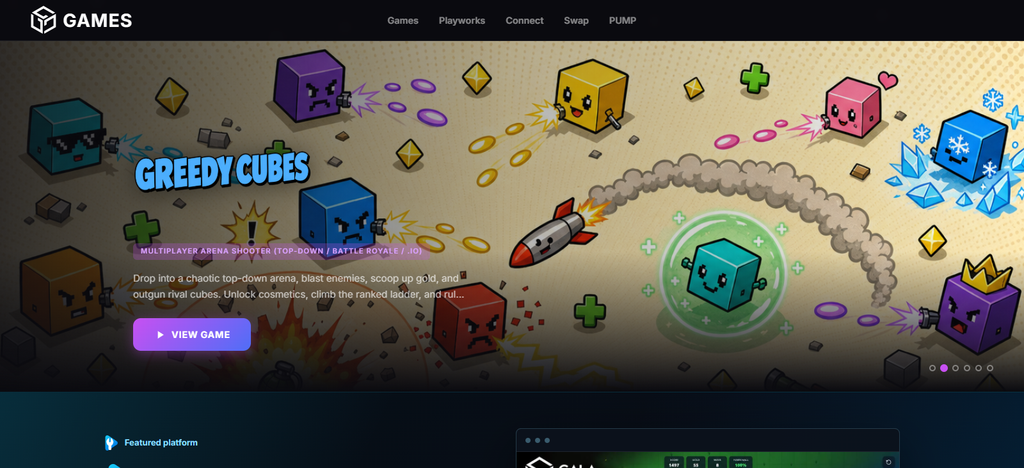
Players use GALA to buy NFTs, games and services in the ecosystem. Founder’s Nodes are rewarded with distributions for supporting the network.
Gala also burns GALA that is used as gas on GalaChain and from certain ecosystem activity. Governance is the responsibility of the node operators, while controlled emissions, burns and utility provide the long-term economic balance.
Gala Games Ecosystem Attributes
- Cross-Game Network: Merges various blockchain games into a larger gaming ecosystem.
- GALA Utility: GALA is useful for transacting and being useful in the ecosystem.
- NFT Ownership: Players can own and trade digital items related to the game.
- GalaChain. The ecosystem utilizes its blockchain infrastructure for gaming and digital ownership.
- Node Participation: Founder’s Nodes help support the ecosystem and network infrastructure.
| Benefits | Drawbacks |
|---|---|
| Provides access to multiple blockchain games | Quality and gameplay depth vary between titles |
| GALA has utility across the broader ecosystem | Token price volatility can affect player spending |
| Supports NFT-based digital ownership | Some blockchain features can increase onboarding complexity |
| GalaChain is designed for gaming-related activity | Ecosystem development depends on continued game adoption |
| Founder’s Nodes provide network participation opportunities | Players may need to understand several ecosystem components |
4. Champions Tactics
Champions Tactics: Grimoria Chronicles set for worldwide release in 2024 and was originally hosted on the Oasys blockchain, with Champions as collectible NFTs and OAS/WOAS for blockchain marketplace transactions. The first set had 75,000 Champions and gameplay rewards for Gold earned through battles, quests, rankings, and seasonal activities.
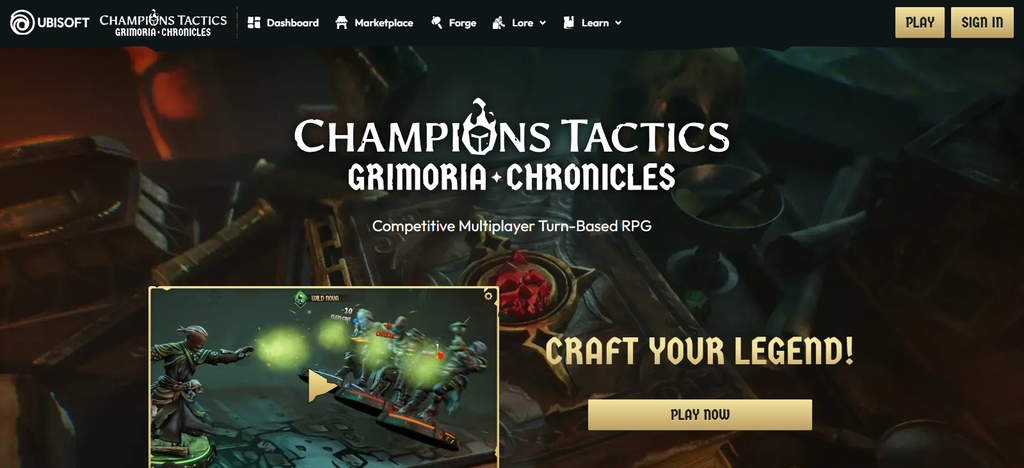
Unlike traditional tokenized games, it did not create a dedicated native game token or traditional staking economy. Its marketplace was subject to Ubisoft royalties and transaction fees. Note that the project has moved away from its Web3 elements and the current model of sustainability is mostly Web2.
Champions Tactics Attributes
- Tactical Combat: Strategy battles with collectible Champions.
Champion NFTs: Digital Champions offer ownership and collection utility on the blockchain. - Collection System: Players can collect teams of various Champion attributes.
Web3 Integration: Blockchain technology integrated into collectible ownership and marketplace functionality. - Competitive Gameplay: At its heart, the experience is about tactical decision making and PvP.
| Benefits | Drawbacks |
|---|---|
| Combines tactical combat with collectible Champions | Blockchain features may add complexity |
| Champion NFTs provide digital ownership | NFT demand can be affected by player activity |
| Strategic team building adds depth | Competitive gameplay may appeal to a narrower audience |
| Collectible mechanics complement tactical battles | Web3 functionality can create an additional learning curve |
| Strong franchise association with Ubisoft | Its blockchain component has become less central to the current experience |
5. MapleStory Universe
NXPC is the blockchain economy in MapleStory Universe, where the ecosystem is built to link gameplay, NFTs, item ownership and player-driven economic activity. It’s not just unlimited emissions, NXPC has a supply-sensitive reward system. Players spend NXPC through the use of Fission to acquire items, which temporarily locks tokens.
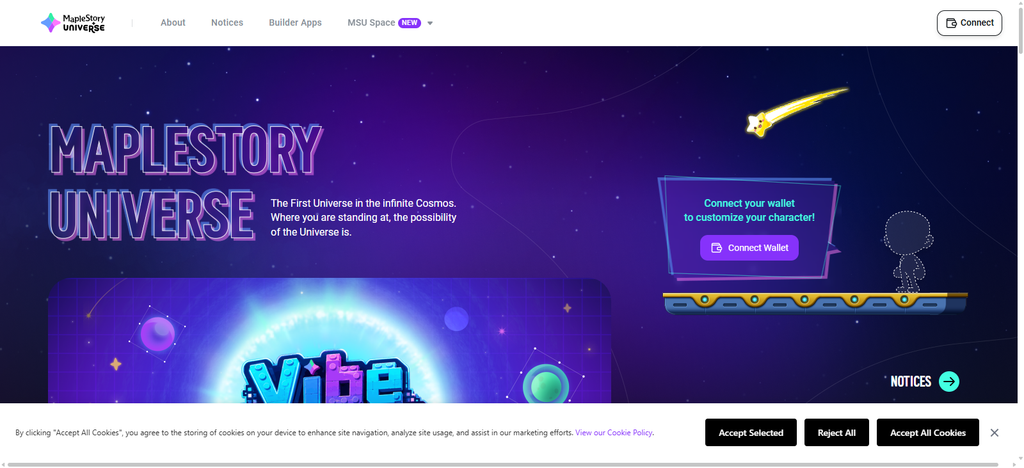
When items are returned to the Item Pool, Fusion can put NXPC back into circulation. Rewards are calculated based on the exchange rate of NFT/NXPC and the number of items available. This architecture focuses on the importance of regulated circulation, player expenditure, demand-based rewards, and economic balance rather than traditional staking.
MapleStory Universe Attributes
- Player Owned Assets: Brings blockchain ownership to the MapleStory universe.
- NXPC Economy: NXPC is used to support the reward and item economy of the ecosystem.
- Item Economy: Players can interact with a player-driven digital item economy.
- Game Ecosystem: Brings together different experiences and applications under the MapleStory brand.
- Reward Mechanics: Player actions can be linked to ecosystem rewards and digital resources through in-game participation.
| Benefits | Drawbacks |
|---|---|
| Builds on the established MapleStory franchise | Blockchain mechanics may be unfamiliar to traditional players |
| Connects digital ownership with gaming | Token and item economics can be complex |
| NXPC provides an ecosystem-oriented economic mechanism | Economic activity depends on sustained player participation |
| Player-driven item economy can create meaningful utility | Digital asset values may fluctuate |
| Multiple experiences can expand the ecosystem | The broader ecosystem is still developing |
6. World of Dypians
World of Dypians was launched in 2023 with WOD as its native ecosystem token on blockchain infrastructure that fuels its metaverse economy.
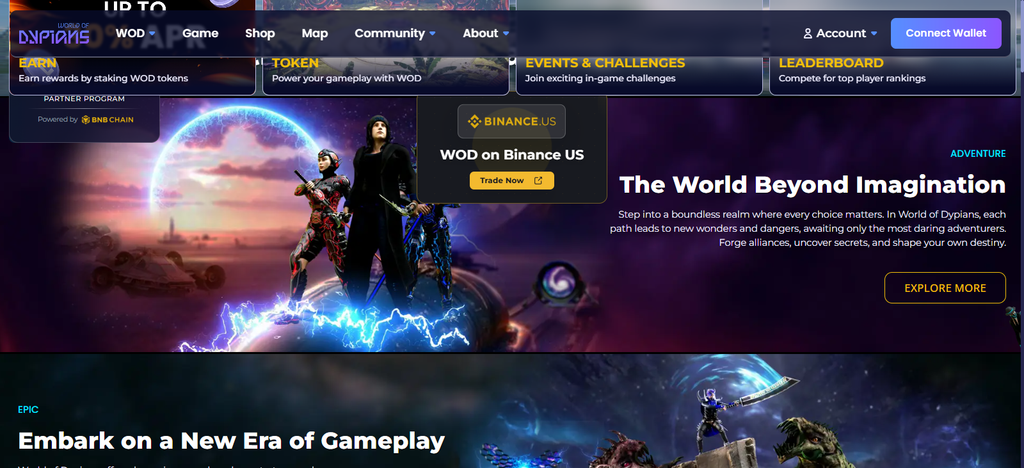
WOD has a 1 billion maximum supply distributed among community, ecosystem, team, seed, private, public, liquidity, advisor and other categories. Players can spend WOD on virtual goods, upgrades, NFTs, platform fees and premium features and earn rewards for engagement. Token holders can participate in staking programs and governance.
The ecosystem also uses revenue-funded buybacks for its reserve, which sets up a mechanism designed to provide liquidity, utility, economic balance, and long-term sustainability.
World of Dypians Attributes
- WOD Token: WOD is the main utility token of the ecosystem.
- Virtual Metaverse: A huge digital world where you can explore and meet people.
- ** Digital Assets Players can trade NFTs, virtual properties and other blockchain-based assets.
- Play to Earn Mechanics: Possible rewards can be obtained through gameplay and involvement in the ecosystem.
- Virtual Economy: It is a larger economic model encompassing purchases, assets, rewards and token utility.
| Benefits | Drawbacks |
|---|---|
| Combines gaming with a large virtual world | Metaverse experiences require sustained user activity |
| WOD provides ecosystem utility | Token prices can be volatile |
| Includes NFTs and virtual assets | Blockchain onboarding can be difficult for newcomers |
| Offers play-and-earn style opportunities | Reward sustainability depends on economic demand |
| Provides multiple activities within its virtual environment | Smaller ecosystems can face liquidity and adoption challenges |
7. Decentraland
Decentraland launched in 2017. The main utility and governance token of the platform is called MANA and is an ERC-20 token on the Ethereum blockchain. LAND and other assets are used to represent blockchain-based ownership.
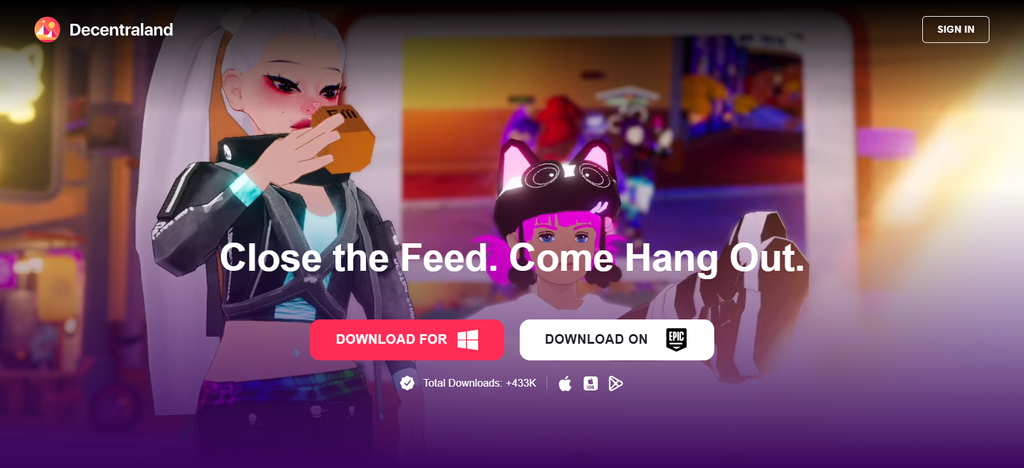
The original supply of MANA was 2.8 billion, but it has been diminished due to token burns that took place during LAND auctions and marketplace activities. Players use MANA to purchase virtual land, names, wearables and other assets in the ecosystem.
Governance is done through the Decentraland DAO where community members vote on proposals and decisions. Instead of relying heavily on native staking, its economy is based on asset demand, marketplace activity, DAO governance, and token-burning mechanisms.
Decentraland Attributes
- DAO Governance: The Decentraland DAO allows the community to have a say in ecosystem decisions.
- Virtual World: A user created metaverse for discovery, social experiences, events and entertainment.
- MANA Token: MANA is used within the Decentraland economy.
- Virtual Land: LAND is the ownership of parcels in the virtual world, recorded on the blockchain.
- Creator Economy: Users can create, own, trade, and monetize digital resources and virtual experiences.
| Benefits | Drawbacks |
|---|---|
| Established virtual-world ecosystem | Virtual land can be expensive |
| MANA provides utility across the platform | MANA and NFT prices can fluctuate significantly |
| LAND gives users blockchain-based digital ownership | Requires a wallet for many Web3 activities |
| DAO enables community participation | Governance can be complex for casual users |
| Strong creator and user-generated-content model | User experience can vary considerably between individual experiences |
8. Aavegotchi
Aavegotchi was launched in 2020, with GHST the governance and utility token for the ecosystem across Ethereum, Polygon and Base, with Base becoming the canonical deployment. GHST has a capped supply of ~52.75 million tokens with the closure of its bonding curve.
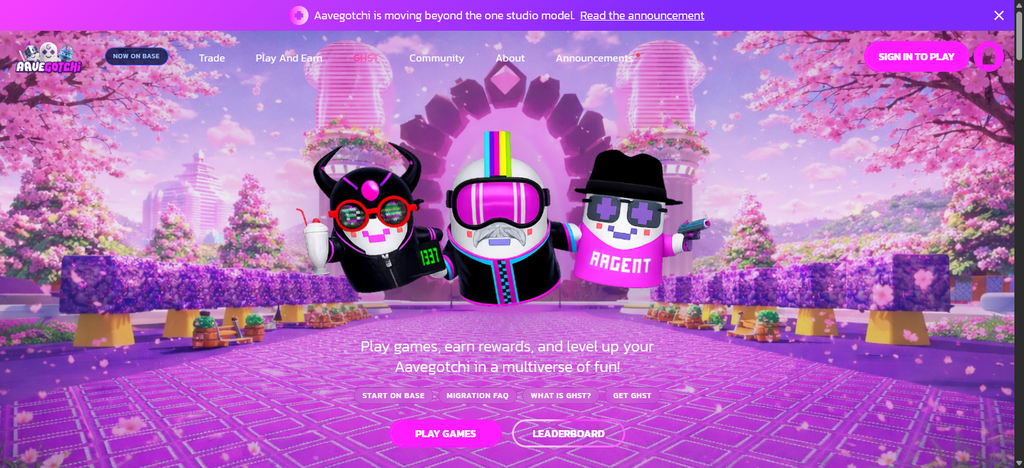
Players can use GHST to purchase NFTs, transact in marketplaces, and participate in ecosystem activities. Primary sales can trigger a 5% token burn. AavegotchiDAO — Decentralized governance giving token holders voting power. Economic sustainability is driven by capped supply, marketplace utility, burns, NFT demand and community-controlled treasury decisions.
Aavegotchi (GHST) Attributes
- NFT Characters: Aavegotchis are blockchain collectibles that have utility in gameplay.
- GHST Token: GHST powers transactions, governance and ecosystem activity.
- Wearables: Wearable NFTs can be used to customize Aavegotchis.
- DAO Governance: AavegotchiDAO allows the community to participate in ecosystem decision-making.
- DeFi Integration: The project integrates gaming, NFTs and decentralized-finance concepts.
| Benefits | Drawbacks |
|---|---|
| Combines NFTs, gaming, and DeFi concepts | DeFi mechanics can make the game difficult for beginners |
| GHST provides ecosystem utility | GHST price volatility can affect the economy |
| Aavegotchis can be customized with wearable NFTs | Collectible assets can require significant spending |
| AavegotchiDAO supports community governance | DAO participation requires understanding governance mechanisms |
| NFT ownership creates player-driven asset utility | Smaller player communities can limit marketplace liquidity |
9. Star Atlas
Star Atlas launched in 2021 and is based on Solana. It has a dual-token economy of ATLAS and POLIS. ATLAS is the in-game payment and utility currency, meant to expand or contract with the game economy, POLIS provides governance and DAO control. POLIS has a capped supply set by governance and ATLAS is inflationary and can be minted or burned based on ecosystem needs.
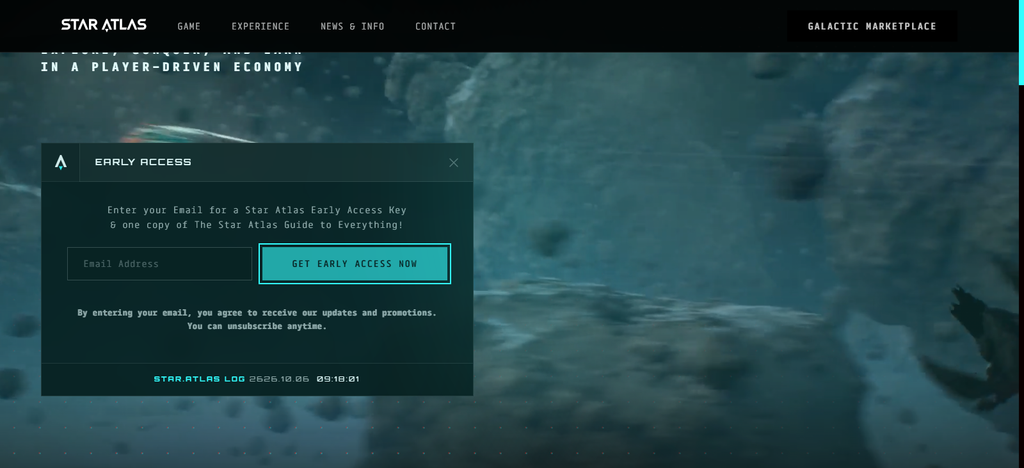
Players spend ATLAS on Ships, Resources, Services and other Assets. POLIS locking provides governance related rewards. The monetary policy is controlled by DAO to balance player spending, emissions and long-term sustainability.
Atlas Star Attributes
- Solana Ecosystem: It has built its blockchain gaming infrastructure on the Solana-based experiences.
- Dual-Token Economy: ATLAS enables economic activity and POLIS enables governance utility.
- NFT Ownership: Ships, crew, resources and other assets can be owned and traded as NFTs.
- DAO Governance: Players can lock POLIS to gain voting power and participate in ecosystem proposals.
| Benefits | Drawbacks |
|---|---|
| Combines space exploration, strategy, trading, and combat | The ecosystem is technically complex |
| Built around Solana-based blockchain experiences | Some experiences remain in development or early-access stages |
| Ships, crew, resources, and other assets have NFT ownership | NFT and token prices can be volatile |
| ATLAS and POLIS provide different economic functions | Players need to understand multiple economic systems |
| DAO governance gives players influence over ecosystem decisions | Blockchain transactions and asset management can create onboarding friction |
10. Illuvium
Launched in 2021, Illuvium is a blockchain ecosystem with the governance and utility token **ILV . ILV is an ERC-20 token initially deployed on Ethereum with a maximum supply of 10 million tokens. The current staking infrastructure is built on Base.

Players and investors can stake ILV or ILV/ETH to access revenue distribution and seasonal Shard rewards. ILV is also used to govern the Illuvium DAO through community voting.
Player spending is measured by game assets, NFTs, and ecosystem purchases. Economic balance and sustainability are achieved through revenue distribution, staking locks, token scarcity and DAO-controlled treasury mechanisms.
Illuvium Attributes
- Connected Game Universe: Brings together Arena, Overworld, Zero and Beyond into one connected ecosystem.
- Illuvials: Illuvials are the creatures that players collect and use in different experiences.
- Strategic Gameplay: Arena is all about competitive auto-battler strategy and team building.
- Land Economy: Illuvium: Zero lets players manage land and generate resources.
- Multiple Experiences The ecosystem is made up of strategy, exploration, collection, land management, and digital collectibles.
| Benefits | Drawbacks |
|---|---|
| Connects several games into one shared universe | Multiple game modes can make the ecosystem complex |
| Offers Arena, Overworld, Zero, and Beyond experiences | Some experiences are still evolving or in development |
| Strong focus on strategic gameplay and digital collectibles | Blockchain assets can have significant price volatility |
| Land, Illuvials, and other assets provide different forms of utility | Higher-end digital assets may require substantial spending |
| Interconnected progression can increase ecosystem engagement | Long-term sustainability depends on continued player adoption |
Conclusion
Here are 10 blockchain gaming projects that take different approaches to building sustainable Web3 economies. Alien Worlds and Decentraland are more focused on governance and ownership by players, while ZEE RUN and Illuvium are more focused on NFT-based economies and competitive gameplay.
Gala Games, MapleStory Universe, and World of Dypians merge gaming with larger token ecosystems, while Aavegotchi and Star Atlas leverage unique tokenomics for governance, rewards and player expenditure.
The blockchain model of Champions Tactics is more restricted. Overall, token supply, reward emissions, staking, fee recycling, player demand, governance and real economic utility are important variables when evaluating the long-term viability of blockchain games.
FAQ
What are the best blockchain games in 2026?
Alien Worlds, ZED RUN, Gala Games, MapleStory Universe, Decentraland, Aavegotchi, Star Atlas, and Illuvium are among the notable blockchain gaming ecosystems, each offering different approaches to NFTs, tokens, rewards, governance, and player ownership.
Which blockchain games have native tokens?
Alien Worlds uses TLM, Gala Games uses GALA, World of Dypians uses WOD, Decentraland uses MANA, Aavegotchi uses GHST, Star Atlas uses ATLAS and POLIS, and Illuvium uses ILV.
Which blockchain game has governance features?
Several projects incorporate decentralized governance. Alien Worlds uses Planetary Syndicates, Decentraland uses its DAO, Aavegotchi uses AavegotchiDAO, and Star Atlas uses POLIS-based governance.
Do blockchain games allow players to earn rewards?
Yes. Depending on the game, rewards can come from gameplay, tournaments, missions, NFT activity, staking, marketplace participation, or ecosystem incentives. Reward structures differ significantly between projects.
What makes a blockchain game’s economy sustainable?
A sustainable economy generally requires useful tokens, controlled emissions, balanced rewards, meaningful player spending, NFT demand, effective fee mechanisms, and sufficient gameplay utility rather than relying only on speculative token demand.