

In this article, we’ll be covering the Top Web3 Trading Card Games To Play, their gameplay, blockchain networks, card ownership, trading features, entry costs, platforms and Web3 utilities. I will additionally compare their distinct features to help players find the right Web3 trading card game for them based on strategy, accessibility, digital ownership, and overall gaming experience.
- What Are Web3 Trading Card Games to Play?
- Benefits Of Web3 Trading Card Games to Play
- Key Points
- 1 . Gods Unchained
- 2. Parallel
- 3. Splinterlands
- 4. Skyweaver
- 5. Sorare
- 6. Cross The Ages
- 7. Might & Magic: Fates
- 8. Axie Infinity: Origins
- 9. Legends of Elysium
- Comparison Table: Top Web3 Trading Card Games
- Conclusion
- FAQ
What Are Web3 Trading Card Games to Play?
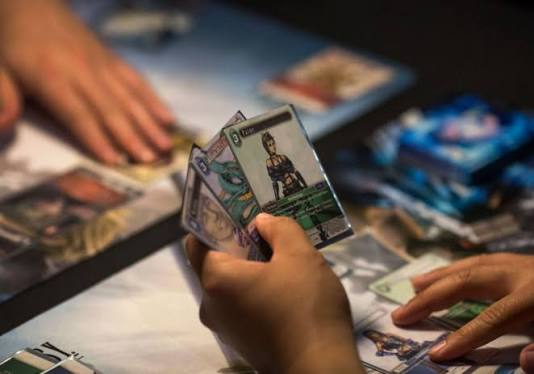
Web3 Trading Card Games are digital card games that incorporate traditional deck building, strategy, and competitive battles with blockchain technology. Players can collect eligible digital cards, verify ownership and depending on the game, trade or transfer those assets through supported marketplaces.
Traditional digital card games don’t give players the same kind of control over in-game assets that Web3 TCGs do, thanks to blockchain-based ownership. Some games have free-to-play access and you can also buy NFTs if you want to. Different games can use different networks and different economies.
Benefits Of Web3 Trading Card Games to Play
Core Card-Game Mechanics: Web3 TCGs can preserve core mechanics such as deck building, resource management, card combinations, and competitive decision making.
Transparent Asset History: Blockchain records may help in verifying ownership and transactions of eligible electronic assets.
Multiple Ways to Collect: Players can earn cards through gameplay, packs, crafting, rewards, purchases, or other game-specific systems.
Digital Scarcity: Cards can be made based on NFTs with a limited supply or scarcity, enabling games to develop collectible assets that possess unique properties.
Player-Driven Economies: Some games will allow players to participate in marketplaces where collectible cards and other qualifying assets can be traded.
Cross-Ecosystem Potential: Sometimes, assets on the blockchain can be moved or used across supported services, but this varies widely from game to game.
Free to Play Titles: Many Web3 TCGs offer free-to-play starter gameplay, so players can try the basic game before buying blockchain-based assets.
Collect and Play: Players can enjoy a competitive card duel, while also enjoying the long-term experience of building a valuable or strategically useful collection.
More Transparency of Assets: Blockchain-based systems can provide public auditable information on eligible assets, including ownership and transaction history.
Key Points
| Web3 Trading Card Game | Game Type | Blockchain / Web3 Element | Card Ownership & Trading | Best Known For |
|---|---|---|---|---|
| Gods Unchained | Strategic 1v1 TCG | Immutable ecosystem / Ethereum-based assets | Players can own and trade eligible cards | Competitive gameplay, card ownership, free-to-play entry |
| Parallel | Sci-Fi strategic TCG | Ethereum & Base | Tradable digital collectible cards | Deep strategy, five factions, sci-fi setting |
| Splinterlands | Strategy card battler | Hive blockchain | Cards are player-owned digital assets and can be traded | Automated battles, collection building, Web3 economy |
| Skyweaver | Strategic digital TCG | Blockchain-backed tradable cards | Players can own, trade and gift eligible cards | Browser gameplay, accessible onboarding, strategic deck building |
| Sorare | Fantasy sports card game | Blockchain-based digital collectibles | Digital player cards can be collected and traded | Licensed football, baseball, basketball and other sports |
| Cross The Ages | Competitive strategy TCG | Blockchain/NFT-enabled card ecosystem | Collectible cards can be owned and traded | Competitive battles, digital collectibles, fantasy/sci-fi world |
| Might & Magic: Fates | Fantasy TCG | Web3-enabled digital collectibles | Collectible card ownership and blockchain features | Heroes of Might & Magic universe and tactical card battles |
| Axie Infinity: Origins | Creature-based strategy card battler | Ronin blockchain ecosystem | Axies and certain game assets have Web3 ownership | Axie-based battles and established Web3 gaming ecosystem |
| Legends of Elysium | Fantasy blockchain TCG | Blockchain/NFT-based assets | NFT-based cards and game assets | Fantasy battles, deck building and Web3 asset ownership |
1 . Gods Unchained
Gods Unchained is a competitive digital collectible card game that was released in 2018 and was built on Ethereum, and later Immutable’s gaming infrastructure.
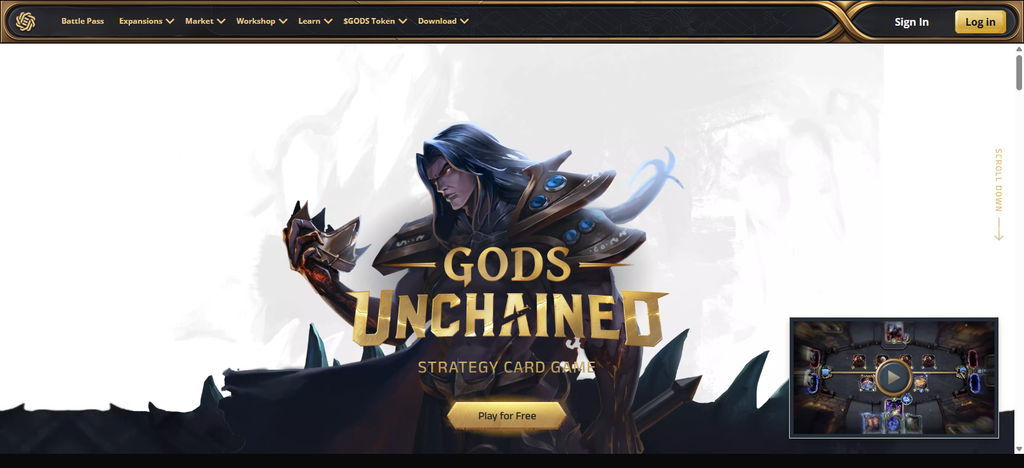
It is a strategy model based on 1v1 PvP gameplay, where players build decks and fight against their opponents. PC players can start playing for free, with optional purchases available for packs and assets.
The Web3 utility lies in verifiable digital ownership: eligible cards can be transformed into blockchain assets that players can **own, transfer and trade. The $GODS token also underpins crafting and ecosystem activities.
| Characteristic | Details |
|---|---|
| Game Type | Strategic digital trading card game |
| Gameplay | Competitive deck-building and card battles |
| Main Mode | PvP-focused strategic matches |
| Blockchain | Ethereum / Immutable ecosystem |
| Card Ownership | Eligible cards can be minted as NFTs and owned by players |
| Trading | Eligible NFT cards can be traded |
| Entry Model | Free-to-play |
| Web3 Utility | NFT ownership, trading, crafting and $GODS ecosystem |
| Card Economy | Cards can be collected, crafted and traded |
| Strategy Depth | Deck composition, card abilities and match decisions |
| Platform | PC and supported web/game ecosystem |
| Standout Feature | Combines conventional competitive TCG mechanics with verifiable digital ownership |
2. Parallel
Parallel is a science-fiction strategic TCG about the future of humanity following a catastrophic collapse of Earth. It is a game of competitive deck building, faction based strategies and tactical card play, not simple collectible mechanics.
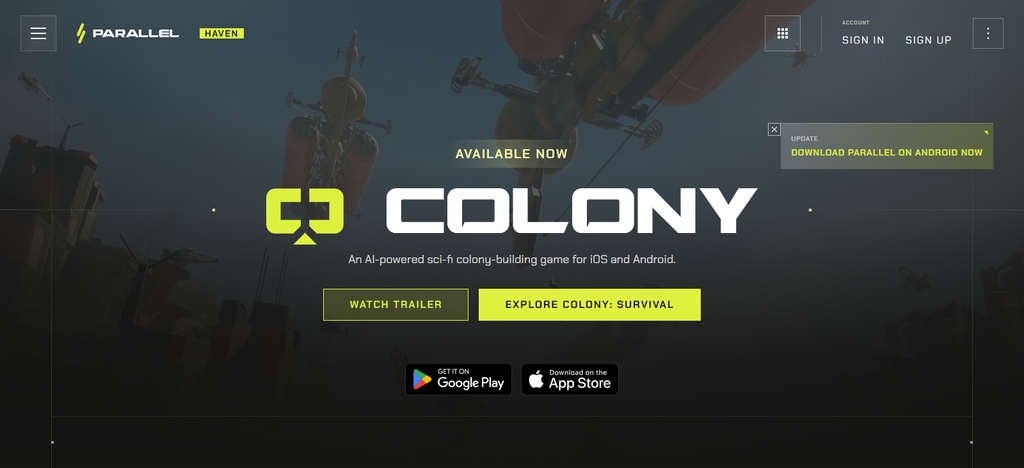
Parallel is built on Ethereum and Base for its digital-asset ecosystem, allowing eligible collectible cards and other assets to be player-owned blockchain assets.
The game can be started by players without the need to buy expensive cards, and the larger ecosystem is designed for collection and trade. The best utility for it in Web3 is blending traditional competitive TCG gameplay with verifiable ownership of digital collectibles.
| Characteristic | Details |
|---|---|
| Game Type | Sci-fi strategic trading card game |
| Gameplay | Tactical deck-building and competitive card battles |
| Main Objective | Reduce opponent’s health to zero |
| Card Types | Units, Effects, Relics, Upgrades and Splits |
| Blockchain | Ethereum / Base ecosystem |
| Card Ownership | Selected digital collectibles can be player-owned assets |
| Trading | Blockchain-based collectible ecosystem supports trading |
| Entry Model | Free-to-play access |
| Web3 Utility | Digital collectibles and blockchain-based ownership |
| Strategy Depth | Energy management, faction selection, card combinations and timing |
| Platform | PC |
| Standout Feature | Sci-fi setting combined with faction-based competitive TCG mechanics |
3. Splinterlands
Splinterlands is one of the longest-running blockchain-based trading card games, launching in mid-2018. It mostly runs on the ** Hive blockchain where cards are NFTs and players can own them. In terms of its gameplay, it mixes deck building, strategic card selection and automatic battles as players fight in matches of skill.
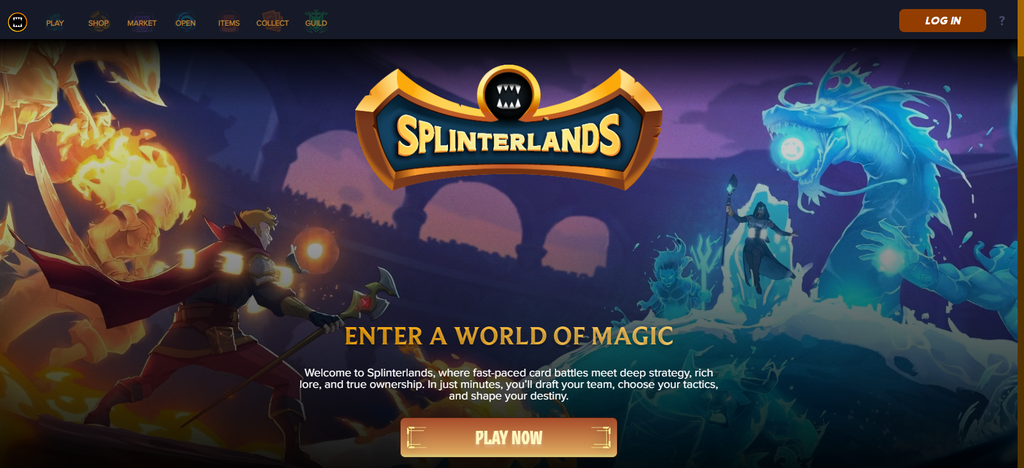
The game is free-to-play but the $10 Summoner’s Spellbook opens up the full blockchain-enabled experience and more features. Players can buy, sell, trade, combine or burn eligible cards, which adds a strong Web3 ownership and trading layer to the game.
| Characteristic | Details |
|---|---|
| Game Type | Blockchain collectible card game |
| Gameplay | Strategic auto-battler |
| Main Modes | Ranked, tournaments, guild activities and other formats |
| Blockchain | Hive |
| Card Ownership | Players can own blockchain-based cards |
| Trading | Cards can be bought, sold, transferred and rented |
| Entry Model | Free-to-play; Spellbook unlocks additional features |
| Entry Cost | Summoner’s Spellbook is listed at $10 |
| Web3 Utility | Ownership, trading, renting and blockchain-based assets |
| Strategy Depth | Mana, positioning, abilities, elements and battle modifiers |
| Platform | Web browser and mobile |
| Standout Feature | Players build a team before an automated battle plays out |
4. Skyweaver
Development of Skyweaver started around 2018 and in 2022 it was in open beta. It’s a free-to-play strategy trading card game with traditional card game mechanics and blockchain ownership.
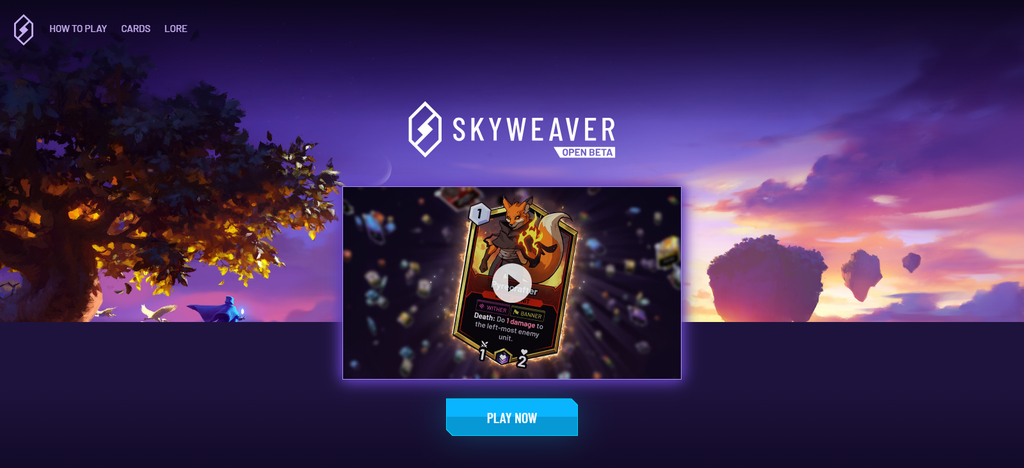
Skyweaver is built on Ethereum, and uses a Sequence Wallet to store eligible cards that are registered on-chain. Players can build decks, fight against other players in PvP modes and earn cards that can be traded through gameplay.
No upfront purchase required to start playing. Its Web3 utility is particularly focused on ownership, trading, selling and gifting cards which allows collectible assets to go beyond the normal game-account model.
| Characteristic | Details |
|---|---|
| Game Type | Strategic digital trading card game |
| Gameplay | Turn-based PvP card battles |
| Deck Building | Heroes and Prism combinations determine deck construction |
| Card Types | Units, Spells and other card mechanics |
| Blockchain | Ethereum-based collectible infrastructure |
| Card Ownership | Eligible cards can be player-owned digital assets |
| Trading | Tradable cards can be traded |
| Entry Model | Free-to-play |
| Web3 Utility | Ownership, trading and gifting of eligible cards |
| Strategy Depth | Mana management, Heroes, Prisms, card effects and positioning |
| Platform | Browser / cross-platform |
| Standout Feature | Combines accessible gameplay with player-owned tradable cards |
5. Sorare
Sorare was founded in 2018 and unlike traditional TCGs, it mixes blockchain collectibles with fantasy sports management. Players collect officially licensed digital player cards from sports such as football, baseball and basketball and use those cards to build fantasy teams.
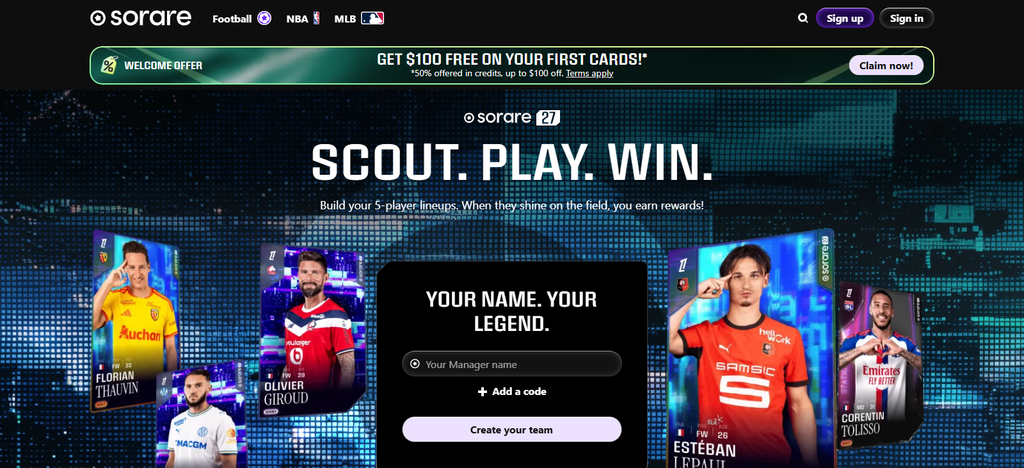
Performance is based on the real performance of the athletes, so the gameplay is more like fantasy competition than regular card battles.
Sorare uses blockchain tech to create provable scarcity and digital ownership. Cards can be bought, sold and traded. The platform can be accessed via web and mobile experiences and has paid cards as well as free-entry fantasy competitions.
| Characteristic | Details |
|---|---|
| Game Type | Web3 fantasy sports card game |
| Gameplay | Fantasy sports management |
| Core Activity | Build fantasy teams using digital athlete cards |
| Sports | Football and other supported sports |
| Blockchain | Blockchain-based digital collectible infrastructure |
| Card Ownership | Digital player cards can be owned by users |
| Trading | Eligible cards can be bought, sold and traded |
| Entry Model | Free competitions plus optional paid collectibles |
| Web3 Utility | Digital scarcity, ownership and collectible trading |
| Strategy Depth | Player selection, team composition and real-world performance |
| Platform | Web and mobile experiences |
| Standout Feature | Connects blockchain cards with real-world sports performance |
6. Cross The Ages
Cross The Ages is a strategic trading card game set in a fantasy, science-fiction and post-apocalyptic universe. Its gameplay revolves around 1v1 competitive deck battles. Players build decks from cards that feature different factions, powers, elements and rarities.
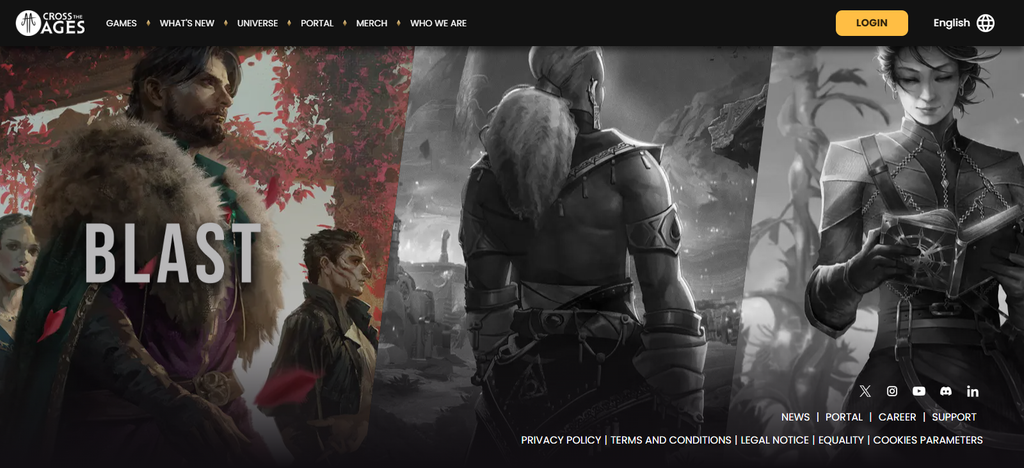
The game is free to play, letting players get a taste of the core gameplay before they have to buy blockchain assets.
Its Web3 model breaks down assets into Static, Flex and Eternal with Eternal cards represented as NFTs. This way players can progress in a traditional manner and decide when to move Eligible assets to the blockchain-based ownership and trading ecosystem.
| Characteristic | Details |
|---|---|
| Game Type | Competitive fantasy/sci-fi trading card game |
| Gameplay | Strategic 1v1 deck battles |
| Setting | Fantasy, science-fiction and post-apocalyptic universe |
| Card System | Collectible cards with different rarities and characteristics |
| Blockchain | Web3-enabled blockchain ecosystem |
| Card Ownership | Selected cards can become blockchain assets |
| Trading | Eligible NFT cards can participate in the marketplace |
| Entry Model | Free-to-play |
| Web3 Utility | NFT ownership, marketplace and digital collectibles |
| Strategy Depth | Deck construction, card abilities, factions and tactical decisions |
| Platform | PC and supported digital platforms |
| Standout Feature | Blends conventional competitive TCG gameplay with optional blockchain ownership |
7. Might & Magic: Fates
Ubisoft and Immutable have announced Might & Magic: Fates in 2025, a new strategy card game set within the existing Might & Magic universe. It centers around tactical card battles, deck building, heroes, creatures and faction specific mechanics.
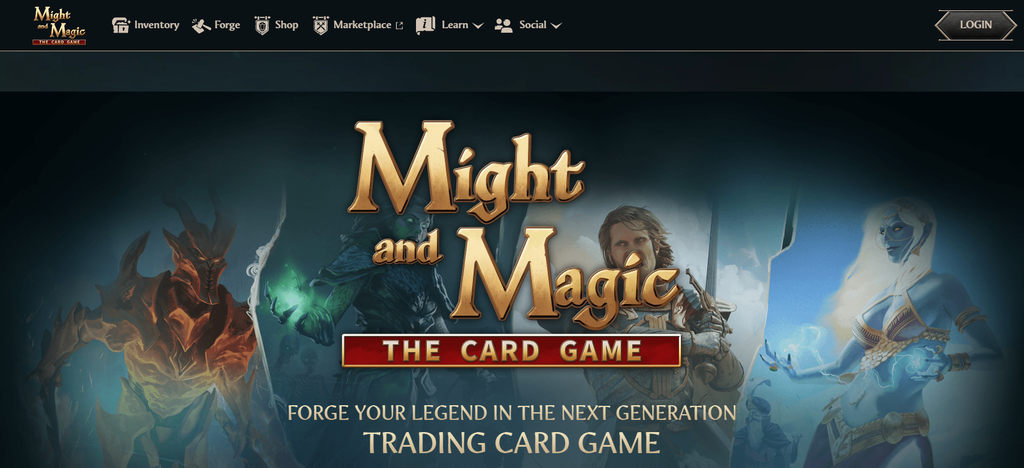
The game is intended to be free-to-play, with cards earned through gameplay, as well as optional marketplace activity.
Immutable powers the game’s Web3 infrastructure, adding an element of digital ownership while keeping the core card battles accessible. Platforms announced include iOS, Android and PC, making it one of the more mobile-focused Web3 TCG projects.
| Characteristic | Details |
|---|---|
| Game Type | Fantasy strategy card game |
| Gameplay | Tactical card battles and deck building |
| Universe | Might & Magic |
| Card System | Heroes, creatures and strategic cards |
| Blockchain | Immutable Web3 infrastructure |
| Card Ownership | Designed to support blockchain-based digital collectibles |
| Trading | Web3 marketplace functionality is part of the ecosystem |
| Entry Model | Free-to-play model |
| Web3 Utility | Digital ownership and collectible asset infrastructure |
| Strategy Depth | Deck construction, tactical decisions and card combinations |
| Platform | PC, iOS and Android announced |
| Standout Feature | Brings the established Might & Magic universe into a Web3-enabled card-game format |
8. Axie Infinity: Origins
Axie Infinity: Origins, a creature-based tactical card battler, evolved from Axie Infinity, launched in early access in 2022.
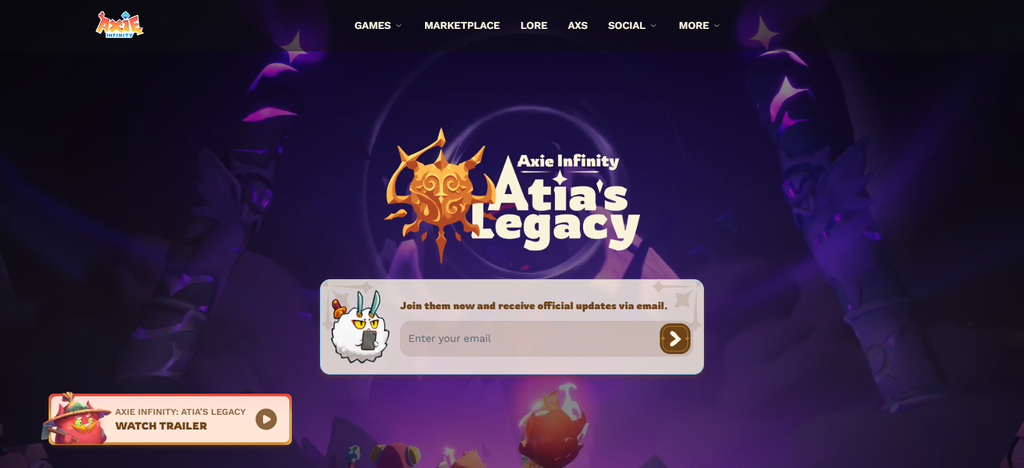
Its gameplay is a blend of turn-based card strategy, team building and Axie abilities with Arena modes providing competitive PvP. Origins is free to download and play and gives players three free non-NFT starter Axies, so players can get started without buying NFTs.
The game exists in the Ronin ecosystem , with collectible Axies and other assets giving the Web3 ownership layer . Players level through battles, account rewards, Runes, Charms, and other gameplay systems.
| Characteristic | Details |
|---|---|
| Game Type | Creature-based strategic card battler |
| Gameplay | Turn-based tactical battles |
| Main Assets | Axies, Runes, Charms and other ecosystem assets |
| Blockchain | Ronin |
| Card Ownership | Blockchain ownership applies to eligible Axies and assets |
| Trading | Eligible Web3 assets can be traded through supported ecosystem markets |
| Entry Model | Free-to-play |
| Starter Access | Free starter Axies are available |
| Web3 Utility | Digital ownership, collectible Axies and Ronin ecosystem integration |
| Strategy Depth | Team composition, cards, abilities, Runes and Charms |
| Platform | PC and mobile-supported ecosystem |
| Standout Feature | Combines creature collecting with tactical card-based combat |
9. Legends of Elysium
Legends of Elysium is a free-to-play fantasy board and card game that mixes deck building with tactical hexagonal board play. Players build decks and use units, spells and items, and position their forces around the board, making movement and territory control important aspects of gameplay.
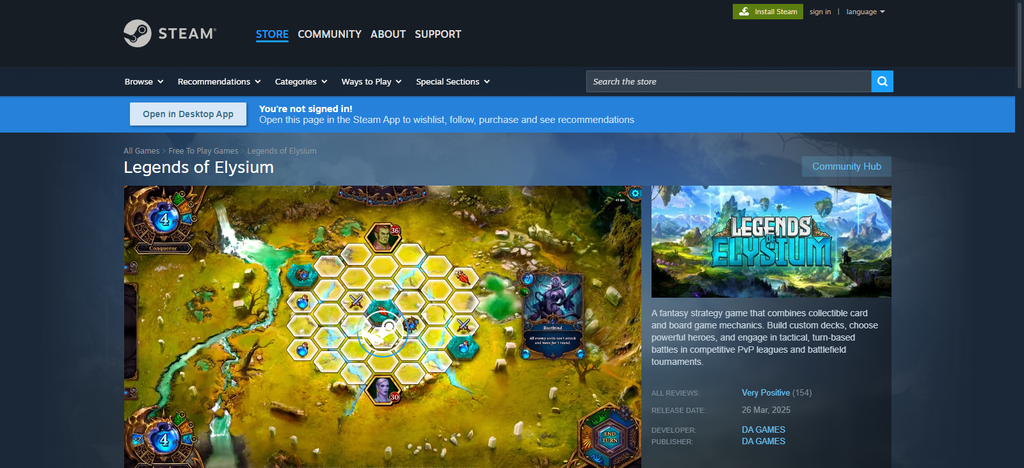
The game’s Web3 system provides players with ownership of NFT-based assets and cards that can be minted and traded through its ecosystem. The game also includes crafting and marketplace mechanics, and has vLOE and vUSD in its economy. The main difference is that it combines classic TCG mechanics with tactical positioning akin to board games.
| Characteristic | Details |
|---|---|
| Game Type | Fantasy blockchain card-and-board game |
| Gameplay | Card battles combined with tactical board positioning |
| Core Mechanics | Deck building, units, spells and battlefield movement |
| Blockchain | Web3/blockchain ecosystem |
| Card Ownership | NFT-based ownership for eligible assets |
| Trading | Blockchain assets can be traded through supported marketplace systems |
| Entry Model | Free-to-play |
| Web3 Utility | NFT ownership, marketplace activity and digital asset economy |
| Strategy Depth | Card selection plus hexagonal battlefield positioning |
| Platform | PC/web-focused ecosystem |
| Standout Feature | Combines traditional TCG mechanics with tactical board-game movement |
Comparison Table: Top Web3 Trading Card Games
| Game | Gameplay Style | Blockchain | Card Ownership | Trading | Entry Cost | Platform | Web3 Utility | Best For |
|---|---|---|---|---|---|---|---|---|
| Gods Unchained | Strategic PvP TCG | Ethereum / Immutable | Eligible cards can be owned as NFTs | Yes, for eligible cards | Free to play | PC | NFT ownership, trading, crafting, $GODS | Competitive TCG players |
| Parallel | Sci-fi strategic TCG | Ethereum / Base | Digital collectibles | Yes, for eligible assets | Free to play | PC | Blockchain collectibles and ownership | Strategy-focused players |
| Splinterlands | Strategic auto-battler | Hive | Blockchain-based cards | Yes; trading and renting | Free to start; optional Spellbook | Web / Mobile | NFT ownership, trading, renting | Web3 collectors |
| Skyweaver | Turn-based strategic TCG | Ethereum-based | Eligible cards can be owned | Yes | Free to play | Browser / Cross-platform | Ownership, trading and gifting | Beginners and TCG fans |
| Sorare | Fantasy sports card game | Blockchain-based | Digital player cards | Yes, for eligible cards | Free competitions; paid cards optional | Web / Mobile | Digital scarcity and ownership | Sports fans |
| Cross The Ages | Competitive fantasy/sci-fi TCG | Web3-enabled | Eligible cards can become NFTs | Yes, for eligible assets | Free to play | PC | NFT ownership and marketplace | Competitive strategy players |
| Might & Magic: Fates | Tactical fantasy TCG | Immutable ecosystem | Blockchain-enabled collectibles | Web3 trading ecosystem | Free-to-play model | PC / iOS / Android announced | Digital ownership and collectibles | Might & Magic fans |
| Axie Infinity: Origins | Creature-based card battler | Ronin | Eligible Axies/assets can be owned | Yes, for eligible assets | Free to play | PC / Mobile ecosystem | NFT ownership and Ronin assets | Creature strategy fans |
| Legends of Elysium | Card + board strategy | Blockchain/Web3 | NFT-based eligible assets | Supported marketplace | Free to play | PC / Web | NFT ownership and digital economy | Tactical strategy players |
Conclusion
By 2026, Web3 trading card games are more than just digital card battles. They combine strategic gameplay with blockchain-based ownership, trading, and digital collectibles. Games such as Gods Unchained, Parallel, Splinterlands, Skyweaver, Sorare, Cross The Ages, Might & Magic: Fates, Axie Infinity: Origins and Legends of Elysium all have their own unique take on web3 gaming.
Gamers should think about the type of gameplay, the cost to get in, the platforms it can be played on, card ownership, trading options and how much blockchain technology factors into the overall experience before deciding on a game.
FAQ
What are Web3 trading card games?
Web3 trading card games are digital card games that use blockchain technology for features such as verifiable ownership, tradable cards, digital collectibles, and sometimes player-driven marketplaces. They can combine traditional deck-building and competitive gameplay with blockchain-based assets.
Are Web3 trading card games free to play?
Many Web3 TCGs offer free-to-play options, but the exact model differs. Some provide free starter cards, while others may require an initial purchase or offer optional paid cards, packs, or NFTs.
Do I need cryptocurrency to play Web3 card games?
Not always. Several games allow players to begin without purchasing cryptocurrency. However, a crypto wallet or cryptocurrency may be required for certain blockchain features, including purchasing, trading, minting, or transferring eligible assets.
Can I trade cards in Web3 trading card games?
Yes, some Web3 TCGs allow eligible cards to be traded or sold through supported marketplaces. The exact trading rules depend on the individual game and whether a particular card is represented as an on-chain asset.
What makes Web3 TCGs different from traditional digital card games?
The main difference is digital asset ownership. Traditional games generally keep cards tied to a game account, while Web3 games can use blockchain technology to provide verifiable ownership and, where supported, transferability or trading of eligible cards.