

In this article, I will discuss Web3 DApps Using Account Abstraction Securely and how these decentralized applications improve blockchain usability. Account abstraction eliminates the difficulties of the seed phrase.
- Why Choose Web3 DApps Using Account Abstraction Securely
- Key Point & Web3 DApps Using Account Abstraction Securely
- 10 Web3 DApps Using Account Abstraction Securely
- 1. Argent
- Argent Features
- 2. Rainbow Wallet
- Rainbow Wallet Features
- 3. MetaMask Snaps
- MetaMask Snaps Features
- 4. Zerion
- Zerion Features
- 5. Ambire Wallet
- Ambire Wallet Features
- 6. Soul Wallet
- Soul Wallet Features
- 7. Lens Protocol
- Lens Protocol Features
- 8. Aave AA
- 9. Balancer AA
- Balancer AA Features
- 10. Immutable Passport
- Immutable Passport Features
- Conclusion
- FAQ
It improves the security of wallets and creates accounts that are smart contracts, while providing users a better experience of browsing Web3. I will analyze the leading DApps that utilize this technology.
Why Choose Web3 DApps Using Account Abstraction Securely
User-oriented Security – Smart contract wallets protect the seed phrases due to participant safeguards, passkeys, and multi-factor authentication.
Convenient User Adoption – Users log in through their email, social accounts, or biometrics, making Web3 more convenient for users.
Increased Usability – Thanks to paymasters, users no longer need to consider their ETH balances to use DApps.
Empowered User Flexibility – Systems with programmable features like session keys, spending limits, and batched transactions allow users more flexibility.
Interoperability – DApps are cross-chain friendly and support all EVM chains, StarkNet, and other gaming ecosystems.
User Familiarity – Removing seed phrases from the DApps encourages non-cryptocurrency users to use the DApps.
Security of Recovery Options – Guardian lists, email verification, and social recovery provide account restoration security.
DeFi and Gaming Friendly – Abstraction is a good fit for gaming and DeFi through providers like Aave AA and Balancer AA.
Key Point & Web3 DApps Using Account Abstraction Securely
- Argent – Smart contract wallet with social recovery and gasless transactions.
- Rainbow Wallet – User‑friendly wallet enabling seamless onboarding without seed phrases.
- MetaMask Snaps – Extensible framework adding custom features and secure account abstraction.
- Zerion – Multi‑chain wallet simplifying DeFi access with abstracted accounts.
- Ambire Wallet – Email‑based login and transaction batching powered by account abstraction.
- Soul Wallet – Smart wallet focused on security, recovery, and flexible authentication.
- Lens Protocol – Decentralized social graph using abstraction for identity and ownership.
- Aave AA – Lending protocol integrating account abstraction for smoother user experience.
- Balancer AA – Liquidity platform leveraging abstraction for automated portfolio management.
- Immutable Passport – Web3 gaming identity solution with passwordless onboarding.
10 Web3 DApps Using Account Abstraction Securely
1. Argent
Argent is a StarkNet-based smart wallet fully developed on account abstraction. Argent replaces seed phrases with guardians who provide social recovery and with keys secured through hardware.
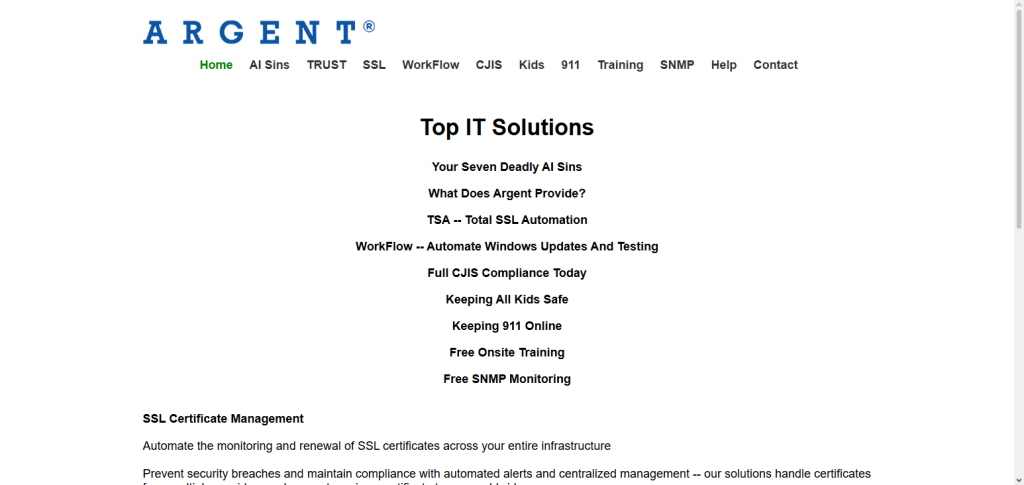
Argent also enables gas sponsorship, meaning users can pay their transaction fees in STRK or have the fees covered by the app. With the ERC-4337 contract accounts, Argent enables features like transactional batching and programmable spending controls.
Argent is focused on providing StarkNet’s power users a wallet that is user intuitive and where recovery is controlled by users’ trusted contacts. Because of the above reasons, Argent is a good example of an account abstraction tool on Web3 DApps in the account abstraction space beyond seed phrases.
Argent Features
- Guardians for social recovery
- Paymaster gasless transactions
- StarkNet integrated smart wallets
- Programmable limits on spending
- ERC-4337 contract accounts
| Pros | Cons |
|---|---|
| Social recovery via guardians | Limited to StarkNet ecosystem |
| Gasless transactions | Smaller user base compared to MetaMask |
| Strong security features | Learning curve for new users |
| Programmable spending limits | Not yet multi-chain |
| ERC‑4337 smart accounts | Reliant on guardian trust |
2. Rainbow Wallet
Rainbow Wallet integrates ERC-4337 smart accounts to make onboarding easy. Users can log in without seed phrases. Passkeys and email or social authentication can log them in. Using Rainbow’s abstraction method, users can perform gasless transactions, and DeFi access is made easy.
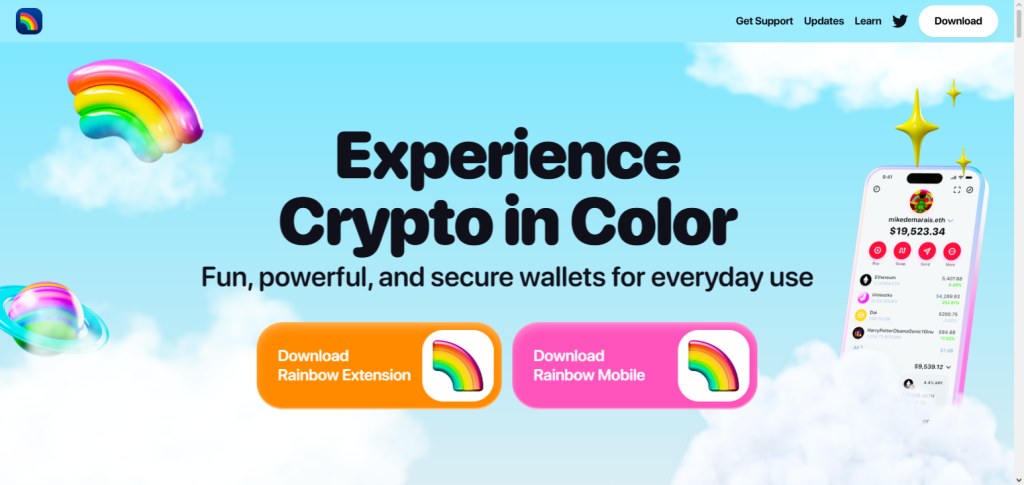
Rainbow Wallet also works great on various EVM chains. By making private keys abstract, it provides an easy way to enter DeFi for a user’s first time. Rainbow Wallet employs a user-friendly design along with self-custody. This makes Rainbow Wallet one of the easiest Web3 DApps to use with account abstraction for not having seed phrases for mainstream use.
Rainbow Wallet Features
- Passkeys/email/social login
- Gasless onboarding
- Multi-chain EVM flexibility
- Beginner friendly interface
- ERC-4337 smart accounts
| Pros | Cons |
|---|---|
| Passkey/email login | Still evolving recovery options |
| Gasless onboarding | Limited advanced DeFi tools |
| Multi-chain EVM support | Less developer extensibility |
| Beginner-friendly UI | Smaller ecosystem integrations |
| ERC‑4337 smart accounts | Less suited for power users |
3. MetaMask Snaps
MetaMask Snaps has introduced ERC-7702 delegated EOAs features to the classic wallet, which allows for a particular form of account abstraction. These EOAs can exist with the properties of smart contracts for a limited time.

This is done using abstraction, which allows some functions to be added to the abstraction itself. This allows session keys, recovery modules, and gas sponsorship to be added seamlessly.
Snaps allows developers to build features to integrate account abstraction without the need for seed phrases. Snaps successfully integrates modern account abstraction with traditional seed phrases, allowing users to use Web3 functions without fully migrating to a new platform.
MetaMask Snaps Features
- Extensible plugins
- Delegated EOAs and smart logic
- Session keys for temporary access
- Custom recovery methods
- Gas sponsorship
| Pros | Cons |
|---|---|
| Extensible plugin framework | Complexity for non-technical users |
| Delegated EOAs with smart logic | Security depends on Snap quality |
| Session keys for temporary access | Still experimental |
| Custom recovery modules | Requires developer adoption |
| Gas sponsorship integration | Not fully mainstream yet |
4. Zerion
Zerion uses ERC-4337 smart accounts to simplify DeFi management. Transaction batching, gas payment in stablecoins, and seedless recoveries are the innovative functions. Multi-chain flexibility is built in to accommodate Ethereum, Polygon, and other EVM chains.
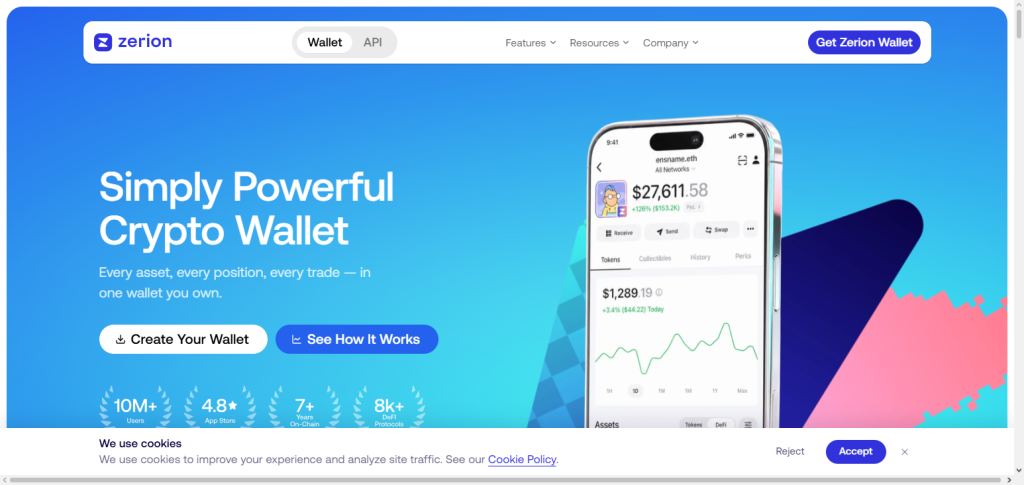
Zerion’s account abstraction is multi-use DeFi abstraction for the swapping, staking, and lending of stable assets. Zerion is a portfolio-centered wallet. It shows how DApps use Web3 features and how account abstraction is designed for DeFi users.
Zerion Features
- Multi-chain DeFi portfolio
- Transaction batching
- Stable gas payments
- ERC-4337 smart accounts
- Easy DeFi access
| Pros | Cons |
|---|---|
| Multi-chain DeFi portfolio | Focused mainly on DeFi |
| Batched transactions | Limited social recovery options |
| Stablecoin gas payments | Less beginner-friendly |
| ERC‑4337 smart accounts | Advanced features may overwhelm |
| Simplified DeFi onboarding | Smaller ecosystem vs MetaMask |
5. Ambire Wallet
Ambire Wallet utilizes smart accounts and combines ERC-4337 technology and email-based login with a seed phrase alternative.
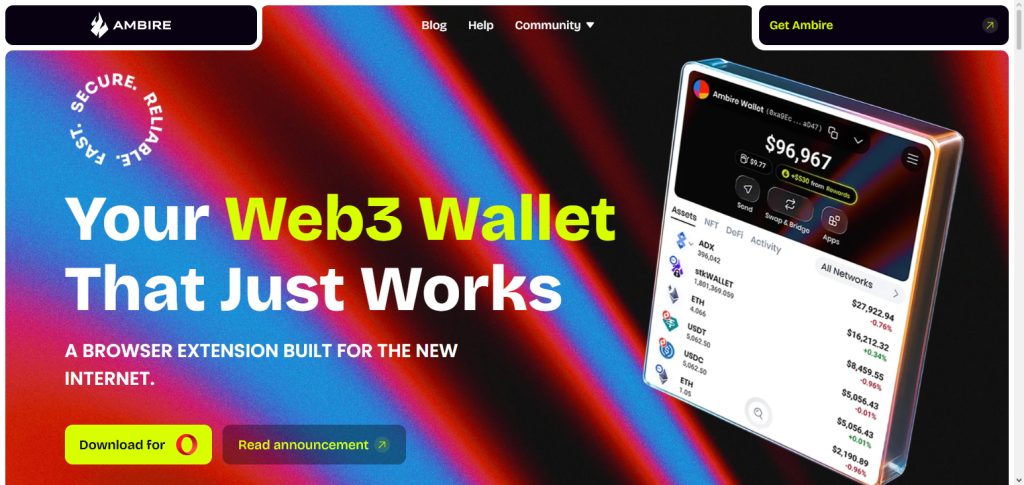
Their abstraction style further supports transaction batching, gas sponsorship, and cross-chain capabilities. Ambire strategically leverages the innovative nature of their product to simplify the recovery process via email and their proprietary guardian mechanisms, making it much easier for the non-technical end-user and offering good self-custody.
Again, focusing on usability and self-custody, this abstraction of private keys showcases how Web3 DApps using account abstraction of this nature, and in this case, a seed phrase alternative, can easily crossover and onboard a large portion of the general audience.
Ambire Wallet Features
- Email onboarding
- Transaction batching
- Gas sponsorship from Paymasters
- Multi-chain EVM
- ERC-4337 smart accounts
| Pros | Cons |
|---|---|
| Email-based login | Email dependency risk |
| Transaction batching | Less adoption than MetaMask |
| Gas sponsorship | Limited ecosystem integrations |
| Multi-chain compatibility | Still growing user base |
| ERC‑4337 smart accounts | Reliant on centralized email recovery |
6. Soul Wallet
Built on ERC-4337 smart accounts, Soul Wallet offers passkey authentication and guardian-based recovery. Due to Soul Wallet’s abstraction method, gasless transactions via paymasters and other EVM chains are possible.
Soul Wallet places flexibility and security at the forefront and allows users to recover accounts via guardian lists and not seed phrases.
For self-custody users, this is a highly favorable wallet and offers modern authentication solutions. Soul Wallet is one of the best examples of Web3 DApps that place account abstraction away from seed phrases and prioritize decentralized recovery.
Soul Wallet Features
- Passkey authentication
- Guardian recovery
- Gasless transactions
- Multi-chain support
- ERC-4337 smart accounts
| Pros | Cons |
|---|---|
| Passkey authentication | Still niche adoption |
| Guardian-based recovery | Requires trusted guardians |
| Gasless transactions | Limited ecosystem integrations |
| Multi-chain support | Less mainstream visibility |
| ERC‑4337 smart accounts | Guardian setup complexity |
7. Lens Protocol
Lens Protocol applies account abstraction in decentralized social networking. Lens’s abstraction method utilizes ERC-4337 smart accounts for identity management.
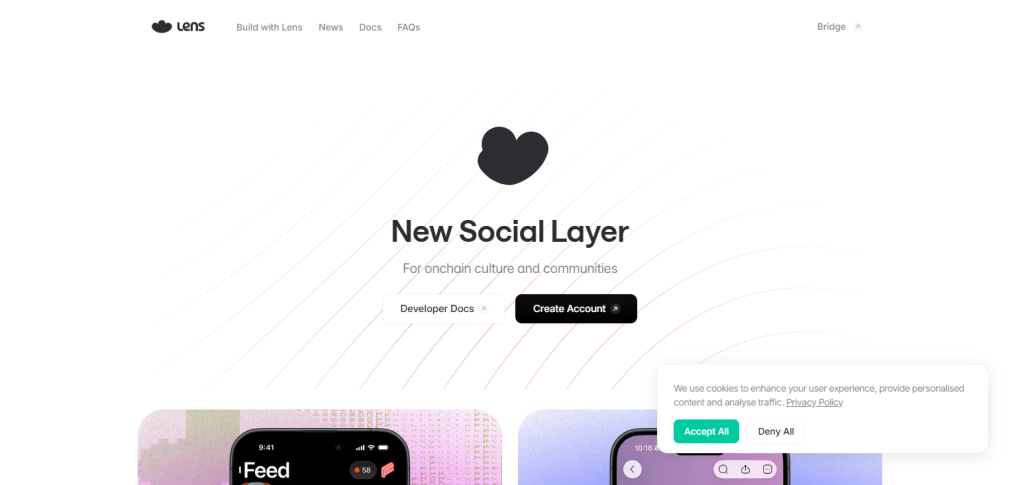
As a result, social networking users own profiles while not having to deal with seed phrases. Recovery and authentication are facilitated by social recovery and passkeys via Lens. Users are able to modify and determine the accessibility, the recovery, and the profit generation of their social graphs.
Through account abstraction, Lens Protocol determines the extent of using account abstraction in Web3 DApps by replacing the use of seed phrases in personalized wallet integration into decentralized social DApps.
Lens Protocol Features
- Decentralized social identity
- ERC-4337 smart account profiles
- Social recovery
- Programmable identity ownership
- Monetize social graphs
| Pros | Cons |
|---|---|
| Decentralized social identity | Still experimental |
| ERC‑4337 smart accounts | Limited mainstream adoption |
| Social recovery | Complex onboarding for non-crypto users |
| Programmable identity ownership | Smaller ecosystem vs DeFi |
| Monetization of social graph | Early-stage protocol |
8. Aave AA
Aave’s lending protocol uses account abstraction for gasless deposits, withdrawals, and borrowing. The abstraction method applies ERC-4337 smart accounts for easier DeFi access. Users recover their accounts from guardians rather than seed phrases.
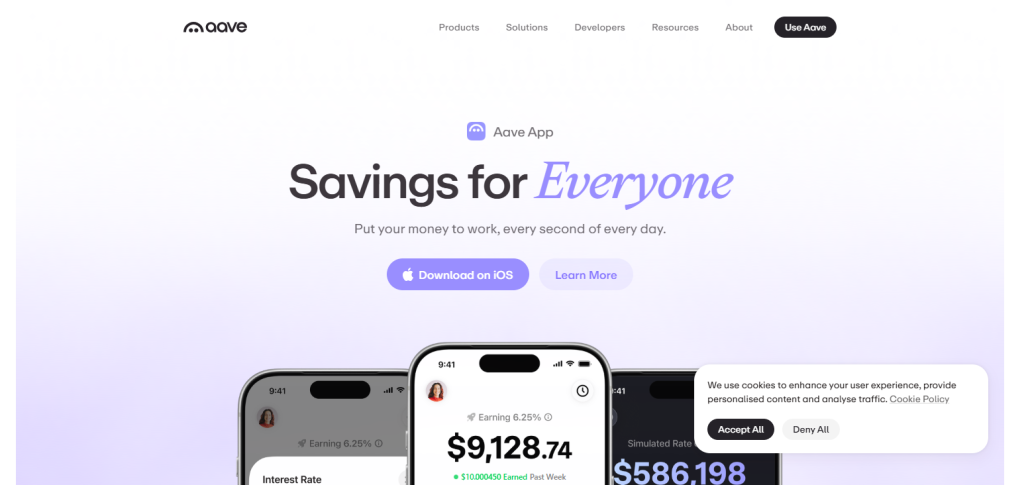
For this reason, lending is now safer and more user-friendly. Aave AA enables the batching of multi-step transactions, further simplifying the implementation of complex DeFi functions.
Because of this, Aave AA is considered one of the most innovative DApps in the Web3 space, especially in relation to the use of account abstraction and seed phrases in DeFi.
Aave AA
- Gasless deposits and borrowing
- Guardians for recovery instead of seed phrases
- ERC-4337 smart accounts
- Batched DeFi transactions
- Improved lending experience
| Pros | Cons |
|---|---|
| Gasless deposits/borrowing | Limited to Aave ecosystem |
| Guardian recovery | Requires trusted recovery setup |
| ERC‑4337 smart accounts | Complexity for beginners |
| Batched DeFi transactions | Advanced features may overwhelm |
| Enhanced lending UX | Still early adoption |
9. Balancer AA
Balancer AA uses ERC-4337 smart accounts to make liquidity management easier. Their abstraction method includes gas sponsorship and programmable portfolio strategies, and removes the need to recall seed phrases.
With Balancer AA, users can batch liquidity transactions and pay transaction costs with stablecoins. Balancer AA shows that account abstraction can go beyond wallets in DeFi, and shows the flexibility of Web3 DApps using account abstraction beyond needing seed phrases.
Balancer AA Features
- Automated liquidity
- Gas sponsorship
- ERC-4337 smart accounts
- Programmable portfolio strategies
- Batching for liquidity
| Pros | Cons |
|---|---|
| Automated liquidity management | Limited to liquidity use cases |
| Gas sponsorship | Smaller user base |
| ERC‑4337 smart accounts | Complexity for non-DeFi users |
| Programmable portfolio strategies | Requires advanced knowledge |
| Batched liquidity operations | Still niche adoption |
10. Immutable Passport
Immutable Passport is a Web3 gaming identity solution that leverages account abstraction to allow passwordless user onboarding.
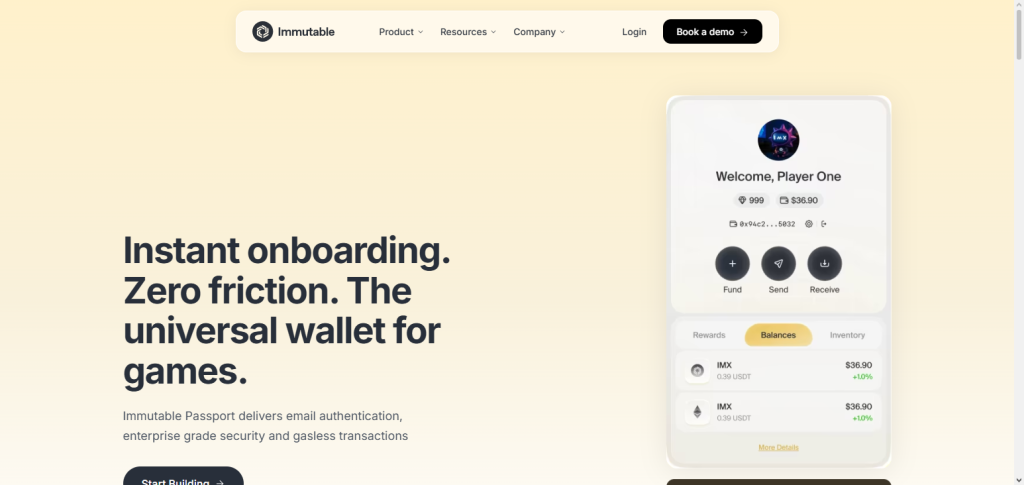
This abstraction method integrates ERC-4337 smart accounts, taught with email/social login and passkeys, completely bypassing the need for seed phrases. This empowers gamers to transfer their identity, assets, and achievements across games.
For mainstream users, recovery is done through email or guardians. This showcases that Web3 DApps built with account abstraction beyond the seed phrases can seamlessly blend the decentralized ownership with the usability to disrupt the gaming industry.
Immutable Passport Features
- Passwordless onboarding via email/social
- ERC‑4337 smart accounts for gaming identity
- Guardian or email recovery
- Cross‑game asset portability
- Secure decentralized gamer profiles
| Pros | Cons |
|---|---|
| Passwordless onboarding | Reliant on email/social login |
| ERC‑4337 smart accounts | Limited to Immutable ecosystem |
| Guardian/email recovery | Centralized recovery risk |
| Cross-game asset portability | Still early-stage adoption |
| Secure gamer profiles | Focused mainly on gaming |
Conclusion
Account abstraction, aided by smart contract wallets, passkeys, social recovery, gas sponsorship, and other models, is revolutionizing Web3 by removing the need for unreliable seed phrases.
Argent, Rainbow Wallet, and Immutable Passport are just a few examples of DApps that have proven that usability, security, and accessibility can be harmonized in decentralized frameworks. These DApps can easily be used by the general public to get involved in DeFi, gaming, social protocols, etc. because they have made accessing private keys much easier.
Web3 DApps implementing account abstraction (beyond seed phrases) are critical to the widespread acceptance of decentralized applications. These DApps are the first of their kind to combine groundbreaking technological advances with easy-to-use interfaces.
FAQ
What is account abstraction?
Account abstraction allows wallets to function as programmable smart contracts, replacing seed phrases with flexible authentication methods like passkeys, guardians, or social logins.
Why move beyond seed phrases?
Seed phrases are hard to secure and easy to lose. Account abstraction improves usability, recovery, and security by offering modern login methods without compromising decentralization.
Which DApps use account abstraction?
Leading examples include Argent, Rainbow Wallet, MetaMask Snaps, Zerion, Ambire Wallet, Soul Wallet, Lens Protocol, Aave AA, Balancer AA, and Immutable Passport.
How does recovery work without seed phrases?
Recovery is handled via social guardians, email verification, passkeys, or multi-factor authentication, ensuring users can regain access without memorizing seed phrases.
Which networks support account abstraction?
Most implementations use ERC-4337 smart accounts across Ethereum and EVM-compatible chains, while some wallets like Argent focus on StarkNet.