


This article covers Liquid Restaking Protocols to Reduce Slashing Risks. This article will examine how these protocols contribute to the safety and flexibility of Ethereum staking while also providing extra value to stakers.
- What is Liquid Restaking Protocols?
- Benefits Of Liquid Restaking Protocols to Reduce Slashing Risks
- Enhanced Security for Validators
- Network Risk Distribution
- Optimal Use of Capital
- Reduced Risk of Management
- Professional Validator Services
- Automated Validator Oversight
- Greater Ethereum Security
- Liquid Assets
- Stacking Rewards
- Restaking Security
- Key Point & Liquid Restaking Protocols to Reduce Slashing Risks
- 1. EigenLayer
- Why EigenLayer Matters
- 2. Symbiotic
- Why Symbiotic Matters
- 3. ether.fi
- Why ether.fi Matters
- 4. Kelp DAO
- Why Kelp DAO Matters
- 5. Puffer Finance
- Why Puffer Finance Matters
- 6. Swell
- Why Swell Matters
- 7. Eigenpie
- Why Eigenpie Matters
- 8. Mantle Restaking
- Why Mantle Restaking Matters
- 9. Ankr Restaking
- Why Ankr Restaking Matters
- 10. Rocket Pool Restaking
- Why Rocket Pool Restaking Matters
- Comparison Table: Liquid Restaking Protocols to Reduce Slashing Risks
- Conclusion
- FAQ
We will look at the leading protocols such as EigenLayer, symbiotic, ether.fi, Kelp DAO, and more, while also describing the ways these DeFi protocols create value and address the slashing risk for validators.
What is Liquid Restaking Protocols?
Liquid Restaking Protocols are decentralized staking solutions that make the staker’s capital remain liquid through a tokenized representation. Traditionally, the user’s capital is staked and remains locked until the staking term is over.
Liquid Restaking Tokens (LRTs) allow users to complete staking and restaking operations while using the tokens to interact across the DeFi ecosystem.
Liquid Restaking Protocols allow staked assets to back numerous services across blockchains, including Actively Validated Services (AVSs), and enhance capital efficiency. Liquid Restaking Protocols also stem the slashing risks of blockchain validation through built-in security and diversified validators.
Benefits Of Liquid Restaking Protocols to Reduce Slashing Risks
Enhanced Security for Validators
The combination of decentralized infrastructure, cutting-edge design, and a professional validator network allows Liquid Restaking Protocols to provide improved validator security. Slashing risks associated with errant or inactive validators are dramatically reduced with the tools and systems provided by Liquid Restaking Protocols.
Network Risk Distribution
From the perspective of slashing, restaking liquid capital allows distributed networks to combine their security. This stands in contrast to relying on a single validator setup. Using multiple networks to provide security reduces risk exposure for all networks.
Optimal Use of Capital
Liquid restaking provides stakers with a mechanism to continue using their Liquid Restaking Tokens (LRTs) while still earning staking rewards. Liquid Restaking Tokens allow users to continue providing capital for decentralized finance use as a part of lending and liquidity without locking away staked capital.
Reduced Risk of Management
The need to manage staking infrastructure is eliminated for users of Liquid Restaking Protocols. Liquid Restaking Protocols manage their own Validators which reduces the risk of slashing due to lack of Validator management.
Professional Validator Services
Liquid Restaking Protocols partner with professional Validators who utilize high quality infrastructure. Restaking liquid capital to slashing susceptible networks is a safe practice with professional Validators.
Automated Validator Oversight
Liquid Restaking Protocols utilize automated tools to manage oversight of Validators. Security concerns and slashing risks are mitigated through automated oversight of Validators.
Greater Ethereum Security
These protocols reinforce Ethereum’s shared security model by inviting even more users to take part in restaking. A larger group of more dispersed validators means more resilience to centralization.
Liquid Assets
Liquid Restaking Tokens allow users to stake and restake without losing liquidity. The need to withdraw assets during fluctuations is reduced, and users have more control over their investment strategies.
Stacking Rewards
With Liquid Restaking, users can earn both Ethereum staking rewards and additional restaking rewards from other service offerings. Compared to traditional staking, this gives a better use of capital.
Restaking Security
Liquid Restaking Protocols allow multiple validators and operators to secure a blockchain. This helps create safer staking environments and reduces the reliance on centralized service offerings.
Key Point & Liquid Restaking Protocols to Reduce Slashing Risks
| Liquid Restaking Protocol | Key Points | Main Features | Best For |
|---|---|---|---|
| EigenLayer | • Pioneer of Ethereum restaking• Allows ETH and Liquid Staking Tokens (LSTs) to secure external services• Creates shared security for AVSs (Actively Validated Services)• Improves staking utility beyond Ethereum validation• Supports multiple restaking strategies | Restaking marketplace, AVS security, ETH/LST support, modular blockchain security | Users seeking maximum restaking opportunities |
| Symbiotic | • Permissionless restaking protocol• Enables flexible collateral choices• Supports customizable security networks• Reduces dependency on single staking providers• Provides modular restaking infrastructure | Multi-asset restaking, vault-based security, flexible slashing rules | Developers and protocols building custom security systems |
| ether.fi | • Non-custodial liquid restaking platform• Offers eETH liquid restaking token• Allows users to maintain ETH liquidity while earning rewards• Focuses on decentralized validator operations• Provides DeFi integration opportunities | eETH token, EigenLayer integration, staking rewards, DeFi utility | ETH holders wanting liquidity and restaking income |
| Kelp DAO | • Liquid restaking protocol built around Ethereum staking• Offers rsETH token for liquidity• Enables ETH restaking without locking assets• Provides access to DeFi strategies• Simplifies restaking participation | rsETH, LST/LRT support, DeFi integrations, automated restaking | Users seeking easy liquid restaking exposure |
| Puffer Finance | • Ethereum-native liquid restaking protocol• Uses Secure-Signer technology for validator safety• Reduces risks for solo stakers• Provides pufETH liquid restaking token• Focuses on decentralized validator participation | pufETH, anti-slashing technology, EigenLayer support, validator tools | Solo stakers and security-focused users |
| Swell | • Liquid staking and restaking ecosystem• Provides swETH and rswETH tokens• Enables ETH yield generation with liquidity• Integrates with DeFi applications• Offers simplified restaking access | Liquid staking, LRTs, DeFi yield strategies, restaking rewards | DeFi users looking for flexible ETH yields |
| Eigenpie | • Isolated liquid restaking platform built on EigenLayer• Allows users to create separate LRT positions• Provides diversification across restaking services• Offers better risk management• Supports multiple liquid staking assets | Isolated restaking, LRT management, DeFi integrations, EigenLayer ecosystem | Users wanting customized restaking exposure |
| Mantle Restaking | • Restaking ecosystem connected with Mantle Network• Uses ETH-based liquid staking solutions• Expands ETH utility across DeFi applications• Provides additional yield opportunities• Supports ecosystem growth through restaking | mETH, liquid staking, DeFi integration, ecosystem rewards | Mantle ecosystem participants and ETH stakers |
| Ankr Restaking | • Provides infrastructure-driven staking solutions• Supports liquid staking and restaking services• Offers decentralized validator access• Helps developers integrate staking features• Focuses on blockchain infrastructure scalability | Liquid staking tokens, RPC infrastructure, validator services, Web3 tools | Developers and institutional staking users |
| Rocket Pool Restaking | • Decentralized Ethereum staking protocol• Offers rETH liquid staking token• Enables ETH staking with lower barriers• Supports community-operated validators• Can integrate with restaking ecosystems | rETH, decentralized validators, ETH staking, node operator model | Users prioritizing decentralization and Ethereum security |
1. EigenLayer
Restaking protocols on Ethereum allow restakers to provide security to other systems that need it. EigenLayer is at the forefront of these protocols, and in Liquid Restaking Protocols to Reduce Slashing Risks, we see that they offer users the chance to restake E (ethereum) and Liquid Staking Tokens without the incentive to earn on those tokens being lost.
EigenLayer implements Actively Validated Services (AVS), which allow other networks to use Ethereum’s validators for security, making the need for self-validators redundant. EigenLayer also takes on some operational risks by spreading security across multiple offerings and increasing the efficacy of its validators.
However, restakers need to do their due diligence to understand the risks of AVS because restaking for AVS will cause slashing risks to add on top of those that are already present when staking on Ethereum.
Why EigenLayer Matters
| Key Factor | Detailed Explanation |
|---|---|
| Ethereum Shared Security | EigenLayer matters because it allows external blockchain services to use Ethereum’s existing validator security instead of creating their own security systems. This improves scalability and reduces infrastructure costs for new protocols. |
| Additional Staking Rewards | EigenLayer enables ETH stakers to earn extra rewards by restaking their assets to secure multiple services, creating more utility from already staked ETH. |
| Reduced Validator Risks | The protocol introduces mechanisms that help distribute security responsibilities, reducing dependency on individual validators and lowering operational risks. |
| Growth of AVSs | EigenLayer supports Actively Validated Services (AVSs), allowing developers to build decentralized applications with Ethereum-level security. |
| DeFi Innovation | By enabling liquid restaking and new yield opportunities, EigenLayer expands possibilities for DeFi applications and blockchain ecosystems. |
2. Symbiotic
Symbiotic is a permissionless restaking protocol that flexible security can be built from. In Liquid Restaking Protocols to Reduce Slashing Risks, Symbiotic provides a restaking environment in which protocols have the autonomy to choose the collateral assets, operators, and slashing of their choice.
Through the use of modular restaking, Symbiotic allows users to alter their staking systems throughout FlexSecurity. Symbiotic aims to mitigate concentrated risk by offering fully flexible architecture systems in which decentralized applications can be built.
Why Symbiotic Matters
| Key Factor | Detailed Explanation |
|---|---|
| Flexible Restaking Infrastructure | Symbiotic matters because it provides a permissionless restaking framework where protocols can customize security models based on their requirements. |
| Multi-Asset Support | Unlike limited staking systems, Symbiotic supports different collateral types, allowing users and networks to create diversified security strategies. |
| Custom Slashing Design | The protocol enables networks to define their own slashing conditions, improving risk management and reducing unnecessary penalties. |
| Decentralized Security Access | Symbiotic allows smaller blockchain projects to access shared economic security without building expensive validator networks. |
| Modular Architecture | Its flexible design supports future blockchain innovations by allowing developers to create customized restaking solutions. |
3. ether.fi
ether.fi calls itself a decentralized liquid restaking protocol. It was made to give Ethereum holders the ability to stake and restake without losing liquidity. In the Liquid Restaking Protocols to Reduce Slashing Risks section, ether.fi offers the eETH liquid restaking token. The eETH token is staked ETH that can be used in DeFi.
Unlike many staking protocols, ether.fi retains a non-custodial method, meaning users keep possession of their assets during staking. Through its partnership with EigenLayer, ether.fi improves decentralization of validators and non-custodial yield farming.
The operational complexity and rigidity of traditional restaking is mitigated through ether.fi’s staking model, its transparent validator delegation, and management of risks.
Why ether.fi Matters
| Key Factor | Detailed Explanation |
|---|---|
| Non-Custodial Liquid Restaking | ether.fi matters because users maintain control of their ETH while participating in liquid restaking, reducing dependency on centralized staking providers. |
| eETH Liquid Token | The eETH token allows users to keep liquidity while earning staking and restaking rewards across DeFi platforms. |
| Improved Capital Efficiency | ether.fi allows staked ETH to remain productive instead of being locked, increasing opportunities for users. |
| Validator Decentralization | The protocol supports decentralized validator operations, helping improve Ethereum network resilience. |
| DeFi Integration | ether.fi connects restaking with DeFi applications, enabling lending, liquidity, and yield strategies. |
4. Kelp DAO
Kelp DAO is another liquid restaking protocol with the goal of simplifying restaking in Ethereum. Kelp DAO offers the rsETH liquid restaking token. In the Liquid Restaking Protocols to Reduce Slashing Risks section,
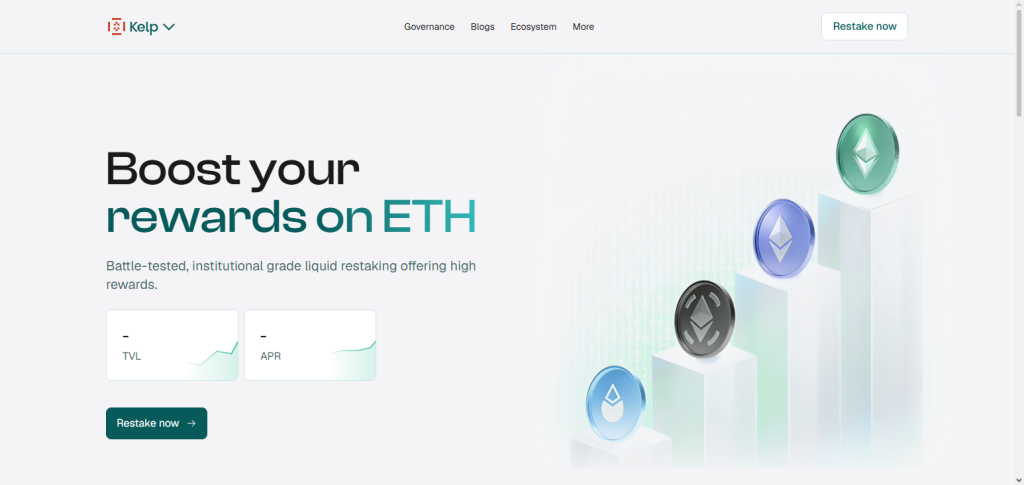
Kelp DAO allows users to deposit in ETH and Liquid Staking Tokens while liquid assets are on hand for DeFi operations. Kelp DAO restaking seeks to disrupt the challenges of locked staking by providing liquidity of the stake along with yield opportunities.
Kelp DAO’s focus on restaking offers the user a more integrated and flexible means of exposure and yield from Ethereum restaking without user-managed validator operations. This is accomplished through the integration of EigenLayer.
Why Kelp DAO Matters
| Key Factor | Detailed Explanation |
|---|---|
| Simplified Restaking Access | Kelp DAO makes Ethereum restaking easier by allowing users to participate without managing complex validator operations. |
| rsETH Liquid Restaking Token | The rsETH token provides liquidity for staked assets, allowing users to access DeFi opportunities while earning rewards. |
| Better Risk Management | Kelp DAO helps diversify restaking exposure by connecting users with multiple staking and restaking strategies. |
| Higher Capital Efficiency | Users can use their liquid restaking tokens across different DeFi platforms instead of keeping assets locked. |
| User-Friendly Experience | The protocol reduces technical barriers, making restaking accessible to a wider range of Ethereum users. |
5. Puffer Finance
Puffer Finance is a liquid restaking protocol that is Ethereum-native and focused on improving Slashing Protection. In the category of Liquid Restaking Protocols to Reduce Slashing Risks,

Puffer Finance is pioneering technologies such as Secure-Signer, which eliminate the possibility of human error leading to slashing and of direct loss to users. Puffer Finance allows users to stake ETH and mint pufETH, a liquid restaking token that keeps users staked and provides DeFi exposure.
Puffer Finance combines decentralized validator participation and EigenLayer and allows users to earn even more. It is rapidly growing and optimizing the restaking market as it is focused on eliminating the risk of validator error.
Why Puffer Finance Matters
| Key Factor | Detailed Explanation |
|---|---|
| Slashing Risk Reduction | Puffer Finance matters because it focuses on reducing validator mistakes through advanced security technologies like Secure-Signer. |
| pufETH Token Utility | The pufETH liquid restaking token allows users to earn rewards while maintaining liquidity. |
| Solo Staker Support | Puffer helps individual validators participate by lowering technical requirements and improving security. |
| Ethereum Decentralization | The protocol encourages more distributed validator participation, reducing centralization risks. |
| EigenLayer Integration | Puffer expands Ethereum restaking opportunities by connecting users with EigenLayer-based services. |
6. Swell
Swell is a liquid staking and restaking ecosystem that provides Ethereum users with flexible assets to earn rewards. Found in Liquid Restaking Protocols to Reduce Slashing Risks, Swell rests users with tokens such as swETH and rswETH, which allows users to serve both the Ethereum stake and the DeFi flow at the same time.

The protocol is focused on ease of use and provides the user with the benefits of staking while eliminating the need to run an infrastructure of your own validators or manage your own staking. Swell makes use of decentralized support of validators and liquid assets management to optimize user access to restaking while maintaining a level of active risk.
Why Swell Matters
| Key Factor | Detailed Explanation |
|---|---|
| Liquid Staking Innovation | Swell matters because it combines Ethereum staking with liquid assets, allowing users to earn rewards without losing flexibility. |
| swETH and rswETH Tokens | These tokens allow users to maintain liquidity while participating in staking and restaking ecosystems. |
| DeFi Expansion | Swell connects staking assets with DeFi applications, increasing the usefulness of ETH holdings. |
| Simplified Participation | Users can access restaking opportunities without managing validators or complex infrastructure. |
| Future Ethereum Growth | Swell supports broader adoption of liquid staking and restaking technologies across blockchain ecosystems. |
7. Eigenpie
Eigenpie is a liquid restaking protocol situated within the EigenLayer ecosystem. Eigenpie is one of the Liquid Restaking Protocols to Reduce Slashing Risks. Eigenpie permits the separation of distinct restaking positions, thereby helping users manage exposure to multiple services.
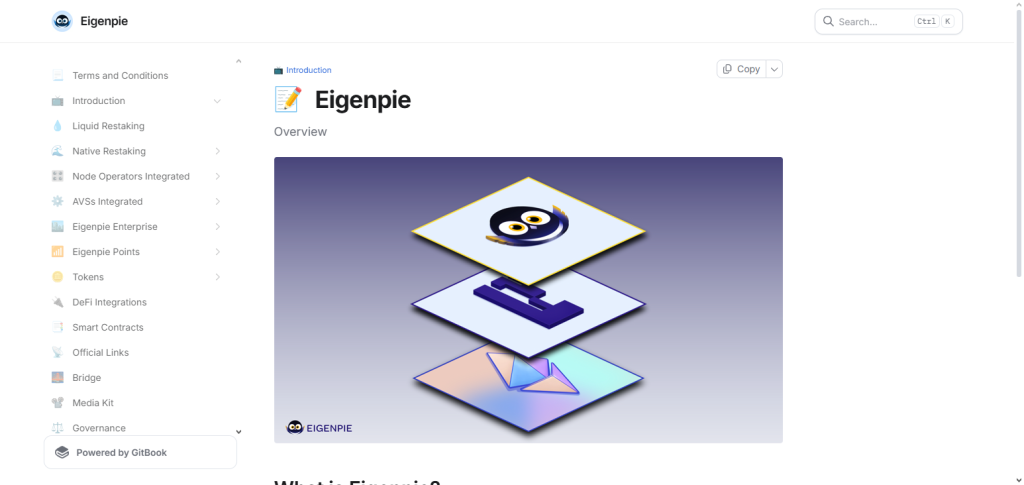
Eigenpie aims to manage risk by creating specialized restaking pools, as opposed to users combining restaking resources into a single exposure model. Eigenpie claims, by using its protocol, that users can mitigate risks and earn additional rewards by participating in Ethereum security restaking.
Why Eigenpie Matters
| Key Factor | Detailed Explanation |
|---|---|
| Isolated Restaking Strategies | Eigenpie matters because it allows users to manage separate restaking positions, helping reduce concentrated risks. |
| EigenLayer Ecosystem Growth | The protocol expands EigenLayer adoption by providing additional liquid restaking options. |
| Risk Diversification | Users can select different restaking strategies instead of relying on a single security model. |
| LRT Innovation | Eigenpie improves the usefulness of Liquid Restaking Tokens by connecting them with DeFi opportunities. |
| Flexible Asset Management | The platform gives users more control over how their assets participate in restaking networks. |
8. Mantle Restaking
Mantle Restaking is a restaking protocol designed to integrate both liquid staking and DeFi and boost the overall utility of ETH. Mantle Restaking is another of the Liquid Restaking Protocols to Reduce Slashing Risks. Mantle Restaking provides users the ability to stake ETH while also maintaining liquidity via their mETH token.
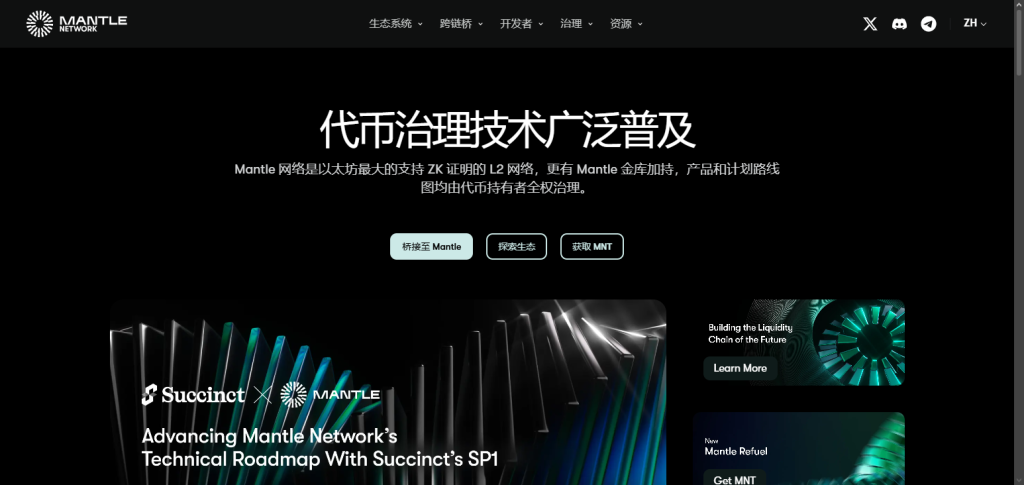
Mantle Restaking is a liquid staking protocol and offers users the opportunity to partake in the rest of the Mantle DeFi ecosystem while providing the security of staking on the Ethereum blockchain.
Why Mantle Restaking Matters
| Key Factor | Detailed Explanation |
|---|---|
| ETH Utility Expansion | Mantle Restaking matters because it increases the usefulness of ETH by connecting staking rewards with additional DeFi opportunities. |
| mETH Ecosystem | The mETH liquid staking token allows users to maintain liquidity while earning staking benefits. |
| DeFi Integration | Mantle connects restaking with decentralized applications, improving capital efficiency. |
| Ecosystem Development | Restaking helps strengthen the Mantle ecosystem by attracting users and developers. |
| Flexible Yield Opportunities | Users can access additional earning strategies without completely locking their assets. |
9. Ankr Restaking
Ankr Restaking offers blockchain infrastructure and staking solutions to users and developers who want access to decentralized staking. In Liquid Restaking Protocols to Reduce Slashing Risks, Ankr discusses the ways they strive to make staking easier with liquid staking services, integrated validator infrastructure, and Web3 dev tools.
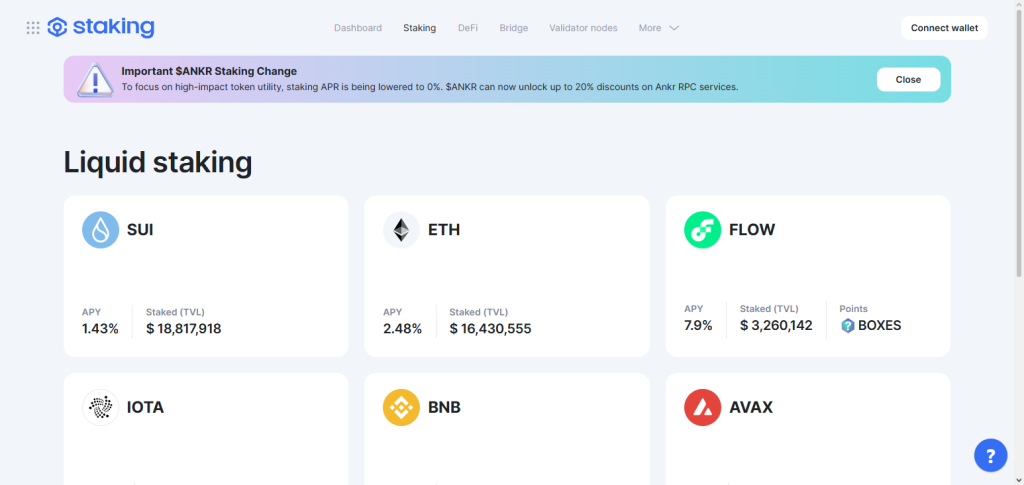
The platform supports users of all blockchain networks by providing trustworthy node operations and staking solutions. Ankr’s infrastructure helps users avoid the more technical issues associated with managing a validator and minimizes the risks stemming from operational oversight.
With liquid staking, users retain the ability to use their assets for other purposes while still earning staking rewards. The mix of infrastructure and staking services is useful to both end users as well as blockchain developers.
Why Ankr Restaking Matters
| Key Factor | Detailed Explanation |
|---|---|
| Blockchain Infrastructure Support | Ankr matters because it provides reliable staking infrastructure, node services, and Web3 tools for developers. |
| Simplified Staking Access | The platform reduces technical complexity, allowing more users to participate in blockchain staking. |
| Validator Reliability | Ankr’s infrastructure helps reduce operational failures that may lead to staking penalties. |
| Developer Solutions | Ankr provides tools that help blockchain projects integrate staking and Web3 functionality. |
| Multi-Chain Support | The platform supports multiple blockchain networks, expanding staking accessibility. |
10. Rocket Pool Restaking
Rocket Pool is one the oldest of Ethereum’s decentralized staking protocols, giving users a non-custodial option for staking ETH by means of their rETH liquid staking token. In Liquid Restaking Protocols to Reduce Slashing Risks, Rocket Pool provides users with the ability to earn staking rewards while keeping their assets liquid and participating in DeFi.
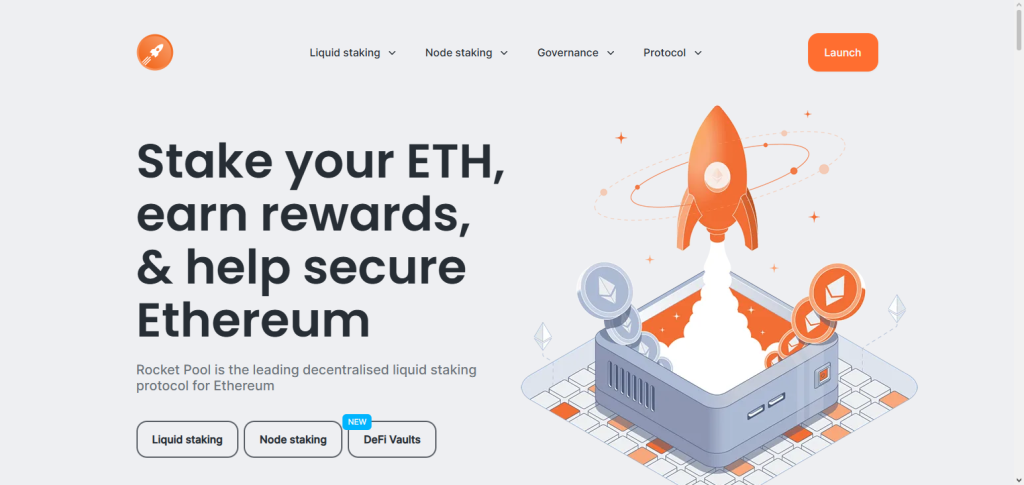
The protocol employs a decentralized node operator model, and as a result, the protocol has decreased reliance on central validators. The community-based validator system of Rocket Pool strengthens the network’s overall safety and helps evenly distribute staking. Flexible liquid staking within a decentralized framework offers safety to users of Rocket Pool for Ethereum staking and possible restaking.
Why Rocket Pool Restaking Matters
| Key Factor | Detailed Explanation |
|---|---|
| Ethereum Decentralization | Rocket Pool matters because it uses a decentralized node operator model, reducing dependence on large staking providers. |
| rETH Liquid Token | The rETH token allows users to stake ETH while maintaining liquidity for DeFi activities. |
| Lower Entry Barriers | Rocket Pool enables smaller participants to operate validators with reduced ETH requirements. |
| Network Security | Its decentralized approach strengthens Ethereum’s overall security and resilience. |
| Long-Term Staking Growth | Rocket Pool supports sustainable Ethereum staking by promoting community-driven validator participation. |
Comparison Table: Liquid Restaking Protocols to Reduce Slashing Risks
| Protocol | Liquid Restaking Token | Main Purpose | Slashing Risk Reduction Features | Key Benefits |
|---|---|---|---|---|
| EigenLayer | Various LSTs (Liquid Staking Tokens) | Provides shared Ethereum security to Actively Validated Services (AVSs) | Shared security model, validator monitoring, diversified AVS participation | Enables additional rewards, expands Ethereum security, supports blockchain innovation |
| Symbiotic | Custom LRT solutions | Permissionless restaking infrastructure for different networks | Flexible slashing rules, customizable security settings, multi-asset collateral support | Better risk control, modular security, supports multiple blockchain projects |
| ether.fi | eETH | Non-custodial liquid restaking for Ethereum users | Decentralized validator operations, user-controlled staking, professional validator management | Maintains liquidity, earns restaking rewards, improves decentralization |
| Kelp DAO | rsETH | Simplifies liquid restaking participation | Diversified asset strategies, automated restaking management, validator risk distribution | Easy restaking access, DeFi integration, improved capital efficiency |
| Puffer Finance | pufETH | Secure Ethereum liquid restaking with validator protection | Secure-Signer technology, validator safety tools, reduced operational mistakes | Lower slashing risks, supports solo stakers, EigenLayer integration |
| Swell | swETH / rswETH | Combines liquid staking with restaking opportunities | Decentralized validator support, risk-managed staking infrastructure | Flexible ETH usage, DeFi compatibility, additional yield opportunities |
| Eigenpie | LRT-based assets | Provides isolated liquid restaking strategies | Risk separation, diversified restaking pools, exposure management | Better portfolio control, EigenLayer ecosystem access, flexible strategies |
| Mantle Restaking | mETH | Expands ETH staking utility through Mantle ecosystem | Liquid staking design, ecosystem-based security, reduced locking risks | Higher ETH utility, DeFi integration, flexible yield options |
| Ankr Restaking | Liquid staking assets | Provides staking infrastructure and Web3 solutions | Reliable validator infrastructure, node monitoring, professional operations | Developer-friendly tools, multi-chain support, simplified staking |
| Rocket Pool Restaking | rETH | Decentralized Ethereum staking ecosystem | Community validator model, distributed node operators, reduced centralization | Strong decentralization, ETH liquidity, lower dependency on large validators |
Quick Comparison Summary
| Category | Best Protocols |
|---|---|
| Best for Ethereum Shared Security | EigenLayer |
| Best Flexible Restaking Framework | Symbiotic |
| Best Non-Custodial Restaking | ether.fi |
| Best Beginner-Friendly Restaking | Kelp DAO |
| Best for Reducing Validator Errors | Puffer Finance |
| Best Liquid Staking + Restaking Combination | Swell |
| Best Risk-Isolated Restaking | Eigenpie |
| Best Ecosystem-Based Restaking | Mantle Restaking |
| Best Infrastructure Support | Ankr Restaking |
| Best Decentralized Ethereum Staking | Rocket Pool Restaking |
Conclusion
Liquid restaking protocols greatly enhance Ethereum staking by letting users make more rewards and implement better risk management.
These innovative protocols by platforms like EigenLayer, ether.fi, Kelp DAO, Puffer Finance, and Rocket Pool strike a balance between operational ease and validator security.
While restaking introduces a new variety of protocols, users must thoroughly assess the tradeoffs of protocol risks, slashing, and security mechanisms/user exit. These protocols are likely to augment the flexibility, efficiency, and safety of blockchain security architecture in the DeFi ecosystem.
FAQ
What are Liquid Restaking Protocols?
Liquid Restaking Protocols allow users to stake their crypto assets while receiving liquid tokens that represent their staked positions. These tokens can be used in DeFi applications while users continue earning staking and restaking rewards.
How do Liquid Restaking Protocols reduce slashing risks?
Liquid Restaking Protocols reduce slashing risks by using decentralized validator networks, improved monitoring systems, automated security tools, and diversified staking strategies. These features help minimize validator mistakes that can lead to penalties.
What is slashing in Ethereum staking?
Slashing is a penalty mechanism where validators lose a portion of their staked ETH for harmful actions, downtime, or protocol violations. It protects blockchain networks by encouraging honest validator behavior.
Is liquid restaking safer than traditional staking?
Liquid restaking provides more flexibility and better capital efficiency than traditional staking, but it may introduce additional risks because assets can be exposed to multiple networks and services. Users should review protocol security before participating.
Which are the best Liquid Restaking Protocols in 2026?
Popular Liquid Restaking Protocols include EigenLayer, Symbiotic, ether.fi, Kelp DAO, Puffer Finance, Swell, Eigenpie, Mantle Restaking, Ankr Restaking, and Rocket Pool Restaking.