
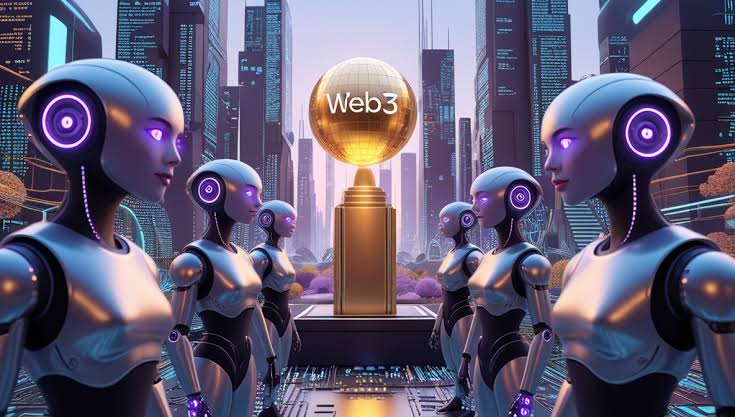

In this article, I will talk about the Best Web3 Games Using AI NPCs and AI Agents. Best Web3 Games Using AI NPCs and AI Agents. We will explore their AI capabilities, agent autonomy, impact on gameplay, blockchain integration, key features, current status, advantages, and limitations to help you understand which projects are shaping the future of AI-powered Web3 gaming.
- Why Choose Web3 Games Using AI NPCs and AI Agents
- Key Points
- 1. Parallel Colony
- Parallel Colony Features
- 2. Parallel TCG
- Parallel TCG Features
- 3. AI Arena
- The AI Arena Features
- 4. Nifty Island
- Nifty Island Features
- 5. The Sandbox
- The Sandbox Features
- 6. Decentraland
- Decentraland (Mana) Features
- 7. Altered State Machine (ASM) Games
- Altered State Machine (ASM) Games Features
- 8. AIFA World
- AIFA World Championship Features
- 9. Delysium
- Delysium Features
- 10. Sleepless AI
- Sleepless AI Features
- Conclusion
- FAQ
Why Choose Web3 Games Using AI NPCs and AI Agents
More Dynamic Gameplay: AI NPCs can respond to player actions, changing circumstances and in-game events rather than being totally fixed in scripts.
Enhanced Character Intelligence: AI agents can act, communicate with players, and do things on their own, helping game worlds feel more alive.
Tailored Player Interaction: AI is able to tailor conversations, quests, challenges, and character behavior to the interaction of each player.
**Player-Owned Digital Assets: ** Blockchain can be used to provide proof of ownership for physical assets such as NFTs, characters, cards, land, equipment and other digital goods.
Independent Game Characters: AI agents may be able to perform actions without the player needing to control them constantly. This would allow for new gameplay mechanics surrounding autonomous digital characters.
AI-Driven Game Economies: Autonomous agents can trade, manage resources, work in marketplaces and otherwise engage in economic activities according to the rules of the game.
Persistent Digital Identity: Blockchain can help to connect characters, assets and player identities across Web3 ecosystems where interoperability is enabled.
Less Predictable Worlds: The AI characters can now make different decisions based on the situation, resulting in encounters that feel less repetitive than traditional scripted NPCs.
New Strategic Possibilities: Players may need to train, manage, negotiate with or compete against AI agents, adding strategic dimensions to the game itself.
Creator Innovation: AI and Web3 provide developers and creators with new tools to build interactive characters, autonomous systems, user-generated worlds and player-owned experiences.
Game Models Change: AI autonomy combined with blockchain ownership is leading to new ways for digital collectibles, virtual economies, and interactive entertainment.
Much better long-term potential As AI agents become more capable, Web3 games may eventually evolve from static digital worlds to worlds populated with persistent, intelligent and economically active characters.
Key Points
| Game | AI NPCs / AI Agents Feature | Blockchain Ecosystem |
|---|---|---|
| Parallel Colony | One of the first Web3 games built around autonomous AI agents that can interact, make decisions, manage resources, and participate in the in-game economy. | Solana / Echelon Prime |
| Parallel TCG | Expanding AI-powered gameplay through the broader Parallel ecosystem and Wayfinder agent infrastructure. | Ethereum / Echelon Prime |
| AI Arena | Players train AI-powered NFT fighters that learn and improve through gameplay. | Ethereum Layer 2 |
| Nifty Island | Integrates AI-generated content and AI-driven experiences within user-created virtual worlds. | Ethereum |
| The Sandbox | Supports AI-powered NPC creation and interactive metaverse experiences through creator tools and integrations. | Ethereum |
| Decentraland | Community-built AI NPC experiences and conversational virtual agents inside metaverse environments. | Ethereum |
| Altered State Machine (ASM) Games | AI-owned and trainable digital agents that can compete, learn, and evolve over time. | Ethereum |
| AIFA World | AI-native gaming ecosystem featuring autonomous AI characters and agent-based gameplay. | Web3 Multi-Chain |
| Delysium | AI virtual beings and autonomous agents designed to interact with players across gaming environments. | Ethereum / BNB Chain |
| Sleepless AI | AI-powered virtual companions and interactive characters utilizing blockchain-based ownership mechanics. | BNB Chain |
1. Parallel Colony
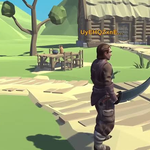
Parallel Colony is a Web3 strategy game with autonomous AI characters who can live and work in a persistent colony environment.

The AI Type is based on agent-like characters that can make decisions, interact with resources and respond to changing conditions. Agent autonomy is a big part of the experience, as characters are capable of doing things beyond basic scripted NPC behavior.
The Blockchain layer enables digital ownership and on-chain interactions, and the Gameplay impact comes from making the colony feel more dynamic. Status: in flux / in active development.
Parallel Colony Features
- AI characters can develop memories, personalities and ambitions and persist.
- AI-powered survival simulation with autonomous AI colonists.
- Players control characters, not direct manipulation of every action.
- AI agents can collect resources, socialize, craft, and react to the environment.
- Generative artificial intelligence can assist in designing personalized 3D gear and game content.
| Pros | Cons |
|---|---|
| AI-powered colonists can make the simulation feel more dynamic. | Autonomous AI behavior can make outcomes less predictable. |
| Players can interact with AI characters using natural language. | The AI-first gameplay concept may have a learning curve for traditional gamers. |
| Persistent AI personalities and memories add depth to characters. | AI infrastructure can require significant computing resources. |
| Generative crafting can turn player ideas into unique gear. | Generated content may not always behave exactly as players expect. |
| Combines survival gameplay with autonomous-agent experimentation. | The project is still evolving as its AI systems mature. |
2. Parallel TCG
Parallel TCG is a unique blend of competitive trading-card play and blockchain-powered digital ownership and a growing AI ecosystem. Its AI Type is more suited for intelligent gameplay systems and agent-driven experiences rather than traditional static NPCs. Agent autonomy can add AI-controlled participants and strategic decision-making, potentially making matches and surrounding game systems more dynamic.
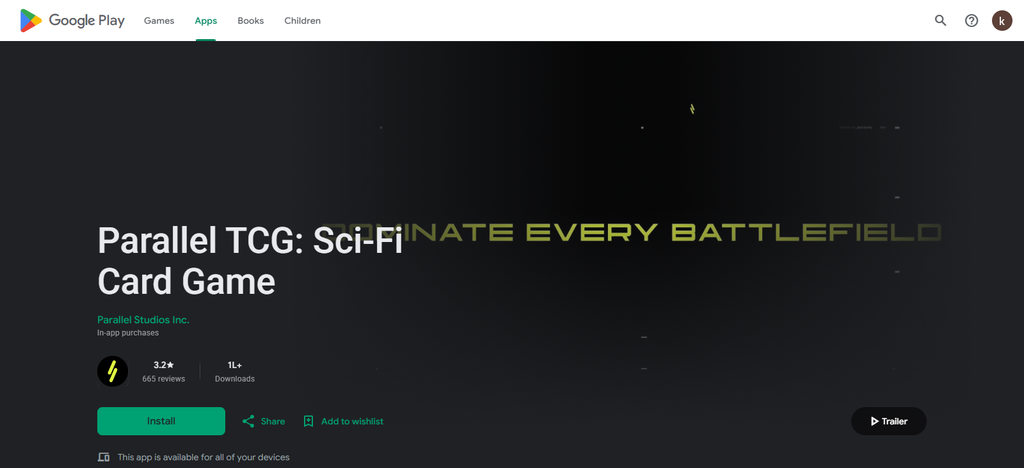
The Blockchain infrastructure allows players to own and use digital cards and related assets. The primary Gameplay impact is a mixture of strategy, collectible ownership and AI experimentation. Current Status: live and evolving.
Parallel TCG Features
- Five different Parallel factions to base your decks around.
- Free-to-play sci-fi digital collectible card game.
- Tactical 1v1 card battles with units, abilities, combos and tactical decisions.
- Ethereum supports digital collectible cards called ERC-1155 assets.
- Players can optionally play without the need for collectibles using Web3 assets and PRIME-based rewards.
| Pros | Cons |
|---|---|
| Combines competitive card strategy with digital asset ownership. | Players unfamiliar with Web3 may find the NFT ecosystem complex. |
| Five distinct factions provide different strategic playstyles. | Competitive card games can have a significant learning curve. |
| Digital cards can have persistent blockchain-based ownership. | Collectible assets can introduce additional market-related complexity. |
| AI-agent integrations can automate selected game and asset-management activities. | Greater automation may not appeal to players who prefer completely manual gameplay. |
| Free-to-play access lowers the barrier to trying the core game. | Advanced Web3 features may require additional ecosystem knowledge. |
3. AI Arena
AI Arena is a competitive gaming environment where the main competitors are AI controlled characters and artificial intelligence is core to the gameplay, rather than a background feature. It features a AI Type with machine-learning powered characters that learn and get better with training.

Agent autonomy is high: players design AI fighters that make combat decisions on their own during matches. The Blockchain layer enables players to own things and get paid for competing.
Its biggest Gameplay impact is that training intelligent agents is a success condition, rather than direct control over every action. Current Status: active gaming ecosystem and under development.
The AI Arena Features
- Intelligent, trainable characters with an emphasis on AI for competitive gameplay
- Players now build AI fighters instead of traditional character control.
- Machine-learning ideas can influence the way characters learn and decide.
- AI training is an important part of the gameplay loop in competitive matches.
- It is about independent decision-making and strategic AI development.
| Pros | Cons |
|---|---|
| Makes AI training an important part of the gameplay experience. | AI-focused mechanics may be difficult for beginners to understand. |
| Characters can improve through machine-learning-based training. | Training outcomes can require experimentation and repeated optimization. |
| Autonomous fighters create a different competitive format from traditional games. | Players have less direct control over every combat decision. |
| Encourages strategic thinking around AI behavior and development. | Balancing intelligent agents can be technically challenging. |
| Combines competitive gaming with experimentation in AI. | Its appeal may be narrower than conventional action games. |
4. Nifty Island
Nifty Island is a social gaming platform on the Web3 where players can discover, create, collect digital resources, and participate in community-led experiences. Its AI Type emphasizes AI-assisted characters, content, and interactive experiences over a single autonomous-agent system.
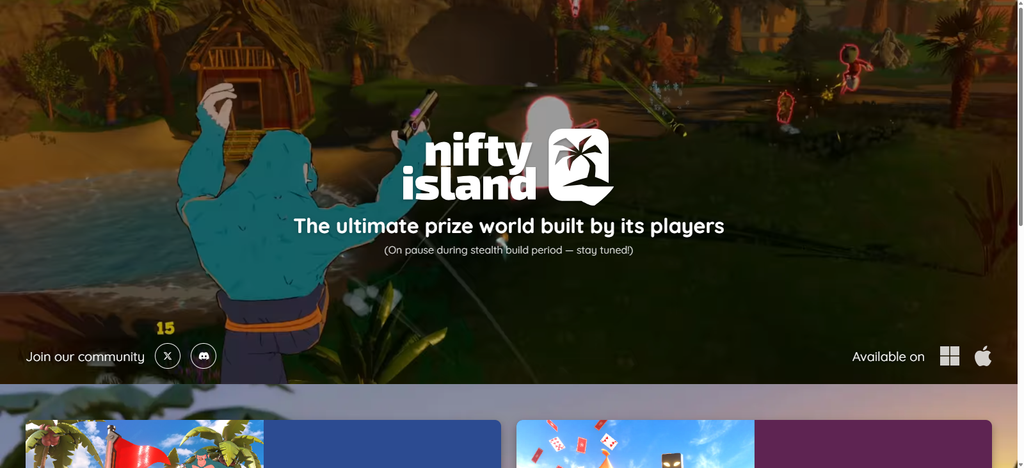
The agent autonomy is therefore specific to the AI-powered experience being implemented and not the platform as a whole. It’s Blockchain integration enables NFTs and digital ownership , and the Gameplay impact stems from blending worlds created by users with social interaction and new AI features . # Status: live and growing.
Nifty Island Features
- Player-driven experiences based social web3 gaming ecosystem .
Players will be able to walk around virtual islands and take part in community activities. - Creator tools enable users to create and customize interactive experiences.
- The platform’s Web3 economy encompasses digital collectibles and blockchain assets.
The game experience revolves around social interaction and content created by users.
| Pros | Cons |
|---|---|
| Provides a social environment where AI agents can interact with players. | AI-agent functionality is still evolving. |
| Creators can deploy agents as NPC-style characters on islands. | Some agent features depend on external integrations. |
| Goal-oriented planning can give agents more meaningful in-game behavior. | The underlying agent architecture may be more complex for creators. |
| Combines user-generated content with Web3 and AI experimentation. | New users may need time to understand the creator ecosystem. |
| Offers an open environment for different types of AI agents. | Agent capabilities can vary depending on how individual creators configure them. |
5. The Sandbox
The Sandbox is a user-generated Web3 gaming platform where creators can build interactive worlds, experiences and digital resources. Its AI Type, in contrast, is predominantly AI-assisted and more and more associated with intelligent characters and creator tools, rather than being focused on autonomous agents at all.

Agent autonomy arises from personal experiences built within the platform. It has Blockchain infrastructure for NFTs, digital ownership, and marketplace-based assets. The Gameplay impact is from giving creators more freedom to build interactive environments and characters. Status: live, its ecosystem and creator-centric development still in the midst of unfolding.
The Sandbox Features
- Players can create games, experiences, characters and interactive environments.
- • A virtual gaming world driven by players and focused on their creativity.
- Digital resources can be represented and traded as collectibles on a blockchain.
- Creator tools are used to create personalized virtual experiences.
- Its open ecosystem brings together gaming, digital ownership, virtual worlds and community-created content
| Pros | Cons |
|---|---|
| Strong creator ecosystem for building user-generated gaming experiences. | Creating advanced experiences can require learning multiple creator tools. |
| Digital assets can support player and creator ownership. | Web3 asset management may feel complicated to newcomers. |
| Virtual-world structure provides considerable creative freedom. | Experience quality can vary significantly between creator-built worlds. |
| Supports community-driven games and interactive environments. | AI is not equally central to every experience on the platform. |
| Established virtual-world ecosystem provides broad experimentation opportunities. | Some advanced features may require additional technical knowledge. |
6. Decentraland
Decentraland is a decentralized virtual world platform where users can explore, socialize, create experiences and own digital possessions on the blockchain. Its AI Type is best described as AI-assisted and experience-specific, where intelligent characters or AI-driven applications may be operating within user-created environments.
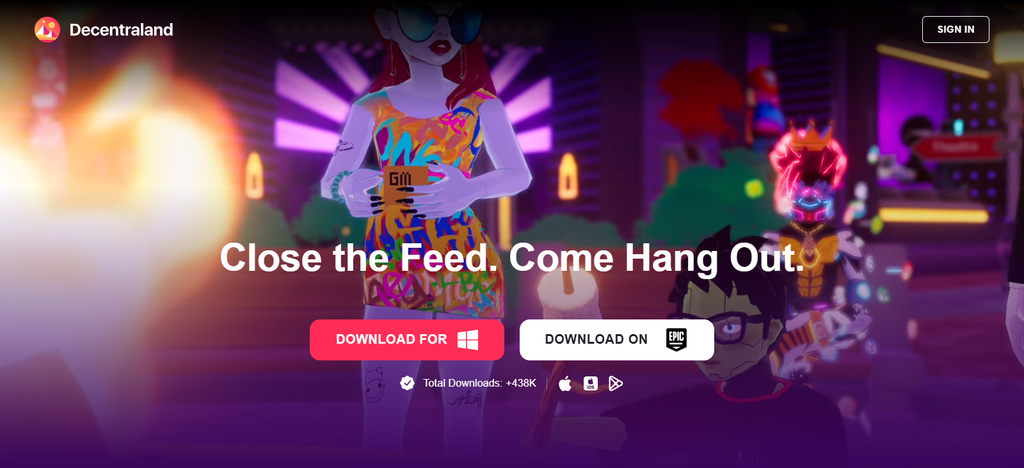
Agent autonomy varies, because Decentraland itself is not one single AI-agent game, but a broad platform. Its Blockchain foundation allows the ownership of LAND and other digital properties. The Gameplay impact is most visible in interactive social experiences and user-generated worlds. Current State: actively maintained, live.
Decentraland (Mana) Features
- Users can explore virtual environments, socialize, experience them, and interact with them.
- decentralized virtual world with an emphasis on user-owned digital spaces.
- LAND offers blockchain-based virtual parcel ownership.
- Creators can build interactive experiences and apps within the virtual world.
It is open and allows to run different experiences powered by AI and created by the community in the ecosystem.
| Pros | Cons |
|---|---|
| Open virtual-world architecture supports diverse user-created experiences. | AI is not the primary gameplay mechanic across the entire platform. |
| Blockchain-based LAND provides digital ownership of virtual property. | The decentralized structure can create a more complex user experience. |
| Users can build, socialize, and interact inside community-created environments. | Experience quality depends heavily on individual creators. |
| Open development allows new AI-powered applications and agents to be introduced. | New users may need to understand wallets and Web3 concepts. |
| Strong emphasis on user ownership and decentralized participation. | Hardware and virtual-world requirements may affect accessibility. |
7. Altered State Machine (ASM) Games
Altered State Machine (ASM) Games focuses on AI-driven characters that can develop unique behaviors and compete in gaming settings. Its AI Type is based on trainable AI agents represented via digital resources, meaning intelligence itself is an important part of the gaming experience.
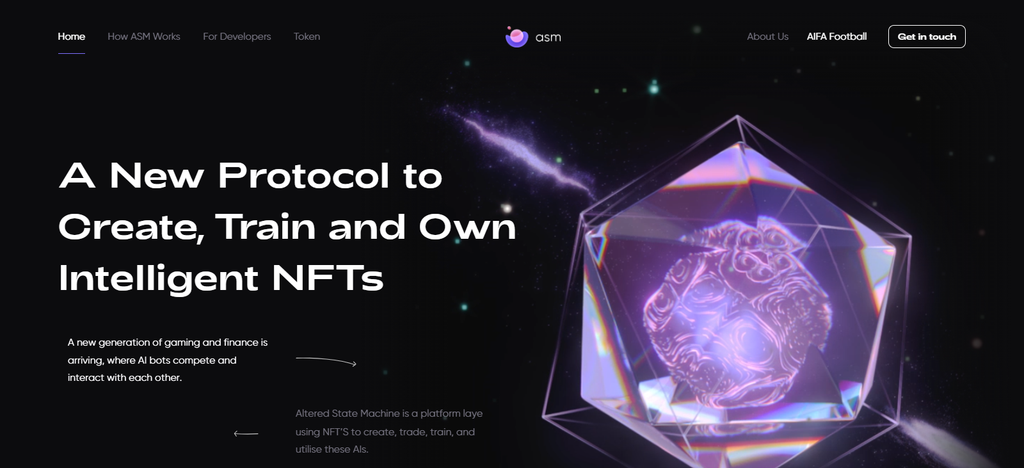
Agent autonomy is fairly high, because AI characters can make gameplay decisions without needing ongoing direct player control. The Blockchain layer provides ownership and portability of the digital resources associated with these characters.
Its Gameplay impact is to make AI development and character intelligence strategic elements. Current Status: ecosystem in permanent development.
Altered State Machine (ASM) Games Features
- AI-centric gaming ecosystem around intelligent digital characters.
AI characters can be taught and grown for various gameplay purposes. - AI is part of strategic experience, since the AI is autonomous.
- Blockchain technology allows ownership of related digital resources.
The ecosystem explores the mix of AI personalities, digital collectibles, gaming and player-controlled AI development.
| Pros | Cons |
|---|---|
| Treats AI intelligence itself as a potentially ownable digital asset. | The underlying AI-agent architecture can be difficult for newcomers to understand. |
| Agents can be trained and develop different behavioral capabilities. | Training intelligent agents can require resources and experimentation. |
| Brain, Memory, and Form components create a flexible agent architecture. | The ecosystem is more technically complex than conventional games. |
| AI agents can potentially operate across different gaming environments. | Cross-world interoperability depends on compatible implementations. |
| Combines AI training, NFTs, gaming, and digital ownership. | The experimental nature of the ecosystem may limit mainstream accessibility. |
8. AIFA World
AIFA World combines football-style gameplay with AI-powered players and Web3 mechanics for a sports environment where smart characters can affect games. Its AI Type is AI focused on characters in football making choices during gameplay.

Agent autonomy lets virtual players act on their own, based on their programming or learned behaviors. The Blockchain part allows for digital ownership and player assets on Web3.
Its primary Gameplay impact is to create a football experience where AI-controlled characters are directly involved in matches, rather than simply cosmetic NPCs. Current Status: Web3 gaming project developing/active.
AIFA World Championship Features
- AI-powered football characters play matches in real-time
- AI-powered football gaming experience blending sports and Web3.
- Players may experience automated character decisions during gameplay.
- Blockchain integration for digital ownership and Web3 game assets.
- The main attraction is that it blends football simulation with AI-driven players and blockchain-enabled digital economies.
| Pros | Cons |
|---|---|
| Applies AI agents directly to football gameplay. | AI-controlled gameplay offers less direct control than traditional football games. |
| Players can build teams around intelligent football characters. | Understanding AI-based team development may require experimentation. |
| Autonomous characters create a distinctive sports-gaming experience. | AI behavior can introduce unpredictable match outcomes. |
| Combines football simulation with Web3 digital ownership. | Web3 mechanics can add complexity for conventional sports gamers. |
| AI provides a different approach to managing virtual players. | The niche AI-football concept may appeal to a smaller audience. |
9. Delysium
Delysium is a Web3 gaming ecosystem based on AI-driven virtual characters, digital identities and immersive gameplay. Its AI Type are smart virtual characters that are meant to communicate, interact and perform various functions in digital environments. Agent autonomy matters because AI characters can act with more independence than traditional scripted NPCs.
The Blockchain layer connects characters, digital resources & ownership to Web3 infrastructure. Gameplay impact It makes for more responsive virtual worlds, where AI characters can be active participants. Status: active ecosystem, under development.
Delysium Features
- Open world MMORPG powered by AI with gaming, AI and blockchain integration.
- AI Virtual Beings are able to engage with players, learn from their behavior and build relationships.
Intelligent virtual characters can cooperate with or compete against players. - Blockchain/NFT integration connects the game to Web3 ownership and digital resources.
- Its open world, battle-royale gameplay, customization and AI characters provide an evolving multiplayer experience.
| Pros | Cons |
|---|---|
| Places AI characters at the center of its virtual-world ecosystem. | Its broad ecosystem can be difficult for new users to understand. |
| AI Virtual Beings can create more interactive digital-world experiences. | Autonomous-agent systems introduce additional technical complexity. |
| Combines AI agents, gaming, blockchain, and digital economies. | Blockchain and token mechanics may increase the onboarding barrier. |
| Its agent infrastructure can support applications beyond conventional NPCs. | Different components of the ecosystem may evolve at different speeds. |
| Provides a strong foundation for experimenting with agent-driven virtual worlds. | The ambitious scope means some concepts remain experimental or developing. |
10. Sleepless AI
Sleepless AI is a blend of blockchain gaming and AI virtual companions, giving players more personalized interactions. Its AI Type is meant for conversational and personality driven AI characters that can engage with users in conversation instead of being used as traditional static dialog NPCs.
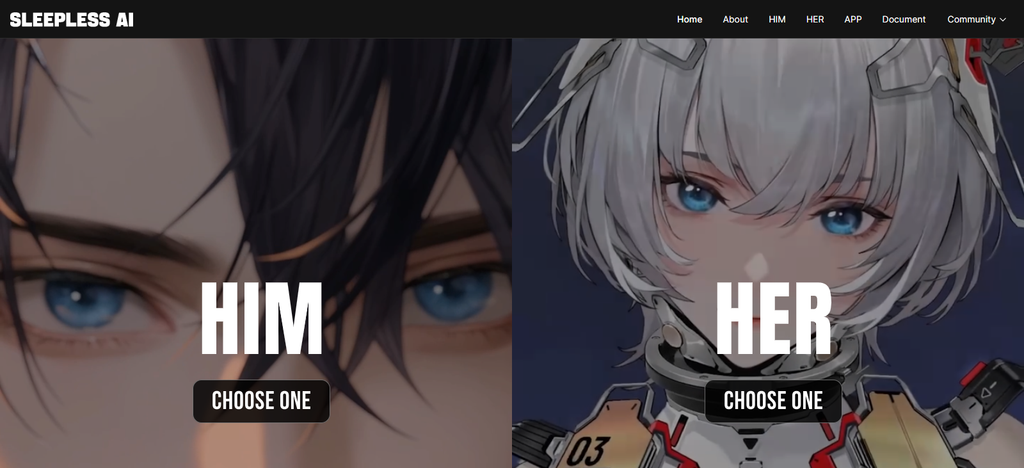
The primary manifestation of agent autonomy is via character responses, personalities, and ongoing interactions, while blockchain offers ownership for associated digital resources. Gameplay impact is a more intimate companion experience where AI plays a key role in engaging the player. Status: Live Web3 AI gaming ecosystem under constant development.
Sleepless AI Features
- AI-powered Web3 gaming ecosystem based on virtual AI companions.
- AI characters are tailored for conversation and player personalization.
- Characters can have unique personalities and be a constant companion.
- Use of blockchain technology to own digital characters and associated assets.
- The central gameplay idea is a combination of AI chat, digital ownership, character development and personalized interactions.
| Pros | Cons |
|---|---|
| Focuses heavily on personalized AI companion interactions. | Companion-focused gameplay may not appeal to traditional competitive gamers. |
| AI characters can provide conversational and personality-driven experiences. | AI responses may sometimes be unpredictable or inconsistent. |
| Blockchain adds ownership to digital characters and related assets. | NFT and token mechanics can make the ecosystem more complicated. |
| Character relationships provide a different approach to Web3 gaming. | Long-term engagement depends heavily on the quality of AI interactions. |
| Combines conversational AI with digital collectibles and progression. | AI infrastructure and personalization can create scalability challenges. |
Conclusion
Web3 games featuring AI NPCs and AI agents are pushing gaming beyond static characters and predictable interactions to more dynamic, responsive experiences. From Parallel Colony and AI Arena to Delysium and Sleepless AI, these projects experiment with different configurations of AI Type, agent independence, blockchain ownership, and player engagement.
Their impact on gameplay ranges from intelligent fighters and versatile characters to personalized virtual companions. The most exciting advances in 2026 will likely be in games with meaningful roles for AI agents and ownership, identity, assets, and player-driven economies using blockchain.
FAQ
What are Web3 games using AI NPCs?
Web3 games using AI NPCs combine blockchain-based ownership with intelligent characters that can respond to players, adapt their behavior, generate interactions, or influence gameplay. Unlike traditional scripted NPCs, AI-powered characters can create more dynamic and personalized experiences.
What is an AI agent in Web3 gaming?
An AI agent is an autonomous software-controlled character or system that can make decisions and perform tasks according to specific goals. In Web3 games, agents can potentially interact with digital assets, game economies, characters, and blockchain-based systems.
What is the difference between an AI NPC and an AI agent?
An AI NPC generally refers to an intelligent character inside a game that interacts with players or responds to game conditions. An AI agent usually has greater autonomy and can independently make decisions or perform multiple actions without requiring constant player control.
Which Web3 games use AI NPCs and AI agents?
Examples include Parallel Colony, Parallel TCG, AI Arena, Nifty Island, The Sandbox, Decentraland, Altered State Machine Games, AIFA World, Delysium, and Sleepless AI. However, the level and purpose of AI integration differs significantly between these projects.
How does blockchain improve AI-powered games?
Blockchain can provide digital ownership, asset provenance, player identity, tokenized economies, and verifiable transactions. When combined with AI, these features can allow intelligent characters and game systems to interact with persistent digital assets and Web3 economies.