

In this article, I will cover the Top Crypto Games With Tradable In-Game Assets. These are games with fun gameplay and ownership powered by blockchain. You’ll find out what assets players can trade, ownership, which blockchains are supported, marketplaces, entry requirements, pricing factors, and key pros and cons to help you figure out which crypto games are likely to be the most appealing to your gaming tastes.
- Key Points
- 1. Pixels
- Attributes of Pixel
- 2. Axie Infinity
- Attributes of Axie Infinity
- 3. Gods Unchained.
- Attributes of Gods Unchained
- 4. Illuvium
- Attributes of Illuvium
- 5. Big Time
- Attributes of Big Time
- 6. Decentraland
- Attributes of Decentraland’s
- 7 The Sandbox
- Attributes of The Sandbox
- 8. Alien Worlds
- Attributes of alien worlds
- 9. Blast Royale
- Attributes of Blast Royale
- 10. Splinterlands
- Attributes of Splinterlands
- Conclusion
- FAQ
Key Points
| Game | Blockchain | Tradable Assets |
|---|---|---|
| Pixels | Ronin | Crops, resources, Pixelmons, crafted items |
| Axie Infinity | Ronin | Axies, land, items |
| Gods Unchained | Ethereum / Immutable | NFT cards |
| Illuvium | Ethereum / Immutable | Illuvials, land, equipment |
| Big Time | Ethereum | Cosmetic NFTs, collectibles |
| Decentraland | Ethereum | Virtual land, wearables, digital goods |
| The Sandbox | Ethereum | LAND, avatars, assets |
| Alien Worlds | WAX | Tools, land, NFTs, TLM rewards |
| Blast Royale | Polygon | Weapons, shields, helmets, gear NFTs |
| Splinterlands | Hive | Cards, packs, collectibles |
1. Pixels
Pixels is a browser-based MMORPG that combines farming, exploration, crafting and social elements, with its Web3 economy largely connected to the Ronin network. ** Land and other blockchain-based items ** PixEL is a utility currency that can be traded and used for purchases, asset minting and premium features.
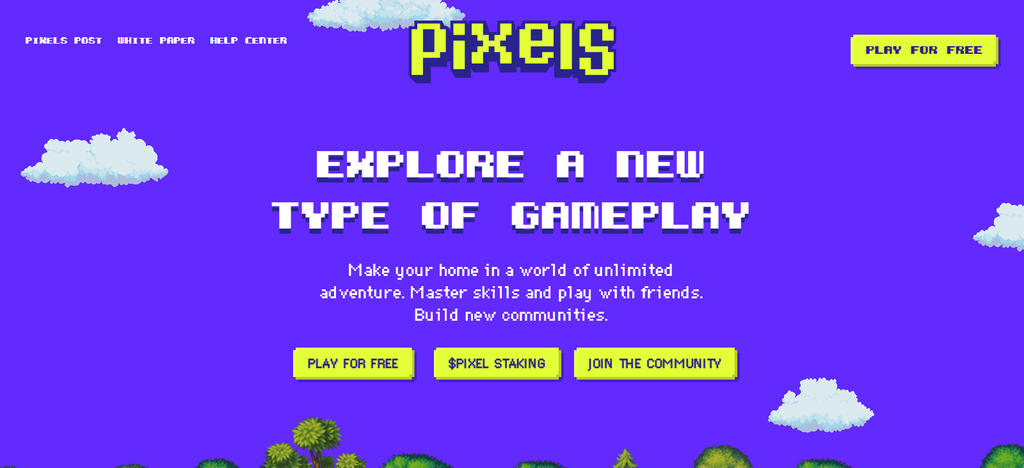
On-chain asset ownership allows eligible assets to be held and transferred between compatible wallets. Prices are not fixed but are driven by the market. Players can trade on Ronin-supported marketplaces and even get started without owning Land, making Pixels a good option for players who want to jump in without buying an NFT.
Attributes of Pixel
- Web3 MMORPG in browser
- Powered by Ronin blockchain ecosystem
- Tradable digital resources and Land
Farming, crafting, exploring and social gameplay - Web3 assets (optional) in a free access model
| Advantages | Disadvantages |
|---|---|
| Browser-based and easy to access | Web3 features can feel complex for beginners |
| Strong farming and social gameplay | Asset values can fluctuate |
| Uses the Ronin ecosystem | Some premium assets require spending |
| Multiple digital assets provide ownership options | Economy depends on player activity |
| Free-access entry lowers the initial barrier | Blockchain transactions may add extra complexity |
2. Axie Infinity
Axie Infinity is a blockchain gaming ecosystem based on collectible creatures and multiple experiences, mostly on the Ronin network. Axies, Land plots, Runes, Charms and other NFTs are all tradable assets, and ownership of them is linked to the player’s compatible wallet.
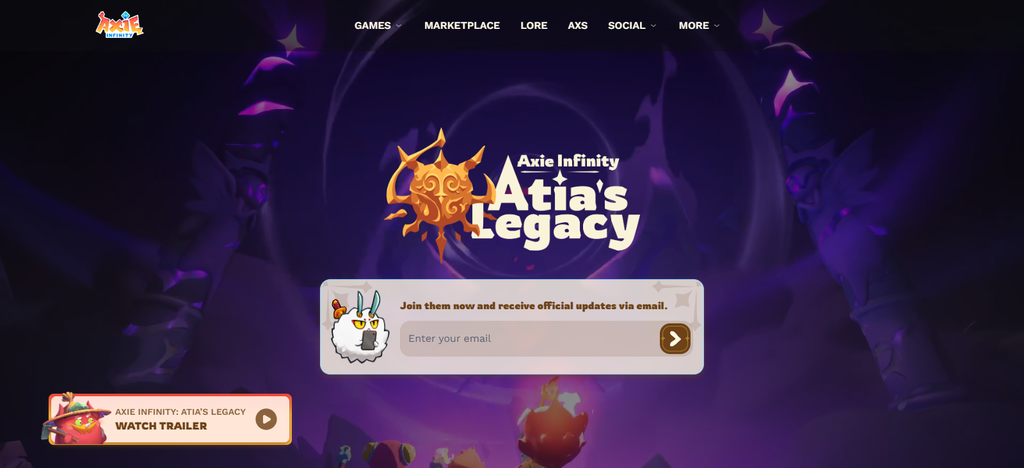
There is no set price . Asset prices are determined by traits , rarity , utility , supply and demand on the marketplace . The App.Axie allows one to buy, sell, list, offers and manage assets.
According to Sky Mavis docs, the current marketplace fee is 4.25%. To make purchases in the marketplace, you’ll need a compatible wallet. Depending on the experience, there may be ways to participate without needing to buy NFTs first. Gameplay requirements vary by experience.
Attributes of Axie Infinity
- Wallets compatible with NFT ownership
- Collectible creature game on the blockchain
- Runs on the Ronin network
- Purchase and sell Axies, Land, Runes and Charms
- Battles, Breeding, Collecting, Ecosystem Activities
| Advantages | Disadvantages |
|---|---|
| Well-established Web3 gaming ecosystem | NFT and token prices can be volatile |
| Multiple tradable asset categories | Some features require understanding of wallets |
| Ronin provides dedicated gaming infrastructure | Asset acquisition can involve costs |
| Strong collecting and battling elements | Economy has changed significantly over time |
| Large ecosystem of digital assets | Competition can be demanding for new players |
3. Gods Unchained.
Gods Unchained is a digital trading-card game in which players collect, use, craft, and trade blockchain-based cards. Its asset economy has previously used Immutable X and the project is moving to Immutable zkEVM.
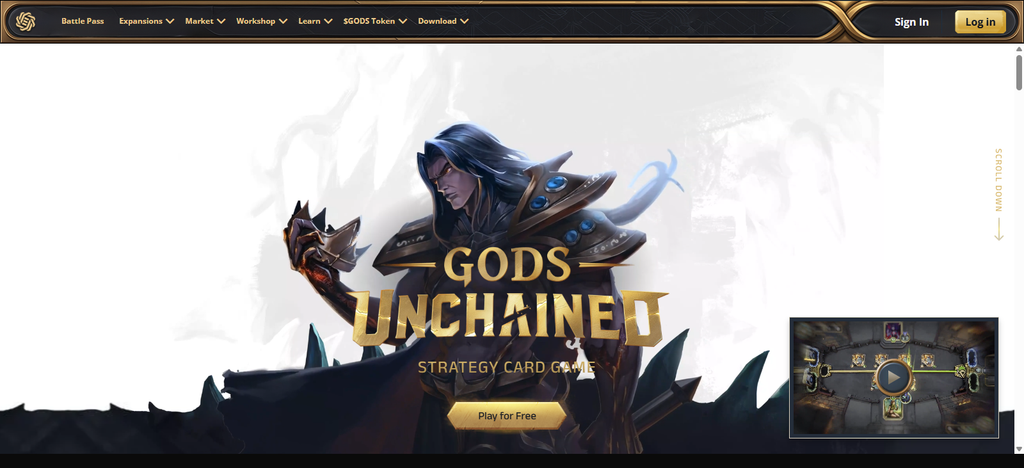
The core tradeable asset is NFT cards and $GODS is used for crafting as well as other functions inside the ecosystem. Players receive cards through gameplay, packs, purchases, and crafting.
$GODS are required to fuse certain in-game cards into NFTs. Eligible cards can be traded on-chain, where NFTs are recorded. Trading fee is 9% and zkEVM transactions from external wallets will require a small $IMX gas fee, Passport transactions are gas-free.
Attributes of Gods Unchained
- Blockchain based digital trading card game
- Built on Immutable technology
Collectible NFT cards can be swapped - Cards have different rarities and gameplay utility
Free-to-play entry with optional Web3 features
| Advantages | Disadvantages |
|---|---|
| Free-to-play entry option | Blockchain features may confuse beginners |
| Cards have direct gameplay utility | NFT card prices can fluctuate |
| Trading gives cards additional ownership value | Marketplace fees can affect resale returns |
| Strong appeal for TCG players | Advanced card strategies require learning |
| Players can collect and craft cards | Network migration and ecosystem changes require attention |
4. Illuvium
Illuvium is a Web3 gaming ecosystem with experiences like Overworld, Arena, Zero, and Beyond and blockchain assets tied to its broader ecosystem. The tradable assets are Illuvials, Land, D1SKs, accessories and other eligible NFTs.
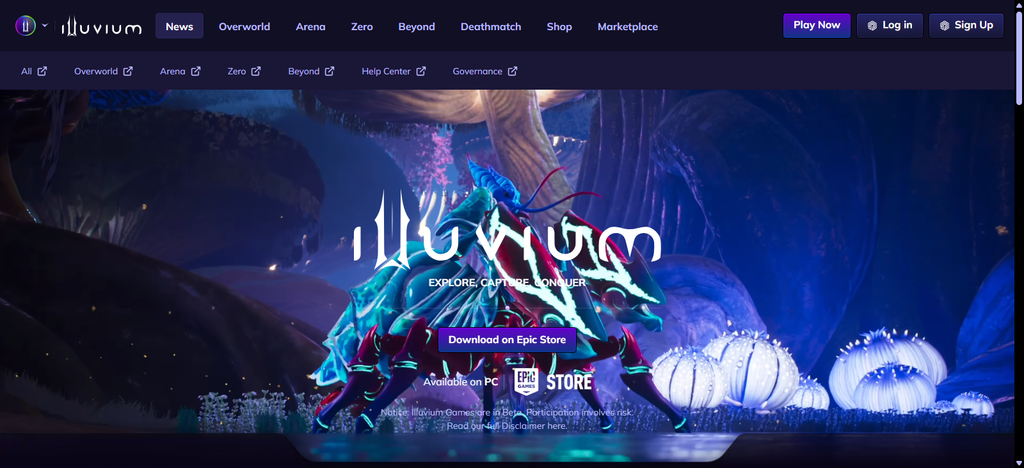
Ownership of tradable assets is tracked by blockchain-based assets. Prices are subject to market and may vary depending on scarcity, usefulness, supply and demand. Its Illuvidex allows peer-to-peer trading of eligible NFT game assets.
Official terms indicate the 5% commission paid by the purchaser on Illuvidex P2P trades. Experience varies: Several games are free to download, some activities and assets require purchases or Fuel.
Attributes of Illuvium
- Web3 gaming ecosystem with AAA-quality
Utilizes Ethereum blockchain infrastructure
Land, D1SKs and Accessories, Tradable Illuvials - NFTs are both collectible and gameplay utility
- Includes RPG, strategy and virtual-world experiences
| Advantages | Disadvantages |
|---|---|
| High-quality visual presentation | Higher hardware requirements than simple Web3 games |
| Multiple gaming experiences in one ecosystem | Web3 mechanics can be complex |
| Several categories of tradable assets | NFT prices can be highly variable |
| Assets combine collectible and gameplay utility | Some features require additional spending |
| Strong focus on blockchain ownership | Large ecosystem may take time to understand |
5. Big Time
Big Time is a free-to-play multiplayer RPG for Windows PC that combines classic action-RPG gameplay with a player-controlled digital economy. Its ecosystem operates on Open Loot for NFT and token management and marketplace activity.
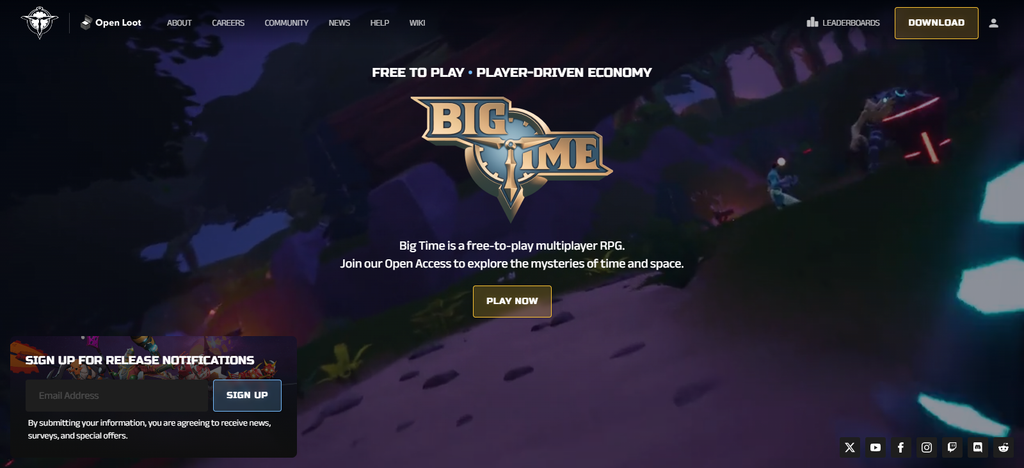
Tradable assets include weapons, armor, collectibles, cosmetics and other NFT items while $BIGTIME supports crafting, upgrades and selected ecosystem functions. Ownership is associated with blockchain based digital resources managed through the platform.
Supply and demand in the market determines asset prices. Open Loot charges a 5% marketplace fee for NFT sales and has a separate fee structure for NFT rentals. The game allows players to start playing without buying NFTs, so the entry barrier is relatively low.
Attributes of Big Time
- Free-to-play multiplayer action RPG
- Powered by the Open Loot Web3 ecosystem
- Tradeable weapons, armor, cosmetics & collectibles
- Blockchain assets are verifiably owned
- Blends traditional gameplay with a player-driven economy
| Advantages | Disadvantages |
|---|---|
| Free-to-play gameplay | Web3 economy adds another layer of complexity |
| Traditional RPG gameplay feels familiar | NFT values can change with market demand |
| Multiple types of tradable equipment | Some digital assets require purchases |
| Blockchain ownership for eligible items | Marketplace activity can vary |
| Action-focused multiplayer experience | PC-focused availability limits mobile players |
6. Decentraland
Decentraland is a browser-based virtual world where users can explore, socialize, create experiences and own blockchain-based digital possessions. Its economy is built on Ethereum and Layer-2/sidechain networks with assets such as LAND, Estates, Names, Wearables, Emotes, and other NFTs.
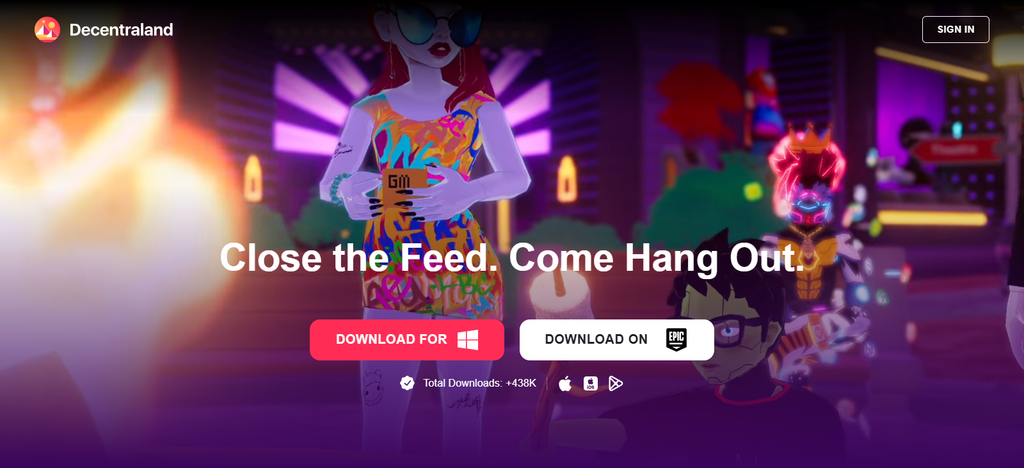
And on-chain ownership means users can transfer and resell qualifying assets. The price is determined by the creator/seller and the current market demand. The Decentraland Marketplace charges a 2.5% transaction fee in MANA.
Network gas fees may be applicable for transactions on the blockchain. Explore and use the platform at no cost. To buy NFTs you will need a compatible wallet and sufficient funds.
Attributes of Decentraland’s
- Virtual-world platform based on the blockchain
- Mostly related to Ethereum ecosystem
- Tradeable LAND, Wearables, Names & Emotes
- Players maintain asset ownership on the blockchain
- Allows user-generated experiences and virtual property
| Advantages | Disadvantages |
|---|---|
| Strong virtual-world ownership model | User experience depends heavily on community activity |
| LAND and Wearables can be traded | Virtual land can be expensive |
| Supports user-created experiences | Ethereum-related transactions can involve fees |
| Players can create and monetize content | Graphics and gameplay may not appeal to traditional gamers |
| Established virtual economy | Asset prices can fluctuate significantly |
7 The Sandbox
The Sandbox is a user-generated virtual-world platform where players and creators can build experiences and own blockchain-based game assets. Its asset ecosystem is powered by Ethereum and Polygon and includes items that can be traded, such as LAND, voxel Assets, collectibles and user-created NFTs.
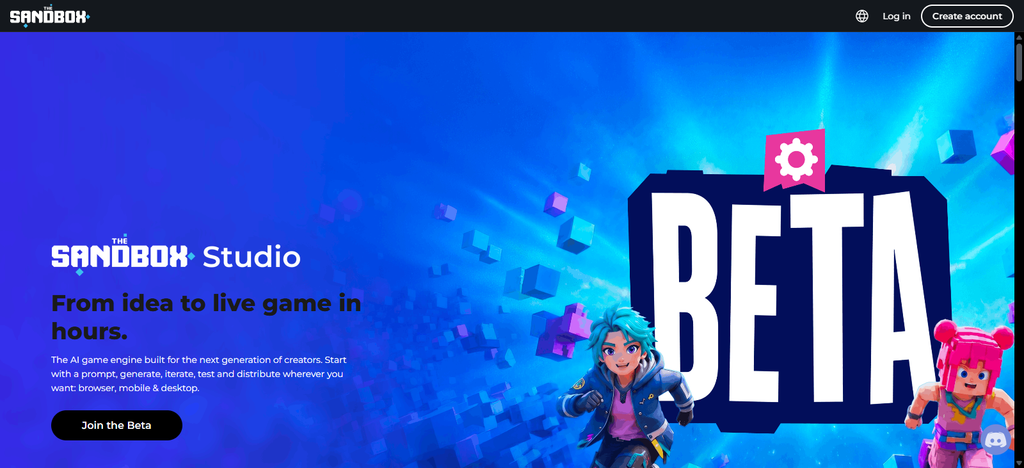
When you buy an NFT, you have a provable claim of ownership and you usually have the right to transfer, trade, donate or resell it. Asset pricing is set by sellers and is driven by scarcity and demand, not fixed game prices.
Trading is via The Sandbox marketplace and supported secondary marketplaces. Marketplace sales have a transaction fee charged to the buyer. Blockchain transactions may incur network costs. To trade on the blockchain, users need a compatible wallet.
Attributes of The Sandbox
- Runs on Ethereum and Polygon infrastructure
- User-generated virtual-world gaming platform
- Tradeable LAND, Assets, collectibles and Wearables
- NFT ownership can be resold and transferred
- Highlights creation, customization and virtual reality experiences
| Advantages | Disadvantages |
|---|---|
| Strong user-generated content ecosystem | Creation tools require a learning curve |
| LAND provides virtual property ownership | Premium LAND and assets can be costly |
| Multiple tradable digital assets | NFT prices depend on market demand |
| Supports creators as well as players | Blockchain wallets can add onboarding complexity |
| Ethereum and Polygon support provides flexibility | Platform activity can vary across experiences |
8. Alien Worlds
Alien Worlds is a blockchain metaverse where you can mine, go on missions, vote and compete across WAX, BNB Chain and Ethereum. The tradable assets in the game are Land, mining tools, weapons, minions, spacecraft-related NFTs, and other collectibles.
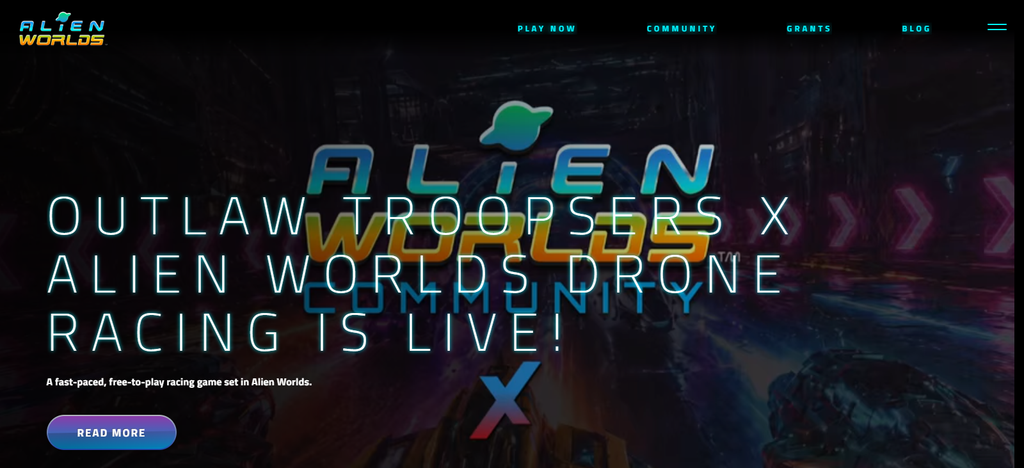
TLM is the main token of the ecosystem. Ownership is represented by blockchain assets that can be controlled by compatible wallets. Useful things that are rare cost more. Basic supply and demand.
Players can get assets through gameplay, missions, rewards, or marketplaces and trade eligible NFTs. Wallet setup required to entry. WAX mining needs a WAX Cloud Wallet, Missions need MetaMask and TLM on BNB Chain.
Attributes of alien worlds
- Blockchain Metaverse and Mining Game
- Supports WAX, BNB Chain, Ethereum
- Tradeable NFTs like Land, Tools, Weapons etc
- TLM influences its in-game economy
- Includes mining, missions, governance, and competitive activities
| Advantages | Disadvantages |
|---|---|
| Multiple blockchain network support | Multi-chain setup can confuse beginners |
| Large variety of tradable NFTs | Asset values depend on demand |
| Mining and missions provide different activities | Gameplay can feel repetitive to some players |
| TLM integrates with the game economy | Token volatility can affect the economy |
| Low-barrier gameplay options | Wallet and blockchain management require additional steps |
9. Blast Royale
Blast Royale is a multiplayer battle-royale PvP game for mobile devices that mixes classic gameplay with blockchain-based equipment and collectibles. NOOB token and NFT assets are used in its Web3 economy, with NFT equipment influencing how characters look and their gameplay abilities.
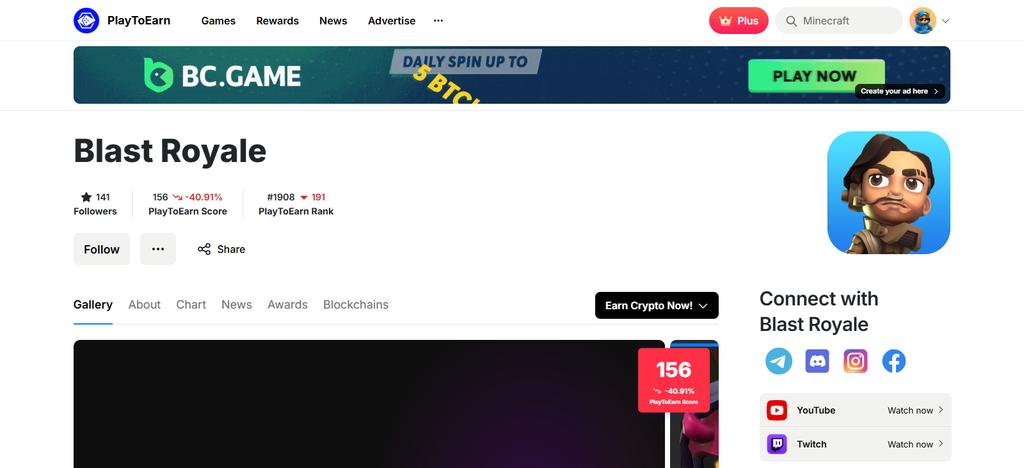
Players can purchase, upgrade, and trade eligible NFT items on the game’s marketplace ecosystem, with tradable assets including characters and equipment. Market-based asset pricing is driven by scarcity, utility, demand, and supply.
The game is based on a free-to-play model, so players don’t have to buy NFTs to play the game. Traditionally, marketplace trading has a 2.5% secondary-market fee on NFT equipment, and the token and ecosystem conditions can change.
Attributes of Blast Royale
- Multiplayer blockchain battle-royale game
- Combines conventional gameplay with Web3 assets
- Tradable characters and NFT equipment
- Equipment can have gameplay and collectible value
- Free-to-play model with optional blockchain participation
| Advantages | Disadvantages |
|---|---|
| Combines battle-royale gameplay with Web3 | Smaller ecosystem than major blockchain games |
| Free-to-play approach lowers entry barriers | NFT values can fluctuate |
| Tradable equipment adds ownership | Web3 features require additional setup |
| Mobile-focused gameplay | Player activity can influence marketplace liquidity |
| Competitive multiplayer format | New users may need time to understand the economy |
10. Splinterlands
Splinterlands is a digital collectible card game built on blockchain technology. It mainly uses the Hive blockchain to run the game and let players battle with collectible cards based on different abilities and stats.
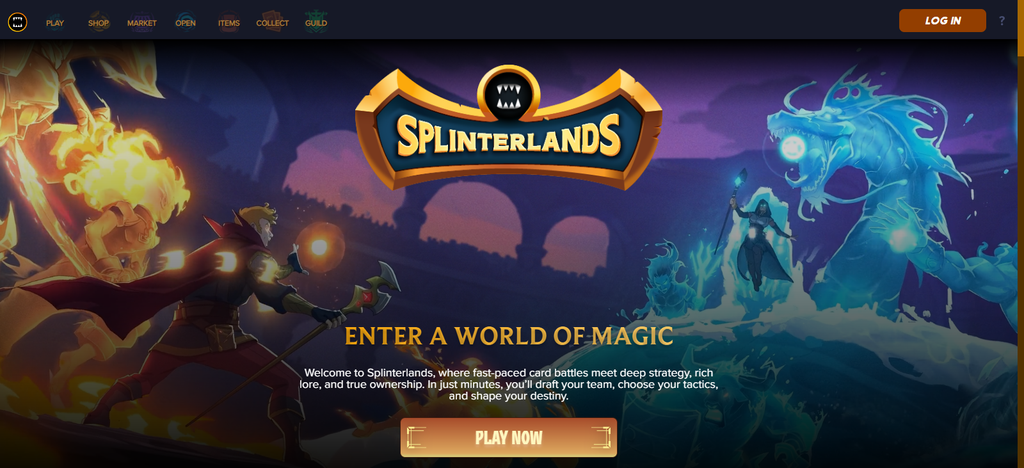
Cards, packs, titles, totems, fortune tickets and other eligible items all have the ability to be traded and transferred with the help of blockchain ownership. Prices are driven by marketplace supply, rarity, card stats, and demand.
Players can trade on the marketplace or use the in-game Trading Hall for direct player to player offers. Creating an offer costs 10 DEC or 10 Credits. The game is free to play, with the $10 Summoner’s Spellbook unlocking the full experience and earning features.
Attributes of Splinterlands
- Blockchain-based digital collectible card game
- Primarily built on the Hive blockchain
- Tradable cards, packs, titles, and collectibles
- Cards have different statistics, abilities, and rarity
- Combines competitive battles with player-owned digital assets
| Advantages | Disadvantages |
|---|---|
| Strategic collectible-card gameplay | Learning card mechanics takes time |
| Cards can be traded between players | Card prices vary according to demand |
| Free-to-play entry option | Full earning features may require additional access |
| Established blockchain asset economy | Blockchain wallets can complicate onboarding |
| Cards have different rarity and gameplay utility | Marketplace fees and transaction costs can reduce returns |
Conclusion
Crypto games that feature tradable in-game assets combine gameplay with blockchain-based items for players to enjoy an alternative experience of digital ownership. The above-mentioned games are not limited to cards, characters, land, weapons, cosmetics, collectibles, etc., on networks such as Ronin, Ethereum, Immutable, Polygon, WAX, BNB Chain, and Hive.
Every game has its own entry requirements, marketplace model, pricing structure, and trading fees. In 2026, players have to look beyond earning potential when choosing a game, taking into account variables like quality of gameplay, utility of assets, ownership, marketplace activity, fees and overall accessibility of the ecosystem.
FAQ
What are crypto games with tradable in-game assets?
Crypto games with tradable in-game assets use blockchain technology to give players ownership of digital items such as cards, characters, land, weapons, cosmetics, and collectibles. Eligible assets can be transferred or traded through supported marketplaces.
Which crypto games have tradable NFTs?
Games such as Pixels, Axie Infinity, Gods Unchained, Illuvium, Big Time, Decentraland, The Sandbox, Alien Worlds, Blast Royale, and Splinterlands offer different types of blockchain-based assets that can be traded, depending on the game’s current ecosystem.
Can I play crypto games without buying NFTs?
Yes. Several games provide free or low-barrier entry options. However, some blockchain features, premium assets, marketplace transactions, or earning-related features may require a wallet, tokens, or an NFT purchase.
What types of assets can players trade?
Tradable assets vary by game and can include NFT cards, characters, land, weapons, armor, tools, wearables, cosmetics, resources, and collectibles. Their usefulness and trading availability depend on the individual game.
How are crypto game asset prices determined?
There is usually no fixed price. Asset values are influenced by rarity, utility, supply, demand, player interest, marketplace activity, and overall market conditions. Prices can change significantly over time.