

This article will provide an overview of the Platforms Turning Real Estates into Tradeable NFTs. Through the transforming power of Blockchain Technology, the Platforms will allow fractional ownership of property, the ability to trade digital assets, and transaction of property, all with full transparency.
- What Are Platforms Turning Real Estate into Tradeable NFTs?
- How Real Estate NFTs Work
- Tokenizing Physical Property Assets
- Rights of Ownership are on the Blockchain
- Enabling Fractional Ownership
- Smart Contracts and their Classifications
- Trading and Transferring Property Shares
- The Safety of NFTs and Blockchain Technology
- Investor Access Around the World
- Key Benefits of Platforms Turning Real Estate into Tradeable NFTs
- Fractional Ownership
- Improved Liquidity in Real Estate
- Low Barriers to Entry
- Accessibility of Global Investment
- Permanent Ownership Records
- Faster, More Efficient Transactions
- Better Portfolio Diversification
- Challenges of Real Estate NFT Platforms
- Platforms Turning Real Estate into Tradeable NFTs List
- 10 Platforms Turning Real Estate into Tradeable NFTs
- 1. Propy
- Why It Matters Propy
- 2. Lofty AI
- Why It Matters Lofty AI
- 3. LABS Group
- Why It Matters LABS Group
- 4. SolidBlock
- Why It Matters SolidBlock
- 5. Brickken
- Why It Matters Brickken
- 6. Tokeny
- Why It Matters Tokeny
- 7. Atlant
- Why It Matters Atlant
- 8. Fraction
- Why It Matters Fraction
- 9. Smartlands
- Why It Matters Smartlands
- 10. Realbox
- Why It Matters Realbox
- Conclusion
- FAQ
We will examine the technology and opportunities Propy, Lofty AI, and other platforms employ and provide for the ability to invest in and trade global real estate opportunities.
What Are Platforms Turning Real Estate into Tradeable NFTs?
Platforms that transform real estate into tradeable NFTs create a means for converting real estate assets into the digital sphere using blockchain.
Real estate on the blockchain is facilitated through the use of smart contracts and decentralized technologies. These technologies allowing users to record ownership, provide fractional investment opportunities, and simplify the process for transferring their real estate assets.
NFT-based real estate platforms allow users to purchase smaller portions of real estate through shares that have been tokenized.
Incorporating real estate and blockchain technologies improves the markets by providing better transparency, removing barriers to entry, creating a more liquid market, and providing additional investment opportunities.
How Real Estate NFTs Work
Tokenizing Physical Property Assets
Converting physical properties like residential houses, apartments, commercial buildings, or land into NFTs and housing them on a blockchain is the first step to real estate NFTs. The NFT houses a digital secure representation of the property, its value, and its ownership rights.
Rights of Ownership are on the Blockchain
The permanent and digitally recorded ledger of Blockchain contains all relevant information about an asset and the history of ownership and transactions. It provides a secure and trustworthy means for investors to verify the ownership of a property and the history of transactions held digitally without total reliance on conventional documentation and intermediaries.
Enabling Fractional Ownership
Digital representation of real estate NFTs means the fractional ownership of a property is possible. Rather than owning the property completely, investors can buy a portion of the property. This opens the means of investing in real estate to a larger audience.
Smart Contracts and their Classifications
Contracts that define the terms of a transaction are digitally executed and recorded. The contract is executed automatically and is therefore a more efficient method of governing the transfer of ownership of property and the payment of rent.
Trading and Transferring Property Shares
Real estate assets that have been tokenized can be traded or transferred through a blockchain marketplace. Property ownership shares can be traded more freely like any digital asset.
The Safety of NFTs and Blockchain Technology
A blockchain record of real estate NFTs provides a higher security level because records cannot easily be amended. Since every transaction is certified, verified, and recorded, the fraud risk is diminished, and confidence is increased.
Investor Access Around the World
Real estate NFT platforms break the geographical barriers of traditional property investing for many around the world. This develops a more interconnected property market and allows a wider range of clients to invest.
Key Benefits of Platforms Turning Real Estate into Tradeable NFTs
Fractional Ownership
Tradeable Real Estate NFTs allow investors to purchase small portions of larger assets, as opposed to purchasing the entire asset. Because of this, the barriers to investing in real estate are significantly reduced and the participants in the real estate market increase.
Improved Liquidity in Real Estate
NFTs improve the liquidity of real estate investing as sharing the ownership of an asset lends itself to being easier to buy and sell. Historically, the buying and selling of real estate is very time consuming, however, through tokenization and trading via a blockchain, this process is greatly sped up.
Low Barriers to Entry
Real Estate NFTs have decreased the need for large sums of capital in order to purchase an asset. Thus, investors can purchase multiple different assets to add diversity to their portfolios.
Accessibility of Global Investment
Tradeable Real Estate NFTs remove the barriers that historically global investing real estate entailed. Through the ease of blockchain, international buyers can participate in real estate investing.
Permanent Ownership Records
Because of blockchain, property ownership and all transaction histories are kept permanently and are also verifiable. This greatly decreases the likelihood of fraud and creates a safer environment for investors.
Faster, More Efficient Transactions
NFT-based Real estate platforms allow property transactions to occur via smart contracts, which automate ownership, contracts, and payment transfers. This digitizes property transactions, removes intermediaries, and accelerates the investment workflow.
Better Portfolio Diversification
Investors are able to invest in multiple properties in multiple locations with multiple asset types. Better portfolio diversification results in less investment reliance on a single property.
Challenges of Real Estate NFT Platforms
| Challenge | Explanation |
|---|---|
| Regulatory Uncertainty | Real estate NFT platforms face challenges due to changing regulations around digital assets, property ownership, and securities laws. Different countries have different legal frameworks, making it difficult for platforms to create globally accepted tokenized real estate solutions. |
| Legal Recognition of NFT Ownership | In many regions, NFT ownership does not automatically represent legal ownership of a physical property. Platforms must create strong legal structures to ensure that digital tokens are connected with real-world property rights. |
| Property Valuation Difficulties | Accurately valuing tokenized real estate assets can be challenging because property prices depend on location, market conditions, demand, and economic factors. Incorrect valuations may affect investor confidence and asset pricing. |
| Limited Market Adoption | Although real estate NFTs are growing, mainstream adoption remains limited. Many traditional investors, property owners, and institutions are still unfamiliar with blockchain-based ownership models. |
| Blockchain Security Risks | Smart contract vulnerabilities, wallet security issues, and blockchain-related attacks can create risks for investors. Platforms need strong security measures to protect digital assets and user funds. |
| High Technical Complexity | Understanding wallets, blockchain networks, NFTs, and digital asset management can be difficult for traditional real estate investors. User-friendly solutions are required to increase adoption. |
| Liquidity Challenges | While NFTs can improve property trading, liquidity is still developing. Finding buyers for specific tokenized real estate assets may remain challenging compared with traditional financial markets. |
| Integration With Traditional Real Estate Systems | Connecting blockchain platforms with existing property registration systems, banks, legal processes, and government databases can be complex and time-consuming. |
| Market Volatility | Digital asset markets can experience price fluctuations, which may impact investor confidence and the perceived value of tokenized real estate assets. |
| Privacy Concerns | Blockchain transparency can create challenges related to personal information protection. Platforms must balance public verification with investor and property owner privacy requirements. |
| Compliance Requirements | Real estate NFT platforms must follow regulations related to identity verification, anti-money laundering (AML), taxation, and investor protection, increasing operational complexity. |
| Limited Secondary Market Infrastructure | Successful NFT real estate trading requires active marketplaces, buyers, sellers, and supporting infrastructure. Many platforms are still developing these ecosystems. |
Platforms Turning Real Estate into Tradeable NFTs List
- Propy
- Lofty AI
- LABS Group
- SolidBlock
- Brickken
- Tokeny
- Atlant
- Fraction
- Smartlands
- Realbox
10 Platforms Turning Real Estate into Tradeable NFTs
1. Propy
Propy uses blockchain technology to make buying and selling real estate easier with their platform that allows real estate to be converted to an NFT. Propy allows real estate assets to be transformed to digital tokens and sold or bought via smart contracts.
Traditionally, the sale of a property may take weeks to be completed due to the paperwork required, however Propy allows property sales and purchases to be completed in a matter of minutes.
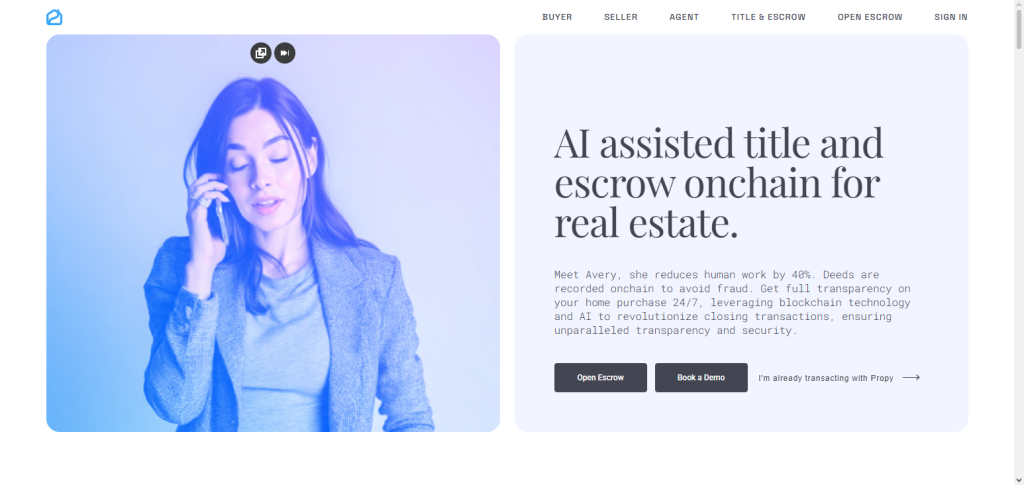
Propy also allows any person or organization in the world to buy or sell real estate, so it allows people to invest in real estate who may never have had the opportunity in the past to do it.
By using property technology and NFTs, Propy allows their clients to own real estate using their technology and sell or buy real estate using Propy.
Why It Matters Propy
| Key Point | Why It Matters |
|---|---|
| Blockchain-Based Property Transactions | Propy matters because it uses blockchain technology to create secure, transparent, and tamper-resistant real estate transactions. This reduces dependency on traditional paperwork and manual verification processes. |
| NFT-Based Property Ownership | Propy enables real estate assets to be represented as NFTs, allowing ownership rights to be digitally recorded and transferred through smart contracts. |
| Faster Real Estate Closings | The platform improves transaction speed by automating verification, documentation, and ownership transfer processes using blockchain infrastructure. |
| Global Investor Access | Propy allows international buyers and investors to participate in property markets without many traditional geographic restrictions. |
| Fraud Reduction | Blockchain-based ownership records help reduce property fraud by creating permanent and verifiable transaction histories. |
| Digital Property Marketplace | Propy creates a new marketplace where real estate assets can interact with digital asset technology. |
| Future of Real Estate Technology | The platform demonstrates how NFTs and blockchain can modernize traditional property ownership systems. |
2. Lofty AI
Lofty AI allows ownership of rental properties through blockchain fractional ownership by means of tokenization. Lofty AI is one of the Platforms Turning Real Estate into Tradeable NFTs.
This means Lofty AI digitizes real estate and allows the masses to purchase a small portion, as opposed to purchasing the entire real estate. Each token is tied to a real estate property and represents ownership rights. Because of this, more investors are able to purchase the token.
Lofty AI focuses on rental generating properties. Because of this, the token holders get a share of the rental income and get to vote and participate on the decisions made on the property. Therefore, Lofty AI combines blockchain, fractional ownership of property, and real estate to answer the inclusivity question in real estate.
Why It Matters Lofty AI
| Key Point | Why It Matters |
|---|---|
| Fractional Property Ownership | Lofty AI matters because it allows investors to purchase smaller portions of real estate instead of requiring full property ownership. |
| Lower Investment Barriers | The platform makes real estate investing accessible to smaller investors by reducing the amount of capital required. |
| Rental Income Opportunities | Lofty AI enables investors to participate in income-generating rental properties through tokenized ownership models. |
| Blockchain Transparency | Property ownership, transactions, and investment details are recorded on blockchain networks for improved trust. |
| Portfolio Diversification | Investors can spread investments across multiple properties instead of depending on a single asset. |
| AI-Driven Property Insights | Lofty AI combines technology and data analysis to help investors evaluate potential real estate opportunities. |
| Democratizing Real Estate Markets | The platform helps transform real estate from an exclusive investment category into a more accessible digital asset market. |
3. LABS Group
LABS Group utilizes blockchain to build a real estate fractional investment system using digital assets and NFTs. Among Platforms Converting Real Estate to Tradable NFTs, LABS Group permits the tokenization of real estate assets by developers and investors granting access to large real estate investments to smaller investors.
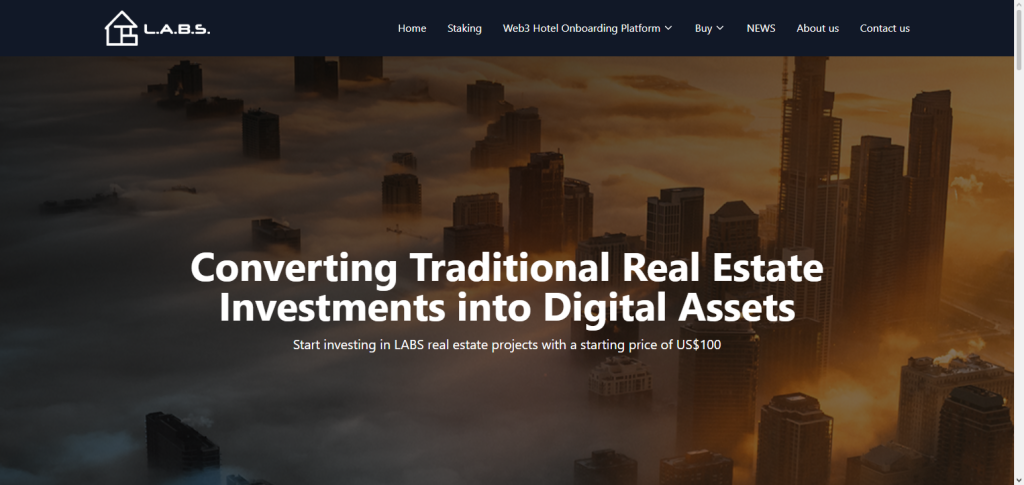
The platform aims to solve the issues of liquidity and barriers to investing, as well as transparent ownership verification by the enhanced capabilities of the blockchain. LABS Group incorporates the entire spectrum of real estate, such as hospitality, residential, and commercial real estate.
By tokenization, investors gain access to global real estate markets and the benefits of ownership of digital assets and decentralized trading.
Why It Matters LABS Group
| Key Point | Why It Matters |
|---|---|
| Real Estate Tokenization | LABS Group matters because it converts physical properties into digital tokens, allowing blockchain-based ownership and investment. |
| Global Property Investment | The platform enables investors from different regions to access international real estate opportunities. |
| Increased Liquidity | Tokenized assets can be divided and transferred more easily compared with traditional property investments. |
| Reduced Entry Costs | LABS Group allows investors to participate in large-scale properties with smaller investments. |
| Hospitality Real Estate Innovation | The platform focuses on transforming sectors such as hotels, resorts, and commercial properties through blockchain. |
| Transparent Ownership System | Blockchain records improve visibility into ownership rights and transaction histories. |
| Web3 Real Estate Ecosystem | LABS Group supports the transition from traditional property markets toward decentralized digital investment models. |
4. SolidBlock
SolidBlock converts conventional real estate into digital securities and NFTs on blockchain. SolidBlock is one of the Platforms Turning Real Estate into Tradeable NFTs. SolidBlock allows tokenized assets and fractional investments.
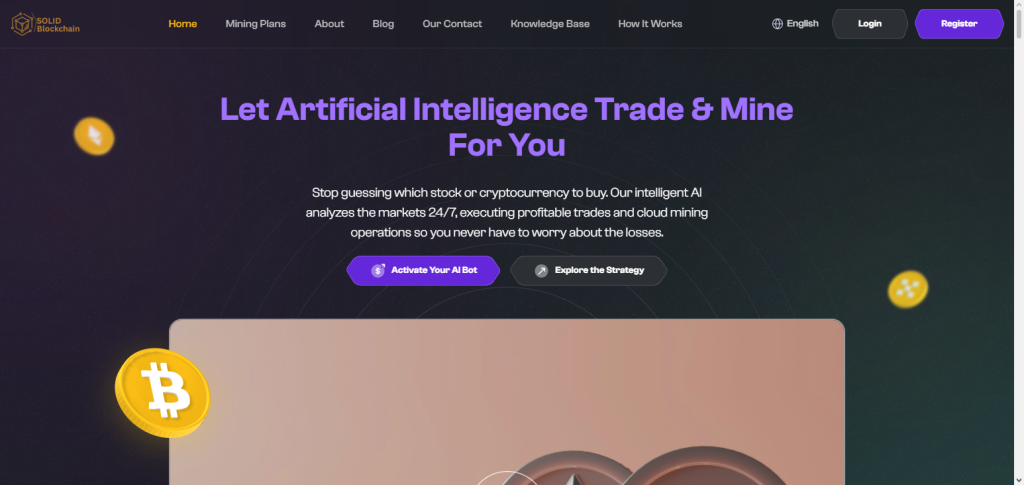
It creates digital real estate ownership and helps Premium Real Estate Investors gain access to lower barriers to entry. Compliance, security, and asset management are important to SolidBlock.
The infrastructure of SolidBlock is built with blockchain technology. The Firm develops bridges to connect the world of conventional real estate and of decentralized finance. The solutions yield faster engagements and greater liquidity.
Why It Matters SolidBlock
| Key Point | Why It Matters |
|---|---|
| Professional Asset Tokenization | SolidBlock matters because it provides technology for converting valuable real estate assets into blockchain-based investment products. |
| Fractional Investment Access | The platform allows expensive properties to be divided into smaller investment units. |
| Improved Asset Liquidity | Tokenization makes real estate ownership easier to transfer compared with traditional property sales. |
| Institutional Adoption | SolidBlock helps real estate companies and financial institutions adopt blockchain solutions. |
| Regulatory Focus | The platform emphasizes compliance and secure management of tokenized assets. |
| Transparent Ownership Tracking | Blockchain technology provides clear records of property ownership and transactions. |
| Connecting Real Estate With Digital Finance | SolidBlock helps bridge traditional property markets with emerging blockchain-based financial systems. |
5. Brickken
Brickken uses blockchain technology to develop digital securities for businesses and property proponents. As one of the several Platforms Turning Real Estate into Tradeable NFTs, Brickken offers the tools to convert real world assets into tokenized investments.
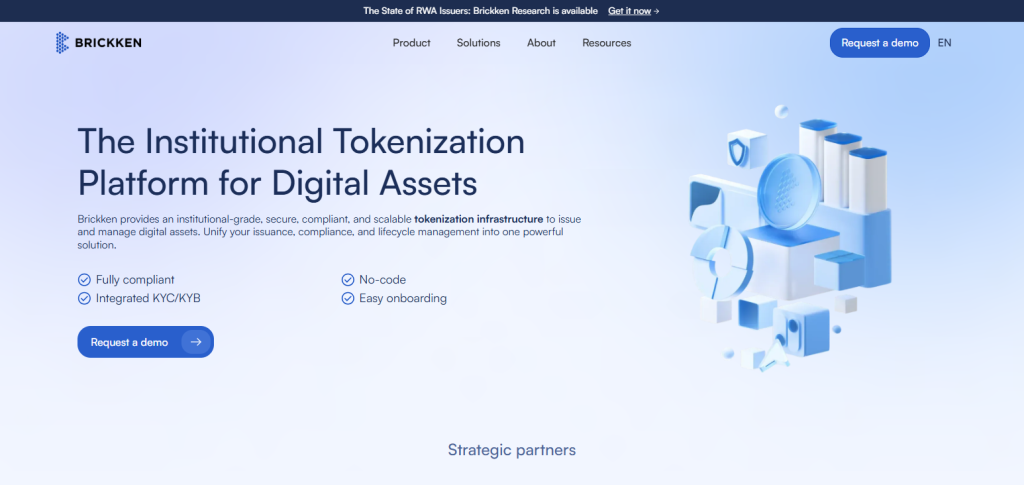
Brickken enables fractional property ownership, where rather than purchasing an entire property, property proponents can buy a fraction of a property as an investment. Brickken has automated management systems, compliance solutions, and smart contracts to assist in property tokenization.
The systems help real property asset owners to loosen the constraints of liquidity on their assets and assist investors to access a variety of property investments.
Why It Matters Brickken
| Key Point | Why It Matters |
|---|---|
| Simple Token Creation | Brickken matters because it provides tools that allow companies to easily create tokenized real estate assets. |
| Smart Contract Automation | The platform uses smart contracts to automate ownership transfers and investment processes. |
| Business-Friendly Blockchain Solutions | Brickken reduces technical complexity for businesses entering real estate tokenization. |
| Fractional Ownership Support | Investors can purchase smaller portions of properties through digital tokens. |
| Improved Investment Accessibility | The platform enables more people to participate in real estate markets. |
| Secure Digital Asset Management | Blockchain infrastructure helps manage ownership records safely. |
| Growth of Tokenized Assets | Brickken supports the wider adoption of digital ownership models across real-world assets. |
6. Tokeny
Tokeny provides an enterprise-level infrastructure system for asset tokenization. They are one of the compliant Platforms Turning Real Estate into Tradeable NFTs. Their system allows companies to issue, manage, and transfer ownership tokens on the blockchain in a secure way.
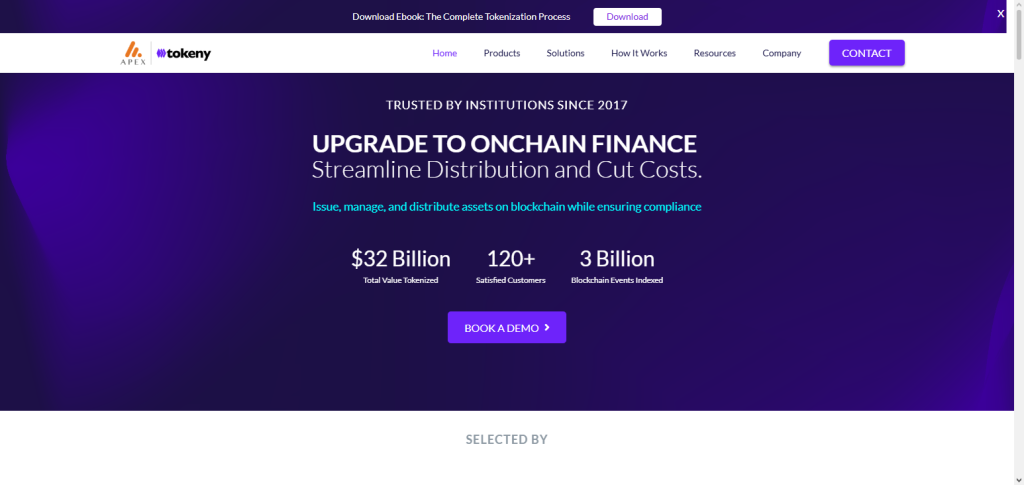
They believe that due diligence is important and include features like compliance and investor verification in control of digital assets. Their infrastructure allows real estate companies to create fractional investment models that allow multiple people to own a portion of a property.
By marrying the security of blockchain and the principles of traditional financial regulations, Tokeny aids institutions in the introduction of financial products to the marketplace, while also allowing improvements with accessibility and transparency to the market.
Why It Matters Tokeny
| Key Point | Why It Matters |
|---|---|
| Regulatory-Compliant Tokenization | Tokeny matters because it helps organizations create legally structured digital assets for real estate investments. |
| Enterprise Blockchain Infrastructure | The platform provides solutions for companies managing large-scale tokenized assets. |
| Secure Investor Verification | Tokeny improves security through identity management and compliance processes. |
| Digital Ownership Management | The platform enables efficient tracking and transfer of tokenized property ownership. |
| Institutional Confidence | Compliance-focused solutions encourage traditional companies to adopt blockchain technology. |
| Real Estate Market Efficiency | Tokeny helps reduce operational challenges in managing digital property investments. |
| Future Financial Infrastructure | The platform supports the development of regulated digital asset markets. |
7. Atlant
Atlant is created for decentralized digital ownership of tokenized real estate. Being an early Platform Turning Real Estate into Tradeable NFTs, Atlant built a bridge between physical assets and globally tradeable blockchain tokens.
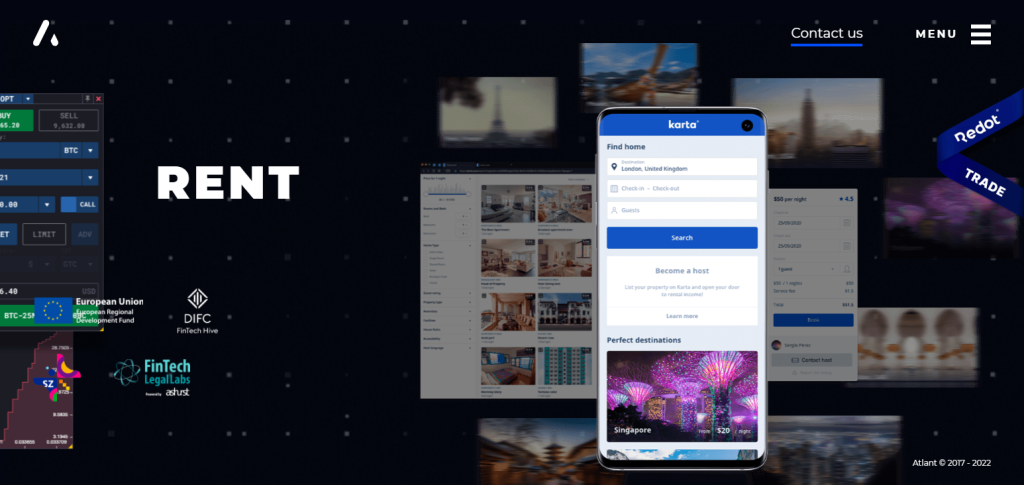
Various smart contracts are used by the platform to digitally represent ownership and rights to rental income. Atlant’s vision includes diminishing the barriers associated with traditional real estate and increasing the market’s liquidity for investors to transact within a global spectrum of property deals.
With the introduction of asset trading on a blockchain, Atlant outlines the aspect of tokenization and NFTs within a digital property investment system.
Why It Matters Atlant
| Key Point | Why It Matters |
|---|---|
| Early Blockchain Real Estate Innovation | Atlant matters because it introduced early concepts of using blockchain for property ownership and trading. |
| Digital Representation of Assets | The platform explored converting physical properties into blockchain-based digital tokens. |
| Improved Property Liquidity | Atlant aimed to make real estate assets easier to trade and transfer. |
| Decentralized Ownership Model | The platform demonstrated how blockchain could reduce dependence on traditional intermediaries. |
| Smart Contract Usage | Atlant showed how automated agreements could improve property transactions. |
| Real Estate Market Transformation | The project contributed ideas that influenced modern property tokenization platforms. |
| Foundation for Future Platforms | Atlant helped shape the development of today’s blockchain-based real estate solutions. |
8. Fraction
Fraction is empowering fractional ownership of real estate assets using blockchain technology. Fraction is among the rising number of Platforms Turning Real Estate into Tradeable NFTs and provides a way for investors to buy fractional digital ownership of high value properties.
Their platform breaks the value of real estate into smaller, digestible amounts; ultimately, expanding the market of investment opportunity. Fraction provides a way for property investors to tokenize their investments.
Tokenization is an important mechanism that provides clearer, easier, and more liquid ownership. Fraction combines grounded and established ways in which people invest in real estate with a more progressive and futuristic approach utilizing blockchain technology and decentralized markets.
Why It Matters Fraction
| Key Point | Why It Matters |
|---|---|
| Accessible Real Estate Investment | Fraction matters because it allows individuals to invest in properties without purchasing entire assets. |
| Shared Ownership Model | The platform enables multiple investors to own portions of the same property. |
| Lower Financial Barriers | Fraction makes premium real estate opportunities available to a wider audience. |
| Better Investment Flexibility | Investors can build diversified property portfolios through fractional ownership. |
| Blockchain Transparency | Digital records improve trust and ownership verification. |
| Easier Asset Transfers | Tokenized ownership can simplify buying and selling property shares. |
| Future of Shared Property Ownership | Fraction supports a shift toward digital and community-driven real estate investment. |
9. Smartlands
Smartlands, a blockchain platform, aims to tokenize several real-world assets, including both commercial and residential real estate. Smartlands has developed a platform that lets real estate owners build the digital asset-backed investment opportunities as tradeable NFTs.
Combining blockchain and transparency, Smartlands is able to provide automated transactions and the ability to fractionalize real estate investments. Understanding the multiple barriers investors face when accessing international real estate markets,
Smartlands removed the barriers of large amounts of startup equity. Smartlands connects on and off-chain assets to further enhance the real estate investment markets.
Why It Matters Smartlands
| Key Point | Why It Matters |
|---|---|
| Real-World Asset Tokenization | Smartlands matters because it transforms physical assets into blockchain-based digital investments. |
| Transparent Property Records | Blockchain technology improves ownership tracking and transaction visibility. |
| Smaller Investment Opportunities | Investors can access real estate markets without large capital requirements. |
| Automated Transactions | Smart contracts help streamline asset management and transfers. |
| Global Investment Access | Tokenized assets allow broader participation in property markets. |
| Secure Digital Ownership | Blockchain provides stronger protection for ownership records. |
| Modernizing Real Estate Finance | Smartlands demonstrates how blockchain can improve traditional property investment systems. |
10. Realbox
Realbox focuses on making real estate investing a reality through their digital assets and Web3 framework. As part of the Programs Creating Tradeable NFTs in Real Estate, Realbox brings this idea a step further by giving people the option to purchase tokenized fragments of real estate and take part in the world’s real estate markets.
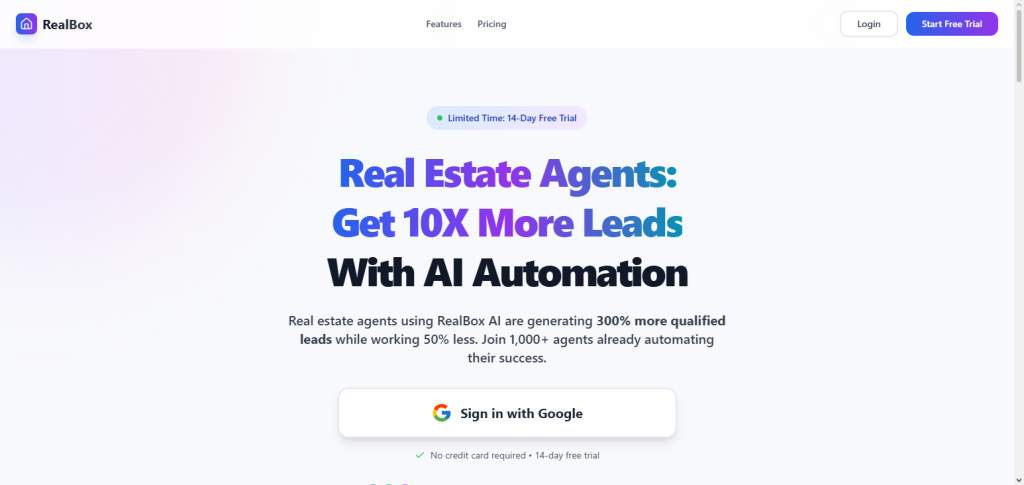
Combining NFT’s with smart contracts and decentralized finance, Realbox aims to make real estate investing a frictionless and modern process through the use of blockchain technology.
Realbox is the only platform of its kind looking to make the process tokenizing traditional real estate a reality by creating a framework where property can be owned and traded with ease.
Why It Matters Realbox
| Key Point | Why It Matters |
|---|---|
| Web3 Property Investment | Realbox matters because it introduces blockchain-powered real estate investment opportunities. |
| Fractional Ownership | The platform allows users to buy smaller shares of real estate assets. |
| Global Market Accessibility | Realbox helps investors access property opportunities beyond traditional boundaries. |
| Blockchain Transparency | Digital records provide secure ownership verification and transaction tracking. |
| Reduced Investment Barriers | The platform enables participation with lower capital requirements. |
| Digital Asset Trading | Realbox supports the idea of making real estate assets more flexible and transferable. |
| Future Real Estate Innovation | The platform contributes to the growth of NFT-based property markets and decentralized ownership models. |
Conclusion
Propy, Lofty AI, LABS Group, SolidBlock, Brickken, Tokeny, Atlant, Fraction, Smartlands, and Realbox are examples of platforms taking the innovation of digital assets, fractional ownership, and blockchain to combine and disrupt the traditional property market by tokenizing property. Tokenization is the process of offering small, marketable portions of high-value assets. Real estate can be an opaque and inaccessible market, but these platforms can increase transparency and reduce barriers to transactions. Additionally, these platforms can provide liquidity for a market that is generally illiquid. As blockchain technology becomes ubiquitous, NFT-based models for real estate will further shape the future of real property investment.
FAQ
Which are the leading Platforms Turning Real Estate into Tradeable NFTs?
Some leading Platforms Turning Real Estate into Tradeable NFTs include Propy, Lofty AI, LABS Group, SolidBlock, Brickken, Tokeny, Atlant, Fraction, Smartlands, and Realbox. These platforms use blockchain technology to tokenize properties, enable fractional ownership, and create new digital investment opportunities in the real estate sector.
Can anyone invest in tokenized real estate NFTs?
Investment availability depends on the platform, property regulations, and investor location. Some platforms allow global investors to participate, while others require identity verification, accredited investor status, or compliance with local financial laws. Investors should review platform rules and legal requirements before purchasing real estate NFTs.
Are real estate NFTs secure investments?
Real estate NFTs can provide improved security through blockchain-based ownership records and smart contracts. However, like traditional investments, they carry risks such as market fluctuations, regulatory changes, platform reliability issues, and property value changes. Investors should research the platform, underlying property, and legal framework before investing.
What blockchain technology is used for real estate NFTs?
Most real estate NFT platforms use blockchain networks such as Ethereum, Polygon, Stellar, and other smart contract-enabled blockchains. These networks provide decentralized recordkeeping, automated transactions, and secure digital ownership verification for tokenized real estate assets.