
Best Base Node Providers for Web3 developers 2026 In this article I am going to talk about the Best Base Node Providers for Web3 developers 2026. You will learn about the top providers, their Base network support, RPC protocols, node types, pricing, geographic coverage, scalability, performance, and developer features. This comparison will help you find the right Base node infrastructure to build, test and scale reliable blockchain applications.
What Are Base Node Providers?
Base node providers are infrastructure services that allow developers to reliably connect to the Base blockchain without the need to run and maintain their own blockchain nodes.
They expose RPC endpoints that apps use to read blockchain data, send transactions, interact with smart contract, get blocks, watch events and query account balances. Depending on the provider, services may include HTTP JSON-RPC, WebSocket connections, archive data, debugging and tracing APIs, real-time streams and scaling infrastructure.
dApps, DeFi platforms, wallets, NFT applications, games, tools for analytics, and other Web3 projects often rely on reliable blockchain connectivity, which is why they frequently use base node providers.
Key Points
| Base Node Provider | Key Point 1 | Key Point 2 |
|---|---|---|
| GetBlock | Base Mainnet RPC | JSON-RPC & WebSocket |
| Blockdaemon | Enterprise-grade infrastructure | Base RPC & APIs |
| NodeReal | Base Mainnet support | Ethereum-compatible JSON-RPC |
| Blast API | Managed Base RPC | Distributed infrastructure |
| Alchemy | Base Mainnet RPC | HTTP & WebSocket |
| QuickNode | Base Mainnet & Sepolia | HTTP & WebSocket |
| Chainstack | Managed Base infrastructure | JSON-RPC & WebSocket |
| Infura | Base connectivity | Ethereum-compatible RPC |
| Ankr | Base Mainnet RPC | JSON-RPC & WebSocket |
| dRPC | Base Mainnet RPC | HTTPS & WebSocket |
1. GetBlock
Founded: 2019. Base Network Support: Base Mainnet and Base RPC access for production. RPC Protocols: JSON-RPC, WebSocket Node/RPC Type: Shared and dedicated RPC infrastructure with archive options on supported networks.

Pricing: Free access is available. Paid plans are billed on Compute Units and RPS limits. Higher capacity and dedicated options are available for production workloads. Geographic coverage: Global infrastructure with multi-region routing options.
GetBlock is a scalable blockchain access for developers who have to run nodes themselves. Its Base infrastructure supports dApps, wallets, analytics applications, and higher volume workloads that need predictable RPC capacity.
| Characteristic | Details |
|---|---|
| Base Support | Base Mainnet and Base Sepolia access |
| RPC Protocols | JSON-RPC, WebSocket, GraphQL |
| Node/RPC Type | Shared, dedicated, and scalable RPC infrastructure |
| Performance | Low-latency endpoints with high-throughput capacity |
| Availability | 99.9%+ uptime positioning |
| Advanced Features | Automatic RPC failover, custom endpoints, analytics |
| Archive Access | Available for supported infrastructure configurations |
| Security | IP allowlisting and enterprise-oriented infrastructure |
| Pricing Model | Free/development access plus paid usage-based options |
| Best For | dApps, DeFi, GameFi, wallets, and production applications |
2 Blockdaemon
Founded: 2017 Base Network Support: Base Mainnet with dedicated Base API & RPC access RPC Protocols: REST and JSON-RPC API access. Node/RPC Type: Managed blockchain infrastructure, API services, and dedicated node infrastructure.
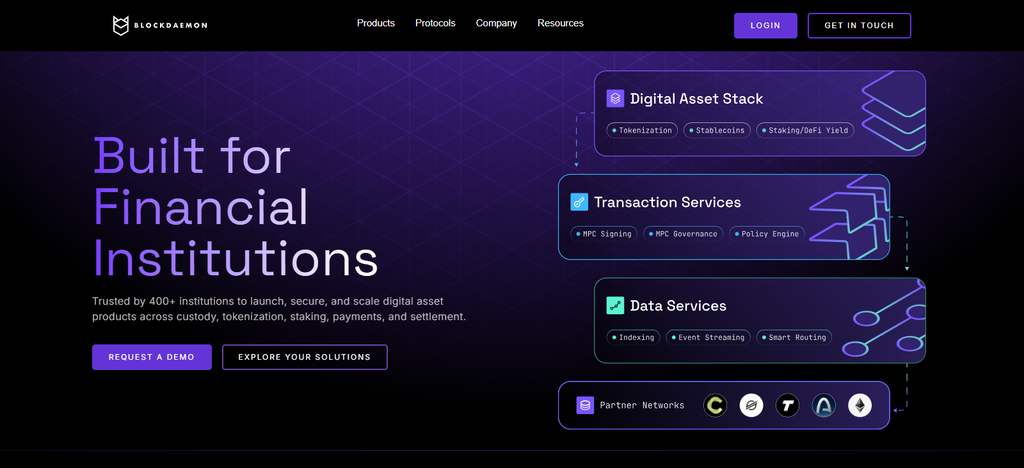
Pricing: Blockdaemon is mostly business and enterprise pricing, with a free trial or account-start option for developers. Geographic coverage: Global infrastructure with 70+ points of presence. Blockdaemon is a great fit for institutions and applications that need professional support, monitoring, scale and reliability.
The Base offering gives access to blockchain data without the need for teams to run their own Base node infrastructure, so it is useful for financial platforms, exchanges, wallets and enterprise Web3 apps.
| Characteristic | Details |
|---|---|
| Base Support | Base Mainnet and Base Testnet |
| RPC Protocols | RPC/API-based blockchain access |
| Node/RPC Type | Managed blockchain infrastructure and RPC services |
| Data Access | On-chain and historical protocol data |
| Transaction Support | Read and write transaction capabilities |
| Monitoring | On-chain event and transaction monitoring |
| Enterprise Focus | Strong institutional and enterprise orientation |
| Infrastructure | Managed, production-oriented blockchain infrastructure |
| Pricing Model | Business and enterprise-oriented plans |
| Best For | Institutions, exchanges, wallets, financial applications |
3. NodeReal
Year founded: 2021. Base Network Support: NodeReal’s infrastructure provides access to the Base Mainnet RPC. RPC Protocols: Ethereum JSON-RPC compatible. Node/RPC Type: Managed RPC and archive-node infrastructure as a component of its broader blockchain infrastructure platform.
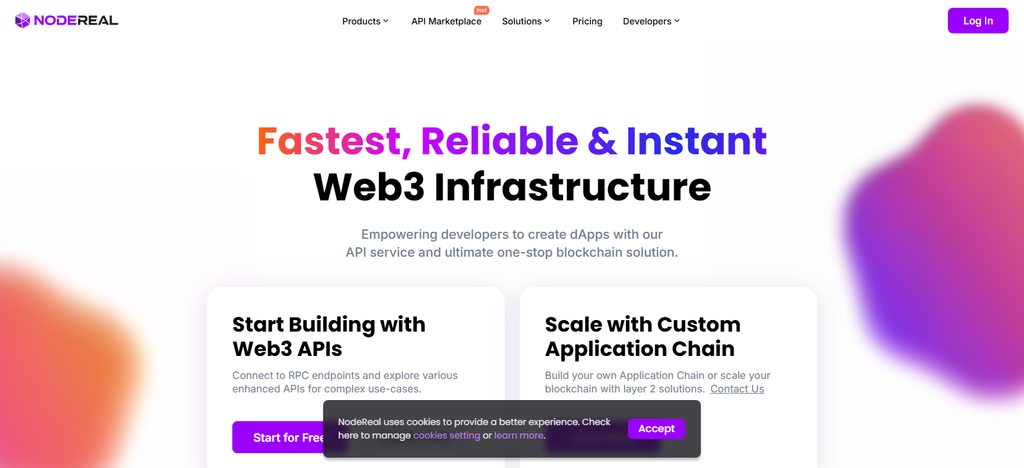
Pricing: Pricing is based on usage, infrastructure needs, and service configuration. Geographical Coverage: NodeReal is global, headquartered in Singapore, with infrastructure designed for global Web3 apps.
The Base RPC supports standard blockchain queries like balances, blocks, transactions, gas info and receipts. NodeReal is a plausible choice for developers seeking high-performance infrastructure and broader multi-chain support in addition to Base connectivity.
| Characteristic | Details |
|---|---|
| Base Support | Base Mainnet |
| RPC Protocols | Ethereum-compatible JSON-RPC |
| Node/RPC Type | Managed RPC infrastructure |
| API Access | API-key authenticated Base endpoint |
| Standard Methods | Block, account, transaction, contract and gas methods |
| Debugging | Debug and transaction tracing methods available |
| Data Functions | Logs, receipts, blocks, storage and transaction queries |
| Network Access | Dedicated Base Mainnet RPC endpoint |
| Pricing Model | Usage/service-based infrastructure plans |
| Best For | Developers needing detailed EVM RPC and debugging access |
4. Blast API
Founded 2022 by Bware Labs. Base Network Support The base infrastructure platform, Blast, supports connectivity. RPC Protocols: Interact with the blockchain by a JSON-RPC or via WebSocket, depending on the network and service configuration. Node/RPC Type: Managed, distributed RPC infrastructure for Web3 applications.

Pricing: Blast API has a free tier and infrastructure tiers that scale with usage. Pricing varies based on volume and needs. Geography: Global infrastructure for geographically distributed access to blockchain.
Blast API is built for fast RPC connectivity and developer infra. It’s a good fit for dApps, wallets, DeFi applications and teams who want managed blockchain access vs running their own Base nodes.
| Characteristic | Details |
|---|---|
| Base Support | Base network RPC access |
| RPC Type | Managed/distributed blockchain RPC |
| Connection Options | HTTP-based RPC and WebSocket availability depending on configuration |
| Infrastructure Model | Distributed blockchain node infrastructure |
| Scalability | Designed for scalable Web3 applications |
| Developer Focus | Fast blockchain connectivity |
| Multi-Chain | Supports infrastructure across multiple blockchain networks |
| Use Cases | dApps, DeFi, wallets and Web3 applications |
| Pricing Model | Free/development access with usage-oriented paid options |
| Best For | Developers seeking flexible managed RPC infrastructure |
5. Alchemy (Alquimia)
Founded in: 2017. Base Mainnet with Chain ID 8453, and the developer infrastructure surrounding the network. RPC protocols: HTTP JSON-RPC, WebSocket. Node/RPC Type: Managed shared and private RPC infrastructure with archive access and enhanced developer APIs.
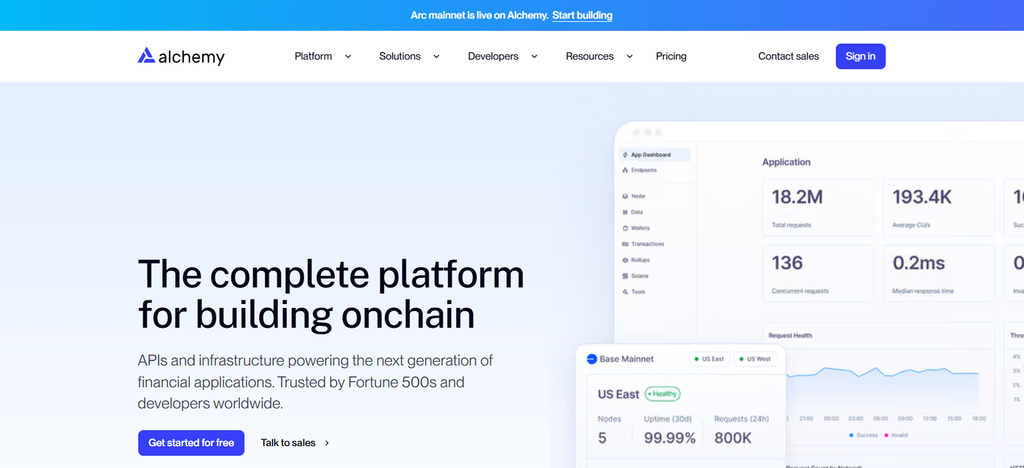
Pricing: Alchemy is free for development and there are paid plans for higher usage and production needs. Geographic Coverage: Access to a low latency blockchain worldwide. In addition to standard RPC, Alchemy offers WebSockets, webhooks, data streams, debugging, tracing, transaction receipts and more developer tools.
This makes it especially useful for Base dApps, wallets, NFT platforms, DeFi applications and developers building production applications requiring more than basic RPC connectivity.
| Characteristic | Details |
|---|---|
| Base Support | Base Mainnet and Base testnet resources |
| RPC Protocols | HTTP JSON-RPC and WebSocket |
| Node/RPC Type | Managed RPC infrastructure with private endpoints |
| Free Access | Public Base RPC and free developer tier |
| Pricing Model | Free, Pay-as-you-go and Enterprise |
| Developer APIs | RPC, Transfers, Tokens, NFT, Prices, Debug, Trace and more |
| Real-Time Features | WebSockets, Webhooks and data streams |
| Account Abstraction | Supported through Alchemy’s AA infrastructure |
| Scalability | Higher RPS and enterprise throughput options |
| Best For | dApps, wallets, DeFi, smart wallets and enterprise apps |
6. QuickNode
Established : 2017. Base Network Support: Base Mainnet and Base Sepolia with archive access. RPC protocols: HTTP JSON-RPC, WebSocket Node/RPC Type: Scalable managed RPC infrastructure with improved APIs, Streams, Webhooks and archive. Pricing: QuickNode offers a free-to-start option, with paid plans for more credits, higher limits, and enterprise features.
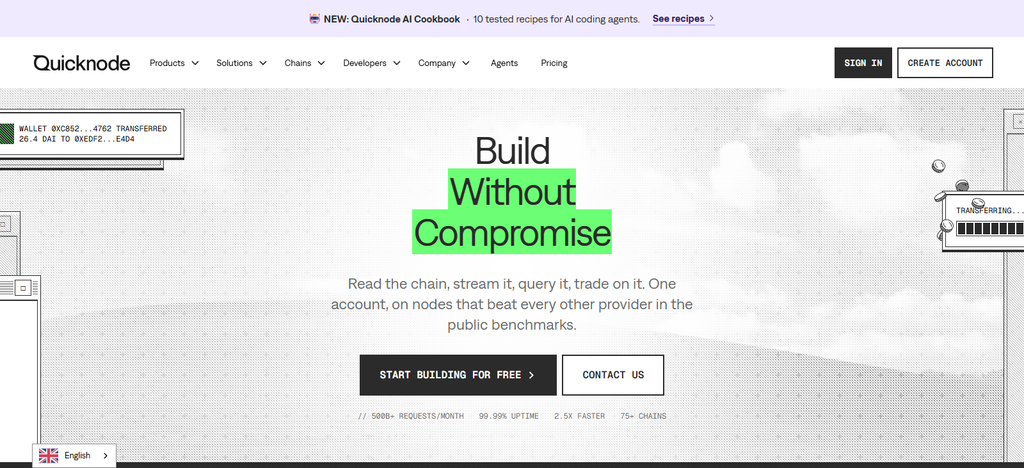
Global Distribution: Requests are routed to 17+ locations around the world for low latency access. Base-specific Flashblocks access and real-time subscriptions are also supported by QuickNode. With global routing, archive data, streaming, WebSockets, and production ready infrastructure, it’s a great choice for high traffic dApps, DeFi, gaming, analytics, and real-time Base applications.
| Characteristic | Details |
|---|---|
| Base Support | Base Mainnet and Base Sepolia |
| RPC Protocols | HTTP JSON-RPC and WebSocket |
| Node/RPC Type | Managed RPC, archive and dedicated infrastructure |
| Archive Support | Available for Mainnet and Sepolia |
| Flashblocks | Supported |
| Debug API | Supported |
| Trace API | Supported |
| OP-Node API | Supported |
| Additional Tools | Streams and Webhooks |
| Geographic Coverage | Global routing across multiple regions |
| Best For | High-traffic dApps, DeFi, gaming and real-time applications |
7. Chainstack
Established: 2018. Base Network Support: Offers base blockchain infrastructure and RPC support to developers and applications. RPC Protocols: JSON-RPC and WebSocket access depending on deployment and endpoint configuration.
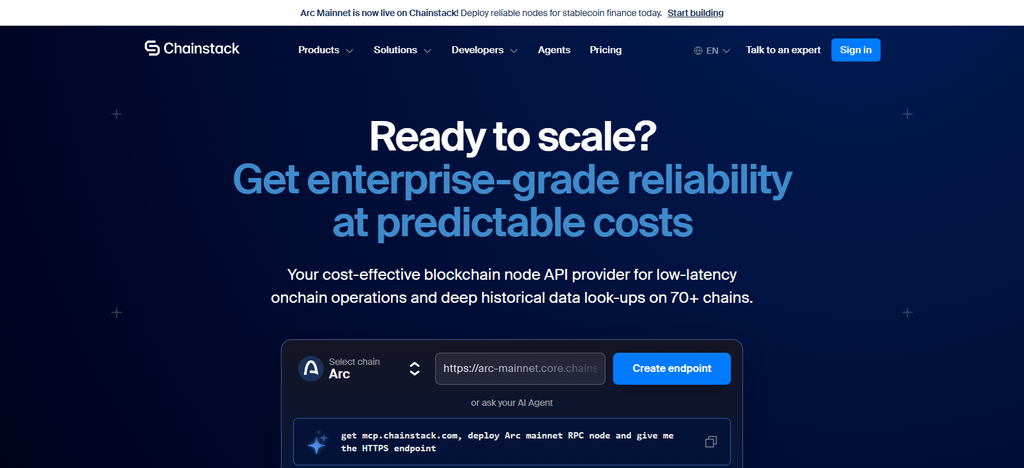
Node/RPC Type: Managed Blockchain Nodes and RPC Infrastructure deployed into cloud environments. Pricing: Chainstack offers both subscription-style infrastructure and usage-based options, with free development access and paid plans for larger workloads.
Geographic scope: Multi-region infrastructure designed to support applications worldwide. Chainstack’s focus is on simplifying the deployment, management, and scalability of blockchain infrastructure.
This utility is for projects that need managed nodes, production RPC, multi-chain infrastructure and operational controls, but don’t want to build an internal node-management stack for Base developers.
| Characteristic | Details |
|---|---|
| Base Support | Base blockchain infrastructure |
| RPC Protocols | JSON-RPC and WebSocket |
| Node/RPC Type | Managed blockchain nodes and RPC endpoints |
| Deployment | Cloud-based managed infrastructure |
| Scalability | Designed for production workloads |
| Multi-Chain | Broad multi-chain infrastructure |
| Node Management | Managed deployment and operational tooling |
| Developer Access | API endpoints and blockchain node infrastructure |
| Pricing Model | Usage-oriented plans with development options |
| Best For | Multi-chain applications and production Web3 infrastructure |
8. Infura
**Founded: **2015. Base Network Support Base is supported by Infura’s broader Ethereum and Layer-2 infrastructure ecosystem. RPC Protocols: Ethereum compatible JSON-RPC and WebSocket based connectivity where available. Node/RPC Type: Managed RPC infrastructure, full archive data, developer APIs.

Pricing: Infura offers a free Core plan, Developer plan at $50/mo, Team plan at $225/mo and custom Enterprise pricing. Geographic Coverage: Global infrastructure for developers and enterprises.
So if you’re a team that needs proven Web3 infrastructure, archive data, higher throughput, debugging and tracing capabilities, and professional support while connecting production applications to Base and other supported networks, Infura is a great fit.
| Characteristic | Details |
|---|---|
| Base Support | Base Mainnet and supported Base environments |
| RPC Protocols | Ethereum-compatible JSON-RPC |
| Node/RPC Type | Managed RPC and blockchain infrastructure |
| Data Access | Blockchain data and historical data services |
| Developer Tools | RPC APIs and Web3 infrastructure tools |
| Enterprise Support | Available |
| Scalability | Designed for production Web3 workloads |
| Multi-Chain | Broad blockchain network coverage |
| Pricing Model | Free and paid usage-based plans |
| Best For | dApps, wallets, infrastructure teams and enterprises |
9. Ankr
Founded: 2017. Base Network Support Access Base Mainnet RPC via Ankr’s decentralized Web3 infrastructure platform. RPC Protocols: HTTP/HTTPS JSON-RPC and WebSocket connectivity for supported networks.

Node/RPC Type: Public and Premium Distributed RPC Infrastructure, with dedicated options for larger workloads. Pricing: It is free to use for development and paid infrastructure based on usage for higher requirements. Geographic Coverage: Global infrastructure distributed to efficiently route requests to node locations.
Ankr empowers developers building multi-chain apps by offering a unified infrastructure platform to access Base and many other blockchain networks. Its larger RPC ecosystem makes it a good fit for wallets, dApps, DeFi platforms, NFT applications, and multi-chain connectivity applications.
| Characteristic | Details |
|---|---|
| Base Support | Base Mainnet |
| RPC Protocols | JSON-RPC over HTTP/HTTPS |
| Node/RPC Type | Managed and distributed RPC infrastructure |
| Standard API | EVM JSON-RPC methods |
| Base-Specific Features | Flashblocks methods |
| Multi-Chain | 80+ supported networks through its RPC API |
| Advanced Data | Enriched multichain data APIs |
| API Key | Required for production endpoint access |
| Pricing Model | Free/development access and usage-based options |
| Best For | Multi-chain dApps, wallets, DeFi and Web3 applications |
10. dRPC
Founded: 2022 Base Network Support: Base Mainnet RPC with public and premium Base endpoints. RPC Protocols: HTTPS, WebSocket, JSON-RPC Node/RPC Type: Distributed RPC infrastructure that aggregates blockchain data providers and routes requests across available infrastructure.
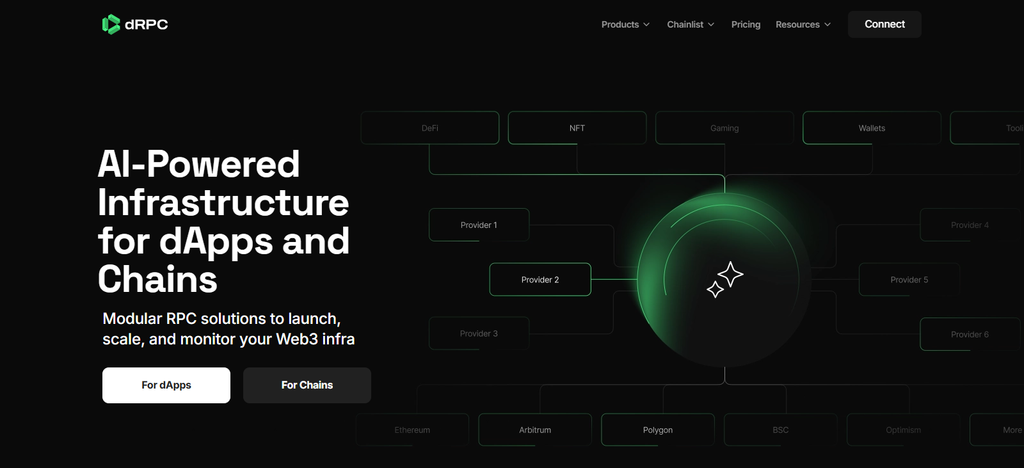
Pricing: dRPC uses a Compute Unit model. The current documentation shows a cost of $0.30 per 1 million Compute Units for regular RPC calls. Geographic Coverage: Global RPC availability and routing distributed infrastructure. dRPC implements Base methods for balances, blocks, transactions, gas estimation and other EVM operations.
Its distributed architecture makes it useful for developers looking for flexible Base RPC access, redundancy and multi-provider infrastructure, rather than a single node endpoint.
| Characteristic | Details |
|---|---|
| Base Support | Base Mainnet |
| RPC Protocols | HTTPS JSON-RPC and WebSocket |
| Node/RPC Type | Distributed RPC infrastructure |
| Public Endpoint | Available |
| Premium Endpoint | Available through account/API key |
| Routing Model | Distributed provider and infrastructure routing |
| Usage Measurement | Compute Units |
| Pricing Model | CU-based usage pricing |
| Developer Tools | RPC endpoint management and usage statistics |
| Best For | Flexible RPC access, redundancy and multi-provider workloads |
Comparison Table of the Best Base Node Providers
| Provider | Base Network Support | RPC Protocols | Node/RPC Type | Pricing Model | Geographic Coverage | Archive Access | WebSocket | Best For |
|---|---|---|---|---|---|---|---|---|
| GetBlock | Base Mainnet | JSON-RPC, WebSocket | Shared & Dedicated RPC | Free + Paid | Global | Available on supported plans | Yes | dApps, DeFi, Wallets |
| Blockdaemon | Base Mainnet & Testnet | RPC/API | Managed Node Infrastructure | Business/Enterprise | Global | Available | Available | Institutions & Enterprises |
| NodeReal | Base Mainnet | Ethereum JSON-RPC | Managed RPC | Usage-Based | Global | Available on supported infrastructure | Available | Advanced EVM Applications |
| Blast API | Base | JSON-RPC, WebSocket | Distributed RPC | Free + Paid | Global | Supported options | Yes | dApps & DeFi |
| Alchemy | Base Mainnet & Testnet | HTTP JSON-RPC, WebSocket | Managed RPC | Free + Pay-as-you-go | Global | Yes | Yes | Developers & Production dApps |
| QuickNode | Base Mainnet & Sepolia | HTTP JSON-RPC, WebSocket | Managed & Dedicated RPC | Free + Usage-Based | Global | Yes | Yes | High-Traffic dApps |
| Chainstack | Base | JSON-RPC, WebSocket | Managed Nodes & RPC | Usage-Based | Multi-Region | Supported | Yes | Multi-Chain Developers |
| Infura | Base | JSON-RPC, WebSocket | Managed RPC Infrastructure | Free + Paid | Global | Supported | Yes | Enterprise Web3 Apps |
| Ankr | Base Mainnet | JSON-RPC, WebSocket | Distributed RPC | Free + Usage-Based | Global | Supported options | Yes | Multi-Chain dApps |
| dRPC | Base Mainnet | HTTPS JSON-RPC, WebSocket | Distributed RPC | Compute Unit-Based | Global | Supported | Yes | Flexible RPC & Redundancy |
Conclusion
Depending on the traffic of your application, latency requirements, RPC features, pricing model and scaling needs, you can select the right Base node provider. Providers such as GetBlock, Blockdaemon, NodeReal, Blast API, Alchemy, QuickNode, Chainstack,
Infura, Ankr, and dRPC provide different strategies for Base infrastructure, ranging from managed RPC endpoints and WebSocket access to archive data, worldwide infrastructure, and enterprise-grade services.
Developers should compare Base Mainnet support, RPC protocols, node types, usage limits, pricing, geographic coverage, reliability, and developer tools before making a choice. In the end, the best Base node provider is the one that best meets your project’s technical requirements, budget, and expected growth.
FAQ
What is a Base node provider?
A Base node provider offers managed infrastructure that allows developers to connect applications to the Base blockchain without running and maintaining their own nodes. Providers typically offer RPC endpoints, APIs, WebSocket connections, blockchain data access, and other infrastructure services.
Which is the best Base node provider in 2026?
The best provider depends on your requirements. Alchemy and QuickNode are strong choices for developer tooling and scalable applications, while Blockdaemon can suit enterprise workloads. GetBlock, Chainstack, Ankr, and dRPC can be considered for flexible RPC and multi-chain infrastructure.
Are Base node providers free?
Many Base node providers offer free tiers or limited free usage for development and testing. Production applications generally require paid plans when they exceed request, compute-unit, bandwidth, or rate-limit allowances.
Does Base support JSON-RPC?
Yes. Base is EVM-compatible and developers can interact with the network through Ethereum-compatible JSON-RPC methods. Providers commonly expose these methods through managed HTTP or HTTPS endpoints.