

In this article, I am going to talk about the Best Web3 Games on Immutable and what makes each title worth playing. I’ll break down their gameplay, how they use blockchain, NFTs, tokens, how to get in, platforms, game status, and what it’s like to play. Whether it’s RPGs, strategy games, card battles, MMORPGs or sandbox worlds, you’ll find the right Immutable game with this guide.
- Key Points
- 1. Gods Unchained
- Why It Made the List
- 2. Guardian Guilds
- Why It Made the List
- 3. RavenQuest
- Why It Made the List
- 4. Might and Magic: Fates
- Why It Made the List
- 5. Wilder World
- Why It Made the List
- 6. Medieval Empires
- Why It Made the List
- 7. Ragnarok: Hero Sharing
- Why It Made the List
- 8. DreamWorld
- Why It Made the List
- 9. Chainers
- Why It Made the List
- 10. Pocket Legions
- Why It Made the List
- Conclusion
- FAQ
Key Points
| Web3 Game | Game Type | 2026 Status / Release | Platform / Availability | Key Web3 Angle |
|---|---|---|---|---|
| Gods Unchained | Trading Card, Strategy, Multiplayer | Available Now | PC | Collectible on-chain cards and digital ownership |
| Guild of Guardians | Idle RPG, Adventure | Available | Mobile | Player-owned Guardians and digital assets |
| RavenQuest | MMORPG, Adventure | Released Dec. 3, 2025 | PC | Player ownership, land and tradable items |
| Might & Magic: Fates | Card, Tactical, Strategy | Released Feb. 4, 2026 | Mobile & Steam | Collectible digital cards |
| Wilder World | Open World, MMO, FPS, Racing | Released Dec. 19, 2025 | PC | Digital assets and player-owned virtual world |
| Medieval Empires | Strategy, MMO | Released Mar. 4, 2026 | Available on Immutable Play | Play-and-own economy and digital assets |
| Ragnarok: Sharing Hero | RPG, Adventure | Released Mar. 26, 2026 | Available on Immutable Play | Web3-enabled RPG ecosystem |
| DreamWorld | Sandbox, Open World, Simulation, Multiplayer | Released Mar. 11, 2026 | Available on Immutable Play | Player-driven virtual-world economy |
| Chainers | MMO, Simulation | Released Nov. 13, 2025 | Play Now | Player-owned economy |
| Pocket Legions | Strategy | Released Jun. 18, 2026 | Play Now | Web3 gaming/rewards ecosystem |
1. Gods Unchained
Founded/Launched: Gods Unchained was launched in 2018 and was developed by Immutable. Game Status: Out now. Our Score: 9.2/10. Blockchain: Ethereum-based with Immutable X infrastructure. ** Entry Cost:** Free to play with starter cards, optional NFT cards & marketplace trading.
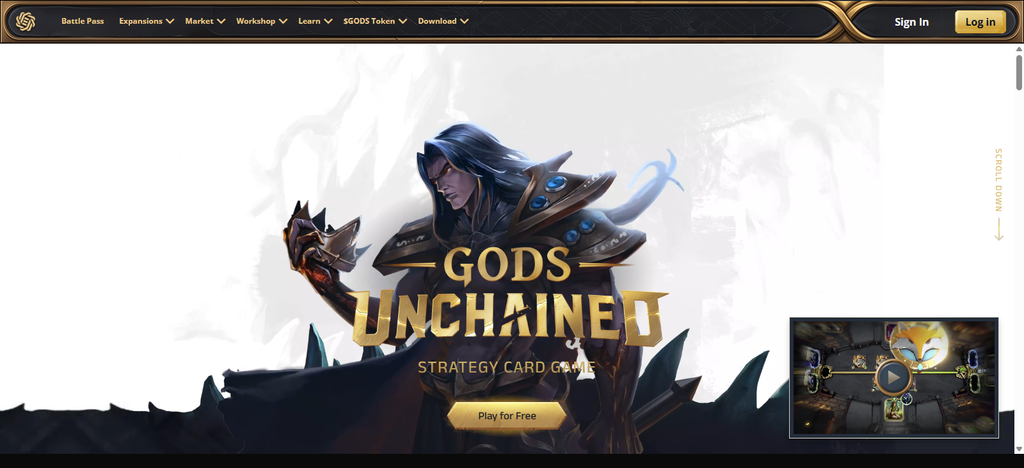
Token: GODS. Gameplay Experience: In this competitive trading-card game, players construct decks inspired by various gods and engage in strategic battles against other players. NFT Role: Certain cards are tradable and ownable as digital cards in the form of NFT’s. It’s still one of the most recognizable Web3 games from Immutable.
Why It Made the List
- Established Web3 Card Game: One of the more established blockchain trading card games in the Immutable ecosystem.
- Strategic Gameplay: Deck building and tactical card battles provide more than basic NFT collecting.
Digital Ownership: Qualified cards can be player-owned digital resources. - Free-to-Start Model The core game is playable for free without having to make expensive NFT purchases upfront.
Strong Immutable Identity: With its long lifespan, it is a natural candidate for an Immutable-centric list in 2026.
| Pros | Cons |
|---|---|
| Deep strategic card battles | Competitive learning curve |
| Strong card-collection system | Large card pool can feel overwhelming |
| Free-to-start gameplay | Premium cards can be costly |
| Established Web3 gaming ecosystem | Blockchain features may confuse beginners |
| Player-owned tradable cards | Marketplace activity can vary |
2. Guardian Guilds
Founded/Launched: Guild of Guardians was originally developed as a mobile-first Web3 RPG before a full launch. Game Status: Available (Availability may vary by country and region) Our Score: 9.0/10 Blockchain: Immutable ecosystem. Entry Cost: Designed to be playable without the need to buy NFTs before playing.
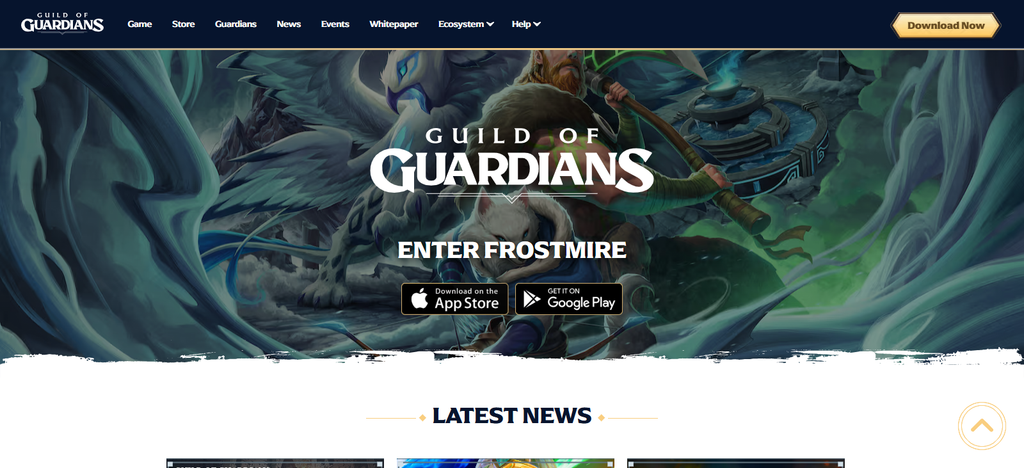
Token: GOG. Gameplay Experience: Players assemble teams of Guardians, advance through RPG content, and participate in combat-centric activities. NFT Role: Player ownership features can be enabled in the ecosystem through guardians and other digital resources.
Mobile Focused: What is particularly noteworthy about the game is that it brings Immutable’s Web3 gaming model to mobile players, though some features and access may be limited by geography.
Why It Made the List
- Mobile-Friendly RPG: Delivers a Web3 RPG experience to mobile gamers.
- Team-Based Combat: Progression provides strategic depth in team building and Guardian selection.
Player-Owned Assets: Guardians, and other electronic assets bring meaningful ownership mechanics.
Entry Point: The game should be accessible to players without making NFT ownership the prerequisite.
Strong ecosystem position: Its mix of RPG elements, mobile accessibility and Web3 features make it a standout Immutable title.
| Pros | Cons |
|---|---|
| Designed for mobile gaming | Mobile-focused experience may not suit PC-first players |
| Squad-based RPG combat | Team management can become complex |
| Guardian collection adds progression | Collectible-focused mechanics may not appeal to everyone |
| Accessible entry experience | Some features can vary by region |
| Web3 ownership mechanics | Blockchain elements add another layer to learn |
3. RavenQuest
Founded/Launched: RavenQuest is an offshoot of Tavernlight Games’ MMORPG RavenDawn, which launched in January 2024, prior to RavenQuest’s Web3 expansion. Game Status: Live. Our Score: 9.1/10 Blockchain: Immutable ecosystem Entry Cost: Built for the accessible MMORPG experience, not for the players to buy an NFT to start playing.
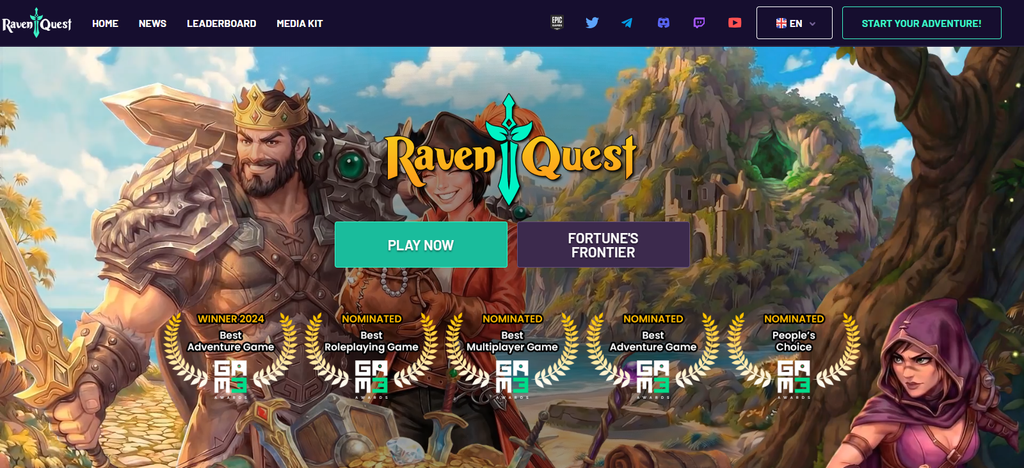
Token: The game has an in-game economy and player ownership features. Gameplay Experience: RavenQuest provides open-world MMORPG gameplay with exploration, combat, progression, trading and social interaction.
NFT Role: Player-owned land and tradable items are a core part of its Web3 layer. What’s unique about its approach is that the gameplay was created first and ownership technology was added as an auxiliary, not a replacement, of the core MMO experience.
Why It Made the List
- Full MMORPG Experience: Provides a far larger and more complex game world than simple blockchain collectibles games.
- Open-World Exploration: Players can explore, fight, trade and progress in a persistent world.
- Player Economy Trade and ownership are part of the bigger economic systems of the game.
- **Land and Digital Assets: ** Player owned elements make the Web3 layer matter.
- Gameplay-First: Its biggest strength is the fusion of classic MMORPG gameplay with blockchain ownership.
| Pros | Cons |
|---|---|
| Full MMORPG experience | Requires more time than casual games |
| Large open-world environment | MMO systems can feel complex for beginners |
| Player-driven economy | Economic mechanics require learning |
| Trading and ownership systems | Virtual assets can introduce additional costs |
| Strong social gameplay potential | Long-term progression demands commitment |
4. Might and Magic: Fates
Founded/Launched: February 4, 2026 (Might & Magic: Fates launched) Game Status: Available now. Our Score: 8.8/10 Blockchain: Immutable environment. Entry Cost: Playable without buying an initial NFT.
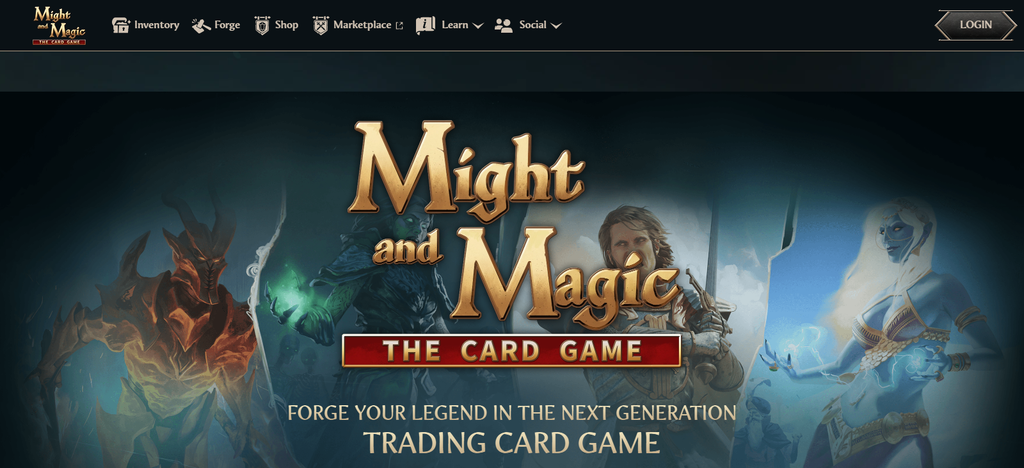
Token: No need for a cryptocurrency to start, and the game is all about cards and tactical progression. Playing the game: You will control heroes, summon creatures, cast spells, build tactical structures, and build decks for strategic card battles.
NFT Role: Collectible cards are the primary digital-ownership layer. Platforms: The game is listed for Mobile and Steam by Immutable. It is one of the more accessible new Immutable titles in 2026.
Why It Made the List
- Known Franchise: Links Web3 gaming with the existing Might & Magic universe.
- Tactical Card Battles: Card-game enthusiasts will enjoy the deck building and strategic combat.
- Multiple Platforms: It’s available on mobile and Steam, which expands the audience.
- Collectibles: Digital cards are an important part of ownership and collection.
- 2026 NEW EDITION: It’s one of the newer Immutable games, so it’s worth keeping an eye out for.
| Pros | Cons |
|---|---|
| Recognizable Might & Magic universe | Card-game format may not appeal to all RPG fans |
| Tactical deck-building gameplay | Strategic battles require learning |
| Available across mobile and Steam | Experience can differ between platforms |
| Collectible card mechanics | Building competitive collections can take time |
| Suitable for strategy fans | Newer title has a shorter track record |
5. Wilder World
Founded/Launched: Wilder World made its current Immutable Play debut on December 19, 2025. Game Status: Available/Live Ecosystem Development Our Score: 8.9/10 Blockchain: Immutable ecosystem.
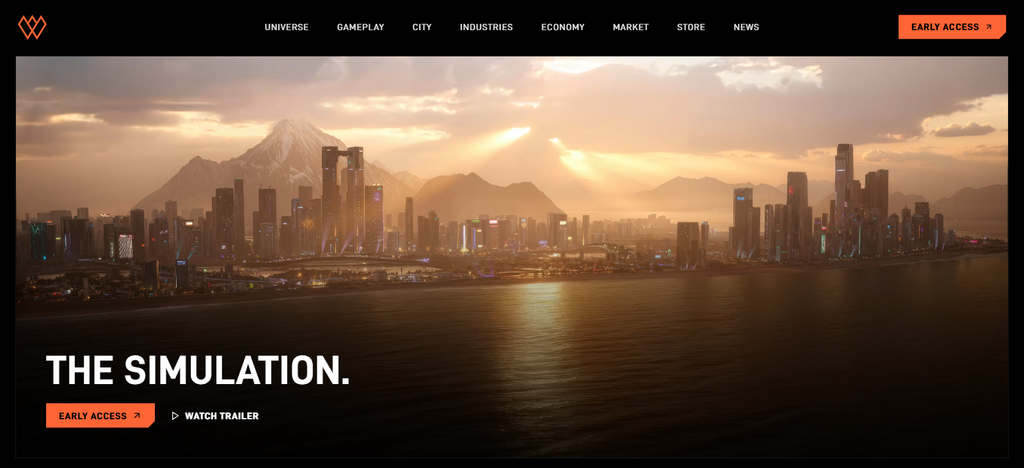
Entry Cost: Player activities and availability may vary by game, please refer to the current requirements at the time of asset purchase. Token The ecosystem includes digital resources and its own economy. Playing the game: Wilder World is a mix of open-world exploration and MMO, shooter, FPS and racing. Role of NFT: Digital ownership is embedded in the economy of the virtual world.
Its key differentiator is the attempt of combining a few traditionally separate genres within one large scale Web3 environment, rather than focusing on just one gameplay loop.
Why It Made the List
- Ambitious Virtual World: Goes beyond a single gameplay genre by combining several experiences.
- Multiple Game Modes: MMO, FPS, shooter and racing elements create a broader gameplay proposition.
- Open-World Focus: Exploration and interaction are central to its virtual-world concept.
- Digital Ownership: Web3 assets complement the game’s virtual economy.
- High Innovation Potential: Its combination of genres makes it considerably different from traditional blockchain games.
| Pros | Cons |
|---|---|
| Ambitious open-world concept | Large scope can increase complexity |
| Combines multiple gameplay genres | Multiple systems may feel overwhelming |
| MMO and multiplayer elements | Requires stronger hardware than simple Web3 games |
| Strong virtual-world focus | Not every feature may appeal to traditional gamers |
| Interesting digital-ownership model | Development of a large virtual world takes time |
6. Medieval Empires
Founded/Launched: Medieval Empires was launched on March 4, 2026. Game Status: Currently Available. Our Score: 8.7/10. Blockchain: Immutable ecosystem. Entry Cost: Designed to let players jump into the game experience, rather than having to buy an NFT just to understand the core mechanics.
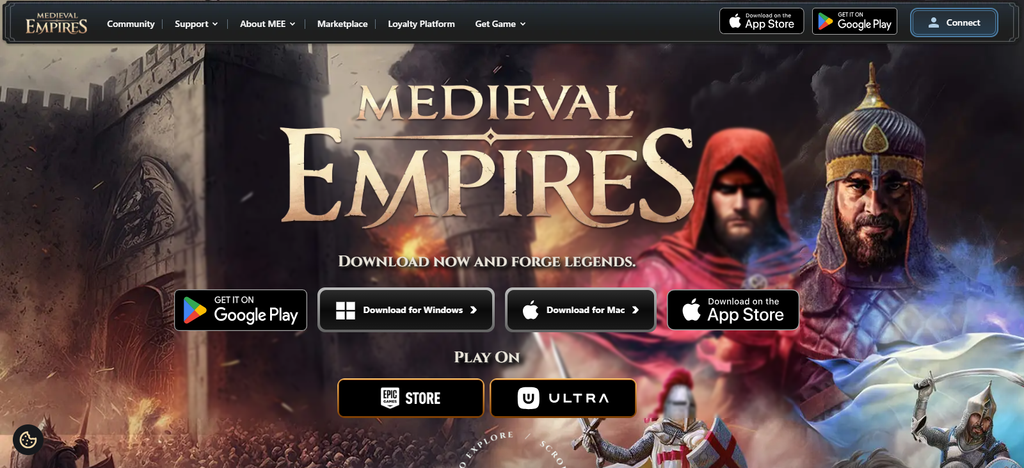
Token: Web3 economy supports ownership, trading features. Playing the game: Players build, trade and fight as they expand a medieval empire and choose between factions such as the Kayi Turkic tribe and the Crusaders.
NFT Role: Digital ownership is tied to the game’s play-and-own strategy model. The title has a strong strategy focus with its mix of territorial expansion, resource management, missions and future PvP.
Why It Made the List
- Strategy-Focused Gameplay: Building and managing an empire gives the game a clear strategic identity.
- Resource Management: Trading, development and expansion create multiple gameplay decisions.
- Combat Systems: Players can combine economic development with military strategy.
- Play-and-Own Model: Blockchain ownership is incorporated into the game’s broader economy.
- Medieval Setting: The historical-inspired setting gives it a recognizable theme compared with many fantasy-focused Web3 games.
| Pros | Cons |
|---|---|
| Strong strategy focus | Strategy gameplay may have a steep learning curve |
| Empire-building mechanics | Progression can require significant time |
| Resource management adds depth | Multiple systems can feel complicated |
| Medieval setting is easy to understand | Appeals mainly to strategy-focused players |
| Play-and-own mechanics | Web3 economy adds additional complexity |
7. Ragnarok: Hero Sharing
Launched/Founded: The current listing for Immutable Play shows a release date of March 26, 2026. Game Status: LIVE in the current ecosystem with current events and rewards. Our Score: 8.6/10. Blockchain: Immutable ecosystem. Entry Cost: The game is accessible without requiring NFTs to be a primary barrier to entry.
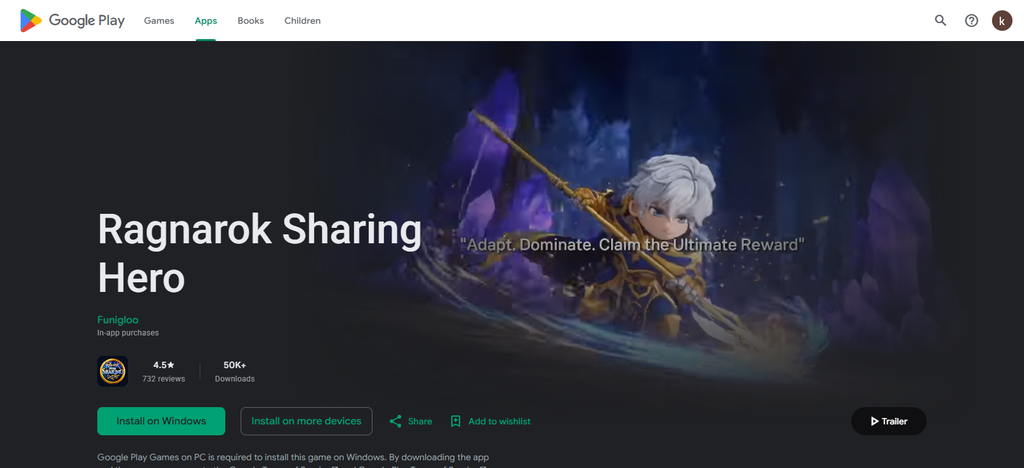
Token: The current experience uses in-game ranking and reward systems, rather than requiring players to buy cryptocurrency before playing.
Gameplay Experience Players can collect and lead heroes, fight in PvP and real-time battles, and select the Cosmos and Chaos sides. NFT Role: Digital collectibles and Web3 rewards add to the RPG experience, without replacing its combat mechanics.
Why It Made the List
- Recognizable IP: Uses the established Ragnarok universe to attract existing RPG fans.
- Hero Collection: Collecting and developing heroes provides a straightforward progression system.
- Real-Time Battles: Combat adds an active competitive element to the experience.
- PvP Gameplay: Players can compete rather than relying entirely on single-player progression.
- Web3 Integration: Digital assets and rewards add an ownership layer to the traditional RPG formula.
| Pros | Cons |
|---|---|
| Familiar Ragnarok universe | Franchise familiarity may matter less to new players |
| Hero-collection mechanics | Collection systems can become repetitive |
| Real-time battles | Competitive gameplay may require regular play |
| PvP adds replay value | PvP balance can affect the experience |
| Combines RPG and Web3 elements | Newer ecosystem means a shorter gameplay history |
8. DreamWorld
Found/Launch Date: DreamWorld’s Immutable Play is scheduled to be released on March 11, 2026. Game Status: Released. Our Score: 8.5/10. Blockchain: Immutable network. Entry Cost: The game isn’t a mandatory NFT purchase to understand the game, but rather a multiplayer sandbox experience.
Token: Its Web3 layer is about digital ownership and rewards in the wider ecosystem. Gameplay Experience: The game has simulation, open-world, multiplayer and sandbox elements, providing players with a flexible environment as opposed to a strictly defined linear campaign.
NFT role: Digital ownership might be tied to virtual-world progression and collectibles. The biggest differentiator is the sandbox structure, which allows players more freedom to explore and engage in a shared virtual environment.
Why It Made the List
- Sandbox Experience: Gives players more freedom than a linear, mission-only game.
- Open-World Gameplay: Exploration is an important part of its overall experience.
- Multiplayer Focus: Players can participate in a shared virtual environment.
- Simulation Elements: Its systems go beyond straightforward combat-focused gameplay.
- Web3 Potential: Digital ownership can complement player-created and virtual-world experiences.
| Pros | Cons |
|---|---|
| Open-world sandbox concept | Sandbox games can lack clear direction |
| Multiplayer experience | Online experience depends on the player community |
| Simulation elements add variety | Multiple systems may require a learning period |
| Player freedom | Less structured gameplay may not suit everyone |
| Web3 ownership possibilities | The Web3 layer may be less important to purely traditional gamers |
9. Chainers
Founded/Launched: Chainers entered the Web3 gaming market first and then joined the Immutable gaming ecosystem. Play Status: Playable/available via Immutable Play. Our Score: 8.3/10. Blockchain: Unalterable system.
Entry Cost: Built with a friendly free-to-play model, enabling players to test core systems before purchasing optional digital content. Token: ** The game has a Web3-oriented economy and reward system. Playing the game: Chainers is a mix of MMO and simulation, with a player-driven world and an emphasis on character development and building.
NFT Role: Player-owned digital resources are meant to facilitate progression and the game economy. What makes it appealing is that it takes ownership and puts it into the persistent-world mechanics instead of making blockchain transactions the whole experience of the gameplay.
Why It Made the List
- MMO Elements: Persistent multiplayer environment versus short standalone experience.
- Simulation Gameplay: Character development and world-building add variety.
Player Ownership: Web3 assets are associated with the broader ecosystem of the game. - Alternate Play Style: The mix of MMO and simulation mechanics helps it stand out from card and RPG titles.
| Pros | Cons |
|---|---|
| Free-to-play approach | Free access does not guarantee every feature is free |
| MMO-style environment | MMO progression can be time-consuming |
| Simulation mechanics | Gameplay may feel slower for action-game fans |
| Player-owned digital assets | NFT mechanics require additional understanding |
| Accessible Web3 concept | Long-term appeal depends on continued ecosystem development |
10. Pocket Legions
Founded/Launched: Pocket Legions is the latest game in the 2026 Immutable gaming lineup, with an Immutable Play release date of June 18, 2026. Game Status: Out now. Our Score: 8.1/10. Blockchain: Immutable network. Entry Cost: Verify current entry requirements before purchase, as requirements for access to Web3 games and assets may change during development.
Token: It has rewards and digital resources oriented to Web3. Gameplay Experience: Pocket Legions is a strategy game focused on unit management, tactical decisions, and progression. Role of NFT: Digital ownership is another layer in the strategy ecosystem. The biggest advantage is that it’s a newer 2026 title that focuses on the emerging strategy games at Immutable, rather than years worth of legacy content.
Why It Made the List
- Strategy Gameplay: Tactical decision-making is at the heart of the experience.
- Newer 2026 Title: It’s newness gives it a spot among the up-and-coming Immutable games.
- Web3 Integration: Blockchain-related features and digital possessions add a layer of ownership.
- Easy to Understand: Traditional gamers usually understand strategy games better than complicated blockchain economies.
- Future Potential Being a newer title, it has the ability to become more and more relevant in the Immutable ecosystem with continued development and feature expansion.
| Pros | Cons |
|---|---|
| Straightforward strategy concept | Strategy fans may expect deeper mechanics |
| Newer Immutable ecosystem title | Limited long-term track record |
| Web3 features complement gameplay | Blockchain elements can add complexity |
| Suitable for strategy-focused players | Smaller established community than older titles |
| Potential for continued development | Future features and ecosystem growth can change the experience |
Conclusion
The best Web3 games on Immutable in 2026 are indicative of the way that blockchain gaming is evolving past simple NFT speculation toward deeper gameplay, digital ownership and player-driven economies.
From the strategic card battles of Gods Unchained and the RPG experience of Guild of Guardians, to the open-world gameplay of RavenQuest and Wilder World, each title offers a different reason to explore Web3 gaming.
The diversity of the Immutable ecosystem is also on the rise with newer games like Might & Magic: Fates and Pocket Legions. Ultimately, the right game for you depends on your preferred genre, platform, entry cost, and interest in NFTs and blockchain-based ownership.
FAQ
What are Web3 games on Immutable?
Web3 games on Immutable are blockchain-powered games that can incorporate digital ownership, NFTs, token-based economies, and on-chain assets into traditional gaming experiences. The Immutable ecosystem supports games across genres such as RPGs, strategy, trading cards, MMORPGs, and sandbox games.
Are Immutable Web3 games free to play?
Some Immutable games are free-to-play or free-to-start, while others may include optional purchases, NFTs, or other digital assets. Players should check the individual game’s current requirements before spending money.
Do I need NFTs to play Immutable games?
Not necessarily. Many games are designed so players can experience core gameplay without purchasing NFTs first. However, NFTs may provide additional ownership, collectibles, characters, cards, land, or other in-game assets depending on the title.
Which is the best Web3 game on Immutable in 2026?
There is no single best game for every player. Gods Unchained is a strong choice for trading-card fans, Guild of Guardians suits RPG players, while RavenQuest is better suited to players looking for an MMORPG experience.
What types of games are available on Immutable?
Immutable supports a broad range of Web3 games, including RPGs, trading card games, strategy games, MMORPGs, shooters, racing games, simulation games, and sandbox experiences.