


Here, I discuss the Best Audit Management Software that assists organizations in refining audit practices, strengthening compliance, controlling risk factors, and automating various processes.
- What is Audit Management Software?
- Why Choose Audit Management Software for Smarter Audits
- Best Audit Management Software List
- 10 Best Audit Management Software for Smarter Audits 2026
- 1. TeamMate+
- TeamMate+ Features, Pros & Cons
- Features:
- Pros:
- Cons:
- 2. Resolver
- Resolver Features, Pros & Cons
- Features:
- Pros:
- Cons:
- 3. MetricStream Audit Management
- MetricStream Audit Management Features, Pros & Cons
- Features:
- Pros:
- Cons:
- 4. Oracle Risk Management Cloud
- Oracle Risk Management Cloud Features, Pros & Cons
- Features:
- Pros:
- Cons:
- 5. Wolters Kluwer TeamMate
- Wolters Kluwer TeamMate Features, Pros & Cons
- Features:
- Pros:
- Cons:
- 6. Galvanize (Diligent)
- Galvanize (Diligent) Features, Pros & Cons
- Features:
- Pros:
- Cons:
- 7. Onspring Audit Software
- Onspring Audit Software Features, Pros & Cons
- Features:
- Pros:
- Cons:
- 8. Workiva Audit Management
- Workiva Audit Management Features, Pros & Cons
- Features:
- Pros:
- Cons:
- 9. MasterControl Audit
- MasterControl Audit Features, Pros & Cons
- Features:
- Pros:
- Cons:
- 10. ZenGRC Audit
- ZenGRC Audit Features, Pros & Cons
- Features:
- Pros:
- Cons:
- Conclusion
- FAQ
With such informed solutions as audit planning, reporting, and documentation, and even real-time monitoring, companies can have better audit and documentation practices while saving time and automating the management of audits.
What is Audit Management Software?
Audit Management Software enables entities to manage audit activities digitally and within a single, centralized platform.
Many audit management processes are automated, including audit scheduling, risk assessment, evidence collection, documentation, compliance verification, reporting, and issue tracking. This improves the accuracy of audits, reduces paperwork, and helps the teams stay compliant and in touch with stakeholders.
The Best Audit Management Software is preferable among enterprises, financial institutions, healthcare organizations, and government agencies because it helps control internal processes, identify risks, and make rational business decisions, audit processes are better and more effective.
Why Choose Audit Management Software for Smarter Audits
Automates Audit Tasks: With audit management software, most steps in the audit process like planning, scheduling, documenting, getting approvals, and reporting are automated. These result in lots of time savings and reducing manual work.
Improves the Precision of Audits: Software helps maintain the integrity of the audit process and helps auditors identify errors and prepare extremely reliable audit reports.
Improves the Management of Risks: The software does a good job of identifying risk and helps auditors determine what areas to focus on that contain the greatest threats.
Audit Data is Stored in One Place: Secure management software allows organizations to store audit documents and evidence, audit findings, and any reports in one centralized location.
Saves Money and Time: As a direct result of a cycle time reduction of the audits and improved team productivity, management has more time to focus on higher level tasks.
Improves Management of Compliance: It allows the organization to fulfill most of the requirements of regulatory compliance, including maintaining an audit trail.
Fosters Timely Reporting: Sophisticated analytics and dashboards do a great job of reporting on audits, the risks identified, and the audit’s overall performance.
Increases Audit Management Productivity: Management can easily assign tasks and monitor the actions taken to address the task.
Provides a Framework for Managing Risks: The reporting and analytics features give invaluable insights to support structured management of the risks facing the organization.
Increases Audit Transparency and Security: Management software provides role based access and audit trails. Security is further enhanced by providing a secure repository of audit data.
Best Audit Management Software List
- TeamMate+
- Resolver
- MetricStream Audit Management
- Oracle Risk Management Cloud
- Wolters Kluwer TeamMate
- Galvanize (Diligent)
- Onspring Audit Software
- Workiva Audit Management
- MasterControl Audit
- ZenGRC Audit
10 Best Audit Management Software for Smarter Audits 2026
1. TeamMate+
TeamMate+ is a complete solution to support internal audit teams with efficient planning, execution, documentation, and reporting for all audits. Focusing on risk-based audit planning,
TeamMate+ includes automated workflows, electronic workpapers, issue tracking, and real-time reporting. Best Audit Management Software – TeamMate+ offers a solution to standardize processes and facilitate stakeholder interaction to enhance the quality of audits.
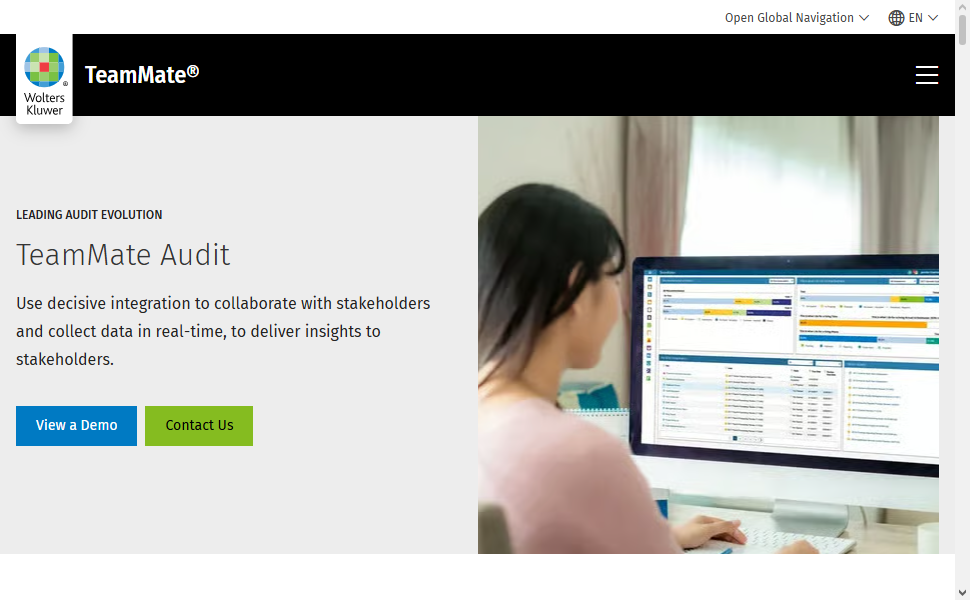
Additionally, TeamMate+ focuses on supporting transparency and compliance, while decreasing manual documentation.
TeamMate+ is a preferred solution for many enterprises, government agencies, and financial institutions because of its robust analytics, security, and centralized audit management features and flexible scalability.
TeamMate+ Features, Pros & Cons
Features:
- Risk-focused tools for audit planning and scheduling.
- Management tools for digital workpapers.
- Automated approval and workflow tasks.
- Audit reporting dashboards with analytics.
- Quality assurance review and compliance support.
Pros:
- Catering to internal audit teams.
- Workpapers and documentation are robust.
- Consistency and efficiency are improved for audits.
- Large firms can utilize this.
- Tracks audits and reports in depth.
Cons:
- Small firms may struggle with costs.
- New users must learn to utilize.
- Complexities may require customizations.
- User experience is hit or miss.
- Lengthy implementation process.
2. Resolver
Resolver is an all-in-one system to manage audits, risks, incidents, and compliance. Resolver sets a new standard for integrated audit management with automated workflows, customizable templates for risk assessments, and a variety of reporting tools.
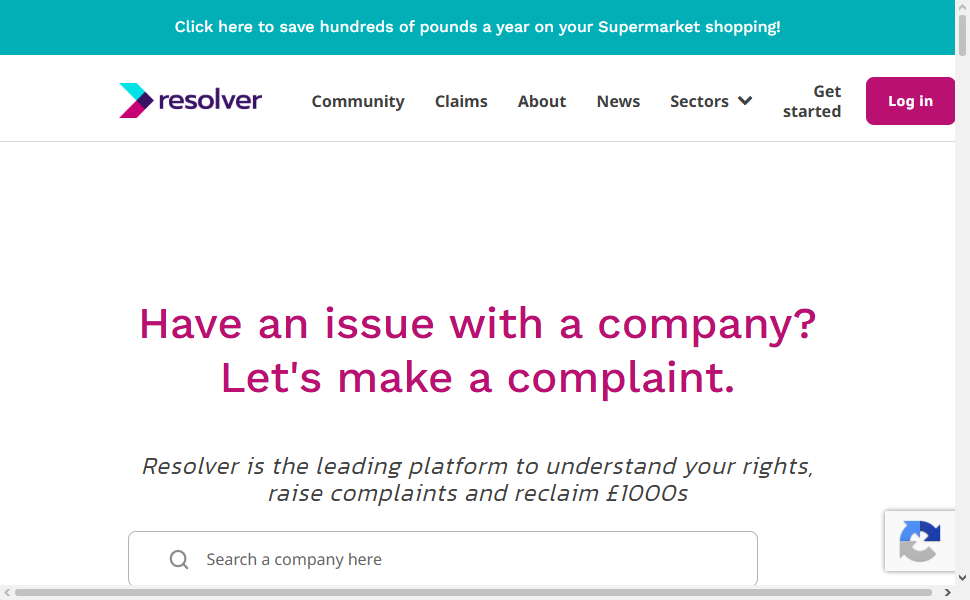
Best Audit Management Software – Resolver allows internal audit teams to pinpoint operational deficiencies and helps achieve compliance with external mandates.
Resolver is an excellent choice for organizations that want to integrate audit functions with risk management for clearer operational visibility and greater agility in corporate decision-making.
Resolver Features, Pros & Cons
Features:
- Audits and thorough integrated risk and compliance.
- Automated tasks with audit workflow and assignment.
- Risk assessment with issue tracking.
- Custom reports and dashboards.
- Document storage with centralized evidence.
Pros:
- Custom flexibility.
- Risk management is integrated.
- Corrective actions are easily tracked.
- Includes multiple disciplines and improves.
- Multiple usage across industries.
Cons:
- Cost is too high for small firms.
- Some features require prior configuration.
- Complex features have steep learning curves.
- Audits have limited specialized features.
- can be complex to setup integrations.
3. MetricStream Audit Management
MetricStream’s platform helps companies manage their internal, compliance, and risk audits. Features include the planning and scheduling of audits, the collection of evidence, the automation of workflows and issues, and the advanced analysis of data.
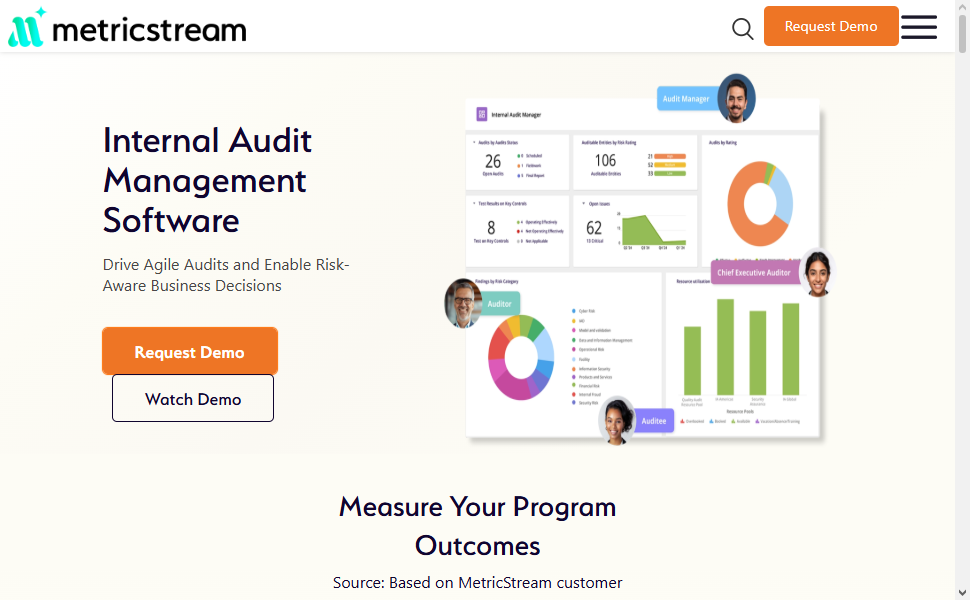
Famed as the Best Audit Management Software, MetricStream allows companies to better their governance models by offering the demand and supply of audits, and the risks of compliance in a real-time format.
The solution’s single-instance architecture promotes the engagement of internal auditors, operational teams, and senior executives. Large companies favor MetricStream due to its flexibility, support of frameworks and regulations, and the ability to link audit frameworks and workflows with the company’s overall governance, risk, and compliance frameworks.
MetricStream Audit Management Features, Pros & Cons
Features:
- Managing the full audit lifecycle.
- Risk-based planning for audits.
- Control testing measures are automated along with assessment.
- GRC process integrations with analytics and advanced reporting.
Pros:
- Powerful features to support an entire enterprise.
- Great support for compliance and auditing.
- Flexible for worldwide businesses.
- Increased clarity to risk analysis.
- Adapts to most compliance frameworks.
Cons:
- More expensive to set up.
- Additional technical knowledge needed.
- Harder to set up.
- Difficult to manage for small teams.
- More customization requires more resources.
4. Oracle Risk Management Cloud
Modern-day cloud-based audit, compliance, and risk management systems are housed in the Oracle Risk Management Cloud. The solution helps companies automate the testing of controls, monitor risks, manage compliance, and get ready for audits.
The Best Audit Management Software claim of the Oracle Risk Management Cloud stems from its continuous auditing capabilities, advanced analytics, and automated controls with a seamless integration to all enterprise systems.
Oracle helps companies that leverage their enterprise resource planning solutions quickly fix control breakdowns with the system’s comprehensive data integration, peace of mind with security, and a unified view of risks in the financial and operational space.
Oracle Risk Management Cloud Features, Pros & Cons
Features:
- Risk assessment and control monitoring are automated.
- Compliance is monitored continuously.
- Connections to Oracle ERP.
- Analytics and reporting.
- Controls testing is automated.
Pros:
- Excellent security and compliance
- Automated compliance monitoring.
- Large scale support.
- Real-time risk analysis.
Cons:
- Only really usable for Oracle clients.
- More expensive.
- Requires Oracle knowledge to set up.
- Hard to use for new users.
- Less flexible for other environments.
5. Wolters Kluwer TeamMate
Wolters Kluwer TeamMate is a dedicated solution for the internal audit professional. It is versatile across industries.
Areas of audit management it covers are planning, risk assessment, workpapers, documentation, reporting, and QA review. Best Audit Management Software – Wolters Kluwer TeamMate. Using this software, audit management teams are more productive, and the manual, often tedious, processes are modernized into a structured digital workflow.
TeamMate modularizes and organizes compliance. It aids consistency and collaboration of the audit process between the audit and management teams. TeamMate has earned the confidence of financial institutions, government agencies, and corporations due to its secure audit process and professional reporting capabilities.
Wolters Kluwer TeamMate Features, Pros & Cons
Features:
- Audit management and planning.
- Digital work papers.
- Tracking issues and findings.
- Quality assurance reviews.
- Assessing risk.
Pros:
- Users are mostly professional audit teams.
- Excellent features for audit documentation.
- Audit productivity is greatly enhanced.
- Compliance and regulatory support.
- Good for financial firms.
Cons:
- Smaller firms may find it expensive.
- Training is required for new users.
- Needs a UI update.
- Lengthy setup.
- Some areas of the product can’t be customized.
6. Galvanize (Diligent)
Diligent Galvanize combines audit management with a risk and compliance framework. Its automation of most audit processes, including audit workflow, risk assessment, control testing, issue tracking, and reporting, earns it the title of Best Audit Management Software – Galvanize (Diligent). The software aids collaboration and compliance and gives the user a more comprehensive view of the organization’s risks.
The software is designed for continuous monitoring and helps the audit professional pinpoint the improvement opportunities within the organization with the greatest impact. Diligent Galvanize is an excellent choice for large organizations looking for all three frameworks: audit, risk, and compliance.
Galvanize (Diligent) Features, Pros & Cons
Features:
- Automation of audit and compliance tasks.
- Managing risks and controls.
- Continuous monitoring.
- Analytics and reporting.
- Issue tracking and remediation management.
Pros:
- Merges audit and risk management.
- Advanced reporting functionality.
- Enhances compliance visibility.
- Intuitive dashboards.
- Fulfills enterprise needs.
Cons:
- Small business affordability.
- Advanced features need training.
- Difficult to implement.
- Some integrations require technical assistance.
- Limited customization.
7. Onspring Audit Software
Onspring Audit Software is a manageable system for governance, risk, and compliance aimed at optimizing management of audits. Companies can manage the planning, documenting, collecting, and managing of findings and actions within a centralized system.
Best Audit Management Software – Onspring Audit Software is aimed at reducing the redundancy of tasks and helps enhance the accuracy of reports. Auditors can take advantage of the many customizable features of the system such as workflows, dashboards, and integrations.
Onspring can be a great addition to any company looking to better manage the internal audits, compliance reviews, and risk assessments while providing a means to better control visibility and the efficiency of operations.
Onspring Audit Software Features, Pros & Cons
Features:
- Flexible audit workflows.
- Audit prep and documentation.
- Risk and compliance.
- Reporting dashboards.
- Business application integrations.
Pros:
- Flexible design.
- Easy customizations.
- Automated workflows.
- Great reporting.
- Industry agnostic.
Cons:
- Setup customization required.
- Advanced features have a learning curve.
- Less market share.
- Pricing is elusive.
- May need a paid expert.
8. Workiva Audit Management
Workiva Audit Management is another cloud-based system for managing the overall workflow involved in audits and also manages documentation and compliance reporting.
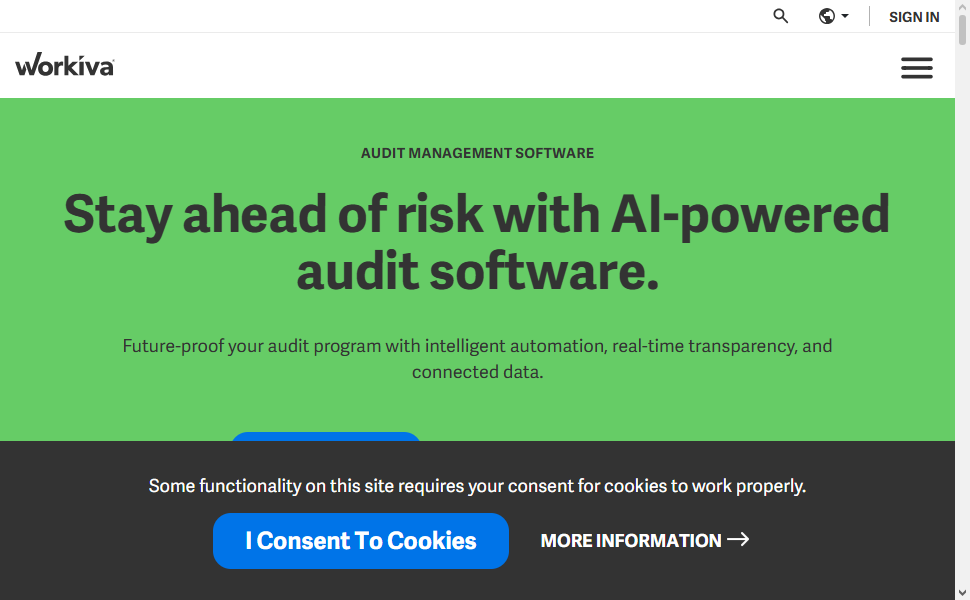
Workiva Audit Management is a great solution for teams who need to manage the collection of evidence, make control selections, and create reports that are accurate and transparent.
Best Audit Management Software – Workiva Audit Management automates a lot of the work and integrates workflows.
This software is popular among finance, compliance, and internal audit teams for its dependable collaboration and its real-time updates. Workiva assists companies with the preparation for audits and helps to uphold stronger governance.
Workiva Audit Management Features, Pros & Cons
Features:
- Audit management in the cloud.
- Real-time collaboration.
- Evidence tracking.
- Automated reporting.
- Document management.
Pros:
- Great collaboration.
- Cloud accessibility.
- Transparency in the audit.
- Reporting and documentation ease.
- Less manual work.
Cons:
- Expensive subscription.
- Advanced features need training.
- Limited flexibility for small teams.
- Some features require a good internet connection.
9. MasterControl Audit
MasterControl Audit is a quality-focused, audit management solution tailored for those operating in a regulated market like healthcare, life sciences, and manufacturing.
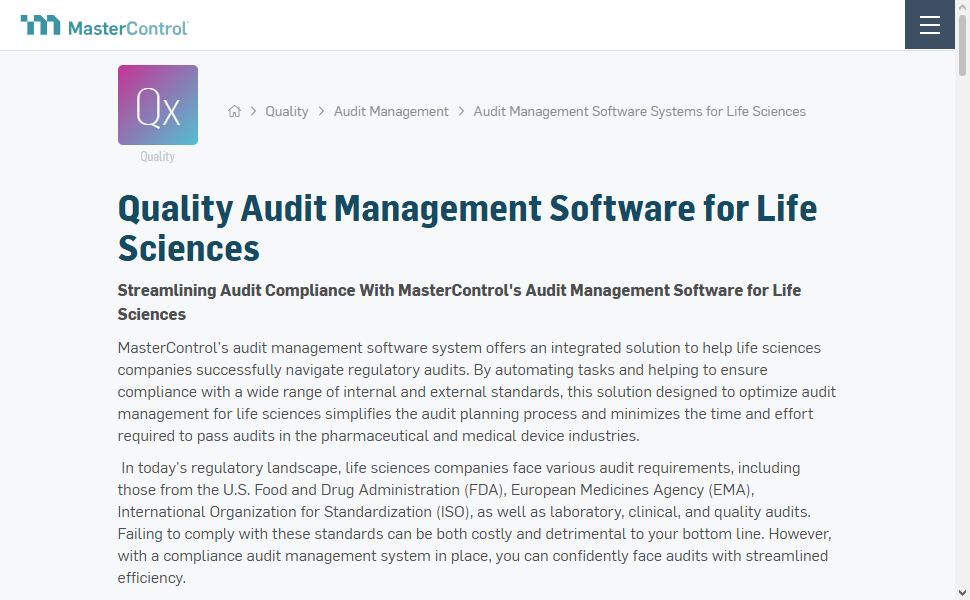
MasterControl Audit takes care of a lot of the legwork involved in audit scheduling, audit checklists, document control, audit findings, and corrective actions. Best Audit Management Software – MasterControl Audit aids companies in streamlining the audit process and enhancing the document accuracy, thereby ensuring that the companies remain compliant with industry regulations.
MasterControl offers a lot of functionality around audit and quality process automation. MasterControl is the ideal solution for companies that operate in a highly regulated market and rigorous control of documentation and management of internal and external audits.
MasterControl Audit Features, Pros & Cons
Features:
- Audit scheduling and checklist management.
- Quality compliance management.
- Corrective and preventive action tracking.
- Document control integration.
- Regulatory audit support.
Pros:
- Excellent for regulated industries.
- Strong compliance capabilities.
- Improves quality management.
- Good document control features.
- Supports regulatory standards.
Cons:
- Mainly focused on regulated industries.
- Higher cost compared to basic tools.
- Requires implementation planning.
- May be complex for small companies.
- Limited use outside quality-focused audits.
10. ZenGRC Audit
ZenGRC takes the pain out of compliance, risk management, and audit prep with their audit management solution. ZenGRC makes evidence collection, control management, compliance monitoring, and audits much simpler through automation.
Best Audit Management Software – ZenGRC Audit creates a direct path to audit readiness by increasing operational efficiency and decreasing manual effort with the added benefit of real-time compliance visibility.
With its ability to support multiple frameworks and regulations, ZenGRC is a high value solution for organizations that must juggle multiple compliance mandates. Continual compliance is made simple with ZenGRC, as is risk management and audit readiness.
ZenGRC Audit Features, Pros & Cons
Features:
- Automated compliance evidence collection.
- Risk and control management.
- Audit preparation workflows.
- Compliance framework support.
- Real-time reporting dashboards.
Pros:
- Intuitive design.
- Simple compliance management.
- Faster audit preparation.
- Supports many frameworks.
- Good automation features.
Cons:
- Advanced features may need higher plans.
- Limited customization from enterprise tools.
- Better for compliance-centered teams.
- May need better reporting.
- Less for complex audits.
Conclusion
The Best Audit Management Software allows organizations to facilitate audits, enhance compliance, lower manual work, and improve oversight of risks and controls. Some platforms that provide these features are TeamMate+, MetricStream, and Oracle Risk Management Cloud, and Workiva and ZenGRC.
The context of your business, including its size and your specific industry compliance requirements, and your preferences on how the software integrates with your other business applications, should be the focus of your selection.
Unlike older audit systems, modern audit systems have even greater advanced analytics features and systems of automation to enable businesses to audit with greater precision, also augmenting audit governance and expediting the risk-based decisions.
FAQ
What is Audit Management Software?
Audit Management Software is a digital solution that helps organizations plan, execute, track, and report audits by automating workflows, documentation, compliance checks, and risk management processes.
Why should businesses use Audit Management Software?
Businesses use audit management software to improve audit efficiency, reduce manual tasks, maintain compliance, manage risks, and provide better visibility into audit activities and findings.
What are the key features of Audit Management Software?
Key features include audit planning, risk assessment, workpaper management, evidence collection, workflow automation, reporting dashboards, issue tracking, and compliance monitoring.
Which is the Best Audit Management Software for enterprises?
Solutions like TeamMate+, MetricStream Audit Management, Oracle Risk Management Cloud, and Workiva Audit Management are popular choices for large enterprises due to their scalability and advanced features.
Can Audit Management Software improve compliance management?
Yes, audit management software helps organizations monitor regulatory requirements, maintain documentation, track controls, and prepare for internal and external compliance audits.