


In this article I will tell you about the Best Blockchain Games With Crypto Rewards. The games that not only have good gameplay but also the opportunity to earn with the help of blockchain.
- What Are Blockchain Games With Crypto Rewards?
- Key Points
- 1. Seraph
- Seraph Features
- 2.Crypto Unicorns
- Crypto Billionaires Features
- 3. Nine Chronicles
- Nine Chronicles Features
- 4. Sunflower Land
- Sunflower Fields Features
- 5. RavenQuest
- RavenQuest Features
- 6. Alien Worlds
- Alien Worlds Features
- 7. Kingdoms League
- Kings League Features
- 8. Big Time
- Big Time Features
- 9. Shrapnell
- Shrapnel Features
- 10. Off The Grid
- Off The Grid Features
- Conclusion
- FAQ
You’ll learn about their crypto rewards, NFTs, play styles, earning methods, accessibility and their key features. This guide will help players compare popular blockchain games and choose the right ones to explore crypto rewards through gaming.
What Are Blockchain Games With Crypto Rewards?
Blockchain games with crypto rewards are games that use blockchain technology as a means of providing players with ownership of digital items and the chance to earn cryptocurrency through gameplay.
Players can earn tokens, NFTs or other blockchain-based rewards by completing quests, winning battles, participating in tournaments, collecting resources, crafting items or trading assets.
Unlike traditional games, blockchain-based assets can often be transferred or traded outside the game via supported wallets and marketplaces.
The values of the rewards depend on the market conditions and the game economics, which can be RPG, strategy, farming, cards, battle-royale, extraction, etc.
Key Points
| Game | Key Points |
|---|---|
| Seraph | • Dark-fantasy action RPG• Loot-based character progression• Blockchain-powered digital equipment• Seasonal gameplay and rewards• Free-to-start Web3 gaming experience |
| Crypto Unicorns | • Unicorn NFT-based ecosystem• Farming and resource management• Breeding and crafting mechanics• Competitive gameplay modes• Player-owned collectible assets |
| Nine Chronicles | • Open-source blockchain RPG• Decentralized game infrastructure• Player-driven economy• Crafting and resource management• Blockchain-based ownership of game assets |
| Sunflower Land | • Browser-based farming game• Farming, fishing, mining, and crafting• Free-to-start gameplay• Resource-driven economy• Blockchain ownership and trading |
| RavenQuest | • Open-world MMORPG gameplay• Quests and exploration• Combat and crafting systems• Player-driven economy• Web3 features integrated into traditional MMORPG gameplay |
| Alien Worlds | • Sci-fi blockchain gaming universe• Mining and mission-based gameplay• TLM crypto reward ecosystem• Utility-focused NFT assets• Multi-chain blockchain environment |
| League of Kingdoms | • Strategy-focused MMO• Kingdom building and resource management• Alliance-based competition• LAND-based digital ownership• Long-term strategic progression |
| Big Time | • Multiplayer action RPG• Fast-paced combat and dungeon gameplay• Blockchain-based player ownership• NFT-powered asset economy• Gameplay-first Web3 experience |
| Shrapnel | • Blockchain-enabled extraction shooter• Competitive FPS combat• Loot-and-extract gameplay• NFT-based digital ownership• Player-generated content ecosystem |
| Off The Grid | • AAA-style battle royale and extraction shooter• Fast-paced multiplayer combat• Avalanche-based blockchain ecosystem• Digital asset ownership and trading• Web3 features integrated into mainstream-style gameplay |
1. Seraph
Seraph, released in the early 2020s, is a dark fantasy action RPG that centers on loot, character progression, dungeons, and player-owned assets. Its blockchain ecosystem is based on Ethereum and BNB Chain and SERAPH is created as its utility token.
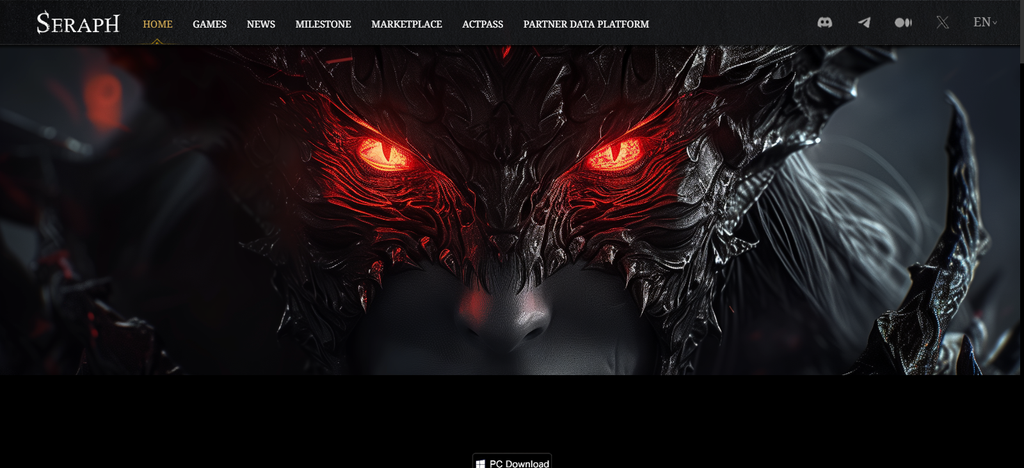
NFTs are mainly valuable tools that can improve characters and participate in the economy of the game. Seraph is free-to-start with blockchain elements to lower the barrier to onboarding.
Players can earn tradable assets through gameplay, crafting and challenges. The seasonal economy and gameplay-driven design appears to help make rewards more sustainable, and the NFT assets can be traded on supported marketplaces.
Seraph Features
- Ownership based on blockchain introduces collectible assets and tradable digital equipment.
- Dark-fantasy action RPG focused on combat, dungeon crawling, loot and character development
- Seasonal gameplay promotes repeat play and character progression.
- Supports crafting and player owned items, with an ingame economy of rewards.
- For players who love traditional action RPG mechanics with Web3 features.
| Advantages | Disadvantages |
|---|---|
| Engaging dark-fantasy action RPG gameplay | Blockchain features can add onboarding complexity |
| Loot and character progression provide strong replay value | Reward value can fluctuate with market conditions |
| Tradable digital equipment adds ownership | Some advanced assets may require additional spending |
| Free-to-start access lowers the initial barrier | New players may need time to understand the economy |
| Seasonal content can encourage continued participation | Long-term reward sustainability depends on player demand |
2.Crypto Unicorns
Crypto Unicorns is a blockchain gaming ecosystem that launched in 2021 focusing on collectible unicorn NFTs, farming, breeding, crafting, and competitive gameplay. Polygon has been the main blockchain used by the game, which has an economy based on NFT ownership and in-game tokens. “
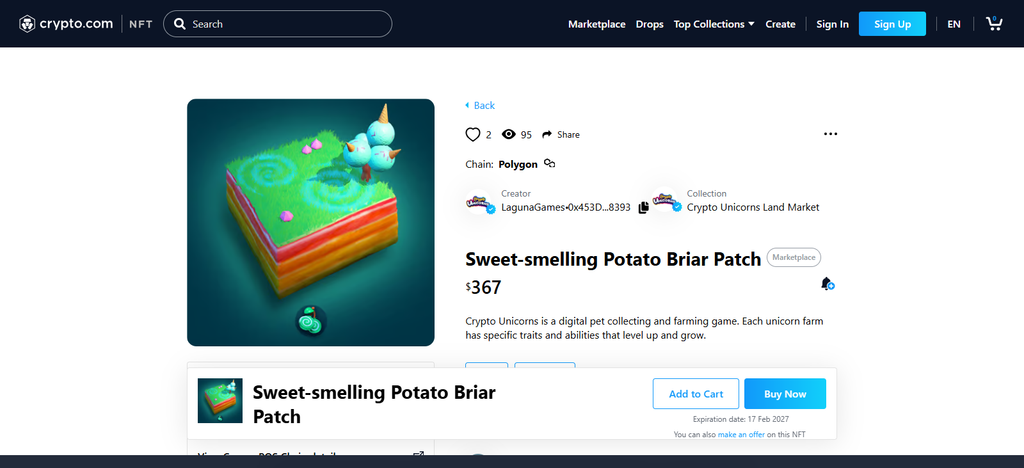
Unicorns and other digital currencies are a significant part of progression and trading. Players can interact with the economy by farming, battling, breeding and other activities.
Entry requirements will differ according to the particular gameplay activity and assets involved. The game’s sustainability is contingent on continued player engagement, the utility of NFTs, demand in the marketplace, and balanced token emissions.
Crypto Billionaires Features
- A unicorn-themed blockchain game combining farming, breeding, crafting, and competition.
- Collectible Unicorn NFTs are your ticket to owning and leveling up your character.
- Players can engage in different game modes while interacting with the ecosystem economy.
- NFT-based assets are an opportunity for collection, utility and trade.
Casual gameplay, collectibles and blockchain ownership for players.
| Advantages | Disadvantages |
|---|---|
| Combines farming, breeding, and competitive gameplay | Multiple systems can feel complex for beginners |
| Unicorn NFTs provide verifiable digital ownership | NFT values can fluctuate significantly |
| Several activities create different ways to participate | Some activities may require specific assets |
| Strong collectible appeal for Web3 players | Blockchain transactions can introduce additional costs |
| Player-driven economy adds trading opportunities | Reward sustainability depends on ecosystem activity |
3. Nine Chronicles
Nine Chronicles is an open-source online RPG first released in 2018 by Planetarium Labs and runs on its own Libplanet blockchain network, not Ethereum.
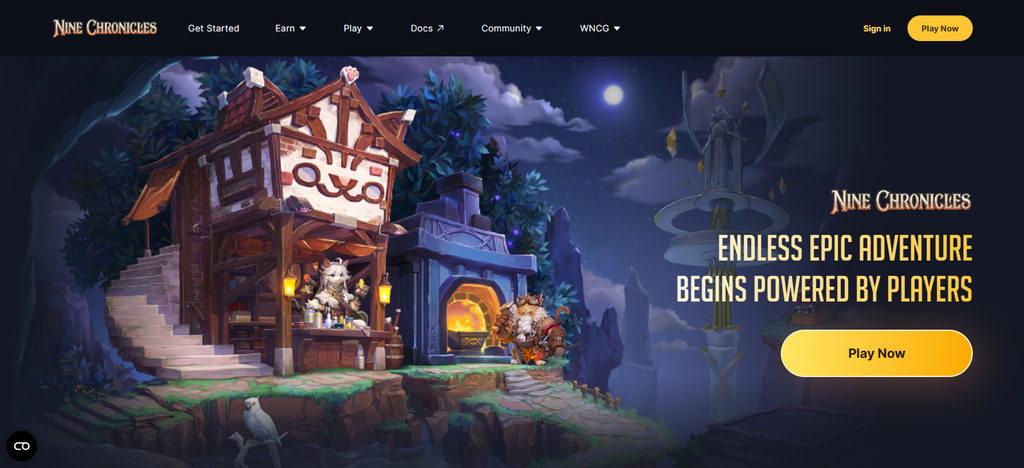
Its main crypto reward asset is NCG and nearly all in-game items are represented as NFTs on the game’s blockchain. RPG and its player-centric economy where players can earn and use assets.
The game can be played without a traditional centralized server architecture, but onboarding to the blockchain can be a barrier to entry for newcomers. NCG is bridged to Ethereum and BNB Chain and in-game NFTs are traded on its marketplace.
Nine Chronicles Features
- An open-source blockchain RPG with an emphasis on exploration, combat, crafting and resource management.
- Uses its own blockchain infrastructure, instead of just a traditional game server.
- Blockchain-based ownership can be applied to in-game characters, equipment and other assets.
- Has a player driven economy with resoures and digital resources.
- Best for players who are interested in decentralized gaming and deeper Web3 mechanics.
| Advantages | Disadvantages |
|---|---|
| Decentralized architecture differentiates it from traditional RPGs | Blockchain mechanics can have a learning curve |
| Open-source development supports transparency | Graphics and presentation may not suit every player |
| Player-driven economy encourages resource management | Crypto asset values can fluctuate |
| Blockchain ownership extends beyond conventional game items | Wallet management may be unfamiliar to beginners |
| Strong fit for players interested in decentralized gaming | Gameplay progression can require considerable time |
4. Sunflower Land
Sunflower Land, a browser-based farming and resource-management blockchain game built mainly on Polygon, was launched in August 2021. Its ecosystem is based on the SFL/FLOWER token system.
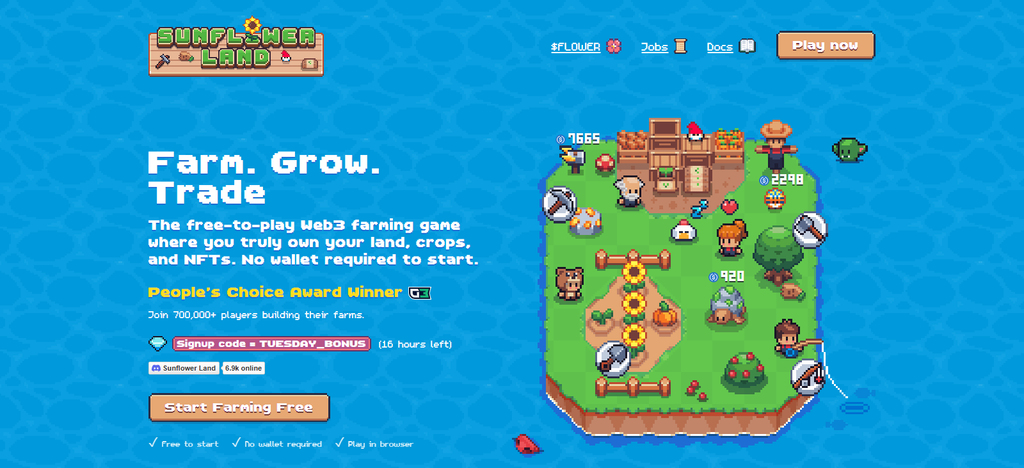
Ownership of blockchain assets such as farms, collectibles, resources and other assets. Players farm, chop wood, mine ore, fish, cook food, craft items, complete quests and trade resources.
The game is free to begin, but some blockchain activities and premium features may need wallet or asset. Earned tokens can be synced to the blockchain and traded and assets can be withdrawn to personal wallets. Long-term sustainability is supported by open development and regular content updates.
Sunflower Fields Features
- Players can farm, mine, fish, chop resources, cook, craft and do quests.
- Browser based farming and resource management game with a strong crafting economy.
- Uses blockchain technology to provide ownership of certain game assets.
- Free-to-start architecture makes it accessible for new players to the blockchain gaming space.
- Blends casual farming gameplay with resource trading and participation in digital resources.
| Advantages | Disadvantages |
|---|---|
| Free-to-start model makes entry relatively accessible | Earning potential depends on the game economy |
| Relaxed farming gameplay suits casual players | Farming activities may feel repetitive |
| Multiple activities include fishing, mining, crafting, and cooking | Blockchain transactions can add complexity |
| Resource-based economy creates meaningful progression | Token and asset values can change |
| Browser-based format makes access convenient | Advanced features may require additional blockchain interaction |
5. RavenQuest
RavenQuest is a blockchain-based MMORPG featuring open-world exploration, quests, combat, crafting, trading, and a player-driven economy. The project is based on a blockchain second, game first approach where blockchain ownership is integrated seamlessly, but crypto is not the entire gameplay experience.
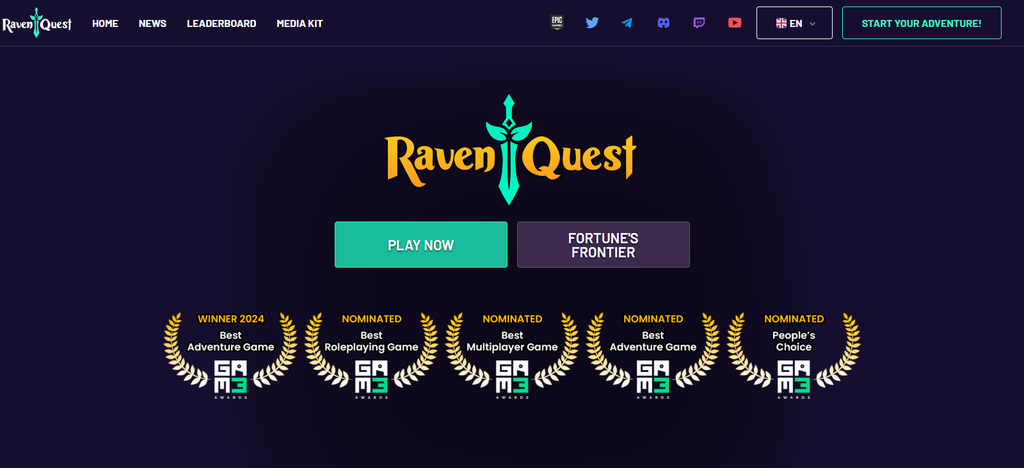
Its ecosystem is composed of NFTs and crypto-based assets that can enable ownership and trading. Players advance through classic MMORPG quests and interact with the game’s economic systems.
The entry barrier is designed to be accessible to traditional gamers and Web3 users. The long-term sustainability of rewards is determined by the health of its player economy, resource demand, progression systems and continued content development.
RavenQuest Features
- Open world MMORPG with quests, exploration, fighting, crafting and player driven trade.
- The central experience is still about traditional MMORPG gameplay.
- Blockchain elements enable digital ownership and interaction with game assets.
- Provides a long progression system for longer gaming sessions.
- Perfect for MMORPG gamers that wish to take advantage of the blockchain aspects but not a purely crypto-centric experience.
| Advantages | Disadvantages |
|---|---|
| MMORPG structure provides extensive gameplay variety | Large-world progression can require significant time |
| Quests, combat, crafting, and trading support different playstyles | Blockchain onboarding may still confuse traditional gamers |
| Game-first approach makes Web3 features less intrusive | Economy depends heavily on active players |
| Player-driven economy encourages trading and resource use | Digital-asset values can fluctuate |
| Strong choice for traditional MMORPG fans | Long-term development remains important for sustainability |
6. Alien Worlds
Alien Worlds is a sci-fi blockchain game that was launched on the WAX, BNB Chain and Ethereum networks in 2020. The main cryptocurrency in the game is Trilium (TLM) and it can be earned by players through mining, missions, and other in-game activities.
In the ecosystem, NFTs are tools, land, spacecraft, weapons and other assets. You can start to mine with a WAX wallet, but for advanced things you may need to set up more wallets and blockchain.
TLM can be traded externally and moved between supported networks through the game’s teleport system. Its reward sustainability is based on mining economics, participation in missions, NFT utility and the activity level of its multi-chain player ecosystem.
Alien Worlds Features
- A sci-fi blockchain game about planets, mining, missions and owning virtual assets.
- Trilium (TLM) is the primary ecosystem token.
NFTs are tools, land, and other game assets with various gameplay functions. - Multi-chain infrastructure provides players with multiple blockchain environments to interact with.
- Mixes resource gathering, missions, governance elements, and player-driven virtual economy.
| Advantages | Disadvantages |
|---|---|
| Multi-chain ecosystem expands blockchain accessibility | Multi-chain features can make onboarding complicated |
| Mining and missions provide different gameplay activities | Mining rewards can vary over time |
| TLM gives the economy a clear crypto asset | Token price volatility affects reward value |
| NFTs provide utility through tools and other assets | NFT and wallet management can be confusing |
| Established sci-fi ecosystem offers strong Web3 identity | Gameplay may feel less immersive than traditional AAA games |
7. Kingdoms League
League of Kingdoms is a blockchain strategy MMO released around 2020 where players build kingdoms, build armies, join alliances and compete for territory. The game is built on Ethereum and other blockchain infrastructure and LOKA is its ecosystem token.
NFTs are important in this respect, with assets like LAND offering proof of ownership and the ability to participate in the game’s economy. Traditional strategy players can get into the game but the blockchain trading means wallet requirements are added on.
Supported markets allow players to use and trade eligible digital resources. Sustainability of rewards depends on activity of kingdoms, utility of LAND, competition among players, demand in the marketplace and ecosystem development.
Kings League Features
- Players create territories, train armies and compete with other kingdoms.
- Strategy MMO about building your kingdom, managing resources, alliances and battles.
- Digital ownership for a part of the game economy through blockchain assets.
LAND-based mechanics provide further utility to players within the ecosystem. - For people who love strategy and enjoy alliances, a war for territory and long-term growth.
| Advantages | Disadvantages |
|---|---|
| Strategy gameplay provides long-term progression | Building and upgrading can require substantial time |
| Alliances encourage social and competitive interaction | Competitive players may face stronger established kingdoms |
| LAND introduces blockchain-based ownership | NFT-related costs can increase the entry barrier |
| Resource management adds strategic depth | Token and NFT values can fluctuate |
| Familiar MMO strategy format is accessible to strategy fans | Blockchain mechanics may require additional learning |
8. Big Time
Big Time (created in the early 2020s, releasing its BIGTIME token in 2023) is a multiplayer action RPG with fast combat, dungeons, quests, time-travel themes and blockchain ownership. It runs on Ethereum.
The main utility token is BIGTIME. NFTs like SPACE, Forges, Armories and Time Wardens for the player-driven crafting economy. Players can earn BIGTIME through gameplay activities such as dungeons, quests, events and Hourglasses.
It’s still gameplay first, but the game allows for the blockchain trading. It provides a foundation for sustainability with a capped token supply and utility-focused design, but reward value is market-dependent.
Big Time Features
- Action RPG with multiplayer, fast-paced combat, dungeons, quests and looting.
- Leverages blockchain technology to enable player owned assets and marketplace economy.
- NFTs can represent SPACE, equipment-related assets and other collectible items.
The game play is based on traditional RPG elements but allows players to influence the game’s economy. - Perfect for players looking for AAA-style action gameplay with the option of Web3 ownership features.
| Advantages | Disadvantages |
|---|---|
| Fast-paced action RPG gameplay appeals to mainstream gamers | High-quality gameplay can require capable hardware |
| Dungeons and loot provide strong replayability | Blockchain marketplace features can be confusing initially |
| NFT ownership supports a player-driven economy | Digital asset prices are market-dependent |
| Free-to-play approach reduces the initial barrier | Competitive progression may require significant playtime |
| Strong combination of traditional gaming and Web3 elements | Long-term rewards depend on ecosystem activity |
9. Shrapnell
Shrapnel is a AAA style extraction FPS built on a blockchain and released in the early 2020s. The game features combat, collecting, crafting and player created content. Its ecosystem is built on ** Avalanche based infrastructure ** and the utility token is ** SHRAP .
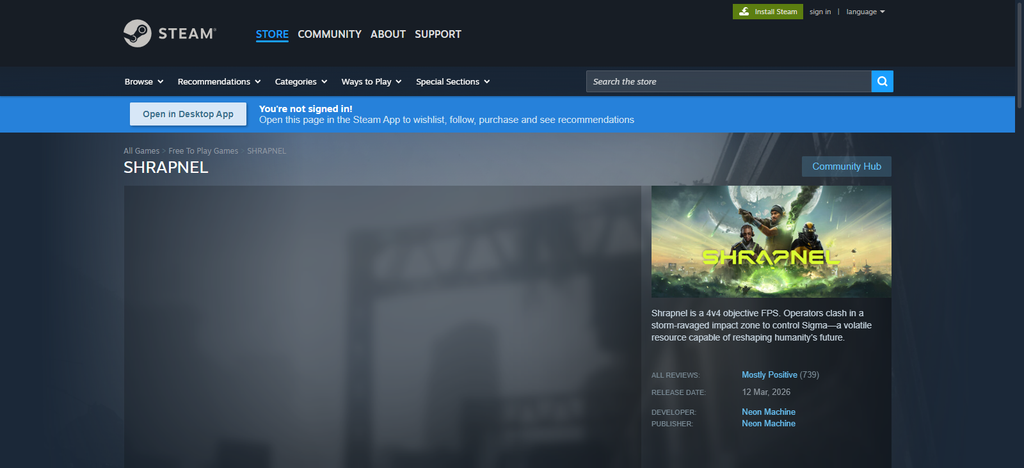
Operators, equipment, cosmetic items, or player-made digital content can all be represented by NFTs. The main gameplay involves entering the Sacrifice Zone, collecting valuable loot and Sigma, and making it out alive; death means losing everything you’ve collected.
SHRAP is an ecosystem supporting marketplace activity, content creation, governance and rewards. Its fixed token supply and planned community distribution are designed to support longer-term economic sustainability.
Shrapnel Features
- Blockchain-enabled extraction shooter focused on competitive FPS gameplay and loot extraction.
- Players enter combat zones, collect valuable items, and attempt to successfully extract.
- NFTs can support ownership of equipment, characters, and player-created content.
- Includes creator-focused features that allow players to participate beyond traditional gameplay.
- Appeals to competitive shooter players interested in digital ownership and player-generated content.
| Advantages | Disadvantages |
|---|---|
| High-quality extraction shooter gameplay | Extraction mechanics can be challenging for new players |
| Competitive combat creates strong replay value | Losing collected loot can be frustrating |
| NFTs support ownership of selected digital assets | Blockchain features add another layer to the game |
| Creator tools expand participation beyond playing | Hardware requirements may limit accessibility |
| Strong appeal for FPS and Web3 audiences | Reward and asset values can fluctuate |
10. Off The Grid
Off The Grid (OTG) is a AAA battle-royale and extraction shooter with blockchain integration, developed by Gunzilla Games and powered by GUNZ, its Avalanche-based gaming Layer 1 blockchain ecosystem.
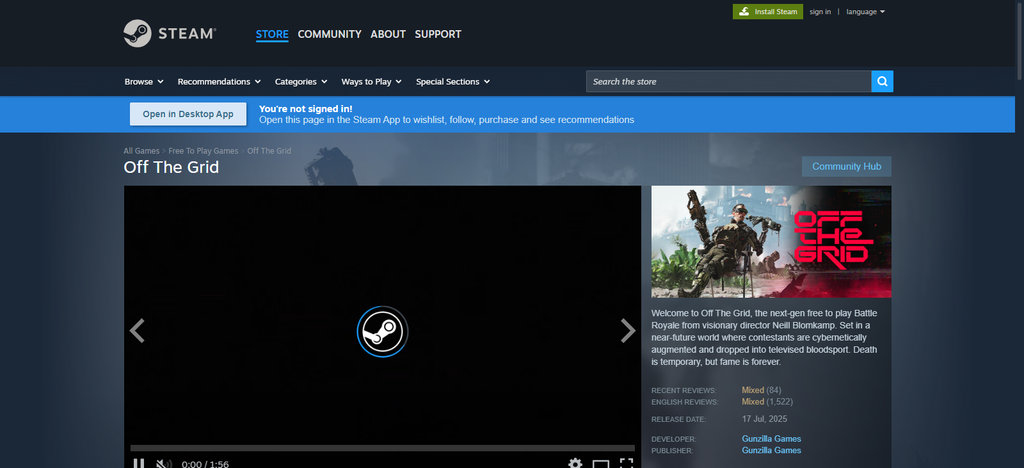
GUN is the native network currency and is designed to fuel in-game transactions, marketplace activity, and network gas. Through NFTs players can own eligible digital game assets and participate in the player-driven economy of the game.
OTG is a traditional shooter fundamentally, so it will be more approachable to mainstream gamers than many other crypto-first titles. The GUNZ infrastructure supports trading of the assets, but the sustainability of the ecosystem depends on player activity and marketplace demand.
Off The Grid Features
- AAA-style battle royale and extraction shooter developed around fast-paced multiplayer gameplay.
- Integrates blockchain technology without making crypto knowledge essential to the core experience.
- Digital assets can provide player ownership and participate in the game’s marketplace ecosystem.
- Combines shooting, exploration, looting, extraction, and competitive progression.
- Particularly suitable for mainstream FPS players looking for blockchain features integrated into familiar gameplay.
| Advantages | Disadvantages |
|---|---|
| AAA-style shooter experience attracts traditional gamers | High hardware requirements can limit accessibility |
| Battle royale and extraction gameplay offer variety | Competitive matches can have a steep learning curve |
| Blockchain ownership is integrated into the wider ecosystem | Crypto features may still require wallet knowledge |
| GUNZ infrastructure supports digital asset trading | Asset values depend on marketplace demand |
| Strong potential to bridge Web2 and Web3 gaming | Long-term ecosystem success depends on sustained player activity |
Conclusion
Blockchain games with crypto rewards are increasingly focused on combining engaging gameplay with meaningful digital ownership in 2026.
Games such as Seraph, Crypto Unicorns, Nine Chronicles, Sunflower Land, RavenQuest, Alien Worlds, League of Kingdoms, Big Time, Shrapnel and Off The Grid provide alternative ways to make money, collect NFTs, trade assets and get involved in player-driven economies.
However, rewards may differ depending on game activity, token demand, market conditions and evolving economic systems. When choosing a game, players should think about the entry costs, withdrawal options, quality of the gameplay, blockchain requirements, and the sustainability of the rewards. Ultimately, it comes down to your own gaming style and how much risk you’re willing to take.
FAQ
What are blockchain games with crypto rewards?
Blockchain games with crypto rewards are games that use blockchain technology to provide players with tokens, NFTs, or other digital assets that may have real-world value. Players can earn these rewards through activities such as quests, battles, tournaments, trading, crafting, or completing in-game objectives.
Can you really earn crypto by playing blockchain games?
Yes, some blockchain games allow players to earn cryptocurrency or blockchain-based assets through gameplay. However, earnings are not guaranteed and can depend on player activity, game economics, token demand, asset value, and market conditions.
Are blockchain games free to play?
Some blockchain games are free-to-start, while others may require NFTs, tokens, wallet setup, or other initial expenses. Games such as Sunflower Land and Alien Worlds provide accessible ways to begin, while advanced features may involve additional blockchain-related costs.
Which blockchain game is best for beginners?
The best option depends on the player’s interests and experience with crypto. Games with simple onboarding, free-to-start access, and straightforward reward systems can be more suitable for beginners than games requiring significant NFT purchases or complex wallet management.
Do I need a crypto wallet to play blockchain games?
Many blockchain games require a crypto wallet for accessing blockchain assets, receiving rewards, or trading NFTs. However, some games allow players to begin with traditional accounts before introducing wallet functionality for blockchain-related features.