

In this article, I will discuss the Best Play-to-Earn Crypto Games, and how they combine fun gameplay with blockchain-powered rewards. I’ll compare their gameplay models, starting costs, fees, platforms, tokens, NFT ownership, earning opportunities, and key features to help players understand which crypto games will offer the best experience in 2026.
- What Are Play-to-Earn Crypto Games?
- Key Points
- 1. Axie Infinity
- Axie Infinity Features
- 2. Pixels
- Pixel Features
- 3. Gods Unchained
- Gods Unchained Features
- 4. Illuvium
- Illuvium (ILV) Features
- 5. The Sandbox
- The Sand Box Features
- 6. Decentraland
- Decentraland (MANA) Features
- 7. Parallel
- Parallel Features
- 8. Star Atlas
- Star Atlas Features
- 9. Shrapnel
- Shrapnel Features
- 10. Splinterlands
- Splinterlands Features
- Conclusion
- FAQ
What Are Play-to-Earn Crypto Games?
Play-to-earn crypto games are games built on blockchain technology that reward players with digital currency for playing games, completing quests, competing, trading, or performing other in-game activities. These rewards may be cryptocurrencies, NFTs, collectible cards, virtual land, characters, or other items based on blockchain.
Unlike traditional games, players can own verifiable digital possessions that are eligible, and possibly transfer them through supported marketplaces. There are various earning models for different games, such as play-to-earn, play-and-own, and creator-based economies. Rewards are not guarantyd income however, as the real-world value of player earnings can be impacted by token prices, demand for NFTs, transaction fees, liquidity and game economies.
Key Points
| Play-to-Earn Crypto Game | Key Point |
|---|---|
| Axie Infinity | Earn through battling, breeding, and trading NFT-based Axies within the Ronin ecosystem. |
| Pixels | Play-to-earn farming MMO where players earn rewards through farming, crafting, and quests. |
| Gods Unchained | Free-to-play NFT card game that rewards players through competitive matches and tradable cards. |
| Illuvium | Open-world RPG offering NFT collection, battles, and blockchain-based asset ownership. |
| The Sandbox | Metaverse platform where users earn through virtual land ownership, game creation, and NFT trading. |
| Decentraland | Virtual world enabling income opportunities through land, events, and digital asset marketplaces. |
| Parallel | NFT-powered sci‑fi trading card game with player-owned digital assets and competitive gameplay. |
| Star Atlas | Blockchain-based space strategy game featuring player-owned assets and a virtual economy. |
| Shrapnel | Extraction shooter with tradable in-game assets and creator-driven economies. |
| Splinterlands | Long-running NFT card battler with a player-driven marketplace and collectible card ownership. |
1. Axie Infinity
Axie Infinity is a strategy and creature-battling game, based on the blockchain and built around collecting, breeding and utilizing digital Axies. It was launched in 2018. Its gameplay model is a hybrid of play-to-earn, play-and-own, and competitive gaming, with assets represented as NFTs.
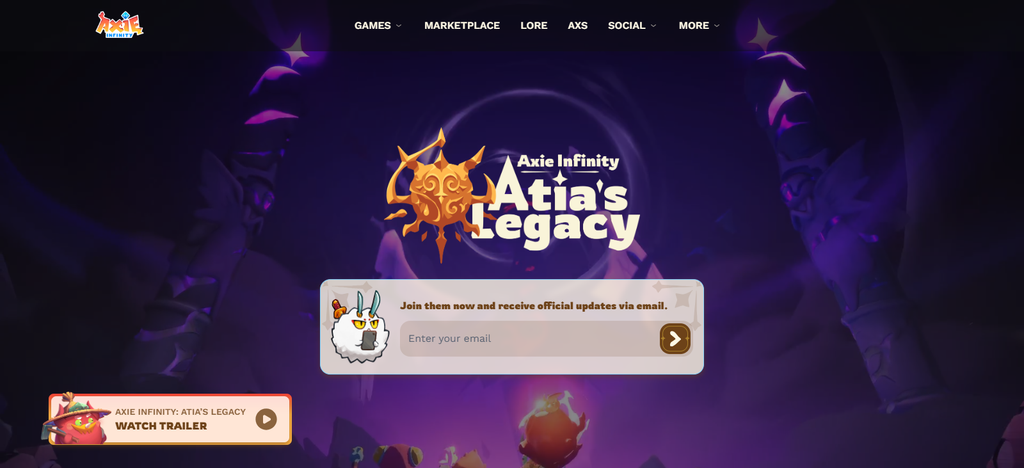
Players will be able to access the ecosystem on Ronin and costs will depend on activity and assets selected. You can make market transactions with AXS, SLP, USDC, WETH or RON. AXS has a maximum supply of 270 million tokens, and Axies and other eligible assets provide player ownership and trading functionality.
Axie Infinity Features
- Ronin Ecosystem: Built on the Ronin blockchain for gaming focused transactions.
- Axie Creatures: Collect, breed, upgrade and use Axies as digital resources.
- Strategic Battles Players compete using tactical team-building and combat mechanics.
- Player Ownership: Own and trade Axies, land and other eligible assets.
- Token Economy: Integrates AXS and SLP-related mechanics across its gaming ecosystem.
| Pros | Cons |
|---|---|
| Established blockchain gaming ecosystem | Token prices can be volatile |
| Strong NFT ownership model | Economy can be complex for beginners |
| Strategic and competitive gameplay | Some activities may require assets |
| Ronin provides gaming-focused infrastructure | Rewards can change over time |
| Multiple digital assets and game modes | Earnings are not guaranteed |
2. Pixels
Released in 2021, Pixels is a social farming and adventure game that grew to become one of the big games in the Ronin gaming ecosystem. Its gameplay is a blend of free-to-play, social interaction, questing, resource gathering, crafting and ownership on the blockchain. Players are not required to buy expensive NFTs but can opt for assets to boost participation.
PIXEL is the main ecosystem token with a cap of 5 billion. The supported blockchain infrastructure allows users to own and trade digital objects. Pixels is powered by Ronin which migrated its infrastructure to Ethereum in 2026 while continuing to support major games like Pixels.
Pixel Features
- Farming Gameplay: Plant crops, collect resources, craft items and do activities.
Social World: A blend of farming, exploration, quests, social interaction, and community events. - Ronin Integration: Built on top of Ronin blockchain infrastructure as its Web3 economy.
- PIXEL Token: Utility token for the game’s wider reward and ecosystem mechanics.
- Digital Ownership: Certain in-game items may be tokenized on the blockchain.
| Pros | Cons |
|---|---|
| Accessible farming and social gameplay | Reward values can fluctuate |
| Strong social and community elements | Economy depends on player activity |
| Ronin blockchain integration | Some advanced features involve NFTs |
| PIXEL provides ecosystem utility | Crypto mechanics may confuse beginners |
| Free-entry options available | Earnings depend heavily on participation |
3. Gods Unchained
Gods Unchained was released in 2018 as a competitive blockchain trading-card game focused on deck building, strategy, collecting, and cards owned by players. Its gameplay model is based on play-and-own and play-to-earn structure, which allows players to earn rewards and to acquire tradable digital resources.
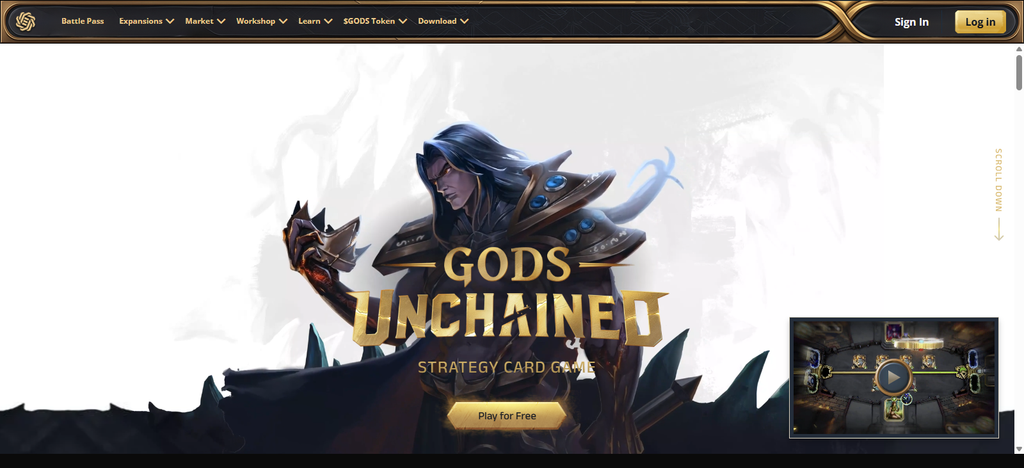
The game offers PC-based gameplay, with starter cards available at no significant initial investment. GODS is capped at a maximum supply of 500 million tokens and is used for NFT crafting, purchases, staking and governance. Players can own scarce cards and trade eligible assets on the underlying scalable infrastructure of Immutable X.
Gods Unchained Features
- Trading Card Battles: Battle against other players using strategically built card decks.
- Player-Owned Cards: Cards eligible are NFTs owned and traded by players.
- Strategic Gameplay: The battle is shaped by card combos, deck building and in-game tactical choices.
- GODS Token: Enables purchases, crafting, staking and ecosystem related activities.
Competitive ecosystem: Designed for ranked and competitive card game play.
| Pros | Cons |
|---|---|
| Deep strategic card gameplay | Competitive learning curve |
| Player-owned NFT cards | Card values can fluctuate |
| Free starter cards available | Advanced collections can become expensive |
| GODS token adds utility | Crypto market volatility affects assets |
| Strong collectible-card format | Requires strategy and deck knowledge |
4. Illuvium
Illuvium is a blockchain gaming ecosystem launched in 2021 that combines creature collecting, RPG elements, strategy, exploration and competitive gameplay. Its model includes play-to-earn and play-and-own mechanics, featuring multiple connected experiences such as Overworld, Arena, Zero, and Beyond.
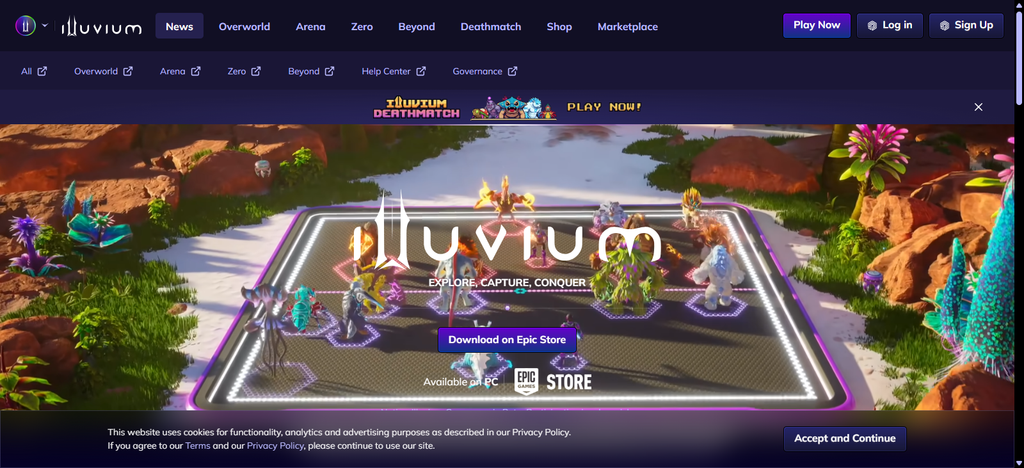
The price of entry is varied, with a number of experiences available for free download, but some assets, activities or purchases will require payment. Illuvium uses **ILV and sILV2. **Creatures, land, cosmetics, and other assets are represented by NFTs. The ecosystem charges certain marketplace and transaction fees, including a 5% commission on eligible Illuvidex peer-to-peer trades.
Illuvium (ILV) Features
- RPG Elements: Exploration, progression, resources and creature development.
- Creature Collection: Capture, upgrade, and explore with Illuvials in its gaming ecosystem.
- Competitive Battles: Illuvium Arena offers an auto-battler experience that focuses on strategy.
NFT Ownership: Illuvials, land and other eligible assets can provide blockchain-based ownership. - Multi-Game Ecosystem: Connects experiences such as Overworld, Arena, Zero, and Beyond.
| Pros | Cons |
|---|---|
| High-quality visual presentation | Higher hardware requirements |
| Multiple interconnected game experiences | Complex ecosystem |
| Creature collection and RPG mechanics | Some assets can be expensive |
| NFT-based digital ownership | Token and NFT prices fluctuate |
| Competitive and exploration gameplay | Full ecosystem can take time to understand |
5. The Sandbox
Originally launched as a conventional game in 2011, The Sandbox has evolved into a blockchain-based virtual-world platform where players can create, own, profit from and exchange digital experiences. Its gameplay model combines play-to-earn, play-and-own, content created by users and creator monetization.
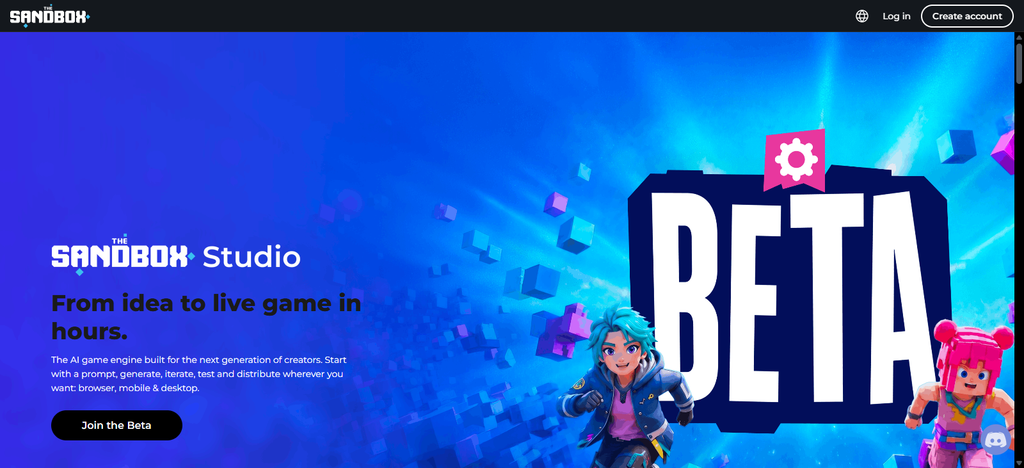
Players can build games with Game Maker, build assets with VoxEdit and do virtual development with LAND. SAND. LAND and ASSETS are blockchain based ownership standards with a max supply of 3 billion tokens.
Historically the platform used 5% marketplace transaction fee. Creators can monetize assets, experiences and LAND rather than relying only on gameplay rewards.
The Sand Box Features
- Virtual Worlds: Discover and interact with user-created virtual spaces based on blockchain technology.
- Player-Created Content: Users can create games, experiences and digital objects.
- LAND Ownership: Users have the ability to build and monetize digital worlds on virtual LAND.
- VoxEdit: Creators can create voxel-based assets for use in the ecosystem.
SAND Economy: SAND drives transactions and a variety of activities on the platform.
| Pros | Cons |
|---|---|
| Strong user-generated content model | Creating content can require learning tools |
| Virtual LAND ownership | LAND can be expensive |
| Creator monetization opportunities | SAND price volatility |
| Large digital asset ecosystem | Virtual-world competition is increasing |
| VoxEdit and Game Maker tools | Blockchain transactions can add complexity |
6. Decentraland
2017 saw the launch of Decentraland’s blockchain project, which has since evolved into a decentralized virtual-world platform where users can explore, socialize, create experiences, and own digital property.
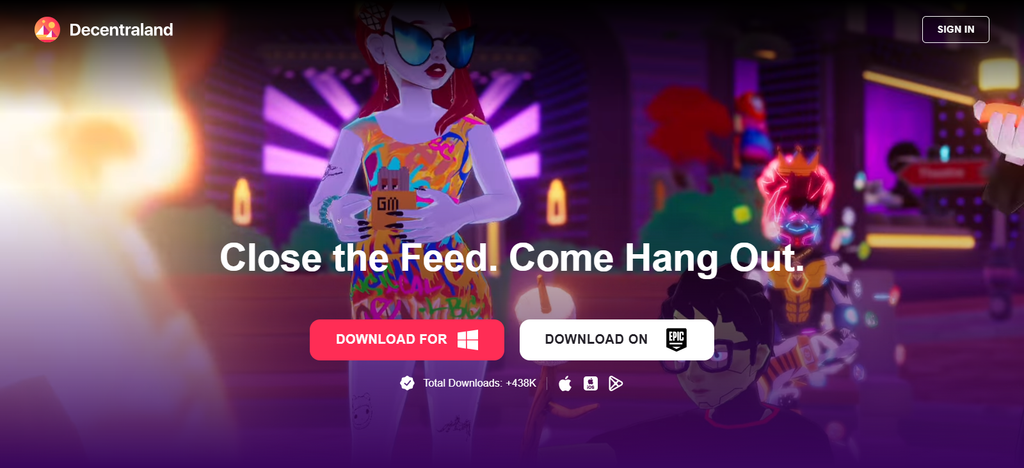
Its gameplay model is primarily play-and-own and creator-driven, not a traditional grind-and-reward model. The platform’s main utility token is MANA, and users can earn LAND, wearables, names, and other blockchain-based assets.
Getting started costs vary depending on whether users are just browsing or buying assets, as LAND and collectibles can require cryptocurrency. Marketplace and blockchain transactions can incur platform fees. Asset ownership: NFTs are used to own assets. Users can own eligible virtual items and transfer them.
Decentraland (MANA) Features
- Virtual World: Discover a decentralized 3D world dedicated to user-generated experiences.
- LAND OWNERSHIP Users can own and develop virtual land represented through blockchain assets.
- Creator Economy: Create experiences, events, scenes, wearables, and other digital content.
- MANA Token: Used for various purchases and economic activities inside the ecosystem.
- Digital Collectibles: Users can own and trade eligible wearables, names, LAND and other assets.
| Pros | Cons |
|---|---|
| Large virtual-world ecosystem | Graphics may feel less advanced than newer platforms |
| User-owned LAND and wearables | LAND prices can be volatile |
| Strong creator focus | User experience can vary between experiences |
| MANA supports the virtual economy | Crypto volatility creates financial risk |
| Open-ended social experiences | Requires learning Web3 concepts |
7. Parallel
Parallel, a sci-fi trading-card strategy game focused on competitive deck-building and digital collectible cards, launched in 2021. Its gameplay model merges traditional strategic card gameplay with player-owned blockchain assets, allowing eligible cards and collectibles to serve as NFTs.

Players can begin playing with easy to access game modes, while higher levels of participation may require the purchase or collection of digital resources. PRIME is the main token of the ecosystem and feeds into the larger Parallel economy and other game-related utility and rewards.
Players can collect and trade select digital cards, providing more ownership over their collections. Availability has been primarily focused on PC, with blockchain functionality woven into the larger ecosystem.
Parallel Features
- Sci-Fi Trading Card Game: A mix of science-fiction and competitive trading-card action.
- Deck Building: Players build decks and develop strategies with different cards.
- NFT Cards: Eligible cards allow verifiable digital ownership.
- PRIME Ecosystem: PRIME underpins the broader Parallel gaming economy and utilities.
- Competitive Gameplay: Designed around tactical battles where card choice and strategy are key.
| Pros | Cons |
|---|---|
| Strategic trading-card gameplay | Learning curve for new players |
| Strong science-fiction theme | Competitive play requires deck knowledge |
| Player-owned digital cards | NFT values can fluctuate |
| PRIME ecosystem utility | Web3 mechanics add complexity |
| Competitive gameplay structure | Smaller audience than major traditional card games |
8. Star Atlas
Star Atlas launched in 2021 as a sci-fi, resource management, combat, exploration and player-owned assets blockchain based space exploration and strategy ecosystem. Its gameplay model is a mix of play-to-own, strategy, exploration and economic simulation with NFTs representing spaceships, land, equipment and other assets.
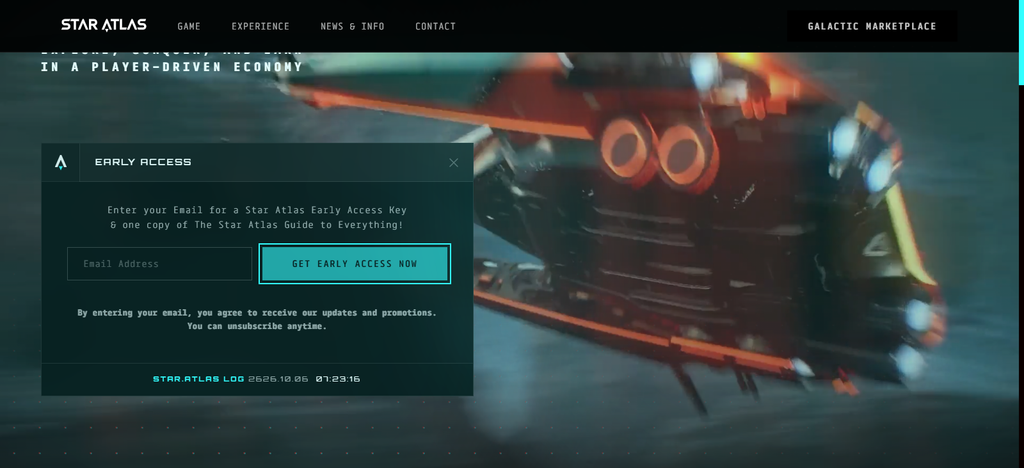
Costs to enter vary as some things can be experienced by players but advanced participation may require the purchase of digital resources.
The ecosystem uses ATLAS for the economic currency and POLIS for governance, with a cap of 36 billion ATLAS tokens. Blockchain ownership enables eligible assets to be owned, transferred and traded outside of traditional game inventories.
Star Atlas Features
- Strategic Gameplay: A blend of economic strategy, exploration, combat and resource management.
- Player-Owned Assets: Ships, equipment, land and other eligible items can be in the form of NFTs.
- ATLAS Economy: ATLAS is the primary economic token of the ecosystem.
- POLIS Governance: POLIS supports governance functions within the Star Atlas ecosystem.
| Pros | Cons |
|---|---|
| Ambitious space-game ecosystem | Development complexity can create delays |
| Strong science-fiction setting | Requires suitable hardware for some experiences |
| Player-owned ships and assets | NFT prices can be volatile |
| ATLAS and POLIS provide ecosystem utility | Economy can be difficult for beginners |
| Combines exploration and strategy | Full gameplay ecosystem is still evolving |
9. Shrapnel
Shrapnel was announced in 2021 as a blockchain-based extraction shooter, emphasizing competitive multiplayer combat, resource extraction, content created by players, and digital ownership. It blends shooter gameplay, play-and-own mechanics, and creator-driven economies in its gameplay model.
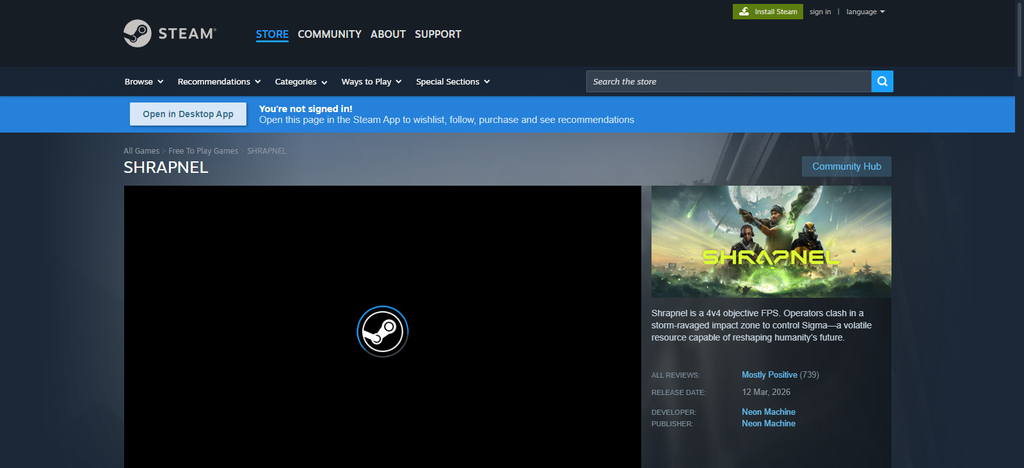
The game favors gameplay skill over simply grinding rewards. The core gameplay is playable through supported PC distribution, with blockchain assets offering an additional layer of ownership and trading functionality.
SHRAP has a total supply of 3 billion tokens, which is a benefit to the other ecosystem. Startup costs may vary according to access, assets, and purchases. Blockchain transactions may have network or marketplace fees. Players can own and trade eligible digital items.
Shrapnel Features
- Extraction Shooter: First person shooter action with extraction gameplay elements.
- Player-Owned Assets: Eligible digital resources can be owned & traded on a blockchain.
Competitive Combat: Players battle it out trying to mine valuable resources. - Creator Tools: Supports player-created content and creator-focused ecosystem features.
- SHRAP Token: Utility token used in the broader Shrapnel blockchain gaming economy.
| Pros | Cons |
|---|---|
| Skill-based extraction-shooter gameplay | Competitive gameplay can be challenging |
| Strong FPS-focused experience | Hardware requirements may be higher |
| Player-owned digital assets | NFT and token values can fluctuate |
| Creator-focused ecosystem | Web3 features add additional complexity |
| SHRAP supports the game economy | Long-term ecosystem development remains important |
10. Splinterlands
Splinterlands was created in 2018 as a blockchain-based collectible card game that mixes tactical battles, deck building, resource management and digital asset ownership. The gameplay model is based on play-to-earn and play-and-own mechanics, allowing players to earn or own cards and other blockchain assets through gameplay and ecosystem activities.
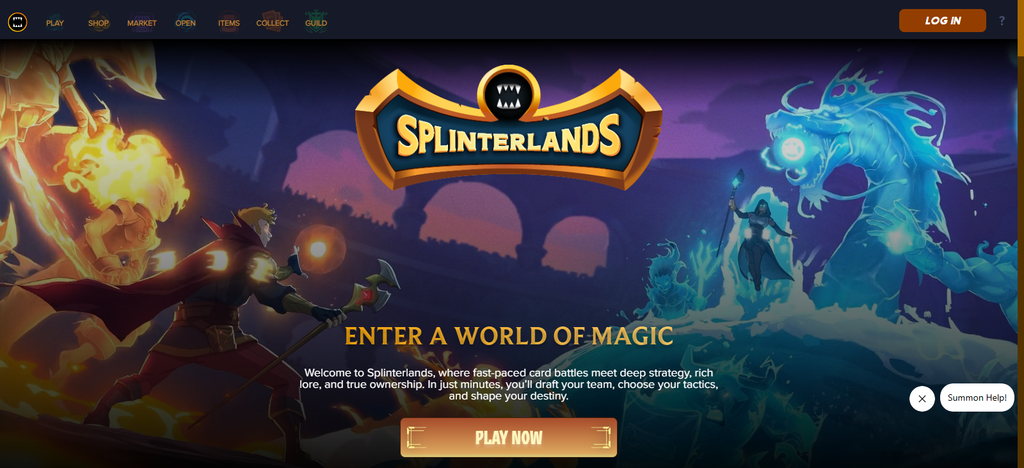
Entry requirements are based on the mode and assets selected. Marketplace transactions may be subject to applicable fees. SPS has a max supply of 3 billion tokens, which also helps to support governance and the wider game economy.
Cards and other eligible assets are represented as digital objects on the blockchain, so players can own and trade them. The updated arrangement also gives the SPS DAO proceeds from ecosystem sales in 2026.
Splinterlands Features
- Trading Card Battles: Construct decks and engage in tactical automated battles.
- Blockchain Cards: Cards are owned, bought and sold as digital resources.
- Strategic Deck Building: Players select cards based on skills, statistics, elemental attributes, and rules of combat.
- SPS Token: For governance and economic activity within the Splinterlands universe.
- Marketplace Economy: Players can trade cards and other qualifying assets within the game’s blockchain ecosystem.
| Pros | Cons |
|---|---|
| Strategic collectible-card gameplay | Gameplay can have a learning curve |
| Player-owned NFT cards | Card values can fluctuate |
| Established blockchain gaming model | Reward economics can change |
| SPS provides governance utility | Token volatility creates financial risk |
| Active marketplace ecosystem | Beginners may need time to understand the economy |
Conclusion
Play-to-earn crypto games aren’t just about doling out tokens as rewards anymore. It’s about blending fun gameplay, digital ownership, NFTs and economies on the blockchain together.
Pixels, Gods, AXIE Infinity Unchained, Illuvium, The Sandbox, Decentraland, Parallel, Star Atlas, and Shrapnel offer a variety of ways to earn, collect, compete, create and own in-game assets. But the initial costs, transaction fees, tokenomics, platform availability, and asset liquidity can be vastly different from game to game.
Before participating, players should consider the quality of gameplay, sustainability of rewards, utility of tokens, options for ownership, and overall risks. Ultimately, the best play-to-earn game is dependent on the individual’s gaming preferences, budget, experience and desired level of crypto involvement.
FAQ
What are play-to-earn crypto games?
Play-to-earn crypto games are blockchain-based games where players can earn digital rewards through gameplay, quests, competitions, trading, or other activities. Rewards may include tokens, NFTs, digital items, or other blockchain assets.
Are play-to-earn crypto games free to play?
Some games offer free entry, while others may require NFTs, tokens, or other assets to access certain features. The starting cost depends on the game’s economic model and the activities a player wants to participate in.
Can you make real money from crypto games?
Players may earn assets with market value, but earnings are not guaranteed. Token prices, NFT demand, marketplace liquidity, transaction fees, player activity, and the amount of time spent playing can all affect potential returns.
Do I need a crypto wallet to play these games?
Many blockchain games require a compatible crypto wallet for storing tokens and NFTs, connecting to marketplaces, or completing blockchain transactions. However, some games provide traditional account options for basic gameplay.
What is the best play-to-earn crypto game in 2026?
There is no single best game for everyone. Axie Infinity, Pixels, Gods Unchained, Illuvium, The Sandbox, Decentraland, Parallel, Star Atlas, Shrapnel, and Splinterlands target different gaming preferences, from card battles and strategy to virtual worlds and shooters.