

In this article, I’ll be talking about the Best Play and Earn Blockchain Games which offer fun gameplay, blockchain-based rewards and digital ownership. These games offer a variety of ways to play and earn, from strategic card games and immersive virtual worlds to competitive shooters and RPGs. We will compare their gameplay, blockchain, reward models, entry costs, difficulty to earn and overall fun factor.
- What is the difference between play-to-earn and play-and-earn?
- Are play-and-earn games still worth playing in 2026?
- Key Points
- 1. Splinterland
- Splinterlands — Best For
- 2. Pixels
- Pixels – Best For
- 3. Gods Unchained
- Gods Unchained Best For
- 4. Off The Grid
- Off The Grid – Best For
- 5. The Sandbox
- The Sandbox – Best For
- 6. Decentraland
- Decentraland Best For
- 7. Parallel
- Parallel – Best For
- 8. Star Atlas
- Star Atlas – Best For
- 9. Shrapnel,
- Shrapnel — Best For
- Conclusion
- FAQ
What is the difference between play-to-earn and play-and-earn?
Play-to-earn (P2E) games are typically centered on rewarding players with tokens, NFTs or other digital currency for completing gameplay activities, often making earning the primary purpose of playing.
Play-and-earn takes a more gameplay-first approach, where entertainment, progression, competition and player experience are still the main focus, while blockchain rewards provide an added benefit.
In simple terms, P2E is earning while gaming, whereas play-and-earn is playing first, earning as an extra feature. This improves the focus of play-and-earn models on long-term engagement rather than just financial incentives.
Are play-and-earn games still worth playing in 2026?
Yes, there are still fun play-and-earn games to play in 2026, especially if they are fun games with meaningful digital ownership and optional rewards. The best games are no longer just about token payouts, they combine competitive mechanics, progression, collectibles, social features and player driven economies.
But players shouldn’t consider gaming rewards a form of guarantyd income, as token prices, NFT demand, reward systems and in-game economies can all change. Before playing, you should consider the quality of the gameplay, the entry fee, how hard it is to earn, the time commitment, the blockchain requirements, and the long-term development.
Key Points
| Game | Key Point 1 | Key Point 2 | Key Point 3 | Key Point 4 | Key Point 5 |
|---|---|---|---|---|---|
| Splinterlands | Strategic card battles | Player-owned digital cards | Ranked and competitive gameplay | Multiple reward opportunities | Active trading-card economy |
| Pixels | Farming and RPG gameplay | Social virtual world | Free-to-start accessibility | Resource gathering and crafting | Beginner-friendly Web3 experience |
| Gods Unchained | Competitive trading-card gameplay | Deep deck-building mechanics | NFT-based card ownership | Skill-focused battles | Strong collectible-card ecosystem |
| Off The Grid | Fast-paced third-person shooter | Extraction-based gameplay | High-quality visual experience | Blockchain-enabled digital ownership | Strong competitive gameplay |
| The Sandbox | User-generated gaming experiences | Virtual LAND ownership | Creator-focused tools | NFT-based digital assets | Metaverse monetization opportunities |
| Decentraland | Open virtual world | Digital land ownership | Social and interactive experiences | Creator economy | Blockchain-based virtual property |
| Parallel | Tactical sci-fi card battles | Strategic deck building | Collectible digital cards | Competitive gameplay | Distinct futuristic game universe |
| Star Atlas | Large-scale space universe | Space exploration | Player-driven economy | Solana-based digital assets | Sci-fi-focused blockchain ecosystem |
| Shrapnel | First-person extraction shooter | Skill-based combat | Loot-and-extract mechanics | Player-owned digital assets | High replayability and competitive action |
1. Splinterland
Splinterlands began in 2018 as a blockchain collectible trading card game with strategic battles, deck building and digital card ownership. It is primarily based on the Hive blockchain and utilizes SPS, DEC and GLINT as the main components of its rewards ecosystem.
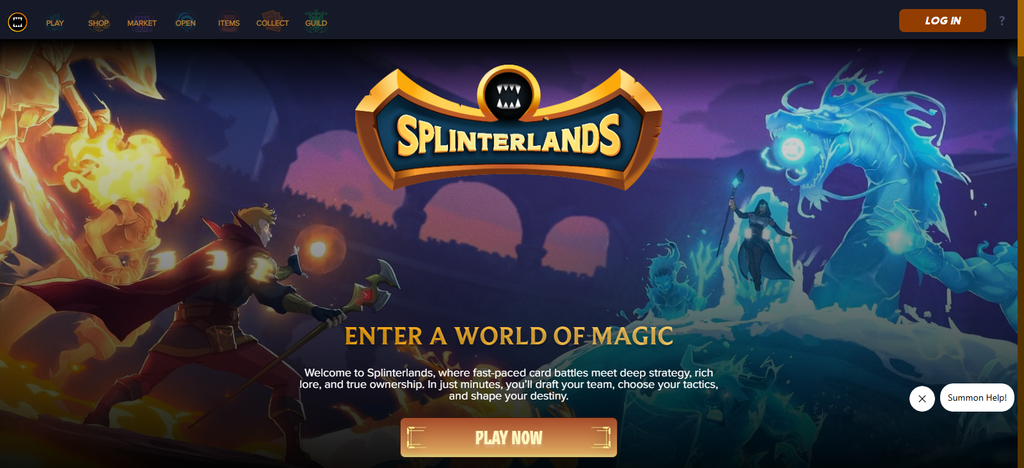
Players can start for free, and the $10 Summoner’s Spellbook unlocks additional earning features. Rewards include ranked battles, tournaments, guild brawls, and tradable assets.
Difficulty to Earn: Medium to High, due to the importance of stronger collections and strategy. Time Needed: Medium. Fun Score: 8/10 **Best For: Strategy gamers, card collectors, competitive players.
Splinterlands — Best For
- Strategy and tactical card game players
- Collectors of trading cards and NFTs
- Competitive (Ranked-battle players)
- Players who want to have cards on the blockchain
- Web3 gamers seeking repeatable gameplay
| Key Strength | Details |
|---|---|
| Strategic Gameplay | Combines tactical card battles with deck-building decisions. |
| Player-Owned Cards | Cards can function as collectible digital assets. |
| Multiple Game Modes | Offers ranked battles, tournaments, guild activities, and other modes. |
| Established Ecosystem | One of the longer-running blockchain gaming projects. |
| Competitive Economy | Trading and card ownership add another layer beyond battles. |
2. Pixels
Pixels is a browser-based farming and social RPG that started development in 2021 and became one of the more accessible blockchain games via the Ronin blockchain. Gameplay features farming, resource gathering, crafting, exploration, questing and socialization, with PIXEL as the main token reward layer.
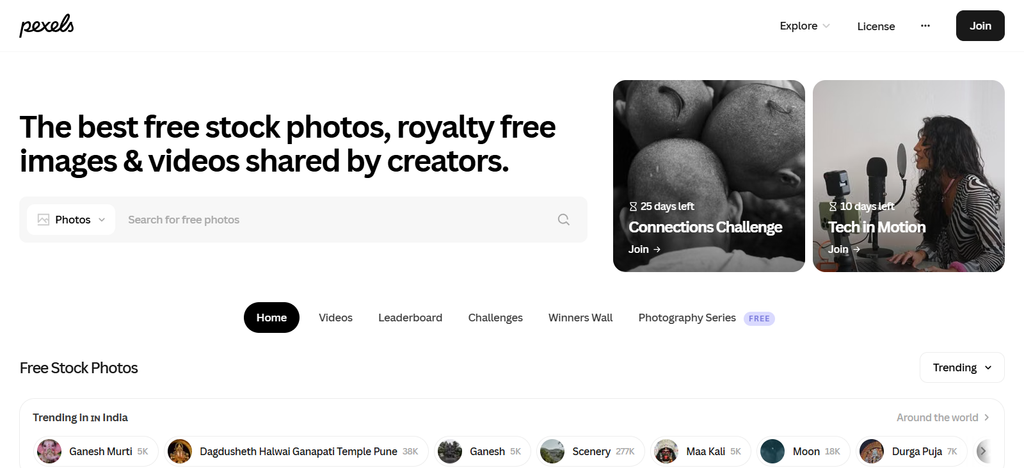
Players can jump in without having to buy costly NFTs, but land and other assets can add to the options for gameplay. Earning Difficulty: Medium, especially for new players to the economy.
Time Investment: Moderate Depending on your farming and progression goals. Fun Score: 8.5/10. Price: Free to start. Best For: Casual players, Farming RPG lovers, Web3 newcomers.
Pixels – Best For
- RPG gamers and casual farming
- Social multiplayer world players
- New entrants to blockchain gaming
- Players who like crafting and resource management
- Gamers who want free-to-start Web3 games
| Key Strength | Details |
|---|---|
| Accessible Gameplay | Farming, quests, crafting, and exploration are easy to understand. |
| Social Experience | Combines RPG mechanics with social and community activities. |
| Free-to-Start Approach | Players can begin without requiring expensive assets. |
| Resource Economy | Gathering and crafting create meaningful progression loops. |
| Casual Appeal | Pixel-art presentation and simple mechanics suit casual players. |
3. Gods Unchained
Gods Unchained is a competitive digital trading card game that launched in 2018. It focuses on deck-building, tactical battles, collectible cards, and player-owned assets. It uses ** Immutable X ** ( Ethereum Layer-2 network ) and ** GODS ** is the native token of its ecosystem . Cards can be obtained by playing the game or by buying them, and qualifying cards can be minted and traded as NFTs.
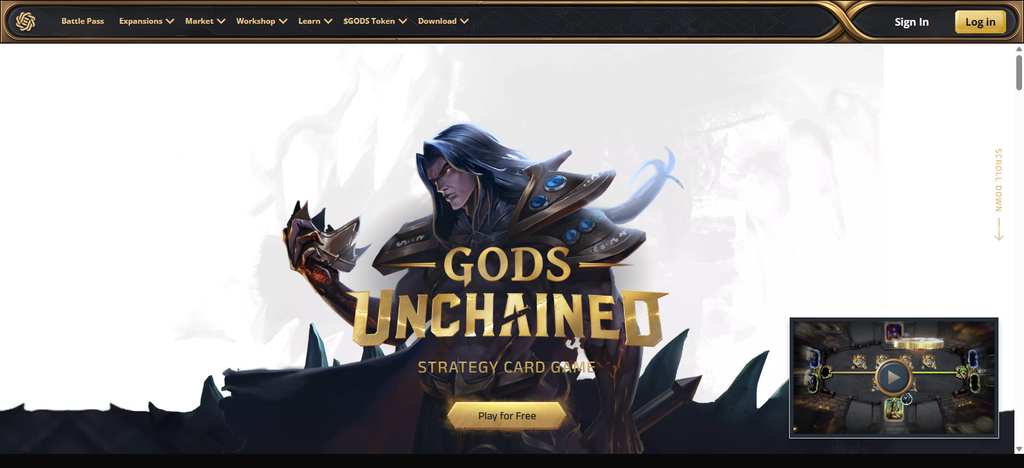
There are rewards for ranked play, events, campaigns, and the larger NFT economy. Difficulty to Earn: Medium, deck quality and gameplay knowledge are important. Time Commitment: Moderate. Fun Score: 9 out of 10. Best For: Competitive card game players and digital collectors.
Gods Unchained Best For
- Fans of competitive trading card games
- Deck building players who enjoy strategy
- Collectors of digital cards
- Gamers with an ownership mindset around NFTs
- Blockchain gameplay based on skill for players
| Key Strength | Details |
|---|---|
| Deep Card Strategy | Deck construction and tactical decisions strongly influence battles. |
| Competitive Gameplay | Ranked matches provide a skill-focused competitive experience. |
| Digital Ownership | Players can own and trade eligible blockchain-based cards. |
| Strong TCG Structure | Familiar trading-card mechanics make the game accessible to TCG fans. |
| Reward Ecosystem | Gameplay and competitive participation can connect with its digital economy. |
4. Off The Grid
Off The Grid is a third-person extraction shooter from Gunzilla Games which blends traditional competitive shooting with blockchain ownership. Development started in the early 2020s and the game uses Avalanche-based blockchain infrastructure for its Web3 economy.
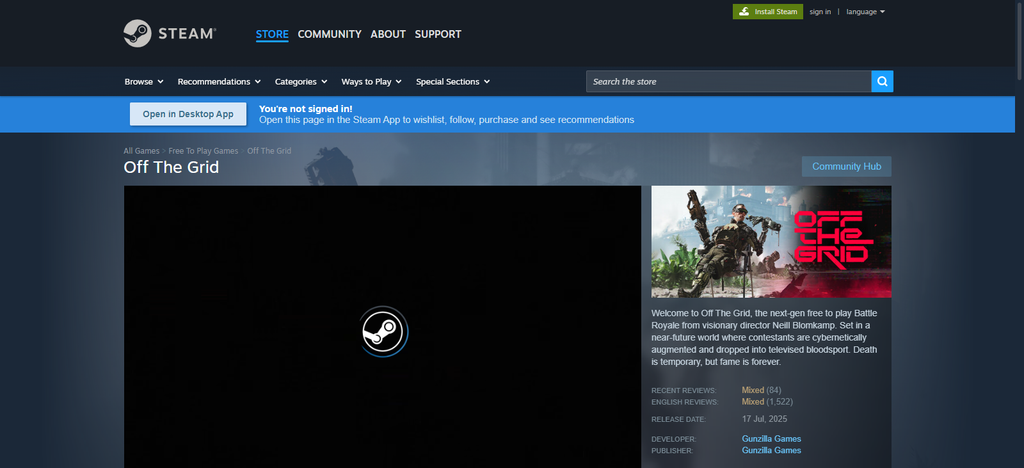
The game’s main draw is the gameplay itself, not just token collecting, with players engaging in intense combat, looting, extraction and progression. Reward Model: participation in the marketplace and blockchain-based digital resources.
Earn Difficulty: High, skill and performance in competition are important. Time Commitment: Moderate to High. Cost: Free-to-play has been the foundation of its model Fun Score: 9/10 Best for: Fans of shooters and extraction games.
Off The Grid – Best For
- Players of competitive shooters
- Extraction style gameplay fans
- Gamers who enjoy futuristic settings
- Conventional game players who want blockchain features
- Players who enjoy high-intensity combat
| Key Strength | Details |
|---|---|
| High-Quality Shooter Gameplay | Focuses heavily on fast-paced third-person combat. |
| Extraction Mechanics | Combines combat, looting, survival, and extraction objectives. |
| AAA-Style Presentation | Provides a more traditional premium-game feel than many blockchain titles. |
| Blockchain Integration | Digital ownership is integrated without making blockchain the entire gameplay experience. |
| Competitive Action | Strong fit for players who prefer skill-based multiplayer combat. |
5. The Sandbox
The Sandbox was originally a 2D game in 2012, before becoming a 3D creator platform on the blockchain when the project was acquired by Animoca Brands.
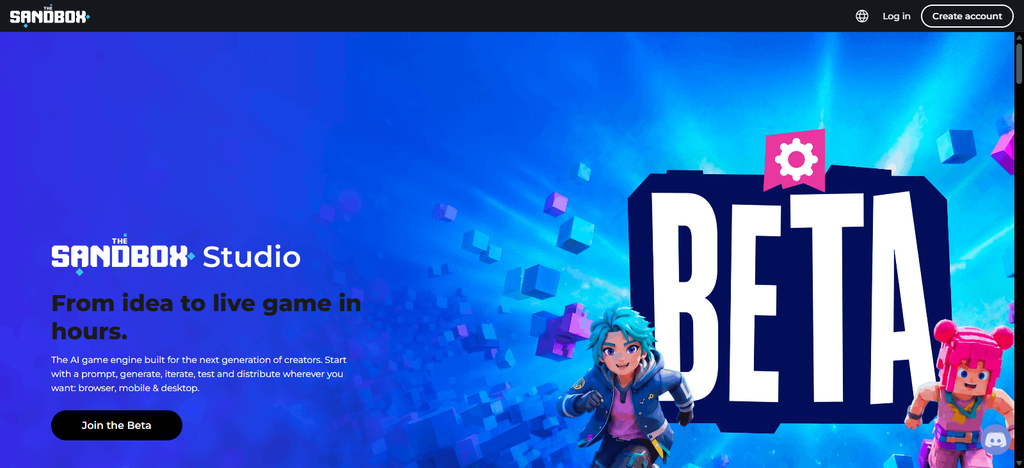
It combines gaming, virtual land ownership, user-generated experiences, NFTs and creator monetization with SAND as its primary ecosystem token. Players can experience things without buying LAND, and creators can build things using tools such as Game Maker and VoxEdit. **
Hard to make: Medium to High. Especially for creators making valuable experiences. Time Commitment: High for the serious creator. Fun Factor: 8.5/10 Cost: Free to explore and build, with optional purchases of assets and LAND. Best for: Creators, builders, and metaverse enthusiasts.
The Sandbox – Best For
- Game Developers & Designers
- The metaverse and virtual worlds fans
- Players who are interested in content created by users
- NFT and digital asset collectors
- Creators who want to monetize via blockchain
| Key Strength | Details |
|---|---|
| User-Generated Content | Players can create games, experiences, and interactive environments. |
| Virtual Land Ownership | LAND gives creators a foundation for developing digital experiences. |
| Creator Tools | Tools such as VoxEdit and Game Maker support content creation. |
| Large Metaverse Ecosystem | Combines gaming, social experiences, brands, creators, and digital assets. |
| Monetization Opportunities | Creators can potentially monetize assets and experiences within its economy. |
6. Decentraland
Decentraland was created in 2015 and has developed into a decentralized virtual world platform where users can explore spaces, attend events, create experiences and own digital property.
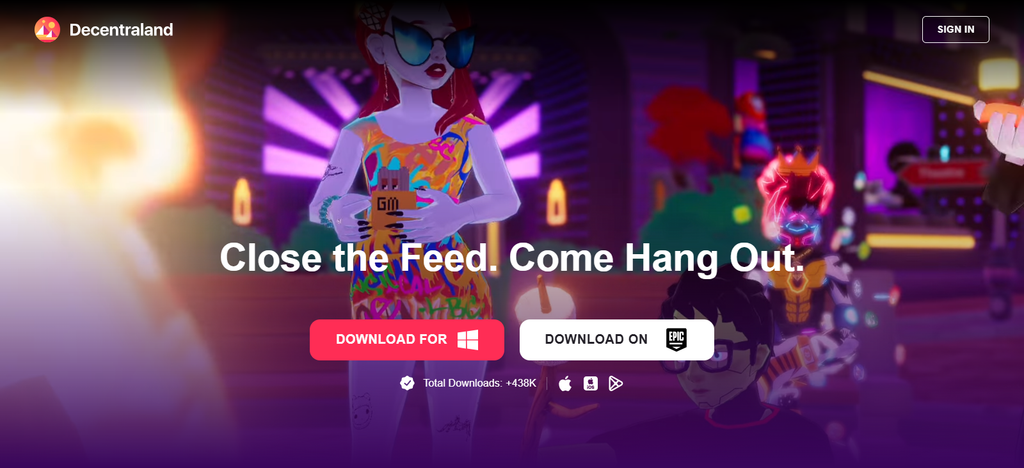
It works mainly on the Ethereum blockchain and uses MANA throughout its economy and LAND as digital property. Rather, its earning model is based on creating, selling, renting and monetizing virtual content rather than traditional competitive gameplay. Earning Difficulty: Medium to High.
Monetization is highly dependent on creativity and demand. Time: Medium to High. Cost: Free to explore, but LAND and assets may be purchased. Fun Score: 7.5/10 **Best For: Social users, creators, explorers of the virtual world.
Decentraland Best For
- Metaverse and social gaming fans
- Virtual World Explorers
- Digital land and NFT collectors
- Designers creating virtual worlds
- People interested in online decentralized communities
| Key Strength | Details |
|---|---|
| Open Virtual World | Provides an open environment for exploration and social interaction. |
| User Ownership | Users can own and develop blockchain-based virtual property. |
| Creator Economy | Supports the creation and monetization of virtual experiences. |
| Social Events | Virtual events, communities, and interactive spaces add variety. |
| Decentralized Structure | Blockchain ownership is central to its virtual-world model. |
7. Parallel
Parallel is a trading card game with a science-fiction theme, launched in 2021. The game blends competitive strategy with collectible digital resources and an evolving sci-fi universe. The game uses Ethereum-based infrastructure and Immutable X for digital ownership and NFT functionality.
The bigger ecosystem of the game includes the PRIME token. Players construct decks with different Parallels and participate in tactical card battles, making it important to understand deck composition and strategy.
Reward Model: play to earn, collectibles, tournaments, ecosystem rewards. Earning Difficulty: Medium-High. Time Commitment: Medium. Cost: There are free options for playing, but premium cards may cost money. Fun Score: 9 out of 10 Best For: Strategy gamers and hardcore TCG players.
Parallel – Best For
- Competitive strategy game players
- Fans of science fiction games
- Fans of the trading card game
Players who like tactical deck building - NFT and digital collectible fans
| Key Strength | Details |
|---|---|
| Strategic Card Battles | Gameplay emphasizes tactical decisions and deck construction. |
| Sci-Fi Setting | Uses a distinctive futuristic universe to differentiate its TCG experience. |
| Competitive Depth | Strong strategic elements reward experienced players. |
| Collectible Assets | Digital cards provide ownership and collecting opportunities. |
| High-Quality Presentation | Combines blockchain ownership with a polished modern card-game experience. |
8. Star Atlas
Star Atlas is a large-scale science-fiction gaming ecosystem built around space exploration, ships, resources, territory, and player-driven economies, launched as a project in 2020. It is built on the Solana blockchain and utilizes ATLAS for economic activity and POLIS for governance.
Players engage in a variety of activities with spacecraft, resources, exploration and digital resources. Earning Difficulty: High Many advanced activities may require some preparation or asset ownership.
Time commitment: a lot of deep participation. Cost: Some experiences don’t necessarily require a major investment, but NFTs can add up to a significant cost. Fun Factor: 8/10 Best for: Fans of space games and Web3 collectors.
Star Atlas – Best For
- Fans of space exploration games
- Fans of sci-fi and strategy
- Players who like virtual economies
- NFT and digital spacecraft collectors
- Gamers who want large-scale blockchain worlds
| Key Strength | Details |
|---|---|
| Space Exploration | Focuses on a large sci-fi universe with exploration and discovery. |
| Rich Game Economy | Ships, resources, land, and other assets contribute to its economic system. |
| Solana Integration | Uses Solana for blockchain-based assets and transactions. |
| Immersive Sci-Fi Vision | Offers a detailed futuristic setting for space-focused players. |
| Digital Asset Ownership | Players can interact with blockchain-based ships and other game assets. |
9. Shrapnel,
Shrapnel, a blockchain-enabled first-person extraction shooter from Neon Machine, has been in development since around 2020. The game emphasizes fast-paced combat, mining, equipment customization and content created by players over the passive nature of token rewards.
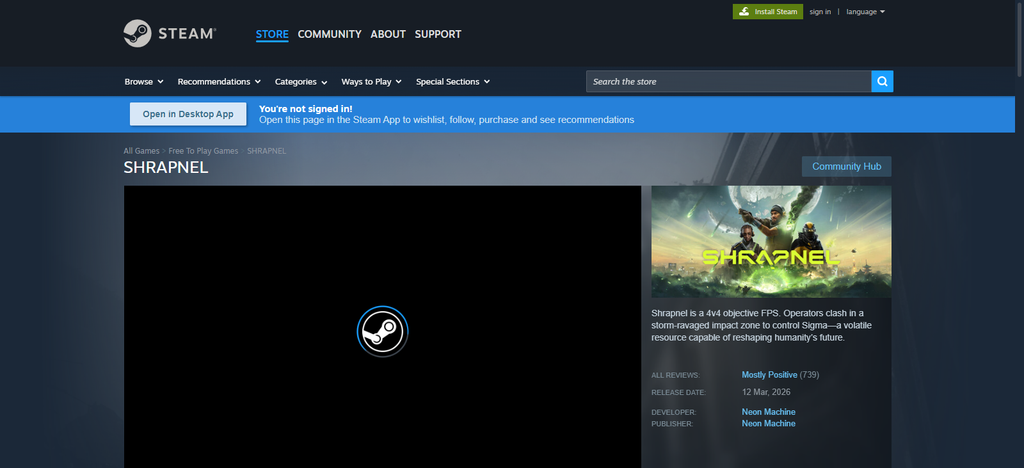
Its Web3 infrastructure is linked to the Avalanche ecosystem and enables digital ownership and marketplace functionality. Reward Model: resources, online assets, player created content & market opportunities extracted.
Difficulty to Earn: Difficult, because extraction is difficult and requires good gameplay skills. Time Commitment: Medium to High Cost: Designed around accessible gameplay with optional digital resources. Fun Score: 8.5/10 Ideal for: FPS players, competitive gamers and fans of extraction shooters.
Shrapnel — Best For
- Fans of first-person shooters
- Extraction shooter games
- Gamers who play competitive multiplayer
- A player wants to buy a digital asset owned by another player
- Risk & reward combat gamers
| Key Strength | Details |
|---|---|
| Extraction Shooter Gameplay | Combines FPS combat with looting and extraction mechanics. |
| Competitive Combat | Player skill plays an important role in surviving encounters. |
| Player Ownership | Blockchain technology supports ownership of selected digital assets. |
| Player-Created Content | Gives creators opportunities to participate in the broader game ecosystem. |
| High Replayability | Risk-based extraction creates different outcomes across matches. |
Conclusion
Play-and-earn blockchain games have evolved from simple token reward systems to more engaging gameplay, digital ownership, competitive experiences and player-driven economies.
The best games in 2026 will not be those that offer financial rewards but will be fun and have real blockchain capabilities. Whether it’s card-battling games like Gods Unchained and Splinterlands or shooters such as Off The Grid and Shrapnel, each game offers a different experience.
Look at its gameplay, entry cost, difficulty to earn, time invested, blockchain and reward model before choosing one. The best play-to-earn game is ultimately the one that is fun even if rewards are not the primary reason for playing.
FAQ
What are play-and-earn blockchain games?
Play-and-earn blockchain games are games that combine traditional gameplay with blockchain-based ownership and reward systems. Players can earn tokens, NFTs, digital items, or other assets through gameplay, competitions, quests, trading, or creating content.
Which are the best play-and-earn blockchain games in 2026?
Some notable options include Splinterlands, Pixels, Gods Unchained, Off The Grid, The Sandbox, Decentraland, Parallel, Star Atlas, and Shrapnel. The best choice depends on your preferred genre, budget, gaming skill, and interest in blockchain rewards.
Can you play these blockchain games for free?
Some blockchain games offer free entry or free-to-start gameplay, while others may require NFTs, digital assets, or optional purchases for advanced participation. Always check the game’s current entry requirements before spending money.
Can you actually earn money from blockchain games?
Yes, some games allow players to earn tokens, NFTs, or tradable digital assets. However, earnings are not guaranteed and can depend on gameplay skill, time invested, market demand, token prices, and the game’s reward economy.