

In this article I will talk about the Best Crypto Games to Play. The best Web3 games based on gameplay, blockchain technology, NFT utility, entry cost, platforms, token features, and player ownership. Whether you’re into strategy, card games, RPGs, shooters or virtual worlds, these crypto games bring a variety of options for experiencing blockchain-powered gaming and digital economies.
- What Are Crypto Games to Play?
- Key Points
- 1. Axie Infinity
- Features
- Pros
- Cons
- 2. Illuvium
- Features
- Pros
- Cons
- 3. The Sandbox
- Features**
- Pros
- Cons
- 4. Unchained Gods
- Features:
- Pros
- Cons
- 5. Pixels
- Features:
- Pros
- Cons
- 6. Decentraland
- Features
- Pros
- Cons
- 7. Off The Grid
- Features**
- Pros
- Cons
- 8. Star Atlas
- Features**
- Pros
- Cons
- 9. Shrapnel.
- Features
- Pros
- Cons
- 10. parallell
- Features
- Pros
- Cons
- Conclusion
- FAQ
What Are Crypto Games to Play?
Crypto games to play in 2026 are more than just about token rewards or NFTs. They provide fun gameplay alongside blockchain-based ownership and digital economies. Games like Axie Infinity, Illuvium, The Sandbox, Gods Unchained, Pixels, Decentraland, Off The Grid, Star Atlas, Shrapnel and Parallel attract all types of players from strategy and card game fans to shooters, explorers, creators and metaverse users.
Rather than focusing on the earning potential, consider the quality of gameplay, entry costs, blockchain, utility of NFTs, platform availability, token functionality, and long-term development when choosing a Web3 game. This can help players find a crypto game that matches their interests and risk appetite in 2026.
Key Points
| Crypto Game | Key Point |
|---|---|
| Axie Infinity | One of the longest-running Web3 games, centered on collecting, breeding, and battling NFT-based Axies. |
| Illuvium | AAA-style blockchain RPG featuring creature collection, exploration, and auto-battler gameplay. |
| The Sandbox | Leading metaverse game where players build, own, and monetize virtual experiences and land. |
| Gods Unchained | Free-to-play NFT trading card game that gives players full ownership of their cards. |
| Pixels | Popular farming and social simulation game focused on accessibility and player-owned assets. |
| Decentraland | Decentralized virtual world where users own land, attend events, and trade digital assets. |
| Off The Grid | AAA battle royale shooter that integrates optional NFT ownership and blockchain-based item trading. |
| Star Atlas | Ambitious space exploration and strategy game built around a persistent blockchain-powered universe. |
| Shrapnel | Extraction-style FPS featuring creator-owned content and blockchain-based digital assets. |
| Parallel | Competitive sci-fi trading card game combining strategic gameplay with NFT ownership. |
1. Axie Infinity
Axie Infinity is a blockchain game launched in 2018. In the game, players collect, breed, upgrade and battle with Axies — creatures that battle against other players. Gameplay centers on strategic team battles and progression, with Ronin being its gaming-focused blockchain.
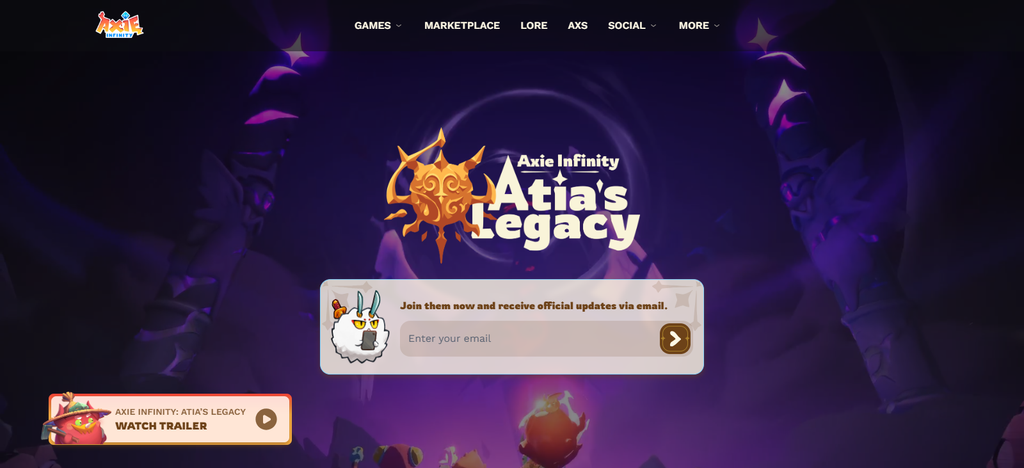
Entry Cost is zero for players using free starter Axies, and owned Axies unlock deeper asset-based participation. Platforms PC, Mac and Android within the Axie ecosystem. The utility of NFTs is in Axies and other collectibles you can own and trade. AXS rewards and support governance and ecosystem utility and in-game assets build its web3 economy.
Features
- Collecting and breeding creatures and tactical battles
- Ownership of digital property on the Ronin blockchain
- Collectible and gameplay useful Axie NFTs
- AXS Token for governance and ecosystem features
- Free starter Axies for new players
Pros
- Proven Web3 gaming ecosystem
- Solid NFT Ownership Model
- Simple to begin
- Strategic Gameplay offers replayability
- Large, well-known crypto-gaming community
Cons
- Economy can be complicated for beginners
- Token and NFT prices can be volatile
- Some advanced features need digital resources
- Further investment may be required to move forward competitively
- Rewards are not promised
2. Illuvium
Illuvium is a fantasy Web3 gaming ecosystem, launched in 2022, that combines exploration, creature collection, auto-battling, and digital collectibles. Gameplay includes experiences such as Overworld, Arena and Beyond, offering players a variety of ways to explore the Illuvium universe.
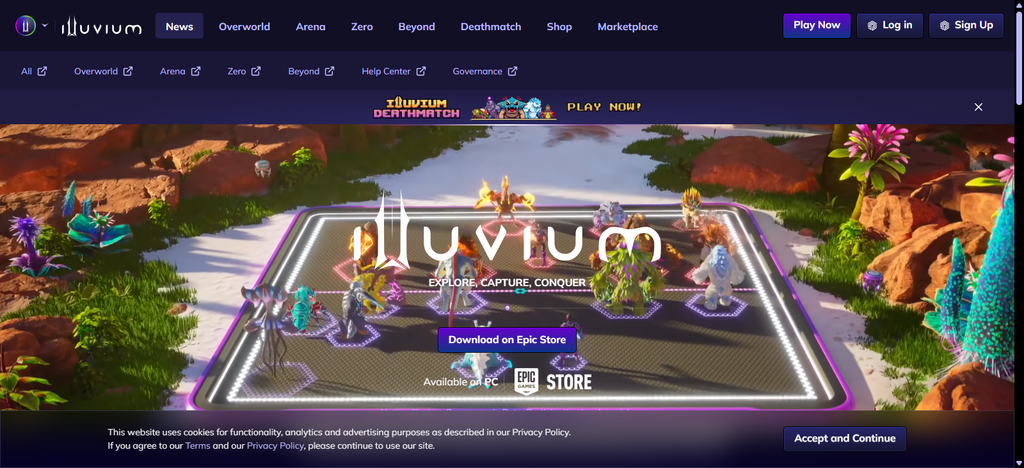
Blockchain infrastructure linked to Immutable technology for digital ownership, connected to Ethereum. Entry Cost has different experience levels with Overworld, Arena and Zero having their own access and purchase models.
Platforms include PC-based experiences. Mobile access is associated with Zero. NFT Utility involves Illuvials and other game assets that are tradable throughout the ecosystem, providing ownership to collectors beyond typical in-game items.
Features
- Collect and explore fantasy creatures
- Auto-battler gameplay using Illuvium Arena
- Many gaming experiences joined together
- Infrastructure on Ethereum and Immutable
- Tradeable Illuvials & digital game assets
Pros
- Visually appealing
- Varied gameplay experiences
- Good creature collection concept
The next generation of Web3 asset ownership. - RPG and strategy gamers may like it
Cons
- More advanced than casual Web3 games
Some assets are expensive - Blockchain features can be confusing for newbies
- Hardware requirements can be harsh
- The ecosystem has many parts to learn
3. The Sandbox
The Sandbox A user-generated blockchain gaming platform where players can play, build, own and monetize their own gaming experiences. Launched 2018. Gameplay includes adventures, social experiences, and community-made games with Game Maker. Blockchain support through Ethereum and Polygon. SAND is the utility and exchange token of the ecosystem.
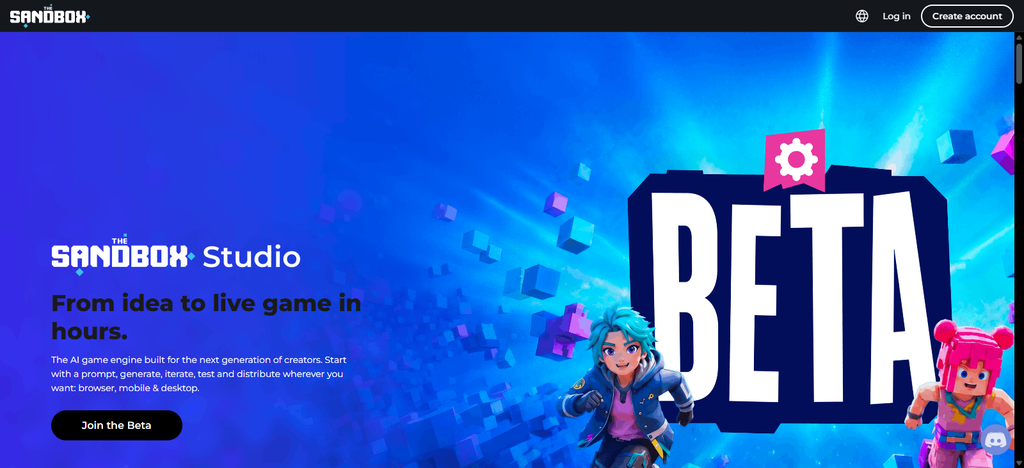
Entry Cost Free. Many experiences are available without needing to purchase LAND or NFTs, but some experiences do require specific assets. Platforms is all about the web and desktop experiences. NFT Utility includes LAND, avatars, equipment and creator assets, which makes it particularly appealing to builders and digital world creators.
Features**
- Virtual experiences created by users
- Virtual property ownership on LAND
- SAND utility token
- NFT assets, avatars and collectibles
- Tools for game maker and creator
Pros
- A booming creator economy
- Large ecosystem of virtual world
- Players can make their own experiences
- Lots of use cases for NFTs
- Designed for creators and metaverse lovers
Cons
- Premium LAND might be costly
- Creator tools need to be learned
- Quality of experience varies across user-created content
Virtual economy can be speculative - Unconventional gameplay compared to normal games
4. Unchained Gods
Gods Unchained — Released in 2018 — A competitive digital trading card game that focuses on strategic deck building and player-versus-player combat. Gameplay is about collecting cards, building custom decks, learning card effects, and playing in ranked and multiplayer modes.
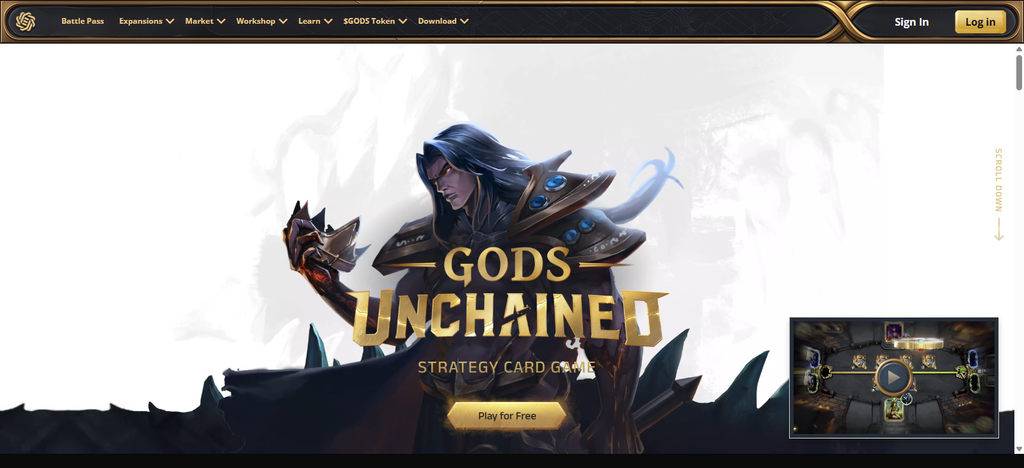
Blockchain integrations utilize Ethereum with Immutable X technology for scalable digital ownership. Entry Cost is beginner friendly as players can start with starter cards and can later purchase more assets.
Platforms concentrate on PC gameplay. NFT Utility converts eligible cards into tradeable electronic assets and GODS is used for crafting, marketplace purchases, rewards, staking and governance. Ideal for strategy and collectible card game players.
Features:
- Strategic deck building mechanics
- Competitive digital collectible card game
- Card ownership via blockchain
- GODS Token Ecosystem
- NFT cards and collectibles that are tradable
Pros
- Simple idea for card-game players
- Intense Strategy Gameplay
- Digital cards have real ownership
- Free starter options make it more accessible
- Competitive multiplayer experience
Cons
- New players will take time to learn
- Good cards are expensive
- Prices in the card market may vary
- Requires knowledge of strategy for deck
5. Pixels
Pixels – A persistent Web3 world based social farming and adventure browser game launched in 2021. Gameplay combines farming, exploration, quests, social interaction, resource collection and community events.
Blockchain integration is tied to the Ronin ecosystem, which offers an interface to link digital resources and game-related ownership to Web3 infrastructure. Entry Cost is designed to be accessible, where players can start without having to make a big NFT investment. The Platforms are primarily browser based.
NFT Utility offers ownership and gameplay utility for characters, land, collectibles, and other assets within the ecosystem. PIXEL is the ecosystem token, making Pixels perfect for casual players who want to play Web3 socially.
Features:
- Social farming gameplay through the browser
- Farming, Quests, Exploration and Resource Collection
- Link to Ronin Blockchain
- PIXEL ecosystem token
- NFT based characters, land and collectibles
Pros
- Playable in browser
*Low barrier to entry - Relaxed, social gameplay style
- Wide variety of activities
- Good for Web3 beginners
Cons
- Some players may find the gameplay repetitive
- Token economy involves market risk
- Some advanced assets are NFTs
- Less suitable for players looking for lots of action
Advancement may require time investment
6. Decentraland
Launched in 2017, Decentraland is a virtual world based on blockchain technology, where users can explore social spaces, attend events, create experiences and own digital property. The gameplay is less rigid than traditional games, instead focusing on user-generated environments, social interaction, events and virtual experiences.
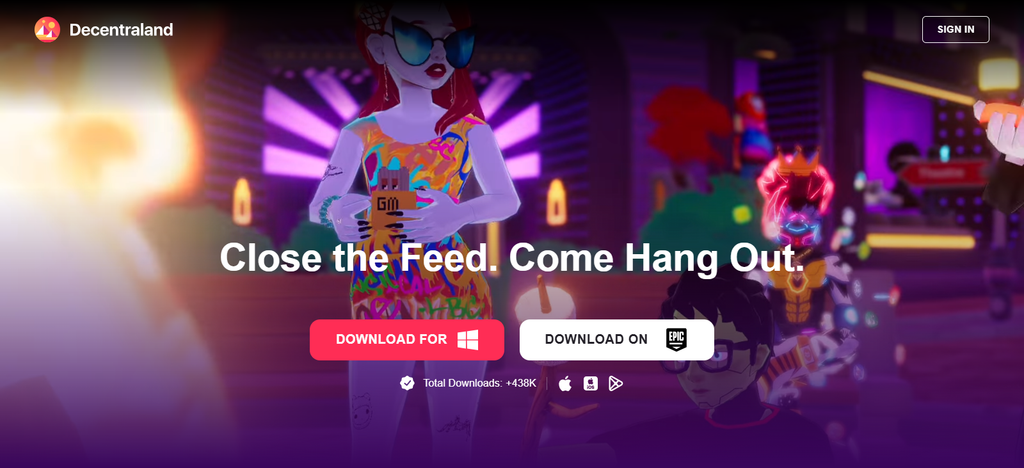
Blockchain infrastructure allows for virtual land and digital possessions to be owned. Many experiences have Entry Cost for free. LAND and other assets need to be bought. Platforms Desktop experiences supported and browser access.
NFT Utility includes LAND, wearables, names and other digital resources. Decentraland is better for creators, collectors and metaverse-centric users MANA powers the virtual economy and transactions.
Features
- Open virtual world environment
virtual ownership of LAND - Token of MANA ecosystem
- Digital collectibles and NFT wearables
User spaces & social experiences
Pros
- Strong User Content Creation Model
- Large virtual property ecosystem *
- a range of social experiences
- Established platform for the metaverse
- For digital collectors and creators
Cons
- LAND can be expensive to purchase
- Graphics and gameplay may look less advanced
User satisfaction depends on the destination - Virtual assets are speculative;
- Not as interested in traditional gaming
7. Off The Grid
Off The Grid is a competitive third-person cyberpunk extraction shooter launching in 2024 that combines classic shooter gameplay with Web3 ownership. Gameplay features squad-based combat, extraction, loot gathering and strategic survival set in a sci-fi universe. blockchain The GUNZ ecosystem is built to provide the infrastructure for linking game assets to blockchain ownership.
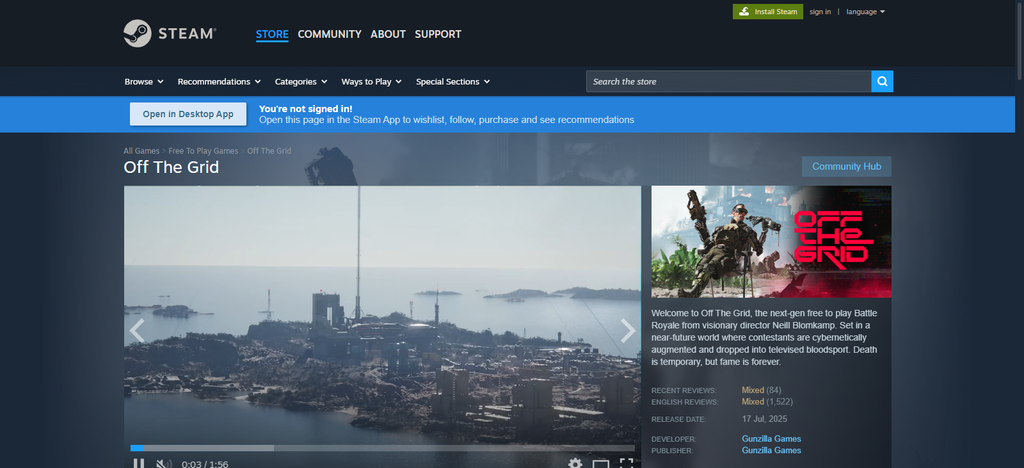
Entry Cost focuses on playable game mechanics and does not require players to buy NFTs before starting to play. Platforms PC and supported console environments. NFT Utility ties specific in-game assets to ownership and trade on the blockchain. The biggest draw is the combination of a mainstream shooter experience with optional Web3 functionality.
Features**
- Third-person extraction shooter gameplay
- Cyberpunk setting in the future
- Competitive, squad-based combat
- GUNZ blockchain ecosystem
- Player-owned digital resources
Pros
- Classic shooter gameplay
- Good Visual Presentation
- Extraction mechanics tension
Web3 elements connected to gaming - Appeals to the general FPS crowd
Cons
- Competitive play can be draining
Web3 features add complexity - Asset values are subject to change
- Requires appropriate gaming hardware
*Still under development compared to established shooters
8. Star Atlas
Star Atlas is a space-themed blockchain gaming ecosystem that launched in 2021. It merges exploration, combat, strategy, resource management, and ownership of virtual assets. Gameplay features flying ships, mining, crafting, fleet management, multiplayer and the browser-based SAGE strategy experience.
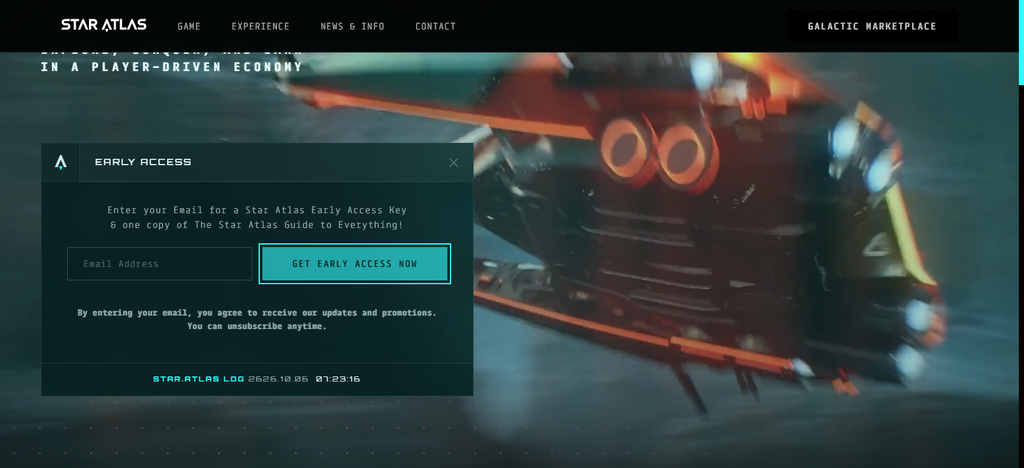
Built on Solana, Blockchain enables low-cost on-chain asset interactions. Entry Cost is experience-dependent: The UE5 game has free entry with demo ships, while SAGE requires assets or rentals for deeper engagement. Platforms PC gameplay and browser experiences based on Epic Games NFT Utility Ships, Crew, Resources, and other assets. ATLAS fuels the economy, POLIS fuels government.
Features**
- Space exploration (science-fiction)
- Fleet management and ship combat
- Integration with Solana blockchain
ATLAS & POLIS Ecosystem tokens - NFT ships, resources & other assets
Pros
- Variety of digital resources
- Ambitions in the space game ecosystem
- Solid integration with the blockchain
- room for exploration and strategy
- Nice science-fiction setting
Cons
- Gameplay still in development
- Large ecosystems may be difficult for beginners
NFT assets can cost a pretty penny
Token prices can be volatile - Some features require multiple systems to be learned
9. Shrapnel.
Shrapnel, coming in 2023, is a competitive first-person shooter extraction-style shooter that emphasizes squad combat, resource gathering and player progression. Gameplay puts players in a futuristic conflict where teams venture into dangerous zones, battle opponents, collect Sigma, and attempt to retrieve valuable resources.
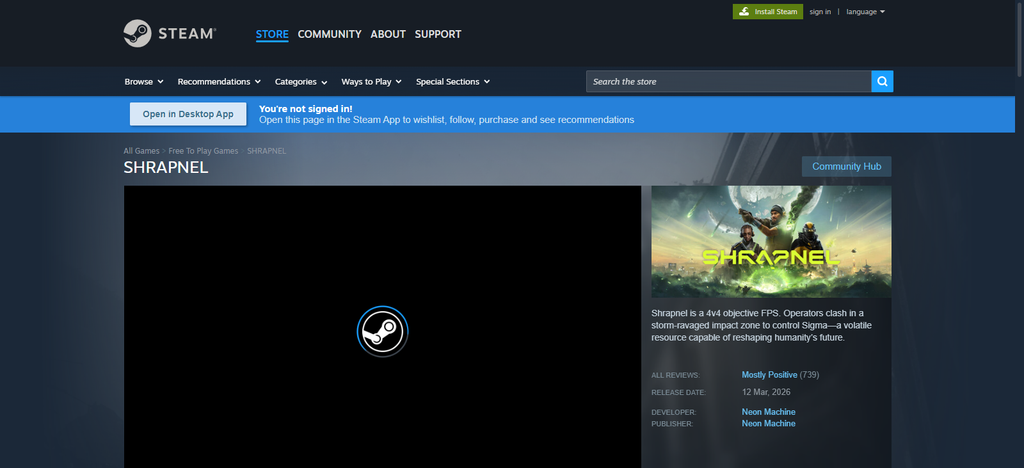
Blockchain technology is used in the larger Shrapnel ecosystem to facilitate digital ownership. The Entry Cost is based on free-to-play, allowing players to experience the core shooter before buying the assets. Platforms include PC via Steam.
NFT Utility refers to collectible and player-owned ecosystem assets, and the game’s biggest differentiator is the mix of high-intensity FPS gameplay, extraction mechanics and Web3 ownership.
Features
- Competitive extraction shooter gameplay
- First person combat
- Missions involving squads
- Player owned digital resources
Web3-powered gaming ecosystem
Pros
- Familiar FPS style gameplay
Extraction mechanics create strategic depth - Heavy emphasis on player competition
- Core gameplay is enhanced by Web3 ownership
- Classic shooter appeal
Cons
- Competitive matches can be tough
- Web3 economy brings financial risk
- Development and features are still evolving
- Gaming hardware that is capable of handling the game
10. parallell
Parallel, a science-fiction collectible card game launched in 2021, combines traditional strategic deck-building with blockchain-based digital ownership. Gameplay revolves around deck building, careful card selection, and competing against other players with various Parallel factions and powers.
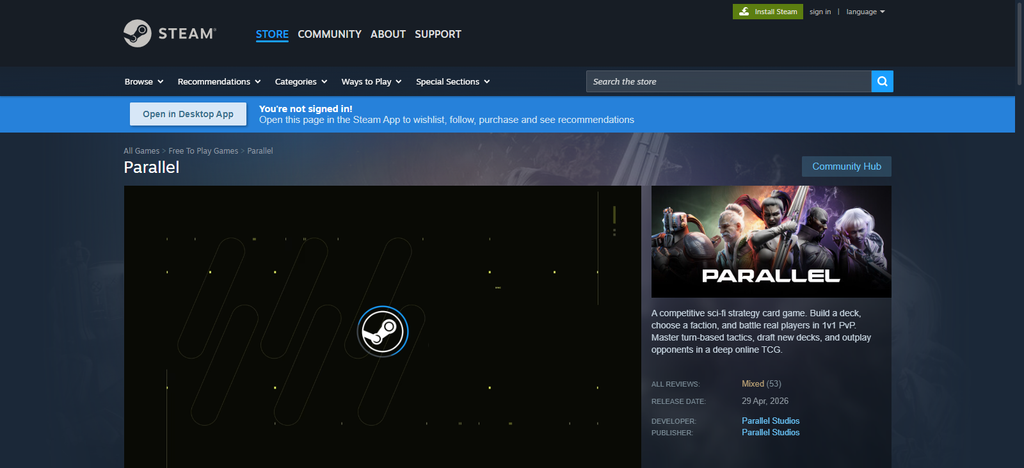
Digital cards and collectibles ownership and trade relies on blockchain technology. Entry Cost can be affordable for players with available gameplay options and collectors can buy premium assets and NFTs. Platforms PC-based play mostly.
NFT Utility gives selected cards and collectibles tradable ownership outside the standard game inventories. PRIME is the ecosystem token that makes Parallel especially suited for competitive strategy players and digital-card collectors.
Features
- Collectible card game (science fiction)
- Deckbuilding strategy game
- Several playable factions
- Card ownership via blockchain
- PRIME ecosystem token
Pros
- Deep strategic card game play
- High-quality science fiction theme
- Collector NFT ecosystem
- competitive gameplay framework
- Very appealing to card-game fans
Cons
- Card mechanics take time to learn for the beginners
*Premium cards can be expensive - Prices of NFTs are subject to change
Competitive players could encounter seasoned opponents
Traditional card gaming is a little bit complicated by web3
Conclusion
Crypto games to play in 2026 are more than just about token rewards or NFTs. They provide fun gameplay alongside blockchain-based ownership and digital economies. Games like Axie Infinity, Illuvium,
The Sandbox, Gods Unchained, Pixels, Decentraland, Off The Grid, Star Atlas, Shrapnel and Parallel attract all types of players from strategy and card game fans to shooters, explorers, creators and metaverse users. Rather than focusing on the earning potential, consider the quality of gameplay, entry costs, blockchain, utility of NFTs,
platform availability, token functionality, and long-term development when choosing a Web3 game. This can help players find a crypto game that matches their interests and risk appetite in 2026.
FAQ
What are crypto games?
Crypto games are blockchain-based games that use cryptocurrencies, NFTs, or other digital assets as part of gameplay, ownership, trading, rewards, or virtual economies. Unlike traditional games, some Web3 games allow players to own and trade certain in-game assets.
Which are the best crypto games to play in 2026?
Some notable crypto games in 2026 include Axie Infinity, Illuvium, The Sandbox, Gods Unchained, Pixels, Decentraland, Off The Grid, Star Atlas, Shrapnel, and Parallel. The best choice depends on your preferred genre, gameplay style, platform, and interest in Web3 features.
Are crypto games free to play?
Some crypto games offer free-to-play options, while others may require NFTs, digital assets, or purchases for expanded gameplay. Players should check the current entry requirements before spending money because access models can change.
Can you make money playing crypto games?
Some crypto games provide opportunities to earn through rewards, tournaments, NFT trading, marketplaces, or other ecosystem activities. However, earnings are not guaranteed, and cryptocurrency and NFT values can fluctuate significantly.