

In this article, I will talk about the best blockchain games built on Ethereum covering popular titles in the RPG, strategy, trading card, metaverse and simulation genres. We will go over their Ethereum networks, blockchain implementation, gameplay, entry requirements, in-game assets, ownership features, and key advantages to help players understand which Ethereum-based gaming experiences can suit their interests in 2026.
- What Are Blockchain Games Built on Ethereum?
- Why Choose Blockchain Games Built on Ethereum
- Key Points
- 1. Illuvium
- Illuvium Features
- 2. Gods Unchained
- Features of Gods Unchained
- 3. Axie Infinity
- Axie Infinity Features
- 4. Parallel TCGs
- Parallel TCG Features
- 5. Decentraland (MANA)
- Decentraland Features
- 6. The Sandbox
- The Sandbox features
- 7. Guardians of the Guild
- Guardians of the Guild Features
- 8. Píxeles
- Pixel Features
- 9. Treeverse
- Treeverse Features
- 10. Heroes of Mavia
- Heroes of Mavia Features
- Conclusion
- FAQ
What Are Blockchain Games Built on Ethereum?
Ethereum-based blockchain games are video games that use Ethereum or Ethereum-linked networks to provide features like digital ownership, NFTs, tokens, marketplaces, and player-controlled in-game assets.
Some game items can be blockchain assets that players can own, transfer, or trade outside of the core game systems, unlike traditional games. These games include RPGs, strategy titles, trading card games, virtual worlds and simulations. Some run directly on Ethereum, while others use Ethereum Layer-2 networks, or connected gaming ecosystems to make transactions faster and cheaper.
Why Choose Blockchain Games Built on Ethereum
Real Digital Ownership: Players can own eligible characters, cards, land, collectibles, and other digital possessions rather than being locked in a game account.
Established Blockchain Infrastructure Ethereum offers well-established smart-contract infrastructure for ownership, transactions, and digital property.
Tradeable In-Game Assets: Compatible NFTs and collectibles may be transferable or tradeable through compatible marketplaces.
Player-Driven Economies: Some games enable players to participate in marketplaces and economies where the digital resources have utility beyond simple gameplay.
A Variety of Gaming Genres: Ethereum gaming has RPGs, trading card games, strategy games, virtual worlds, simulations, MMORPGs and more.
Layer-2 Scalability: Ethereum Layer-2 networks can provide faster and often cheaper transactions, making blockchain features more feasible for gaming.
Transparent Ownership: Blockchain records can offer public verification of ownership and asset history for supported digital items.
Interoperable Ecosystems: Some assets and tokens can be used across larger Web3 wallets and marketplaces as long as the game’s infrastructure allows it.
Flexible Entry Models Most of the new blockchain games are free to play, so you can try the game before you buy any optional blockchain assets.
Broader Web3 Gaming Ecosystem: Ethereum has a large developer community and application base that provides infrastructure for games, marketplaces, wallets, tokens, and digital collectibles.
Key Points
| Game | Key Point |
|---|---|
| Illuvium | AAA Ethereum-based gaming ecosystem featuring open-world exploration, auto-battler gameplay, NFT creatures (Illuvials), and cross-game asset ownership. |
| Gods Unchained | Leading Ethereum NFT trading card game offering true ownership of cards, competitive esports-style gameplay, and a mature marketplace. |
| Axie Infinity | One of the most established blockchain games, enabling players to own, breed, battle, and trade NFT creatures within the Ethereum ecosystem. |
| Parallel TCG | Sci-fi trading card game built on Ethereum with competitive ranked play, NFT card ownership, and PRIME token rewards. |
| Decentraland | Ethereum-powered virtual world where users own LAND NFTs, create experiences, attend events, and monetize digital assets. |
| The Sandbox | Popular Ethereum metaverse featuring user-generated content, virtual land ownership, NFT assets, and creator monetization tools. |
| Guild of Guardians | Blockchain RPG with collectible heroes, cooperative dungeon gameplay, NFT ownership, and Ethereum-backed digital assets. |
| Pixels | Farming and social MMO utilizing Ethereum-based assets and tokens, combining casual gameplay with player-owned economies. |
| Treeverse | Open-world MMORPG offering Ethereum NFT ownership, character progression, exploration, and multiplayer gameplay. |
| Heroes of Mavia | Strategy game with on-chain land ownership, base-building mechanics, and Ethereum-linked blockchain assets. |
1. Illuvium
Founded: 2020 (studio); Ethereum Network: Ethereum ecosystem via Immutable X/Immutable infrastructure; Genre: RPG, adventure, strategy, auto-battler. Illuvium is an open world creature collecting game with competitive team battles.
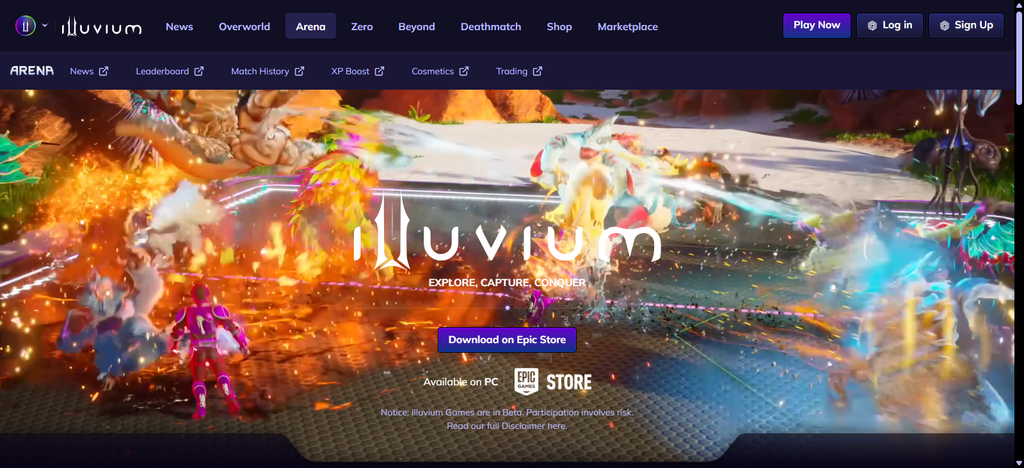
Players explore the world, gather resources, harvest materials, capture Illuvials and form teams to fight in the Arena. Blockchain Use: blockchain enables the ownership of digital resources and the interconnected Illuvium economy. In-Game Items: Illuvials, land, weapons, armor, and other collectibles.
Entry Requirement: Players are not required to purchase all blockchain assets to participate in gameplay. Model of Entry: free access elements, optional participation in digital resources. Illuvium’s interconnecting universe includes Overworld, Arena, Zero and Beyond experiences.
Illuvium Features
- Creature catching, collecting, and team-building mechanics
- Arena auto-battler for competitive strategic battles.
NFTs-based digital resources and digital collectibles owned by players. - Several related experiences including Overworld, Arena and Zero.
| Pros | Cons |
|---|---|
| High-quality 3D visuals and immersive world | Hardware requirements can be demanding |
| Multiple gameplay experiences in one ecosystem | Large ecosystem can feel complex for beginners |
| Creature collection adds strategic depth | Some features require additional learning |
| Strong focus on player-owned assets | Web3 interactions may add onboarding friction |
| Combines exploration with competitive battles | Economy and asset values can fluctuate |
2. Gods Unchained
** Founded: ** 2018 ** Ethereum Network: ** Ethereum ** Genre: ** tactical trading card game Gods Unchained is a competitive deck-building game, where players can build decks and play against other players using cards from different domains.
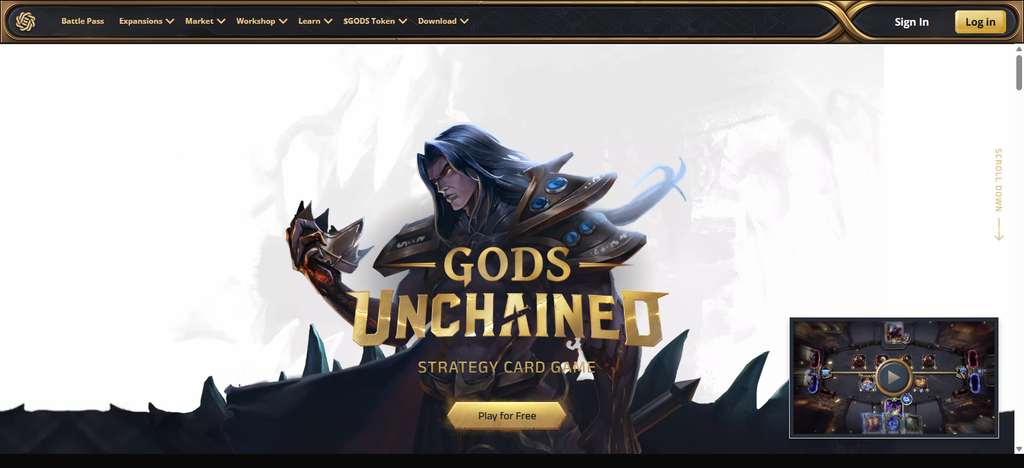
Blockchain Usage: Ethereum and Immutable X don’t put every gameplay action on-chain, but instead give collectible cards a way to be owned and traded. In-Game Assets: NFT cards, card packs and cosmetics, with $GODS supporting parts of the game’s economy.
Entry Requirement: The game is free to play but a wallet is important if you want to trade NFTs or use the blockchain features. Entry Model: free-to-play with optional digital asset ownership and trading.
Features of Gods Unchained
- Competitive tactical trading card gameplay.
- Deck building with different gods and card types.
- Player-owned collectible NFT cards.
- Free-to-play entry with optional Web3 features.
- Marketplace functionality for eligible digital cards.
| Pros | Cons |
|---|---|
| Free-to-play entry option | Competitive learning curve can be steep |
| Deep deck-building mechanics | Card balance can change over time |
| Player-owned collectible cards | NFT trading requires additional Web3 knowledge |
| Strong strategic PvP focus | New players may face experienced opponents |
| Card ownership adds marketplace utility | Some desirable cards can be expensive |
3. Axie Infinity
Founded: 2018 Ethereum Network: Initially Ethereum with the main gaming assets migrating to the Ronin network Genre: creature-collection, strategy and competitive RPG Axie Infinity is a digital economy where players can collect, breed and battle fantasy creatures known as Axies.
Blockchain Use: Axies, land and other in-game assets are made ownable and transferable using blockchain, with Ronin as the dedicated scaling network for the game. In-Game Assets Axies, Land, Land Items, Collectibles, Ecosystem tokens such as AXS.
Entry Requirement: varies by game mode. Players don’t necessarily have to buy traditional Ethereum NFTs before exploring the ecosystem. Entry Model: free and asset-based experiences depending on mode.
Axie Infinity Features
- Collecting monsters and strategic battles with Axie
- Many gameplay options within the Axie ecosystem.
- Axies and selected digital possessions of players.
- Breeding and leveling mechanics for eligible Axies.
- Powerful Ronin gaming ecosystem that supports blockchain transactions.
| Pros | Cons |
|---|---|
| Well-established blockchain gaming ecosystem | Economy can be difficult for newcomers |
| Recognizable creature-collection concept | Asset values can fluctuate |
| Multiple gameplay experiences | Understanding the ecosystem takes time |
| Player-owned Axies and digital assets | Some features may require ecosystem-specific knowledge |
| Dedicated Ronin gaming infrastructure | Not every experience is equally accessible to beginners |
4. Parallel TCGs
Founded: 2021 Ethereum Network: Ethereum and Base Genre: science fiction trading card and turn-based strategy game Parallel TCG allows players to assemble 40-card decks based on five unique factions and to duel in strategic battles.
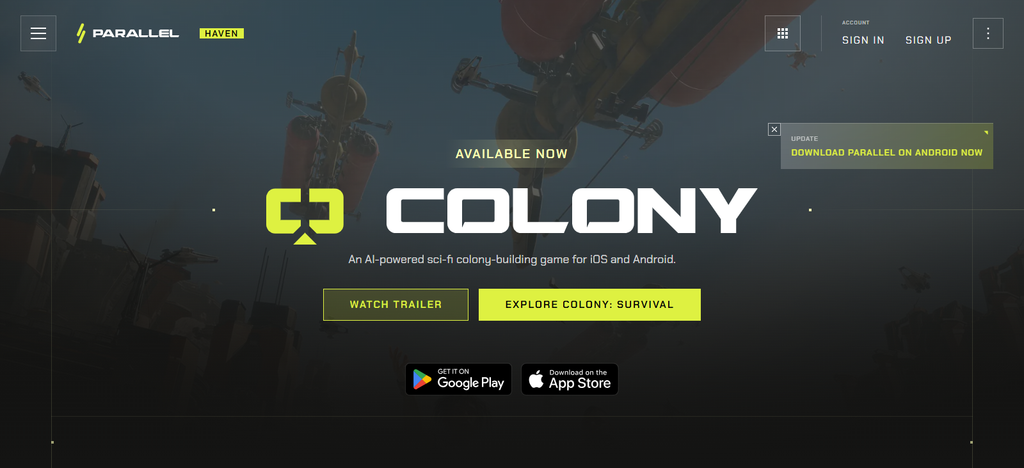
Use of Blockchain: Digital collectibles on Ethereum give players ownership of eligible cards and may unlock additional utility in the ecosystem, while using the blockchain is optional for normal gameplay. In-Game Assets: faction cards, Universal cards, Digital Collectibles, cosmetics, PRIME-related assets.
Entry Requirement: Core game is free to play and no Web3 wallet is required. Entry Model: Free to play with optional blockchain collectibles and purchases. Players can also use account-bound cards that they earn by playing.
Parallel TCG Features
- Card battles against rivals, with a science-fiction theme.
*Strategic 40 card deck building. - Five different Parallels or factions with diverse play styles.
- Collectible digital cards with player-ownership features.
- Web3 collectibles are optional for free-to-play gameplay.
| Pros | Cons |
|---|---|
| Strong science-fiction setting | Strategic gameplay requires learning |
| Free-to-play access | Collectible ecosystem can seem complicated |
| Deep deck-building mechanics | Competitive matches may be challenging for beginners |
| Optional digital collectibles | Web3 features require additional understanding |
| Distinct factions create varied strategies | Smaller audience than established traditional TCGs |
5. Decentraland (MANA)
Founded: 2015; Network: Ethereum; Genre: virtual world, metaverse, social and creator platform. Decentraland is an open source virtual world that started as a blockchain experiment in digital land ownership and has evolved into a community-led virtual world where users can explore, socialize, build experiences and join events.
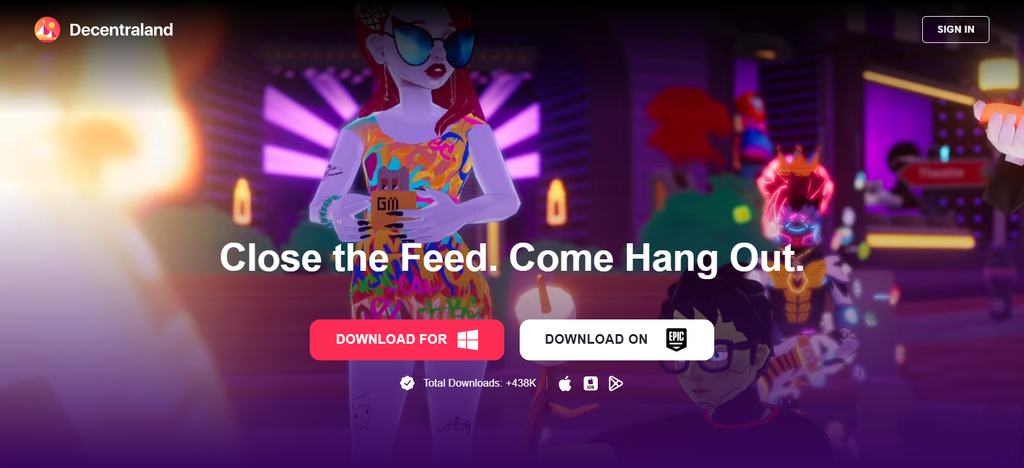
Use of Blockchain: Ethereum allows for the ownership and transfer of digital property, namely virtual land and other collectibles. In-Game Assets: LAND, Estates, wearables, names, and other digital collectables.
Entry Requirement: You don’t need to own LAND or expensive collectibles to explore the platform. Entry Model: open access to participate in virtual worlds with optional ownership of assets and asset creation. The main difference is that users are also creators and participants in the community, not just consumers.
Decentraland Features
- Large user generated virtual worlds.
Virtual LAND owned on the Ethereum blockchain. - Custom avatars, wearables, names and digital collectibles.
- Experiences, events, and social spaces created by users.
- Creator economy focused on virtual content and digital ownership.
| Pros | Cons |
|---|---|
| Large user-created virtual environment | Graphics may feel less advanced than AAA games |
| Strong digital ownership model | Virtual-world navigation can feel overwhelming |
| Users can create their own experiences | Quality varies between user-created experiences |
| Wide range of social activities | Requires a suitable device and browser setup |
| Ethereum-based LAND and collectibles | Some premium digital assets can be costly |
6. The Sandbox
Founded: 2012 as the original Sandbox game; blockchain-based 3D platform evolved after Pixowl acquisition by Animoca Brands; Ethereum Network: Ethereum ecosystem; Genre: sandbox, metaverse, creator and game-building platform. The Sandbox is a virtual world where players can build, own and monetize their virtual experiences.
Use of blockchain: blockchain is used to establish digital ownership and allow creators to monetize virtual content. **In-Game Assets: LAND, ASSETS, avatars, wearables, and user generated experiences.
Entry Requirement: Users can browse and play without holding every blockchain asset, while creators and LAND owners can access deeper Web3 features. ** Entry Model: open platform with optional digital asset purchases and ownership. Its main differentiator is content that is driven by creators rather than linear gameplay.
The Sandbox features
- Virtual worlds and gaming experiences created by users.
- Virtual ownership of real estate on land.
- Creation and use of electronic assets based on the blockchain.
- Customization of avatar, wearables and collectibles.
- tools for creators to build and monetize interactive experiences.
| Pros | Cons |
|---|---|
| Strong user-generated content model | Learning creation tools takes time |
| Players can build interactive experiences | LAND and some assets can be expensive |
| Extensive virtual-world customization | Experience quality varies by creator |
| Established digital asset ecosystem | Web3 onboarding can confuse beginners |
| Supports creator-focused monetization | Economy depends partly on marketplace activity |
7. Guardians of the Guild
Founded: Developed by Immutable, which launched its gaming business in 2018; Ethereum Network: Ethereum ecosystem through Immutable’s blockchain infrastructure; Genre: mobile squad RPG, dungeon crawler and cooperative adventure. Guild of Guardians is about building teams of Guardians and taking them through tough dungeon content to collect resources.
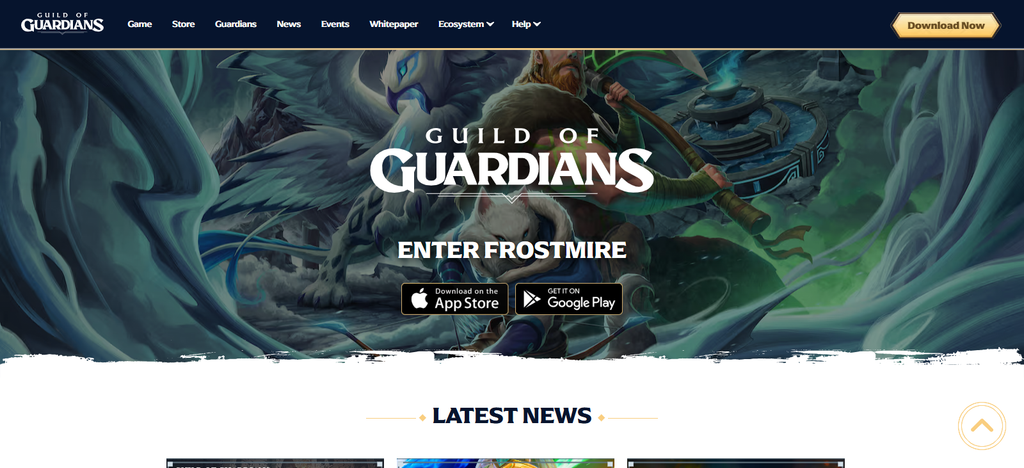
Blockchain Usage: The blockchain is focused on the ownership and transferability of select game assets, while the core gameplay remains accessible to mobile players. In-Game Assets: Collectibles, resources, and other digital items that are part of the game economy including guardians.
Entry requirement: players can play it as a mobile RPG without needing to be expert blockchain users. Entry Model: mobile gaming with optional engagement in Web3 assets, more accessible than games that require significant initial NFT ownership.
Guardians of the Guild Features
- Squad-based RPG gameplay on the go.
- Fighting and dungeon crawling.
Collectible Guardians with distinct abilities and roles. - Equipment collection, crafting and progression systems
Optionalized ownership of selected game assets via blockchain.
| Pros | Cons |
|---|---|
| Designed specifically for mobile players | Mobile-first design limits some traditional PC features |
| Squad-based gameplay encourages strategy | Progression can take time |
| Dungeon-focused combat provides replayability | Players need to learn multiple systems |
| Free-to-play approach lowers entry barriers | Optional Web3 elements may add complexity |
| Collectible Guardians add ownership features | Long-term content depth depends on continued development |
8. Píxeles
Launch: 2021; Built on: not directly on the Ethereum Mainnet for the core game; Pixels is currently running on the Ronin ecosystem, linked to Ethereum; Type: social farming, simulation, exploration and Web3 RPG. Players farm, gather resources, complete quests, develop skills and interact with other players in a persistent pixel-art world.
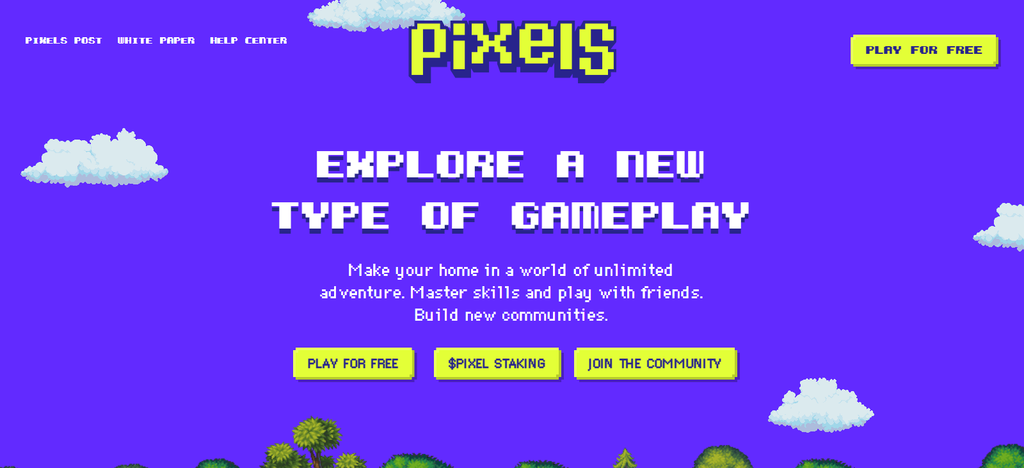
Use of Blockchain: blockchain is used to facilitate ownership, digital collectibles, and the tokenized economy of the game, not to make every gameplay action a fully on-chain process. In-Game Assets: land, collectibles, avatars, resources and other digital goods. Entry Requirement: Designed to be accessible to everyone, no expensive NFT purchases are required from players.
Entry Model: free-to-play with optional blockchain assets and participation in the economic system. This is important because Pixels is more accurately described as an Ethereum-connected ecosystem game, not a direct Ethereum Mainnet game.
Pixel Features
- Social farming and simulation gameplay in pixel art.
- Farming, gathering, crafting and resource management.
Quests, Exploration, Skills, and Progression.
A persistent multiplayer world with social interaction. - Optional ownership of certain digital resources on the block chain.
| Pros | Cons |
|---|---|
| Accessible pixel-art style | Visual style may not appeal to everyone |
| Farming and social gameplay create variety | Progression can become repetitive |
| Free-to-play accessibility | Web3 economy adds complexity |
| Large persistent multiplayer environment | Economy can change with game updates |
| Blockchain assets provide ownership options | Beginners may need time to understand its ecosystem |
9. Treeverse
** Founded:** 2021 ** Ethereum Network:** Ethereum-origin Web3 ecosystem with blockchain assets linked to its development. ** Genre:** open-world, classless MMORPG with social and cooperative gameplay.
Treeverse is based on exploration, quests, combat, skills, social interaction and a persistent fantasy world. Blockchain Use: blockchain has been utilized mainly for claiming ownership of physical assets and virtual land related to the project. In-Game Assets: Founders’ Plots, characters, equipment, collectibles and other digital resources to be developed.
Entry Requirement: The project’s NFT history involved Founders’ Plots, but the overarching vision of the game has been to emphasize accessible gameplay and not to expect every player to own NFTs. Entry Model: free-to-play MMORPG featuring optional Web3 ownership.
Treeverse Features
- Exploration, quests, combat and character development.
- Open-world fantasy MMORPG experience.
- No character progression based on classes.
- Social and co-op multiplayer gameplay.
- Virtual land parcels and digital collectibles related to its Web3 ecosystem.
| Pros | Cons |
|---|---|
| Open-world MMORPG concept | Development-stage limitations may affect availability |
| Classless progression offers flexibility | MMORPG systems can have a learning curve |
| Focus on exploration and social interaction | Long-term content depth remains important |
| Fantasy setting supports varied gameplay | Web3 features may complicate onboarding |
| Digital assets add ownership possibilities | Availability of features can change during development |
10. Heroes of Mavia
Founded: 2021 under Skrice Studios Ethereum Network: Ethereum, Base Genre: mobile base-building, strategy and MMO gaming. Heroes of Mavia asks players to build and grow bases, build up their armies and battle other enemy bases throughout the world of Mavia.
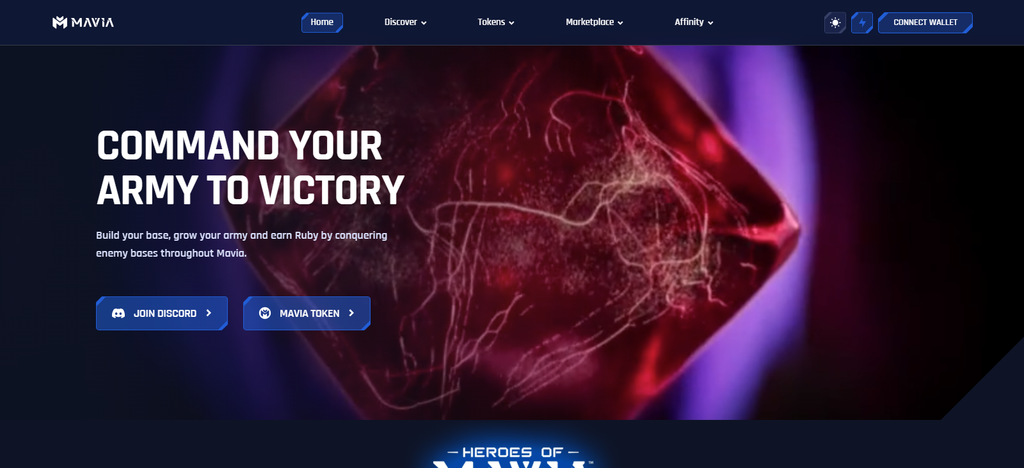
Blockchain Adoption: The game’s digital economy is built on blockchain with NFTs and token-based components. The current Ethereum ecosystem listing is for both Ethereum Mainnet and Base.
In-Game Assets: land, skins, NFTs, resources and Ruby game-related assets. Entry Requirement: Players can join the game without owning NFTs, and the core mobile strategy experience is accessible to them. Entry Model: Free-to-play mobile strategy game with optional blockchain-based assets and economy features.
Heroes of Mavia Features
- Core building and development & customization.
- Strategy game with mobile base building.
- Building an army and fighting strategically.
- multiplayer attack and defense gameplay
- Blockchain-backed digital resources and in-game economy features.
| Pros | Cons |
|---|---|
| Familiar mobile strategy gameplay | Base-building requires regular progression |
| Easy-to-understand strategic concept | Competitive players may face stronger opponents |
| Free-to-play entry model | In-game economy can add complexity |
| Multiplayer battles increase replayability | Upgrading a developed base can take significant time |
| Blockchain assets add ownership functionality | Web3 features may not appeal to traditional mobile gamers |
Conclusion
The best blockchain games on Ethereum in 2026 demonstrate how Web3 technology is evolving beyond simple NFT ownership into gaming economies, digital collectibles, player-owned assets, and community-driven virtual worlds.
Games like Illuvium, Gods Unchained, Axie Infinity, Parallel TCG, Decentraland, The Sandbox, Guild of Guardians, Pixels, Treeverse and Heroes of Mavia provide a diverse range of RPG, strategy, card, simulation and metaverse experiences.
But players should weigh each game’s Ethereum network, blockchain usage, entry requirements, asset ownership, quality of gameplay and overall accessibility to select the right experience.
FAQ
What are blockchain games built on Ethereum?
Blockchain games built on Ethereum use Ethereum or Ethereum-connected networks to support features such as digital ownership, NFTs, tokens, marketplaces, and player-controlled assets. The gameplay itself may remain off-chain while selected assets and transactions use blockchain technology.
Are Ethereum blockchain games free to play?
Some Ethereum-based games are free to play, while others may require NFTs, purchases, or blockchain transactions for certain features. Games such as Gods Unchained and Parallel TCG provide ways to begin without purchasing expensive blockchain assets.
Do I need ETH to play Ethereum blockchain games?
Not always. Some games can be played without directly holding ETH, especially when they use Layer-2 networks, dedicated gaming chains, or simplified wallet systems. However, ETH or another supported token may be needed for certain blockchain transactions.
Are all Ethereum games fully on-chain?
No. Most blockchain games are not fully on-chain. Many use blockchain primarily for asset ownership, trading, tokens, or marketplaces while gameplay, graphics, matchmaking, and other systems operate through conventional game infrastructure.
What types of assets can players own in Ethereum games?
Depending on the game, players may own characters, cards, virtual land, weapons, equipment, collectibles, avatars, wearables, resources, and other digital items. The specific ownership model differs between games.