


In this article, I will cover How to Reduce Bridging Fees Using Aggregator Discounts . When moving crypto across different blockchains, bridging fees can be very costly.
- What Are Bridging Fees?
- How to Reduce Bridging Fees Using Aggregator Discounts
- Example: Fee Saving While Bridging ETH from Ethereum to zkSync using Rango Exchange.
- Use Fee-Optimizing Aggregators
- Wallet Connection and Information Input
- Discounted Route Comparison
- Priced Route Selection
- Carry Out the Bridge Transaction
- Monitor & Validate
- How do aggregator discounts work?
- Additional Tips to Save on Bridging Fees
- Common Mistakes to Avoid When Using Aggregators
- Risk & Considerations
- Pros & Cons
- Conclusion
- FAQ
However, upgrading crypto bridges through an aggregator can help since they evaluate numerous bridges to find the best ones and even apply discounts. If you utilize these tools, your money can be saved and cross-chain transfers can be done at much lower costs.
What Are Bridging Fees?
Bridging fees arise while moving from one blockchain network to another using a bridge. These fees incur covering transaction costs on both chains, along with the expenses of the bridge service.

As each blockchain has a unique congestion level and fee structure, bridging fees can, at times, be exorbitantly high. For users who frequently cross chains with their assets, understanding bridging fees is important, as minimizing expenses can improve transfer efficiency and saving.
How to Reduce Bridging Fees Using Aggregator Discounts

Example: Fee Saving While Bridging ETH from Ethereum to zkSync using Rango Exchange.
Use Fee-Optimizing Aggregators
- You visit Rango Exchange which features bridging aggregators like Orbiter, Across and Hop.
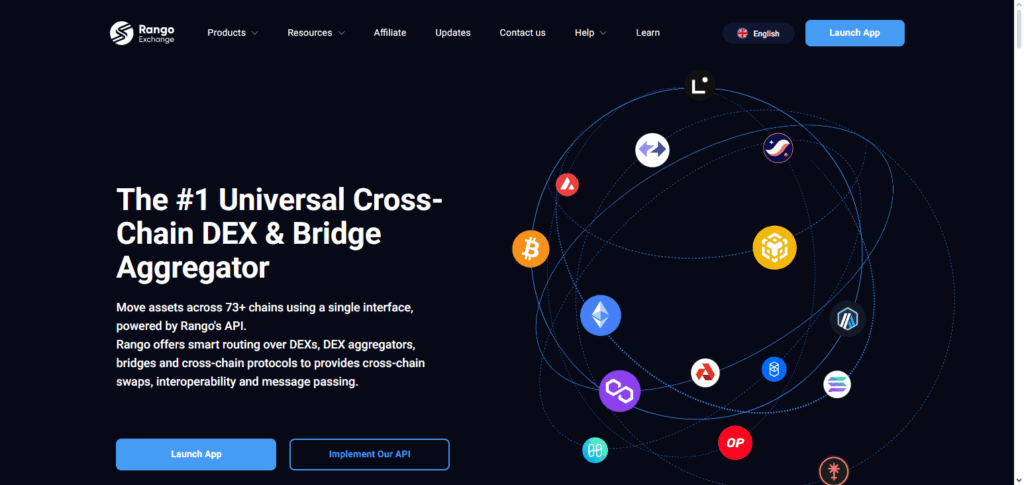
- It displays estimated fees, speed, and slippage for every route.
Wallet Connection and Information Input
- You connect to your MetaMask and enter the following:

- From: Ethereum
- To: zkSync
- Amount: 0.2 ETH
Discounted Route Comparison
- Rango highlights that Orbiter Finance offers discounted fees with its integration, bringing the total cost to only 0.0015 ETH.
- 0.003-0.005 ETH is the fee other bridges propose.
Priced Route Selection
- You take the route offered by Orbiter but use Rango to bridge.
- No discount code is needed, Rango applies its aggregator discount automatically.
Carry Out the Bridge Transaction
- You authorize and finalize the transaction.
- ETH appears on zkSync in approximately two minutes, and you avoided almost 50% in fees from going direct.
Monitor & Validate
- You check the transaction on Etherscan and on zkSync Explorer.
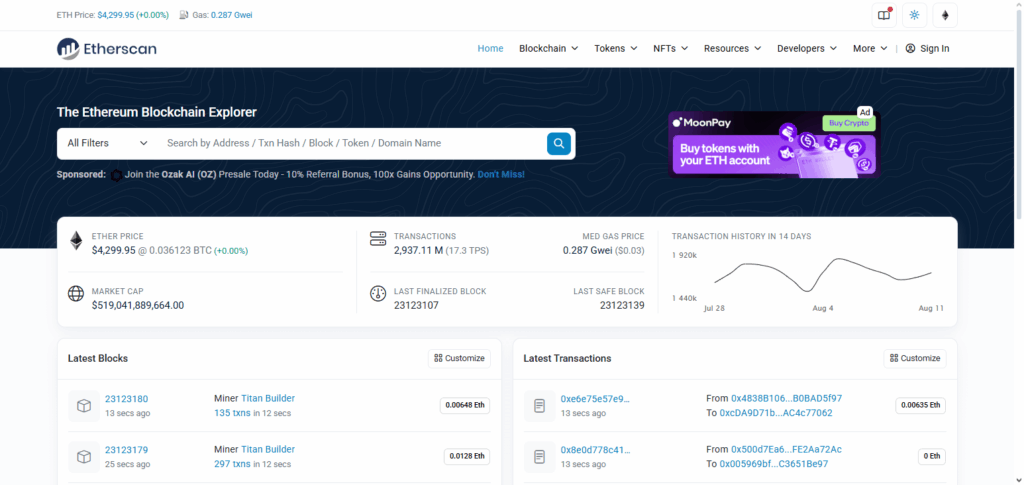
- You update the transaction details and the fee savings in your bridge tracker.
How do aggregator discounts work?
Transaction Pooling. Aggregators combine and optimize volumes of transactions from multiple users.
Negotiated Fees. Aggregators negotiating discounts with bridges receive lower fees or special discounts.
Real-Time Comparison. Aggregators scan bridges and routes across the entire market to find the cheapest option within the moment.
Optimized Routing. Cost-effective transfer routes are prioritized, and in some cases, multi-chain splitting is used.
Batch Processing. Individual fees to users can also be lessened if transactions are bundled together.
Passing Savings. Users still enjoy the discounts and lower fees from bridges, which reduces the overall bridging costs.
Additional Tips to Save on Bridging Fees
Transfer When Gas Prices are Low: Gas fees are lower when traffic on blockchain networks is lighter.
Use Cheaper Priced Bridges: Selected bridges with lower fees or better pricing models.
Use Aggregator Platforms: Use aggregators that access multiple bridges to provide the cheapest routes.
Combine Transfers: When possible, repeat transfers so multiple transfers can be combined into one.
Use More Expensive Blockchains: Use intermediate chains that are more expensive in transaction fees to keep bridging.
More Fee Reductions: More off seasons or special fee adjustments that bridges or aggregators provide.
Common Mistakes to Avoid When Using Aggregators
Ignoring Additional Service Charges: Some aggregators charge extra fees, include service fees, or even slippage, all of which cut into potential savings.
Lax Security Measures: Low or no reputation aggregators are likely to be hack-able or a scam which puts funds at extreme risk.
Focusing on One Aggregator: All services are unique, and aggregators are unique too which means a single aggregator will not have the best offers compared to other.
Ignoring the Address and Amount Confirmation: Checking the network addresses, the amounts, or the route is critical and any failure to check them risks funds.
Disregarding Network Traffic: Trying to bridge in rush hours for a network will not only be counterproductive, but will also increase fees even if some discounts are available.
Taking Time to Read T and C pages: Understanding the aggregator’s terms of service or conditions is critical because if rushed, a lot of valuable information can be missed.
Risk & Considerations
Security Risks – Using aggregator bridging services that connect to a myriad of other bridges and smart contracts could give hackers an opportunity to exploit the system.
Slippage and Hidden Costs – There could be unaccounted costs other than slippage that are not disclosed beforehand. Take account of all expenses that will be incurred before approval.
Network Congestion Impact – Discounts do not eliminate the possibility of encountering delays or increased expenses. Your transfer timings are still crucial.
Compatibility Issues – Ensure that the tokens and chains that you intend to use are compatible with the aggregator that you intend to use before proceeding to transfer.
Centralization Concerns – The use of centralized components by some aggregators could be a risk to user control and system decentralization.
User Errors – Entering incorrect destination addresses, or selecting wrong networks could result in permanent loss of funds. Reconfirming all details is crucial.
Pros & Cons
| Pros | Cons |
|---|---|
| Finds the lowest fees across multiple bridges | Potential hidden fees or slippage |
| Saves money by applying volume-based discounts | Security risks if using unverified platforms |
| Simplifies the bridging process | May not support all tokens or chains |
| Speeds up transfers with optimized routes | Possible delays during network congestion |
| Access to exclusive promotions and discounts | Centralization risks in some aggregators |
Conclusion
To sum up, utilizing aggregator discounts greatly helps in minimizing bridging fees when moving crypto assets from one blockchain to another. The work of aggregators who deal with transferring cryptocurrencies regardless of the blockchain provides value since they evaluate the market of several bridges to determine the best one.
If users rely on trustworthy aggregators, pick the right time for the transfers, and steer clear from the usual mistakes, they can make substantial savings in spending and enhance the efficiency of cross-chain transfers. Using these solutions helps crypto users, who want to limit bridging expenses.
FAQ
How do aggregator discounts work?
Aggregators compare multiple bridges and routes to find the lowest fees and offer discounts based on transaction volume or partnerships.
Are aggregator discounts always guaranteed?
No, discounts depend on the aggregator’s deals and current network conditions; fees may vary.
How can I choose a reliable aggregator?
Look for platforms with good security audits, user reviews, and transparent fee structures.