
In this article, I will talk about the Best New Blockchain Gaming Startups to Watch in 2026. These are the companies that are innovating and changing the gaming industry with blockchain technology. We’ll look at their flagship games, blockchain infrastructure, gaming economies, funding, investors, community adoption, unique innovations, and development progress to see how these startups are shaping the future of Web3 gaming.
- What Are Emerging Blockchain Gaming Startups?
- Blockchain Gaming Technologies These Startups Are Developing
- Key Points
- 1. Immutable
- Key Limitations
- Immutable Key Snapshot
- 2. Mythical Games
- Key Limitations
- Mythical Games Key Snapshot
- 3. Sky Mavis
- Key Limitations
- Sky Mavis Key Snapshot
- 4. Proof of Play
- Key Limitations
- Proof of Play Key Snapshot
- 5. Parallel Studios
- Key Limitations
- Parallel Studios Key Snapshot
- 6. Big Time
- Key Limitations
- Big Time Studios Key Snapshot
- 7. Illuvium Labs
- Key Limitations
- Illuvium Labs Key Snapshot
- 8. Gunzilla Games
- Key Limitations
- Gunzilla Games Key Snapshot
- 9. Xterio
- Key Limitations
- Xterio Key Snapshot
- 10. Ethlas
- Key Limitations
- Ethlas Key Snapshot
- Future Trends in Blockchain Gaming Startups
- Conclusion
- FAQ
What Are Emerging Blockchain Gaming Startups?
Newly formed or fast-growing companies in the blockchain gaming space are combining blockchain technology with traditional gaming experiences to introduce digital asset ownership, decentralized economies, NFT collectibles, and player-driven ecosystems.
These startups are creating more interactive gaming environments by leveraging technologies such as smart contract technology, Layer 1 and Layer 2 networks, and tokenization. They’re looking at innovations like play-to-earn, in-game asset trading, AI-powered gameplay and interoperable digital items.
They want to build new business models for the emerging Web3 gaming industry, improving player ownership, gaming accessibility and economic participation.
Blockchain Gaming Technologies These Startups Are Developing
Startups in the blockchain gaming space are creating sophisticated technology to make gaming more interactive, scalable, secure, and player-centric. These technologies include, but are not limited to, Layer 1 & Layer 2 blockchains, intelligent contracts, zero-knowledge proofs, NFT infrastructure, decentralized marketplaces and cross-chain interoperability.
Startups such as Immutable, Sky Mavis and Proof of Play are exploring blockchain infrastructure that enables digital asset ownership, transparent transactions and on-chain gameplay. Other companies are adding AI-powered game development, tokenization, digital collectibles and player-driven economies.
These innovations aim to reduce transaction costs, enhance gaming performance, ease player onboarding, and bridge conventional gaming experiences with decentralized Web3 ecosystems.
Key Points
| Startup | Founded | Primary Focus | Notable Products / Ecosystem |
|---|---|---|---|
| Immutable | 2018 | Blockchain gaming infrastructure | Gods Unchained, Guild of Guardians, Immutable zkEVM |
| Mythical Games | 2018 | NFT-powered gaming platforms | NFL Rivals, Mythical Platform |
| Sky Mavis | 2018 | Player-owned gaming economies | Axie Infinity, Ronin Network |
| Proof of Play | 2022 | Fully on-chain gaming | Pirate Nation |
| Parallel Studios | 2021 | Trading card and sci-fi gaming | Parallel TCG |
| Big Time Studios | 2020 | Blockchain action RPGs | Big Time |
| Illuvium Labs | 2020 | Open-world blockchain gaming | Illuvium Universe |
| Gunzilla Games | 2020 | AAA blockchain gaming | Off The Grid |
| Xterio | 2022 | Web3 game publishing | Xterio Ecosystem |
| Ethlas | 2022 | Casual Web3 gaming platform | Ethlas Platform |
1. Immutable
Immutable is an Australian blockchain gaming technology company. It was founded in 2018 by James Ferguson and Robbie Ferguson. It creates the infrastructure to enable gaming studios to add blockchain features without requiring players to engage in complicated crypto transactions. Its ecosystem comprises Immutable Chain, gaming development tools, Immutable Passport and marketplace infrastructure.
The firm uses Ethereum-compatible Layer 2 technology and zero-knowledge scaling to enable digital asset ownership, NFT trading and lower-cost transactions. The gaming economy is centered around player-owned assets, in-game marketplaces and utilities of game-specific tokens.
Immutable has raised significant venture funding, including from Temasek and other investors. Gaming partnerships, expanding game catalog and developer ecosystem make it a key company to watch in 2026.
Key Limitations
- Ecosystem Dependence: Games built on Immutable infrastructure may depend on its blockchain, wallet and marketplace ecosystem.
- Adoption Issues: Blockchain wallets, digital ownership and NFT marketplaces may still be unfamiliar to mainstream gamers.
- Developer Contest: The number of platforms competing for developers, players and publishing partnerships is increasing.
Asset Liquidity: The trading volume and demand for NFTs can be quite different for different games and types of electronic assets. - Complexity of Technology: Adding blockchain features to current gaming platforms may add to the level of complexity in development and maintenance.
Immutable Key Snapshot
| Key Snapshot | Details |
|---|---|
| Founded | 2018 |
| Headquarters | Sydney, Australia |
| Founders | James Ferguson and Robbie Ferguson |
| Core Business | Blockchain gaming infrastructure |
| Main Products | Immutable zkEVM, Immutable Passport, gaming marketplace |
| Blockchain | Ethereum-compatible Layer 2 |
| Technology | Zero-knowledge scaling |
| Gaming Economy | NFTs, digital assets and in-game transactions |
| Funding | Venture-backed; significant institutional investment |
| Key Strength | Gaming-focused blockchain infrastructure |
| Main Limitation | Ecosystem adoption and developer competition |
2. Mythical Games
Mythical Games is a gaming technology company founded in 2018 by industry veterans including CEO John Linden. The company is committed to fusing conventional gaming experiences with blockchain-based digital ownership via titles such as FIFA Rivals, Pudgy Party and Blankos.
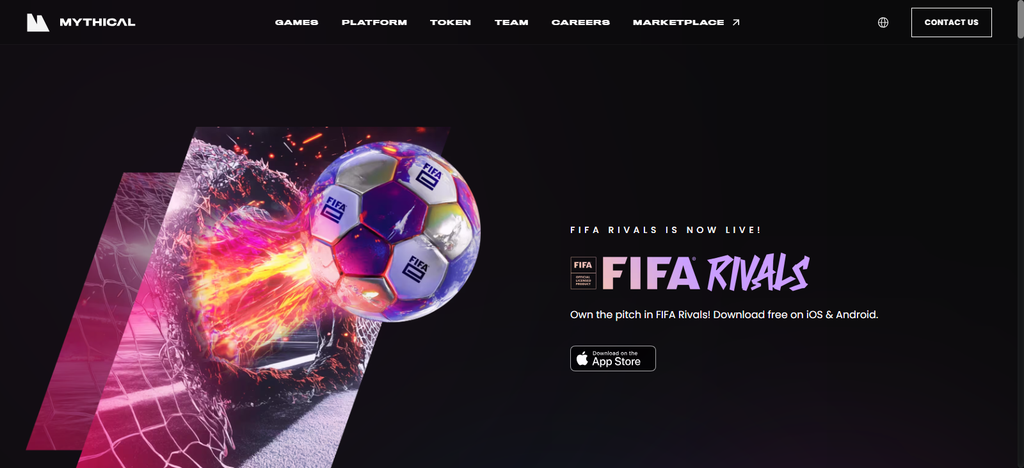
Its Mythos ecosystem and Mythos Chain supports player-owned digital resources, NFT marketplaces and in-game trading. The gaming economy allows players to buy, manage and swap eligible game items instead of treating each purchase as a traditional closed-platform asset.
Mythical Games further built on its previous investment history with a $50 million Series D round in April 2025. Its mobile gaming distribution, established entertainment partnerships and growing player community makes it relevant to blockchain gaming adoption.
Key Limitations
- Platform Dependency: Game assets and marketplace functionality may be heavily dependent on the ecosystem Mythical supports.- Asset Compatibility: Virtual assets created in one game are not inherently compatible with other games.
- Blockchain Learning Curve: New players unfamiliar with digital ownership and tokenized assets may need additional onboarding.
- Title-Driven Adoption: The success of its blockchain ecosystem is partly tied to the popularity of individual game titles.
- Regulatory Uncertainty: Tokenized gaming assets and digital marketplaces may be impacted by evolving regulatory requirements in various markets.
Mythical Games Key Snapshot
| Key Snapshot | Details |
|---|---|
| Founded | 2018 |
| Headquarters | Los Angeles, USA |
| Founder | John Linden and founding team |
| Core Business | Blockchain-enabled video game development |
| Popular Games | FIFA Rivals, Pudgy Party, Blankos |
| Blockchain | Mythos Chain |
| Technology | Digital ownership and NFT marketplaces |
| Gaming Economy | Tradable digital assets and game-related collectibles |
| Funding | $50 million Series D announced in 2025 |
| Key Strength | Traditional gaming combined with blockchain ownership |
| Main Limitation | Game-specific adoption and asset interoperability |
3. Sky Mavis
Sky Mavis is a blockchain gaming firm founded in 2018, best known for developing Axie Infinity and the Ronin network. It combines game development with blockchain infrastructure to enable developers to create gaming economies for digital collectibles and player-owned assets.
Ronin is a chain that is EVM-compatible and is specifically designed for gaming use cases, NFT transactions and scalable in-game activity. Axie Infinity utilizes collectible Axies, digital resources related to the game and ecosystem tokens to support its virtual economy. Sky Mavis has attracted investment from major venture capital firms including Andreessen Horowitz and investors linked to Binance.
Its community includes players, collectors and developers who are part of the Ronin ecosystem. Its experience with large-scale blockchain gaming adoption makes it a key company to watch in 2026.
Key Limitations
- Security Risks: Blockchain bridges, wallets and intelligent contracts can leave users exposed.
- Token Volatility: AXS and other gaming tokens can be very volatile.
- Player retention: Getting players to stick around for the long haul, past the token rewards, is a big challenge.
- Ecosystem Concentration: Over-reliance on Ronin can result in infrastructure and ecosystem dependency.
- Mainstream Adoption: Wallet management and blockchain transactions might be less convenient for traditional gamers than traditional gaming.
Sky Mavis Key Snapshot
| Key Snapshot | Details |
|---|---|
| Founded | 2018 |
| Headquarters | Ho Chi Minh City, Vietnam |
| Founders | Trung Nguyen and founding team |
| Core Business | Blockchain gaming and infrastructure |
| Popular Game | Axie Infinity |
| Blockchain | Ronin |
| Technology | EVM-compatible gaming blockchain |
| Gaming Economy | AXS, SLP and NFT-based assets |
| Funding | Backed by Andreessen Horowitz and other investors |
| Key Strength | Established blockchain gaming ecosystem |
| Main Limitation | Token volatility and player retention |
4. Proof of Play
Proof of Play is a blockchain gaming start-up founded by Amitt Mahajan, the creator of Pirate Nation, an on-chain multiplayer pirate adventure game. The company is focused on creating games that leverage blockchain technology to enable persistent game actions, digital ownership and player-driven interactions.
Its technology approach consists of dedicated blockchain infrastructure and on-chain game mechanics that are designed to make game activity more transparent and composable. Collectible assets, progression systems and an in-game economy are all part of Pirate Nation’s gameplay experience.
Proof of Play secured $33 million in funding in 2023, backed by investors such as a16z Crypto and Greenoaks. What sets it apart in the blockchain gaming space is its focus on entirely on-chain gameplay, rather than just integrating NFTs into existing games.
Key Limitations
- On-Chain Limitations: Having a lot of gameplay data on the blockchain results in scalability and high transaction fees.
- Technical Difficulty: Creating games on-chain from top to bottom requires a strong grasp of engineering and infrastructure.
- Player Onboarding: Non-crypto-native players could face roadblocks in wallet creation and blockchain interactions.
- Economic sustainability: As the player base changes, it can be challenging to keep a balance between in-game rewards and demand for assets.
- Take Up the Game: It’s important to keep the game updated and have players stay involved to build a lasting community.
Proof of Play Key Snapshot
| Key Snapshot | Details |
|---|---|
| Founded | 2022 |
| Founder | Amitt Mahajan |
| Core Business | On-chain gaming development |
| Popular Game | Pirate Nation |
| Blockchain | Dedicated on-chain gaming infrastructure |
| Technology | Fully on-chain gameplay mechanics |
| Gaming Economy | Collectibles, progression and game-related assets |
| Funding | $33 million raised in 2023 |
| Key Investors | a16z Crypto and Greenoaks |
| Key Strength | On-chain multiplayer gaming |
| Main Limitation | Scalability and technical complexity |
5. Parallel Studios
Parallel Studios is a blockchain gaming developer founded in 2021, best known for its science-fiction trading card game, Parallel. The company combines competitive strategy gameplay, collectible digital cards, and blockchain-based asset ownership.
Parallel uses NFT technology to represent eligible collectible cards and players can own and trade supported assets through the Parallel ecosystem. Its gaming economy also includes a token called PRIME, which is tied to ecosystem rewards and utility.

The project has also had major venture support, with a $50 million Series A round led by Paradigm in 2021 and another $35 million funding round in 2024 with Solana Ventures and others.
With its strategic card gameplay, competitive community and forays into other gaming experiences, Parallel Studios is one to watch in 2026.
Key Limitations
- Genre Restrictions: The focus on strategy and trading cards may restrict the audience appeal when compared to popular action or adventure games.
- Token Volatility: The volatility of the PRIME token can impact the perceived value of rewards or assets linked to the ecosystem.
- Competitive Pressure: Digital card games have traditional audiences, established competitive communities, and mature distribution channels.
- NFT Accessibility: New players coming into the collectible NFTs may find digital ownership and trading confusing.
- Ecosystem dependency: Long-term growth relies on keeping interest in the Parallel gaming world and the infrastructure that powers it.
Parallel Studios Key Snapshot
| Key Snapshot | Details |
|---|---|
| Founded | 2021 |
| Headquarters | United States |
| Core Business | Web3 science-fiction gaming |
| Popular Game | Parallel |
| Game Genre | Competitive trading-card game |
| Blockchain | Ethereum-based ecosystem |
| Technology | NFT-based digital card ownership |
| Gaming Economy | PRIME token and collectible cards |
| Funding | $50 million Series A in 2021; $35 million round in 2024 |
| Key Strength | Strategic gameplay and digital collectibles |
| Main Limitation | Genre competition and token volatility |
6. Big Time
Big Time is a multiplayer action role-playing game from Big Time Studios, with elements of time-travel adventures, co-op combat and blockchain-powered digital collectibles. Led by Decentraland co-founder Ari Meilich, the project was developed by a team with experience in major gaming franchises.
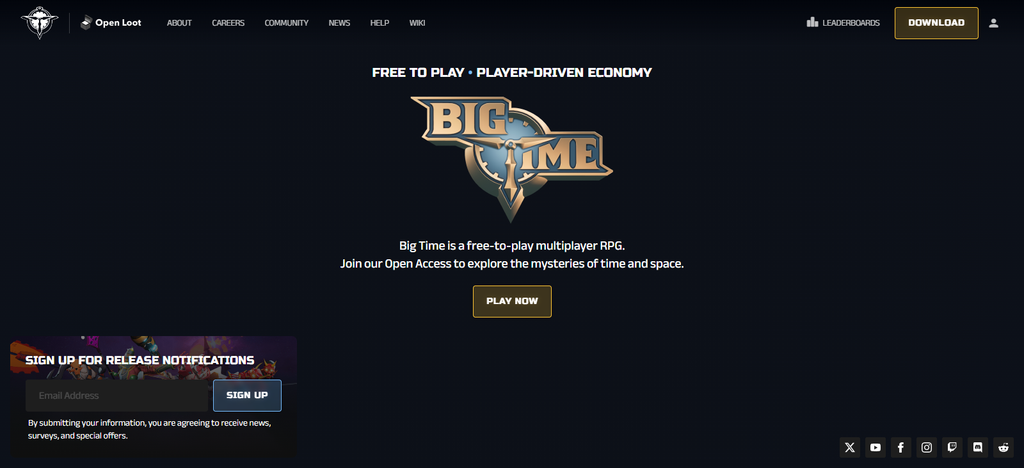
Its game economy is powered by the BIGTIME utility token, which players can earn through gameplay and spend on certain crafting, upgrades, and ecosystem functions. SPACE, Forges and Armories are NFTs that support its player-driven crafting system. The project is based on the Ethereum blockchain infrastructure and digital asset markets.
The core development model is built around integrating blockchain ownership into the gaming experience, while keeping the core product focused on action gameplay and progression.
Key Limitations
- Platform Dependency: The digital collectibles and marketplace experience relies on the infrastructure of the supported ecosystem.
- Utility of Asset: Some collectibles might have little use beyond their intended game environments.
- Economic Complexity: Crafting, token rewards and collectible trading can create a barrier to entry for those new to gaming.
- Player Retention: Keeping players engaged through regular content updates, new activities and balanced progression.
- Market Competition: To compete with existing multiplayer RPGs, we need continued investment in gameplay quality and development.
Big Time Studios Key Snapshot
| Key Snapshot | Details |
|---|---|
| Founded | 2020 |
| Founder | Ari Meilich |
| Core Business | Multiplayer blockchain gaming |
| Popular Game | Big Time |
| Game Genre | Multiplayer action RPG |
| Blockchain | Ethereum-based asset ecosystem |
| Technology | NFT-based crafting and collectibles |
| Gaming Economy | BIGTIME token, SPACE, Forges and Armories |
| Funding | Venture-backed gaming project |
| Key Strength | Action gameplay with digital ownership |
| Main Limitation | Player retention and economic complexity |
7. Illuvium Labs
Illuvium Labs is the creator of the Illuvium gaming ecosystem, a blend of open-world exploration, creature collection, role-playing and auto-battler gameplay. Its interconnected gameplay allows players to explore environments, capture Illuvials, and use collectible creatures in strategic battles.
The project brings together Ethereum and Immutable infrastructure for NFT ownership, digital asset trading and gaming transaction. ILV native token provides utility within the ecosystem and governance-related functionality.
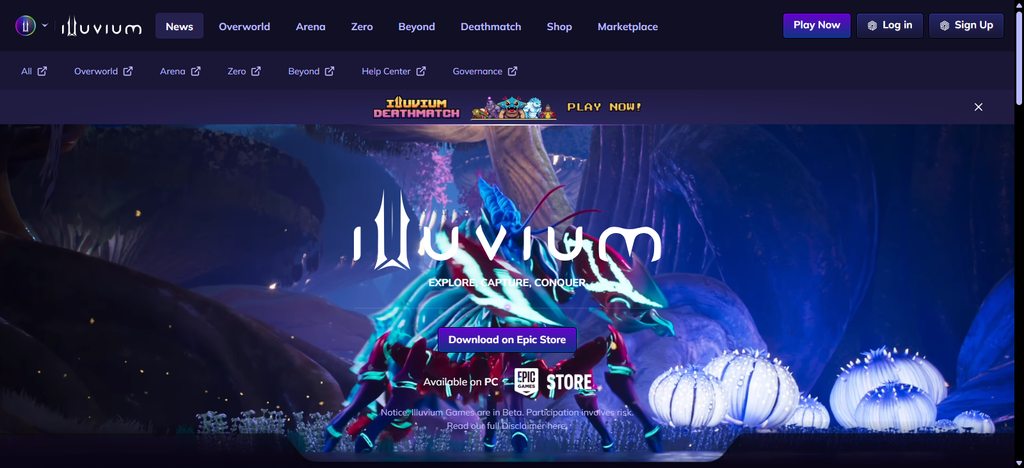
The marketplace hosts eligible collectible assets. Illuvium has pulled in blockchain gaming investors and community members attracted by its ambitious multi-game environment.
Its development strategy is centered on high-quality graphics, interconnected gameplay modes and a broader virtual economy. With RPG mechanics, collectible creatures, and blockchain ownership, this is a gaming project to watch out for in 2026.
Key Limitations
- Complexity of Development: Developing interconnected open-world, creature collection and competitive gaming experiences demands a lot of development resources.
- Hardware Requirements: High quality visuals and demanding gameplay may struggle on lower performance devices.
- Token Volatility: The price movement of ILV can affect the overall perception of ILV as a blockchain gaming economy.
- Player Adoption: NFT ownership and token rewards alone won’t be sufficient to bring traditional gamers into the gameplay.
- Ecosystem Coordination: Maintaining consistent asset utility and compatibility across multiple interconnected games is technically challenging.
Illuvium Labs Key Snapshot
| Key Snapshot | Details |
|---|---|
| Founded | 2020 |
| Core Business | Blockchain gaming ecosystem |
| Popular Games | Illuvium Overworld, Arena and Zero |
| Game Genre | RPG, creature collection and auto-battler |
| Blockchain | Ethereum and Immutable infrastructure |
| Technology | NFT-based creature ownership |
| Gaming Economy | ILV token and collectible assets |
| Funding | Blockchain venture-backed project |
| Key Strength | Interconnected gaming experiences |
| Main Limitation | Development complexity and hardware requirements |
8. Gunzilla Games
Gunzilla Games is a video game development company founded in 2019 by Vlad Korolov and other industry professionals. Its flagship title, Off The Grid, fuses competitive shooter gameplay, cinematic storytelling and ownership of blockchain-based digital resources.
The company also developed GUNZ, a blockchain infrastructure ecosystem that allows for tradable in-game items and player-controlled digital currency.
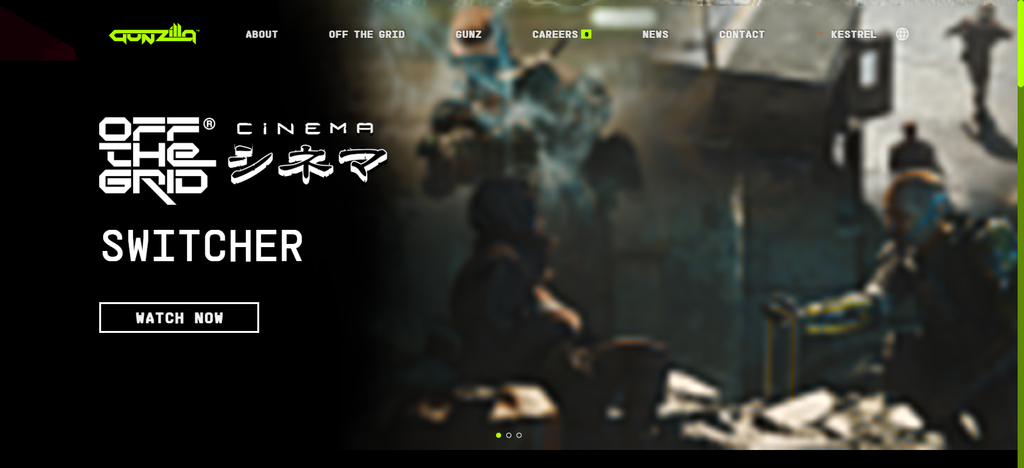
The technology focuses on bringing blockchain transactions into the traditional AAA gaming experience, via an in-game economy and NFT marketplace. Gunzilla closed a combined $30 million funding package in March 2024, including a strategic token round co-led by CoinFund and Avalanche’s Blizzard Fund.
Its focus on console quality gameplay, digital ownership and mainstream gaming accessibility makes it an interesting company to watch.
Key Limitations
- blockchain adoption: Traditional shooter gamers may not see blockchain features as necessary to gameplay.
- Platform Competition: The pressure to keep creating content to compete with long-established battle royale and multiplayer shooter franchises.
- Marketplace Dependency: Trading digital resources relies on marketplace activity and the demand for supported in-game items.
- Technical Complexity: Combining infrastructure for multiplayer shooters with blockchain transactions requires more engineering.
- Player accessibility: Wallet and digital asset management may be a learning curve for traditional gamers.
Gunzilla Games Key Snapshot
| Key Snapshot | Details |
|---|---|
| Founded | 2019 |
| Headquarters | Frankfurt, Germany |
| Founder | Vlad Korolov and founding team |
| Core Business | AAA video game development |
| Popular Game | Off The Grid |
| Game Genre | Battle royale and third-person shooter |
| Blockchain | GUNZ ecosystem |
| Technology | Blockchain-based digital asset ownership |
| Gaming Economy | GUN token and tradable in-game assets |
| Funding | $30 million funding package announced in 2024 |
| Key Strength | AAA-style gameplay and blockchain integration |
| Main Limitation | Competition and blockchain adoption |
9. Xterio
Xterio is a Web3 gaming and technology company, founded in 2022, focused on integrating artificial intelligence, game publishing and blockchain infrastructure. The ecosystem hosts multiple gaming projects and offers developers tools for integrating digital resources, tokens and on-chain functionality.
Xterio’s tech stack includes account abstraction, NFT marketplace infrastructure, smart contract technology, and proprietary blockchain networks. Its AI development strategy is also focused on tools and asset creation that can help enable more personalized gaming experiences.
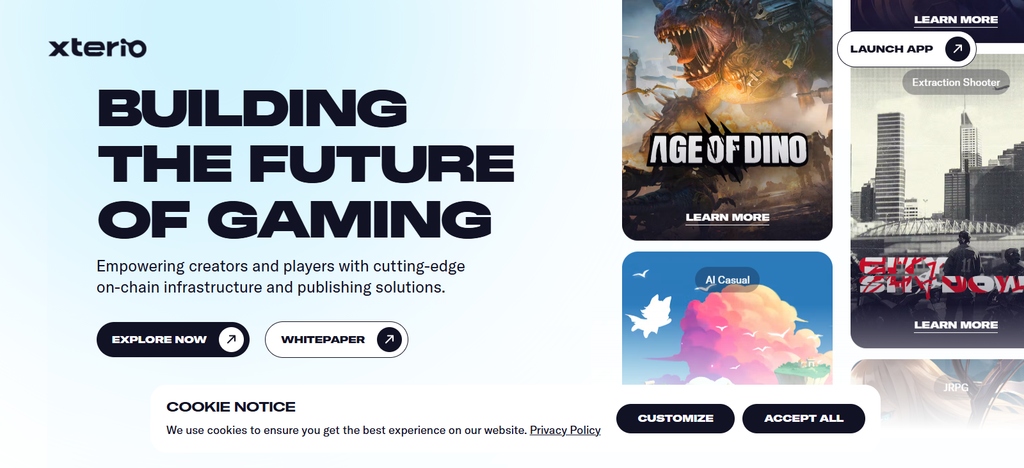
The ecosystem uses the XTER token for certain utility and economic purposes related to the platform. Xterio secured $40 million in an early funding round in 2022 from investors including FunPlus and ecosystem participants related to XPLA.
Its AI-assisted development, publishing capabilities and Web3 infrastructure come together to create opportunities for broader gaming ecosystem expansion.
Key Limitations
- Development Execution: Various gaming projects and infrastructure products can make operations complex.
AI Trustworthiness: Quality control, consistency and proper moderation must be applied to AI generated gaming assets and experiences. - Player Adoption: Successful games will attract mainstream players, not just blockchain technology.
- Token Utility: Long-term demand for the token is dependent on real ecosystem usage and a clear definition of what the token does.
- Competition: Xterio is in competition with both existing Web3 gaming platforms and new game development companies that are powered by AI.
Xterio Key Snapshot
| Key Snapshot | Details |
|---|---|
| Founded | 2022 |
| Core Business | Web3 gaming and AI technology |
| Gaming Focus | Game publishing and development infrastructure |
| Blockchain | Xterio ecosystem infrastructure |
| Technology | AI-assisted development and blockchain integration |
| Gaming Economy | XTER token and digital assets |
| Funding | $40 million funding round in 2022 |
| Key Backers | FunPlus and other investors |
| Key Strength | AI-powered gaming and Web3 infrastructure |
| Main Limitation | Development execution and token adoption |
10. Ethlas
Ethlas is a Singapore-based Web3 gaming startup founded in 2021 that focuses on skill-based games, crypto rewards and blockchain-powered gaming experiences. The platform is built to make Web3 gaming more accessible by allowing players to participate in competitive games, tournaments and reward-based activities.

The company has explored blockchain integrations that tie gaming participation to digital rewards and ownership. Its business model combines gaming applications and infrastructure to enable the adoption of Web3.
Ethlas raised about $8.7 million in seed funding in 2022, with investors including Dragonfly Capital and BlockchainSpace. Its community-oriented gaming model and focus on accessible competitive experiences makes it an interesting project to consider when reviewing new blockchain gaming companies.
Key Limitations
- Market Competition: Skill-based gaming platforms face competition from traditional mobile games and existing Web3 gaming ecosystems.
- Player Retention: Keeping players engaged over time requires new game formats, competitive events and meaningful rewards.
- Reward Sustainability: Reward-based gaming models need economic structures that are balanced to avoid over-reliance on incentives.
- Blockchain Accessibility: Wallet integration and digital asset management may alienate players who are not familiar with Web3 technology.- Geographic Restrictions: Gaming, token rewards and digital asset regulations may restrict expansion into certain markets.
Ethlas Key Snapshot
| Key Snapshot | Details |
|---|---|
| Founded | 2021 |
| Headquarters | Singapore |
| Core Business | Web3 gaming platform |
| Gaming Focus | Skill-based games and competitive experiences |
| Blockchain | Web3 multi-chain ecosystem |
| Technology | Blockchain-based gaming and reward integration |
| Gaming Economy | Digital rewards and gaming-related assets |
| Funding | Approximately $8.7 million seed funding in 2022 |
| Key Investors | Dragonfly Capital and BlockchainSpace |
| Key Strength | Accessible competitive Web3 gaming |
| Main Limitation | Player retention and reward sustainability |
Future Trends in Blockchain Gaming Startups
Future blockchain gaming start-ups are likely to focus on mainstream adoption, better gameplay experience, AI integration, interoperable digital resources, and sustainable gaming economies. More startups will probably build games focused on fun rather than relying solely on token rewards or NFT speculation.
Layer 2 networks, zero-knowledge technology and account abstraction could improve transaction speed, reduce costs and ease player onboarding. Customized gaming environments, AI-powered characters, player-owned assets and cross-game marketplaces could unlock new opportunities for developers and players.
Blockchain gaming startups can partner with traditional gaming studios, mobile platforms and entertainment companies to reach wider audiences and create sustainable Web3 gaming ecosystems.
Conclusion
Then, there are blockchain gaming startups that are emerging to create new opportunities by merging traditional gaming with blockchain technology, digital ownership, NFTs, and decentralized gaming economies.
Companies like Immutable, Mythical Games, Sky Mavis, Proof of Play and Gunzilla Games are testing out various ways to enhance gameplay, player ownership and Web3 infrastructure.
The long-term success of these games will depend on their quality, the extent to which they are adopted by players, their degree of technological innovation and sustainable business models.
As AI integration, blockchain scalability, and mainstream accessibility evolve, these startups could be major players in determining the future of the global gaming industry.
FAQ
What are the best emerging blockchain gaming startups to follow in 2026?
Some notable blockchain gaming companies to follow include Immutable, Mythical Games, Sky Mavis, Proof of Play, Parallel Studios, Big Time Studios, Illuvium Labs, Gunzilla Games, Xterio, and Ethlas.
How do blockchain gaming startups make money?
These startups generate revenue through game sales, in-game purchases, NFT marketplace fees, digital collectibles, token-related services, licensing, and gaming ecosystem partnerships.
What blockchain technologies are used in blockchain gaming?
Blockchain gaming companies use Ethereum, Layer 2 networks, smart contracts, NFTs, zero-knowledge proofs, and cross-chain technologies to support digital ownership and gaming transactions.
What is the role of NFTs in blockchain gaming?
NFTs allow players to own eligible digital gaming assets, including characters, weapons, collectibles, and virtual items. Depending on the game, these assets may also be traded or transferred.
Which blockchain gaming startup developed Axie Infinity?
Sky Mavis developed Axie Infinity and operates the Ronin blockchain, which supports gaming applications, digital collectibles, and blockchain transactions.