
In this article, I’ll discuss the Best Crypto Gaming Platforms With Low Fees in 2026, including their blockchain networks, transaction costs, supported cryptocurrencies, minimum deposits, withdrawal fees and transaction speeds. I will also compare their gaming ecosystems, wallet compatibility and key features to help the readers understand which platforms offer affordable transactions and a better overall blockchain gaming experience.
What Is Crypto Gaming Platforms?
Crypto gaming platforms are blockchain-based gaming ecosystems that allow players to play digital games using cryptocurrencies, NFTs and tokenized in-game assets. These platforms leverage blockchain networks including Ethereum, Solana, Polygon, Ronin and Sui to facilitate transactions, digital ownership and secure asset transfers.
Players can purchase gaming items, trade NFTs, enter tournaments, and sometimes earn cryptocurrency through gameplay. Blockchain games can offer more transparency and player-controlled digital resources, unlike traditional gaming platforms.
Transaction fees, supported cryptocurrencies, withdrawal options and gaming experiences vary from platform to platform, so it’s important to compare costs before selecting a crypto gaming platform.
Why Use Crypto Gaming Platforms With Low Fees
Reduced Transaction Fees: Low-fee gaming platforms help players cut costs when buying in-game assets, transferring cryptocurrencies, trading NFTs, and conducting blockchain transactions.
Affordable Gaming Experience: Lower fees enable players to engage in games, tournaments, and digital marketplaces without requiring a significant portion of their budgets for transaction fees.
Greater Withdrawal Value: Transparent and affordable withdrawal fees on the platforms help players to keep more of their cryptocurrency when transferring gaming rewards or digital currency to external wallets.
Frequent In-Game Transactions: Affordable blockchain transactions make it easier for players to purchase items, upgrade characters, trade collectibles and interact with gaming ecosystems more frequently.
Access to NFT Gaming: Lower transaction fees can make it easier for players with limited funds to mint, buy, sell and transfer digital gaming assets in NFT gaming.
Faster Transaction Processing: Many blockchain networks dedicated to gaming offer efficient transaction processing, enabling players to perform asset transfers and in-game activities with minimal delays.
Enhanced Budget Management: Players can gage their gaming expenditure, monitor their cryptocurrency holdings and steer clear of unforeseen expenses with visible deposit and withdrawal transaction costs.
More Blockchain Options: Low-fee ecosystems offer access to a variety of blockchain networks, allowing players to compare transaction costs, supported cryptocurrencies and gaming features before picking a platform.
Quick Comparison Table
| Platform | Low Fees | NFT Support | Gaming Focus | EVM Compatible |
|---|---|---|---|---|
| Immutable | ✅ | ✅ | ✅ | ✅ |
| Ronin Network | ✅ | ✅ | ✅ | ✅ |
| Polygon Gaming | ✅ | ✅ | ✅ | ✅ |
| Solana Gaming | ✅ | ✅ | ✅ | ❌ |
| WAX | ✅ | ✅ | ✅ | ❌ |
| Oasys | ✅ | ✅ | ✅ | ✅ |
| Beam | ✅ | ✅ | ✅ | ✅ |
| Avalanche Gaming | ✅ | ✅ | ✅ | ✅ |
| Flow | ✅ | ✅ | ✅ | ❌ |
| Sui Gaming | ✅ | ✅ | ✅ | ❌ |
1. Immutable
Founded in 2018, Immutable created blockchain infrastructure for gaming and digital asset ownership. Its ecosystem is built on Ethereum compatible infrastructure, like Immutable Chain, with IMX as its ecosystem token.
Players can play supported games through Immutable Passport without the need to manually manage gas for sponsored transactions. Minimum deposits are game and payment method dependent, and withdrawal costs are network and bridge dependent.
Immutable supports assets and compatible tokens on Ethereum. The network is on the order of about two second block times, and gas sponsorship can make eligible gaming transactions free to players.
| Key Point | Details |
|---|---|
| Founded Year | 2018 |
| Blockchain Network | Immutable zkEVM / Immutable infrastructure |
| Native Token | IMX |
| Gaming Focus | Web3 games and NFT gaming |
| Supported Cryptocurrencies | IMX, ETH and compatible tokens |
| Minimum Deposit | Depends on the individual game |
| Transaction Fees | Network-dependent; eligible sponsored transactions may have no direct gas cost for players |
| Withdrawal Fees | Depends on the wallet, bridge and destination network |
| Transaction Speed | Fast, depending on the network and transaction |
| Wallet Compatibility | Immutable Passport and compatible Ethereum wallets |
2. Ronin Network
Ronin Network was created by Sky Mavis to support blockchain games such as Axie Infinity. Its gaming network was launched in 2021. It is an Ethereum compatible gaming blockchain with RON as its native gas token. There is no general minimum deposit, the minimum deposit differs from game to game.
Withdrawal fees are dependent on the wallet, bridge and destination network. Ronin supports RON, AXS, SLP, USDC, and other compatible tokens. It’s built for fast, cheap transactions with blocks around 2 seconds and low gas fees on the network.
| Key Point | Details |
|---|---|
| Founded Year | 2021 |
| Blockchain Network | Ronin |
| Native Token | RON |
| Gaming Focus | Play-to-earn and blockchain games |
| Supported Cryptocurrencies | RON, AXS, SLP, USDC and compatible tokens |
| Minimum Deposit | Game-dependent |
| Transaction Fees | Generally low RON gas fees |
| Withdrawal Fees | Network, wallet and bridge-dependent |
| Transaction Speed | Approximately 2-second block times |
| Wallet Compatibility | Ronin Wallet and compatible wallets |
3. Gaming on Polygon
Born as Matic Network in 2017, Polygon PoS was launched in 2020 to allow scalable and affordable blockchain transactions. It has an EVM-compatible infrastructure that supports gaming applications, NFTs, intelligent contracts, and digital asset marketplaces.
Compatible assets include USDC, USDT, ETH, and gaming tokens. POL is the native gas token for Polygon PoS. No minimum deposit. Each individual game or exchange will have its own requirements within the network.
Withdrawal costs vary by application and by destination network. Transactions are typically confirmed in seconds, however network fees may fluctuate based on gas prices and the complexity of the transaction.
| Key Point | Details |
|---|---|
| Founded Year | 2017 |
| Blockchain Network | Polygon PoS |
| Native Token | POL |
| Gaming Focus | NFT gaming and blockchain applications |
| Supported Cryptocurrencies | POL, ETH, USDC, USDT and compatible tokens |
| Minimum Deposit | Game-dependent |
| Transaction Fees | Gas-based POL fees |
| Withdrawal Fees | Depends on the platform and destination network |
| Transaction Speed | Generally seconds |
| Wallet Compatibility | MetaMask, Trust Wallet and compatible wallets |
4. Solana Gaming
Solana was launched in 2017 and the mainnet beta was released in 2020. Its high-throughput Layer-1 blockchain enables gaming apps, NFT marketplaces, digital collectibles, and token-based game economies.
SOL is used to pay network transaction fees, with supported assets including USDC, USDT and a variety of gaming tokens. Solana does not set the minimum deposit, which is set by each gaming app separately.
The cost of withdrawal depends on the receiving platform and the method of transfer. Base transaction fee is 5,000 lamports per signature, priority fees are optional. Transactions can be confirmed in fractions of a second, making Solana ideal for frequent gaming interactions.
| Key Point | Details |
|---|---|
| Founded Year | 2017 |
| Blockchain Network | Solana |
| Native Token | SOL |
| Gaming Focus | High-speed blockchain and NFT gaming |
| Supported Cryptocurrencies | SOL, USDC, USDT and SPL tokens |
| Minimum Deposit | Game-dependent |
| Transaction Fees | Base fee of 5,000 lamports per signature, plus optional priority fees |
| Withdrawal Fees | Network and exchange-dependent |
| Transaction Speed | Sub-second confirmation is possible |
| Wallet Compatibility | Phantom, Solflare and compatible wallets |
5. WAX
WAX, which stands for Worldwide Asset eXchange, was launched in 2017 and is centered around blockchain gaming, NFTs and digital collectibles. Its infrastructure supports games with tokenized assets, trading cards, and virtual items.
The network’s native token is WAXP and supported gaming assets include compatible NFTs and fungible tokens. There is no minimum deposit as a whole; each separate game or marketplace has its own set of requirements.
Withdrawal fees vary with wallet and external transfer provider. WAX does not just rely on traditional gas payments but also uses resource-based transaction mechanisms such as CPU, NET and RAM.
| Key Point | Details |
|---|---|
| Founded Year | 2017 |
| Blockchain Network | WAX Blockchain |
| Native Token | WAXP |
| Gaming Focus | NFT games and digital collectibles |
| Supported Cryptocurrencies | WAXP and compatible gaming tokens |
| Minimum Deposit | Game-dependent |
| Transaction Fees | Resource-based CPU, NET and RAM |
| Withdrawal Fees | Wallet and provider-dependent |
| Transaction Speed | Designed for fast transactions |
| Wallet Compatibility | WAX Cloud Wallet and compatible wallets |
6. Oasys
Oasys was established in 2022 as a blockchain ecosystem for gaming companies and Web3 developers. Its architecture is based on a Hub-Layer and separate Verse networks, which allows developers to create gaming environments with different transaction needs.
OAS is its native ecosystem token and supported gaming currencies and NFTs are determined by the individual Verse applications. Minimum deposits depend on the game. Withdrawal fees depend on the selected Verse, bridge and destination network.
Its EVM-compliant infrastructure allows for fast transactions and some gaming environments offer money-saving gas for players or are sponsored. This makes Oasys relevant for developers looking for scalable blockchain gaming experiences.
| Key Point | Details |
|---|---|
| Founded Year | 2022 |
| Blockchain Network | Oasys Hub-Layer and Verse networks |
| Native Token | OAS |
| Gaming Focus | Web3 gaming and blockchain-based games |
| Supported Cryptocurrencies | OAS and Verse-specific tokens |
| Minimum Deposit | Game-dependent |
| Transaction Fees | Hub and Verse-specific fee arrangements |
| Withdrawal Fees | Depends on the Verse, bridge and destination |
| Transaction Speed | Network-dependent |
| Wallet Compatibility | Compatible EVM wallets |
7 . Beam
Beam was born in 2023 as part of the Merit Circle gaming ecosystem and evolved into an EVM-compatible blockchain for Web3 gaming. The network uses BEAM as its native utility token and supports gaming transactions, NFTs and digital asset interactions. Supported cryptocurrencies and in-game tokens vary by specific app and marketplace integrations. There is no set minimum deposit across the Beam ecosystem.
Each game has its own funding requirements. Withdrawal fees vary by network gas, bridge services and receiving platforms. The blockchain infrastructure allows for relatively fast transaction processing and low-cost interactions, which can be useful for games with frequent NFT trading and on-chain activities.
| Key Point | Details |
|---|---|
| Founded Year | 2023 |
| Blockchain Network | Beam |
| Native Token | BEAM |
| Gaming Focus | Web3 gaming and digital assets |
| Supported Cryptocurrencies | BEAM and compatible gaming tokens |
| Minimum Deposit | Game-dependent |
| Transaction Fees | BEAM gas fees |
| Withdrawal Fees | Network and platform-dependent |
| Transaction Speed | Depends on network conditions |
| Wallet Compatibility | MetaMask and compatible EVM wallets |
8. Avalanche Gaming
Avalanche mainnet was launched in ** 2020 ** , and Ava Labs was founded in 2018 . Its gaming ecosystem supports decentralized games, NFTs and dedicated Avalanche Layer-1 networks, enabling developers to customize blockchain environments.
The native currency AVAX is used to pay for transactions on the C-Chain, though individual gaming networks may have their own fee arrangements and supported tokens. Minimum deposits vary for each game, wallet and payment provider. Withdrawal fees vary depending on the bridge and the network you use.
Avalanche finalizes transactions in less than two seconds. The transaction fees on public networks are generally below a penny, but the actual cost depends on demand.
| Key Point | Details |
|---|---|
| Founded Year | 2018 (Ava Labs origin) |
| Blockchain Network | Avalanche C-Chain and custom Avalanche L1s |
| Native Token | AVAX |
| Gaming Focus | Blockchain games and custom gaming networks |
| Supported Cryptocurrencies | AVAX, USDC and compatible gaming tokens |
| Minimum Deposit | Game-dependent |
| Transaction Fees | AVAX gas fees on C-Chain; custom L1 arrangements may differ |
| Withdrawal Fees | Network, bridge and platform-dependent |
| Transaction Speed | Under 2-second finality on Avalanche |
| Wallet Compatibility | Core Wallet, MetaMask and compatible wallets |
9. Flow
Flow was launched by Dapper Labs in 2019 and its mainnet went live in 2020. It is a Layer-1 blockchain purpose-built for consumer applications, gaming, NFTs and digital collectibles. Its native cryptocurrency is FLOW, which is used for network transactions and activities in the ecosystem. Supported digital resources and stablecoins are application specific.
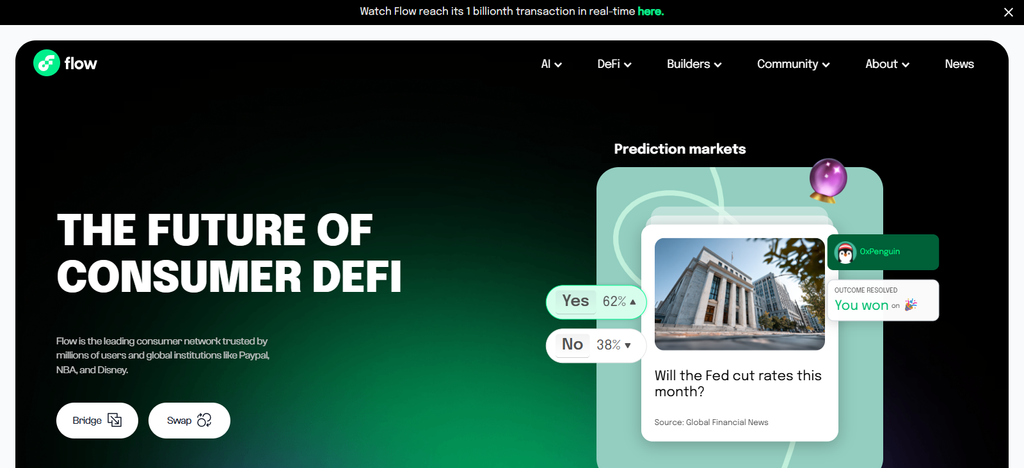
The minimum deposit is set by the gaming platform or wallet provider, not by the blockchain. The withdrawal fees will depend on the destination service and transfer requirements.
Flow has its Cadence smart-contract environment and supports fast transaction processing, with confirmation times usually measured in seconds. With its consumer-grade architecture, it is an ideal fit for mass-market blockchain gaming experiences.
| Key Point | Details |
|---|---|
| Founded Year | 2019 |
| Blockchain Network | Flow |
| Native Token | FLOW |
| Gaming Focus | Consumer gaming, NFTs and digital collectibles |
| Supported Cryptocurrencies | FLOW and compatible ecosystem tokens |
| Minimum Deposit | Game-dependent |
| Transaction Fees | FLOW network transaction fees |
| Withdrawal Fees | Wallet and provider-dependent |
| Transaction Speed | Generally seconds |
| Wallet Compatibility | Flow-compatible wallets |
10. Sui Gaming
Sui was created by Mysten Labs, which was founded in ** 2021 ** and launched its mainnet in 2023. The Layer-1 blockchain is designed for scalable apps, gaming assets, and digital ownership with an object-centric architecture.
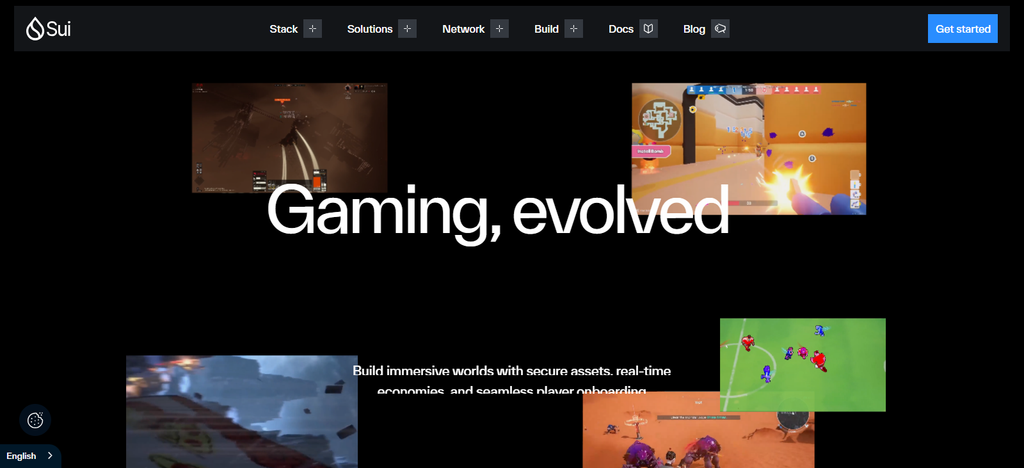
Its native token is SUI, used to pay transaction fees, stake and operate on the network. Supported cryptocurrencies include SUI, USDC and other compatible ecosystem tokens depending on the individual applications.
Minimum deposit is not universal, withdrawal fees depend on the wallet, exchange and destination network. Sui supports fast transaction execution and low network fees, making it a good fit for games with frequent asset transfers, NFT interactions, and on-chain activities.
| Key Point | Details |
|---|---|
| Founded Year | 2021 (Mysten Labs founded) |
| Blockchain Network | Sui |
| Native Token | SUI |
| Gaming Focus | On-chain gaming, NFTs and digital ownership |
| Supported Cryptocurrencies | SUI, USDC and compatible ecosystem tokens |
| Minimum Deposit | Game-dependent |
| Transaction Fees | SUI gas fees |
| Withdrawal Fees | Network, exchange and platform-dependent |
| Transaction Speed | Fast transaction execution |
| Wallet Compatibility | Sui Wallet and compatible wallets |
Conclusion
What’s the best crypto gaming platform with low transaction fees in 2026? The best crypto gaming platform with low transaction fees depends on transaction speed, network costs, accepted cryptocurrencies, wallet compatibility and withdrawal flexibility.
Immutable, Ronin, Polygon, Solana, WAX, Oasys, Beam, Avalanche, Flow and Sui provide different blockchain gaming experiences, each with different approaches to transaction efficiency and scalability. Some ecosystems have gas-sponsored transactions, others focus on cheap network fees and faster processing.
Players should compare actual deposit and withdrawal charges, minimum funding requirements, security features and supported games before selecting a platform. Understanding these elements can help gamers find an affordable blockchain gaming experience.
FAQ
What Are the Best Crypto Gaming Platforms With Low Fees in 2026?
Some notable blockchain gaming ecosystems include Immutable, Ronin, Polygon, Solana, WAX, Oasys, Beam, Avalanche, Flow and Sui. They offer different approaches to affordable transactions and gaming infrastructure.
Which Blockchain Is Cheapest for Crypto Gaming?
Solana, Polygon, Ronin and some gaming-focused networks offer relatively low transaction costs. Actual fees depend on network conditions, transaction complexity and application requirements.
Can You Play Crypto Games Without Paying Gas Fees?
Yes. Some blockchain games use gas-sponsored transactions or account abstraction to cover eligible network fees. However, deposits, withdrawals and other activities may still involve charges.
What Is the Minimum Deposit Required for Crypto Gaming?
There is no universal minimum deposit. Each gaming platform establishes its own requirements based on supported cryptocurrencies, payment methods and game participation rules.