

In this article, I will talk about the Best Crypto Payment Plugins for Online Course Creators to help teachers, instructors, and online businesses to easily accept cryptocurrency payments. We’ll go over their main features, the cryptocurrencies they support, transaction fees, payment security, confirmation speed, stablecoin support, LMS integrations, and one-time payment options to help you select the best option for selling online courses globally.
- What Are Crypto Payment Plugins for Online Course Creators?
- Key Points
- 1. NOWPayments
- Features
- Pros & Cons
- 2. Coinbase Commerce (Coinbase Business)
- Features
- Pros & Cons
- 3. CoinGate
- Features
- Pros & Cons
- 4. BitPay
- Features
- Pros & Cons
- 5. BTCPay Server
- Features
- Pros & Cons
- 6. Cryptomus
- Features
- Pros & Cons
- 7. CoinPayments
- Features
- Pros & Cons
- 8. Crypto.com Pay
- Features
- Pros & Cons
- 9. Coinremitter
- Features
- Pros & Cons
- 10. Stripe Crypto Integration
- Features
- Pros & Cons
- Conclusion
- FAQ
What Are Crypto Payment Plugins for Online Course Creators?
Crypto Payment Plugins for Online Courses Creators are payment tools that enable educators, instructors, and online learning businesses to accept cryptocurrencies like Bitcoin, Ethereum, USDT and USDC for the sale of digital courses, training programs and memberships.
These plugins facilitate the integration of payment gateways with websites and learning management systems (LMS) to enable students to pay via digital wallets. They provide features like secure transaction processing, payment confirmation, automatic currency conversion, transaction tracking, and API integrations.
Some solutions also support recurring payments, refunds and automatic student enrollment once the payment is verified, which helps course creators manage international payments while simplifying their online course selling operations.
Key Points
| Plugin | Best For | Key Strength |
|---|---|---|
| NOWPayments | Course platforms | Broad crypto support |
| Coinbase Commerce | Beginner-friendly setup | Trusted brand |
| CoinGate | Global course sales | Fiat settlement options |
| BitPay | Established businesses | Merchant-focused tools |
| BTCPay Server | Self-hosted creators | Full payment control |
| Cryptomus | Digital products | Multi-coin support |
| CoinPayments | Flexible integrations | Large cryptocurrency coverage |
| Crypto.com Pay | Crypto-native audiences | Merchant ecosystem |
| Coinremitter | Small creators | Simple payment acceptance |
| Stripe Crypto Integrations | Existing Stripe users | Familiar checkout workflows |
1. NOWPayments
NOWPayments is a cryptocurrency payment gateway that is perfect for online course creators who want to accept digital currency for recorded courses, premium training programs, and educational memberships. Depending on the network and configuration you select, it can handle a variety of cryptocurrencies such as Bitcoin, Ethereum, USDT, and USDC.
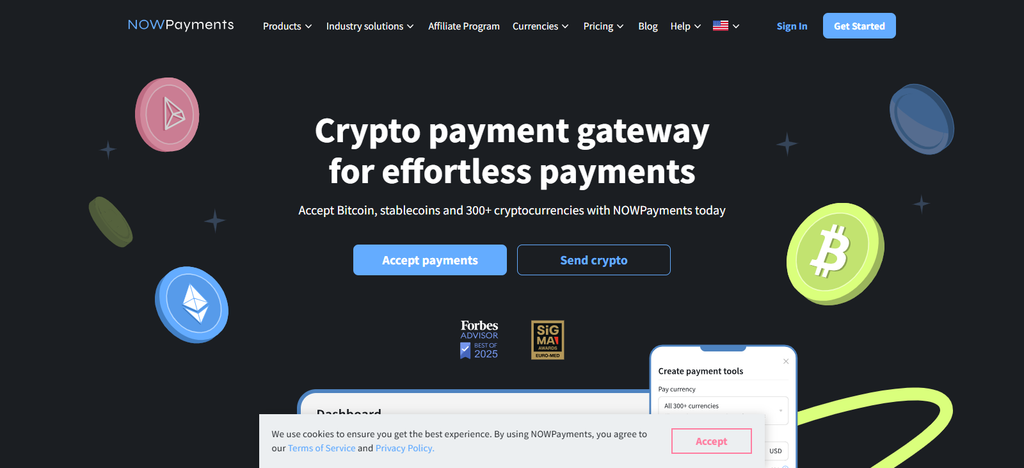
Payment links, APIs, invoices and e-commerce plugins are some of its integration options that allow creators to connect checkout systems with their sites. Fees will differ depending on the payment method, any conversion required, and network fees. Payment security consists of payment processing encryption and transaction monitoring.
Confirmation speed is based on confirmations on the blockchain network. One-time payments for courses are fine for creators, but recurring billing and auto-enrollment may require additional integration via APIs or compatible platforms.
Features
| Feature | Details |
|---|---|
| Multi-Currency Support | Supports 350+ cryptocurrencies, including BTC, ETH, USDT and USDC. |
| Payment Integration | Offers APIs, payment widgets, invoices and e-commerce plugins. |
| WooCommerce Compatibility | Supports WooCommerce integration for online course checkout. |
| Transaction Fees | Standard fees start at 1% for single-currency payments; conversion may add costs. |
| Recurring Payments | Provides recurring payment and subscription solutions. |
| Automatic Conversion | Converts received cryptocurrencies into selected digital assets. |
| Payment Notifications | IPN notifications help update payment statuses automatically. |
| Wallet Management | Non-custodial payment processing sends funds to merchant wallets. |
Pros & Cons
| Pros | Cons |
|---|---|
| Supports a wide range of cryptocurrencies and stablecoins. | Supported coins and networks can vary. |
| Provides multiple integration options for online businesses. | Advanced API integration may require developers. |
| Offers recurring payment solutions. | Subscription setup may require technical configuration. |
| Supports automatic cryptocurrency conversion. | Conversion can introduce additional costs. |
| Provides payment notifications for order management. | Confirmation times depend on blockchain networks. |
2. Coinbase Commerce (Coinbase Business)
Coinbase Commerce is transitioning to Coinbase Business and online course creators should consider the new business payment infrastructure for integrations. Coinbase Commerce has previously provided support for cryptocurrency checkout, payment links and API-based payments for a 1% transaction fee.
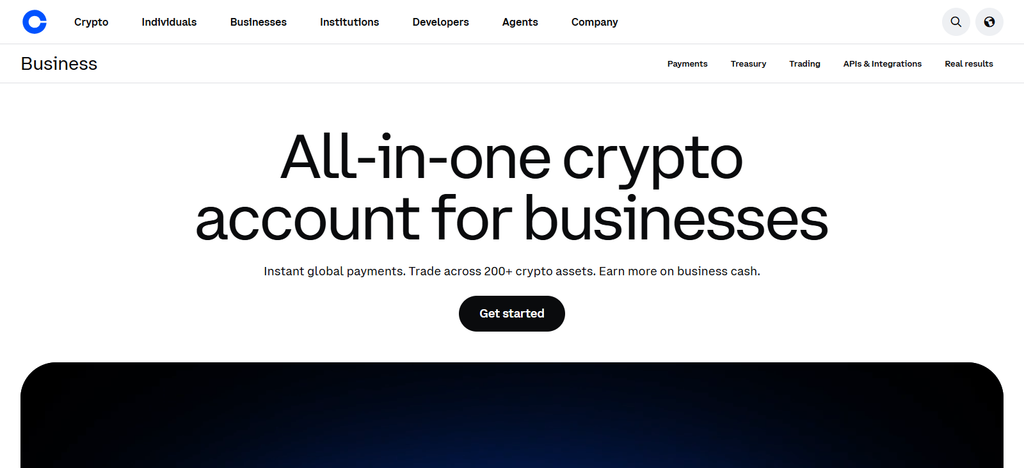
Coinbase Business offers USDC checkout, payment links, invoicing and webhooks on supported networks with funds settling into a business account. The security of payments is ensured by Coinbase’s account and custody infrastructure, while the confirmation on the blockchain depends on the network chosen.
Creators can still accept payments for courses on a one-time basis, but to enable automatic enrollment in their LMS, they will need to set up a webhook or API integration. This is useful for predictable course pricing due to stablecoin support.
Features
| Feature | Details |
|---|---|
| Stablecoin Payments | Coinbase Business currently focuses on USDC payments. |
| Payment Links | Allows businesses to create cryptocurrency payment links. |
| Checkout API | Supports embedded USDC checkout for websites and applications. |
| Transaction Fees | Coinbase Commerce historically charged 1%; current Business pricing should be checked in the account. |
| Payment Security | Uses Coinbase business account infrastructure and transaction controls. |
| Supported Networks | Business checkout supports multiple major EVM networks. |
| Automatic Notifications | Webhooks provide payment status updates. |
| Settlement | Supports settlement into a Coinbase Business account. |
Pros & Cons
| Pros | Cons |
|---|---|
| Provides payment links and API-based checkout. | Coinbase Commerce has transitioned to Coinbase Business. |
| USDC payments help reduce cryptocurrency price volatility. | Current asset support is more limited than the former Commerce product. |
| Offers business payment management features. | Business availability is geographically restricted. |
| Supports payment notifications through APIs. | Developers may be needed for custom LMS integration. |
| Provides accounting and financial management capabilities. | Custodial infrastructure may not suit every merchant. |
3. CoinGate
CoinGate is a cryptocurrency payment gateway that helps online course creators accept payment from international students using e-commerce plugins, payment buttons and API integrations. Depending on availability, it supports Bitcoin, Ethereum, Litecoin, USDT, USDC and several other cryptocurrencies.
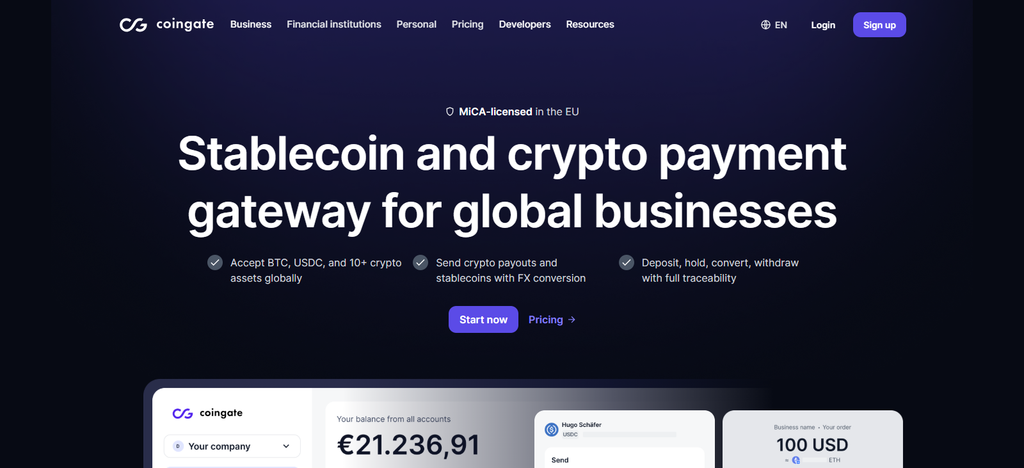
Merchant processing is 1% per transaction with no set up fees or monthly account fees. Payment security covers transaction monitoring and payment-status tracking, and confirmation speed is affected by blockchain congestion and required confirmations.
Creators can use CoinGate to purchase single courses, downloadable learning materials and training packages. Automatically enrolll students, and tie in supported integrations or API notifications. Fiat settlement options also help control cryptocurrency volatility.
Features
| Feature | Details |
|---|---|
| Cryptocurrency Support | Accepts Bitcoin, Ethereum, USDT, USDC and other cryptocurrencies. |
| Payment Integration | Offers APIs, payment buttons and e-commerce plugins. |
| Transaction Fees | Standard merchant processing fee is 1%. |
| Payment Conversion | Supports conversion into selected settlement currencies. |
| Payment Security | Provides transaction monitoring and payment-status tracking. |
| Course Payments | Supports individual cryptocurrency payment collection. |
| Payment Notifications | Helps merchants track completed and pending payments. |
| Settlement Options | Supports crypto and selected fiat settlement options. |
Pros & Cons
| Pros | Cons |
|---|---|
| Offers multiple cryptocurrency payment options. | Some settlement services involve additional fees. |
| Provides WooCommerce and API integration options. | Advanced customization requires development work. |
| Supports fiat conversion to manage volatility. | Conversion rates can affect final settlement amounts. |
| Has a straightforward 1% standard processing fee. | Blockchain network congestion can delay confirmation. |
| Supports international cryptocurrency payments. | Recurring LMS billing may require additional integration. |
4. BitPay
BitPay is a crypto payment processor for education businesses that sell online courses, professional certifications, and digital training packages. It supports cryptocurrencies including Bitcoin, Bitcoin Cash, Ethereum, Litecoin, Dogecoin, USDC and USDT, subject to available payment and settlement methods.
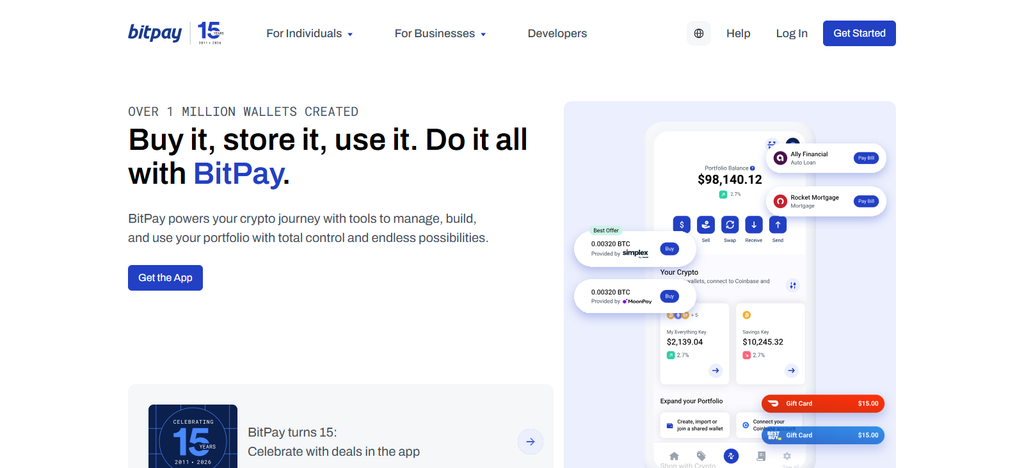
It has published merchant pricing starting at 2% plus $0.25 per transaction for monthly volumes under $500,000, with lower percentage tiers for higher volumes. Payment security involves transaction verification, merchant account controls and compliance procedures. The speed of confirmation depends on the blockchain and payment status.
Creators can charge one time course fees and payment links or e-commerce integration. Usually connecting payment notifications to the LMS is required for automatic course enrollment.“
Features
| Feature | Details |
|---|---|
| Supported Cryptocurrencies | Supports Bitcoin, Bitcoin Cash, Ethereum, Litecoin and selected stablecoins. |
| Payment Integration | Provides payment buttons, APIs and e-commerce integrations. |
| Transaction Fees | Published pricing starts at 2% + $0.25 for lower-volume merchants. |
| Payment Security | Offers merchant verification and payment monitoring. |
| Fiat Settlement | Supports settlement options in selected traditional currencies. |
| One-Time Payments | Suitable for individual course and training purchases. |
| Payment Tracking | Provides transaction records and payment-status monitoring. |
| Business Support | Offers payment infrastructure for merchants and online businesses. |
Pros & Cons
| Pros | Cons |
|---|---|
| Supports several established cryptocurrencies. | Published processing fees can be higher than some competitors. |
| Offers fiat settlement options. | Availability of settlement currencies varies. |
| Provides payment integrations for online stores. | LMS automation may require API configuration. |
| Helps businesses manage cryptocurrency payment records. | Some features depend on merchant eligibility. |
| Supports international customer payments. | Network fees can increase transaction costs. |
5. BTCPay Server
BTCPay Server is an open-source, self-hosted cryptocurrency payment processor, perfect for course creators who want more control over how they process payments and interact with their customers. It is primarily a Bitcoin payment processor with Lightning Network support for fast and cheap transactions, and optional integrations for other assets.
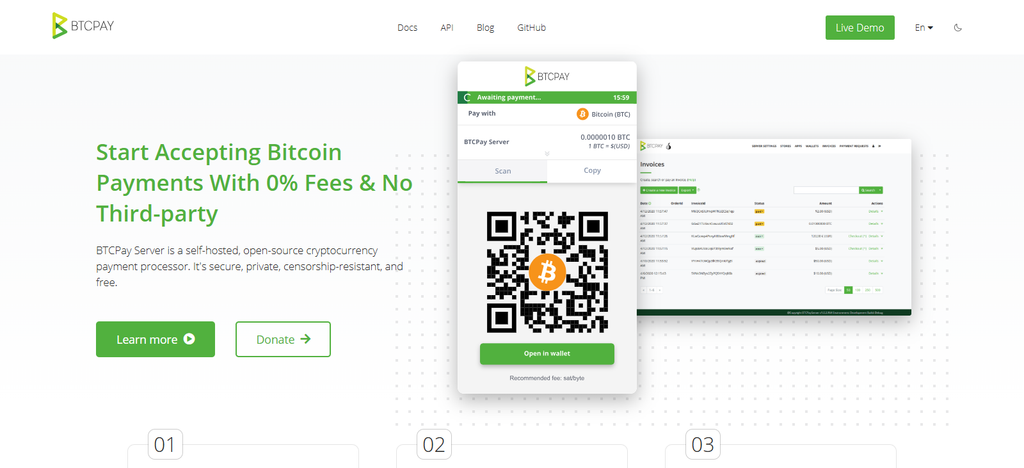
There are no merchant processing fees by the platform itself, but there may be blockchain and Lightning network fees. The architecture’s self-custodial nature means businesses can hold their own wallets and private keys, rather than relying on a payment processor to hold the funds.
The speed of confirmation depends on whether students are using on-chain Bitcoin or Lightning. Creators can accept one-time course payments through WordPress and WooCommerce integrations, and automatic enrollment requires proper checkout and LMS configuration.It’s a small place, but it has a lot of variety.
Features
| Feature | Details |
|---|---|
| Open-Source Platform | Provides publicly available, self-hosted payment software. |
| Bitcoin Payments | Supports direct Bitcoin payment processing. |
| Lightning Network | Enables faster Bitcoin payments through Lightning. |
| Transaction Fees | No BTCPay merchant processing fee; hosting and network costs may apply. |
| Payment Security | Uses a non-custodial architecture and merchant-controlled wallets. |
| WooCommerce Integration | Supports online store payment integration. |
| Payment Invoices | Generates invoices and tracks payment status. |
| Customization | Allows developers to customize checkout and payment workflows. |
Pros & Cons
| Pros | Cons |
|---|---|
| Does not charge platform transaction processing fees. | Requires server hosting and maintenance. |
| Gives merchants control over private keys and funds. | Wallet and server security are the merchant’s responsibility. |
| Supports Bitcoin Lightning payments. | Requires technical knowledge for advanced configuration. |
| Offers open-source customization. | Native support for other cryptocurrencies is limited. |
| Provides WooCommerce integration. | Fiat conversion is not a built-in payment service. |
6. Cryptomus
Cryptomus is a cryptocurrency payment gateway for online course creators that allows them to accept payments for educational subscriptions, digital courses, and premium learning programs.
It supports many cryptocurrencies and networks including Bitcoin, Ethereum, USDT and other digital currencies that may be available. New users pay merchant processing fees as low as 2%, but depending on business factors and negotiated terms, those rates could drop to 0.4%.
Payment security includes transaction tracking, merchant account control and API based payment verification. Its auto-conversion feature helps creators to convert incoming cryptocurrency to preferred assets such as USDT.
Payment confirmation speed is influenced by blockchain activity and confirmation settings. Course payments can be one-time, but you’ll need API or webhook integration for automated enrollment.
Features
| Feature | Details |
|---|---|
| Cryptocurrency Support | Supports multiple cryptocurrencies, including BTC, ETH and USDT. |
| Payment API | Offers API-based payment processing for websites. |
| Transaction Fees | Published starting merchant fees can vary by account and payment configuration. |
| Payment Invoices | Supports cryptocurrency invoices and payment requests. |
| Automatic Conversion | Offers conversion features for supported digital assets. |
| Payment Security | Includes account protection and transaction monitoring features. |
| Wallet Management | Provides merchant wallet and withdrawal functionality. |
| Course Payments | Can process one-time payments for digital educational products. |
Pros & Cons
| Pros | Cons |
|---|---|
| Supports multiple cryptocurrencies and networks. | Supported assets vary by network. |
| Offers API and invoice-based payment options. | Custom LMS integration may require developers. |
| Provides automatic conversion functionality. | Conversion and withdrawal fees can apply. |
| Includes transaction tracking tools. | Advanced features may require configuration. |
| Suitable for international digital businesses. | Payment confirmation depends on blockchain conditions. |
7. CoinPayments
CoinPayments is a cryptocurrency payment gateway that caters to online merchants selling digital products, educational courses and downloadable learning materials. With its WooCommerce integration, students can choose cryptocurrency at checkout and make payments on a hosted payment page.

It supports a number of cryptocurrencies, the assets available being dependent on the merchant account setup. Course websites receive payment confirmations via webhooks which allows them to update orders automatically after successful transactions. On the security side, it has API credentials, scoped permissions and IP allow-listing.
Creators can either hold the cryptocurrency received or use the conversion and auto sweep options available. One-time payments for courses are great for WooCommerce shops, but if you want recurring membership billing and automatic LMS enrollment, you should check the relevant integration capabilities.
Features
| Feature | Details |
|---|---|
| Multi-Coin Payments | Supports multiple cryptocurrencies for merchant payments. |
| E-Commerce Integration | Provides WooCommerce and other e-commerce integrations. |
| Payment Notifications | Uses payment notifications to update transaction statuses. |
| API Integration | Allows developers to connect custom checkout systems. |
| Wallet Management | Provides merchant cryptocurrency wallet functionality. |
| Auto-Sweep | Offers options to manage and transfer supported balances. |
| Transaction Fees | Processing and withdrawal charges depend on the service and current pricing. |
| Course Payments | Can support individual course purchases through compatible checkout integrations. |
Pros & Cons
| Pros | Cons |
|---|---|
| Supports multiple cryptocurrencies. | Managing many assets can increase accounting complexity. |
| Provides e-commerce integration options. | Some LMS connections require custom development. |
| Offers API and payment notification functionality. | API setup requires technical knowledge. |
| Supports cryptocurrency wallet management. | Withdrawal and conversion charges may apply. |
| Suitable for digital product payments. | Recurring membership functionality should be verified separately. |
8. Crypto.com Pay
Crypto.com Pay lets online businesses accept crypto payments from their customers using supported Crypto.com payment methods and networks. It supports assets like BTC, ETH, USDT, USDC, XRP and many other cryptocurrencies.

The availability of stablecoins varies by network, including Ethereum, Polygon, Solana and Cronos. Crypto.com account has authentication and transaction processing controls that improve the security of its payments. How fast your confirmation is depends on the payment method and the blockchain network.
Supported integrations enable course creators to accept one-time payments for online classes, digital resources and training programs. Subscription payments can also be made via the Crypto.com App payment method, but other payment methods may not support recurring billing.
Student auto-enrollment requires a compatible API or payment-status integration.So, if you are looking for a good deal this holiday season, check out these tips and tricks to save money on your next holiday shopping trip.
Features
| Feature | Details |
|---|---|
| Cryptocurrency Support | Supports multiple digital assets, including BTC, ETH and selected stablecoins. |
| Payment Integration | Provides merchant payment integrations and developer tools. |
| Stablecoin Payments | Supports selected stablecoins across compatible networks. |
| Payment Security | Uses account authentication and transaction verification controls. |
| Payment Speed | Confirmation depends on payment method and blockchain network. |
| One-Time Payments | Suitable for individual digital course purchases. |
| Recurring Payments | Subscription capabilities depend on the supported payment method. |
| Merchant Management | Provides payment tracking and business transaction management. |
Pros & Cons
| Pros | Cons |
|---|---|
| Supports several cryptocurrency payment options. | Asset availability varies by network and region. |
| Provides payment infrastructure for online businesses. | Merchant eligibility may differ across countries. |
| Supports selected stablecoin payments. | Not every supported asset is available for every payment method. |
| Offers integration options for developers. | Custom LMS integration may require coding. |
| Provides payment tracking functionality. | Recurring billing support is not universal. |
9. Coinremitter
Coinremitter is a crypto payment gateway for businesses that need to accept digital currency through invoices, payment APIs and wallet based transactions. It’s a tool for online course creators to charge fees for individual courses, online workshops and digital training packages.
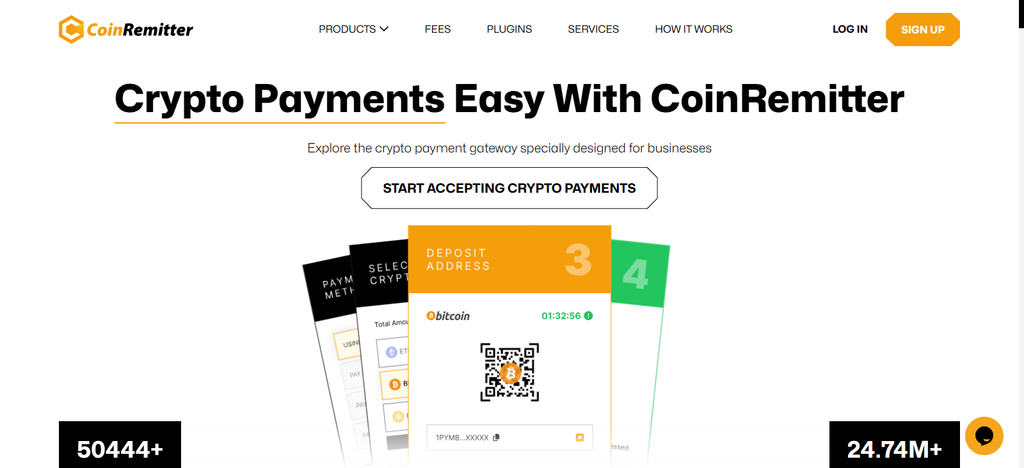
It features cryptocurrency wallet management, invoice creation, transaction tracking and webhook notifications for payment updates. It has a fee structure that includes processing and blockchain withdrawal fees that vary depending on the chosen cryptocurrency, network and withdrawal speed.
Payment security hinges on wallet API credentials and transaction verification. The speed of confirmation depends on the confirmation requirements of the blockchain and the activity of the network. Successful payment notifications can be tied to the creator’s LMS for automatic student enrollment, though recurring subscriptions require more integration.
Features
| Feature | Details |
|---|---|
| Cryptocurrency Support | Provides multiple cryptocurrency payment options. |
| Payment API | Supports custom cryptocurrency payment integration. |
| Invoice Generation | Allows merchants to generate cryptocurrency payment invoices. |
| Transaction Fees | Fees depend on the selected currency and withdrawal services. |
| Payment Notifications | Webhooks provide payment status updates. |
| Wallet Management | Includes merchant wallet and transaction management features. |
| Payment Security | Uses API credentials and payment verification procedures. |
| Course Integration | Can connect with online checkout systems for individual course purchases. |
Pros & Cons
| Pros | Cons |
|---|---|
| Provides cryptocurrency invoice generation. | Supported currencies and networks should be checked. |
| Offers API-based payment integration. | Advanced integration requires development skills. |
| Supports payment status notifications. | Webhook configuration needs technical attention. |
| Includes merchant wallet management. | Withdrawal costs can vary. |
| Suitable for digital product checkout. | Automatic LMS enrollment requires additional configuration. |
10. Stripe Crypto Integration
Stripe Crypto Integrations allows online course creators to accept payments in stablecoins via Stripe’s payment infrastructure. Its stablecoin payment feature helps qualifying businesses that accept cryptocurrency payments that are converted into fiat currency and settled to their Stripe balance.

This allows educators to sidestep the direct handling of cryptocurrency volatility and wallet settlements. Payment security benefits from Stripe’s payment processing, authentication and transaction monitoring infrastructure. Confirmation time depends on the supported blockchain networks and payment processing time.
Creators can use stablecoin checkout to sell individual courses or digital training packages. Successful payments can be linked to LMS enrollment systems via API and webhook integrations. Availability, supported currencies, transaction fees and recurring billing options vary by Stripe product and business location.
Features
| Feature | Details |
|---|---|
| Stablecoin Payments | Supports eligible stablecoin payment processing, including USDC. |
| Checkout Integration | Allows businesses to integrate supported stablecoin checkout. |
| Transaction Fees | Stablecoin payment pricing should be checked for the relevant Stripe product and region. |
| Payment Security | Uses Stripe’s payment security and transaction monitoring infrastructure. |
| Fiat Settlement | Supports automatic conversion and settlement into eligible Stripe balances. |
| API Integration | Provides APIs and webhooks for payment automation. |
| One-Time Payments | Supports eligible one-time stablecoin checkout transactions. |
| LMS Compatibility | Can connect with custom course platforms through APIs and webhooks. |
Pros & Cons
| Pros | Cons |
|---|---|
| Provides stablecoin payment processing. | Availability is limited by business location and eligibility. |
| Supports automatic fiat settlement. | Does not offer universal support for all cryptocurrencies. |
| Provides API and webhook integration. | Custom LMS integration may require developers. |
| Uses established payment infrastructure. | Pricing varies by product and region. |
| Helps reduce direct cryptocurrency custody requirements. | Stablecoin payment support does not automatically provide recurring crypto billing. |
Conclusion
The best crypto payment plugins for online course creators depend on payment fees, supported cryptocurrencies, security, confirmation speed and integration capabilities.
Cryptocurrency payment solutions such as NOWPayments, CoinGate, BitPay and Coinbase Commerce allow for easy payments in crypto, while BTCPay Server gives you more control by allowing you to host your payment processing.
Creators should also think about stablecoin support, one-time course payments, recurring memberships, refund management and automatic student enrollment.
Compare a provider’s integration with your LMS, settlement options and transaction costs to create a secure, flexible and accessible payment experience for students anywhere in the world.
FAQ
What Are the Best Crypto Payment Plugins for Online Course Creators?
Some popular options include NOWPayments, Coinbase Commerce, CoinGate, BitPay, BTCPay Server, Cryptomus, CoinPayments, Crypto.com Pay, Coinremitter and Stripe Crypto Integrations. They offer different payment methods, cryptocurrency support and integration capabilities.
Can Online Course Creators Accept Bitcoin Payments?
Yes. Online course creators can accept Bitcoin through supported crypto payment gateways. Students can pay for recorded courses, premium training programs and digital learning materials using Bitcoin.
Which Crypto Payment Plugins Support Stablecoins?
NOWPayments, CoinGate, BitPay, Cryptomus, CoinPayments and other providers offer support for stablecoins such as USDT and USDC, depending on supported networks and payment configurations.
Can Crypto Payment Plugins Automatically Enroll Students?
Yes. Some payment integrations support automatic enrollment through APIs, webhooks or LMS plugins. Once a payment is confirmed, the connected system can activate the student’s course access.