
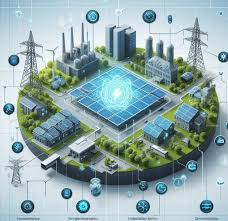

This article discusses how the Token Incentive Models Transforming Global Energy Grids innovate an elastic, global energy marketplace. I will show how blockchain’s incentive structure provides rewards for the adoption of renewable energy, peer-to-peer energy trading, carbon mitigation, and energy management.
- Why Token Incentive Models Transforming Global Energy Grids
- Key Point & Token Incentive Models Transforming Global Energy Grids
- 10 Token Incentive Models Transforming Global Energy Grids
- 1. SolarCoin (SLR)
- SolarCoin (SLR) Features, Advantages & Disadvantages
- Features
- Advantages
- Disadvantages
- 2. Power Ledger Token (POWR)
- Power Ledger Token (POWR) Features, Advantages & Disadvantages
- Features
- Advantages
- Disadvantages
- 3. Energy Web Token (EWT)
- Energy Web Token (EWT) Features, Advantages & Disadvantages
- Features
- Advantages
- Disadvantages
- 4. WePower Token (WPR)
- WePower Token (WPR) Features, Advantages & Disadvantages
- Features
- Advantages
- Disadvantages
- 5. LO3 Energy Tokens
- LO3 Energy Tokens Features, Advantages & Disadvantages
- Features
- Advantages
- Disadvantages
- 6. Veridium Carbon Tokens
- Veridium Carbon Tokens Features, Advantages & Disadvantages
- Features
- Advantages
- Disadvantages
- 7. HydroCoin (HYC)
- HydroCoin (HYC) Features, Advantages & Disadvantages
- Features
- Benefits
- Disadvantages
- 8. Electron Energy Tokens
- Electron Energy Tokens Features, Advantages & Disadvantages
- Features
- Benefits
- Disadvantages
- 9. ImpactPPA Token (MPA)
- ImpactPPA Token (MPA) Features, Advantages & Disadvantages
- Features
- Advantages
- Disadvantages
- 10. Energi Token (NRG)
- Energi Token (NRG) Features, Advantages & Disadvantages
- Features
- Advantages
- Disadvantages
- Conclusion
- FAQ
Token systems create decentralized energy structures and build efficient energy networks and sustain market participation via a financial incentive structure for consumers, producers, and investors.
Why Token Incentive Models Transforming Global Energy Grids
Stimulate Production of Renewable Energy – Token incentives increase the production of clean energy like solar, wind, and hydro.
Facilitate Consumer Energy Trading – People can sell and trade energy with one another, decreasing reliance on utility companies.
Balance Supply and Demand for Electricity – Token incentives achieve more efficient energy consumption and improve the balance of supply and demand for electricity.
Maximize Efficiency and Minimize Energy Waste – Tracking incentives in real time help use energy resources efficiently and reduce waste.
Increase Security and Transparency – Energy generation, trading, and consumption are securely and transparently recorded in block chains.
Build Community Energy Systems – Tokens incentivize the building of community energy resource systems.
Financing Renewable Energy is Less Difficult– Token finance models reduce the difficulty in financing renewable energy.
Smart Contracts Lower Costs – The use of smart contracts in the energy market reduces administrative and third-party costs.
Negate Carbon Emissions – Token models incentive environmentally friendly behavior and promote carbon offsets.
Strengthen Resilience of Energy Systems – Decentralized energy systems are more resilient and less reliant on centralized systems.
Earn Tokens for Reduced Energy Use – Tokens can be earned for participation in peak period demand response activities.
Simplify the Trading of Renewable Energy Certificates– Tokens on block chains improve the ease of trading and validating renewable energy certificates.
Encourage Smart Grid Technologies – Token incentives are combined with smart meters, IoT devices, and advanced energy management systems.
Improve Energy Access – Decentralized energy markets enable affordable electricity in new, underserved and remote locations.
Speed up the Global Energy Transition – Token models combined with financial incentives and blockchain technology facilitate the transition to sustainable, low-carbon energy systems.
Key Point & Token Incentive Models Transforming Global Energy Grids
- SolarCoin (SLR): Rewards solar energy producers with digital tokens for every megawatt-hour of solar electricity generated.
- Power Ledger Token (POWR): Enables peer-to-peer energy trading, allowing consumers and producers to buy and sell electricity directly.
- Energy Web Token (EWT): Supports decentralized energy applications that improve grid efficiency and renewable energy integration.
- WePower Token (WPR): Facilitates renewable energy financing through tokenized energy contracts and future energy sales.
- LO3 Energy Tokens: Promote local energy marketplaces where communities can trade excess renewable power within microgrids.
- Veridium Carbon Tokens: Tokenize carbon credits to encourage sustainable energy practices and offset carbon emissions.
- HydroCoin (HYC): Incentivizes participation in renewable hydroelectric energy projects and green energy investments.
- Electron Energy Tokens: Enhance grid flexibility by rewarding consumers and businesses for optimizing energy usage patterns.
- ImpactPPA Token (MPA): Connects renewable energy developers with investors through tokenized power purchase agreements.
- Energi Token (NRG): Supports blockchain-powered energy ecosystems with incentives for efficient and sustainable energy management.
10 Token Incentive Models Transforming Global Energy Grids
1. SolarCoin (SLR)
SolarCoin (SLR) rewards developers of solar energy systems. Generating energy with solar panels is incentivized by blockchain technology. For every verified MWh of energy, SolarCoin offers a token. SolarCoin has established itself one of the most popular of the Token Incentive Models Transforming Global Energy Grids.
It provides an alternative means of clean energy generation to government-sponsored funding while promoting investment in clean energy. SolarCoin uses a tokenized reward structure, the goal of which is to of decarbonization, disruption, and design of a defense and decentralized energy production.
SolarCoin (SLR) Features, Advantages & Disadvantages
Features
- Rewards solar energy producers.
- Issues tokens for every verified MWh.
- Tracks using verified blockchain.
- Focuses on solar producers worldwide.
- Aims to boost renewable energy usage.
Advantages
- Further motivates solar energy usage.
- Offers extra income for solar energy.
- Helps improve environmental health.
- Aids energy system decentralization.
- Builds interest towards renewables.
Disadvantages
- Limited usage in mainstream markets.
- Can be an unstable investment.
- Mandatory verification is needed.
- Directly reliant on solar infrastructure.
- Limited trading compared to top cryptos.
2. Power Ledger Token (POWR)
Power Ledger Token (POWR) operates on a decentralized peer-to-peer (P2P) electricity trading system and an energy trading blockchain technology platform. Power Ledger achieves a new level of transparency in electricity trading while reducing electricity wastage and improving the P2P electricity trading system.
Power Ledger is easily one of the top most recognized of the Token Incentive Models Transforming Global Energy Grids. Power Ledger improves energy trading by integrating the concepts of solar panel ownership and clean energy. This platform further improves the design and presence of optimal energy trading in a local community.
Power Ledger Token (POWR) Features, Advantages & Disadvantages
Features
- Creates a platform for tradeable energy.
- Smart contracts as transaction tools.
- Establishes renewable energy market.
- Monitors energy generation and use.
- Compatible with smart grids.
Advantages
- Lessens dependency on conventional utilities.
- Greater market efficiency for energy.
- More earning avenues for sellers.
- More easily adoptable renewables.
- Greater transaction clarity.
Disadvantages
- Some areas have regulatory issues.
- Needs better technological frameworks.
- Primarily relies on utility buy-in.
- Blockchain is difficult for new users.
- Highly unstable token pricing.
3. Energy Web Token (EWT)
Energy Web Token (EWT) is the native token for the Energy Web ecosystem. This ecosystem is blockchain-based, and aims to modernize energy infrastructure and systems. Energy Web further enables the design and growth of decentralized networks for utility companies, grid operators, and energy producers.
EWT facilitates the use of renewable energy certificates, electric vehicle charging, and distributed energy resource management. As part of the sophisticated Token Incentive Models Transforming Global Energy Grids, Energy Web simplifies the coordination of energy stakeholders and the associated operational burdens.
Automation and trustless transactions are EWT’s primary focus and are the future of the energy ecosystem. EWT’s mission is to accelerate the adoption of a seamless, cleaner, and interconnected global energy ecosystem.
Energy Web Token (EWT) Features, Advantages & Disadvantages
Features
- Blockchain dedicated for the energy sector.
- Supports renewable energy certificates.
- Certificates for the modernized grid.
- Supporting the charging stations for EV.
- A link for utilities and energy providers.
Advantages
- A blockchain for the industry.
- Better management for energy data.
- Enables energy projects on a large scale.
- Makes the grid more efficient.
- Promotes the use of renewables.
Disadvantages
- Needs business-level adoption.
- Difficult to implement.
- Competing energy blockchains.
- Ecosystem growth dependence.
- Advanced technical issues for smaller users.
4. WePower Token (WPR)
WePower Token (WPR) focuses on simplifying the financing and investing process for renewable energy. Energy producers can now tokenize the production of future electricity and sell it to investors or consumers.
This new model improves the access to funding for renewable energy projects and provides consumers with future energy. As a leading Token Incentive Models Transforming Global Energy Grids, WePower provides greater financing access to the development of wind, solar and all other clean energy projects.
The new model of tokenization improves the transparency and trust of the system while at the same time reducing the need to rely on third parties and creates stronger and more effective incentives for the development of renewable energy in both the developed and emerging countries.
WePower Token (WPR) Features, Advantages & Disadvantages
Features
- Future renewable energy production is tokenized.
- Direct energy funding is enabled.
- Energy contract trading is supported.
- Energy financing is made transparent.
- Utilizes energy tracking on the blockchain.
Advantages
- Funding for renewable energy is made easy.
- More investment opportunities.
- Transparency for projects.
- Financing is easier.
- Expands the use of renewable energy.
Disadvantages
- Needs more renewable projects.
- Laws and regulations are uncertain.
- Low market visibility.
- Passive investors reduce effectiveness.
- Concerns over token liquidity.
5. LO3 Energy Tokens
LO3 Energy has pioneered the development of local energy marketplaces which are based on the use of blockchains. Their model allows communities to trade locally produced renewables on their neighborhood micro grids.
Purchasers of energy can buy directly from the producers making a more efficient energy system. These community oriented model offers (and incentivizes) greater energy independence for communities and helps to lower energy losses during transport exemplifies the Token Incentive Models Transforming Global Energy Grids.
LO3 Energy employs convenient methods for monitoring energy consumption and tracking energy transactions. This enables greater optimization of energy distribution, facilitates greater community empowerment to manage energy resources, and promotes greater utilization of renewable energy resources.
LO3 Energy Tokens Features, Advantages & Disadvantages
Features
- Local energy trading is enabled.
- Community microgrids are supported.
- Blockchain is used for transaction records.
- Neighborhood energy sharing is encouraged.
- Decentralized energy systems are promoted.
Advantages
- Less energy loss in transmission.
- Greater community energy independence.
- More renewables are encouraged.
- Community participation is higher.
- More energy is used efficiently.
Disadvantages
- Limited to the participating community.
- Can be expensive to set up the infrastructure.
- Laws can place limits on the system.
- Hard to upscale.
- Needs smart meters.
6. Veridium Carbon Tokens
Veridium Caron Tokens construct a mechanism for individuals and firms to purchase, sell, or retire carbon credits to reduce carbon emissions in a way that is environmentally sustainable. Verified carbon credits are digitial assets that exist on a blockchain system, and thus, are an improvement to the integrity and convenience of the emerging carbon credit markets.
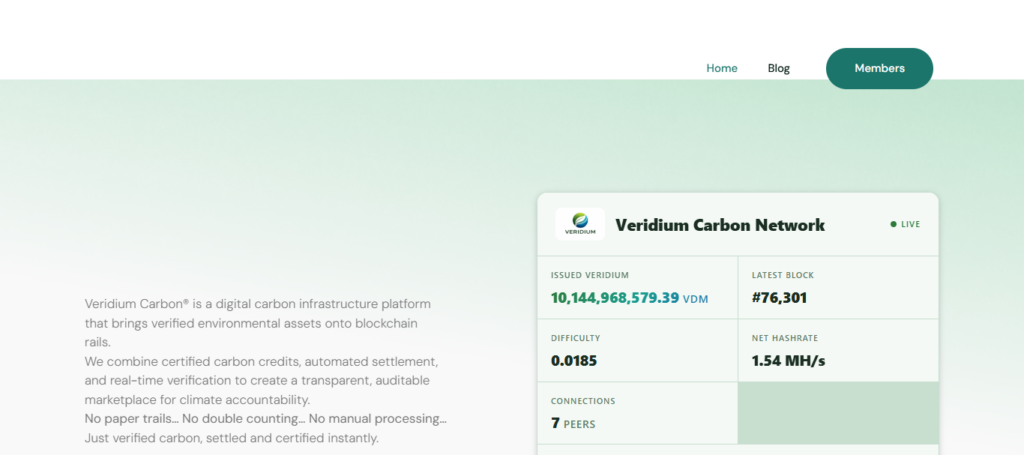
Token Incentive Models Transforming Global Energy Grids are driven by a sustainable mission, and like other models, Veridium aids in providing a stronger financial incentive for emission reduction, and further, for investment in renewable energy and other environmentally sustainable projects.
Veridium Carbon Tokens Features, Advantages & Disadvantages
Features
- Tokenizes verified carbon credits.
- Shows where carbon offsets went.
- Verification is done on the blockchain.
- Supports sustainability.
- Trade carbon credits.
Advantages
- Makes reducing carbon emissions easier.
- Increased clarity in carbon markets.
- Makes carbon credits easier to access.
- Assists corporate sustainable programs.
- Contributes to ecological enhancement.
Disadvantages
- Value of carbon credits is inconsistent.
- Changing regulations affect markets.
- Limited understanding from the general public.
- Verification is often cumbersome.
- Unstable market interest.
7. HydroCoin (HYC)
HydroCoin (HYC) focuses on the promotion of renewable hydroelectric energy. Tokenization and blockchain technology are used to facilitate financial and incentive systems for the purchase of renewable hydroelectric energy. HydroCoin aims to provide a digital ecosystem for investors, energy producers, and other stakeholders focusing on sustainability.

As a model in the Token Incentive Models Transforming Global Energy Grids, HydroCoin funds the construction of clean energy infrastructure by creating a financial incentive to participate in the building of renewable hydroelectric energy.
HydroCoin (HYC) Features, Advantages & Disadvantages
Features
- Only supports hydroelectric energy projects.
- Funds renewable energy.
- Transactions are blockchained.
- Promotes the use of sustainable energy.
- Links energy producers and investors.
Benefits
- Further hydroelectric power.
- Funds renewable energy.
- Sustainable goals are easier to achieve.
- Promotes investments.
- Increases the knowledge surrounding renewable energy.
Disadvantages
- Limited projects.
- Expensive to develop hydropower.
- Limited locations for use.
- Less developed than competitors’ systems.
- Liquidity concerns.
8. Electron Energy Tokens
Electron’s blockchain solutions enable utilities, grid operators, and consumers to better manage the distribution and demand of energy. Through their platform, users can share data, trade flexibilities, and coordinate dispersed energy resources.
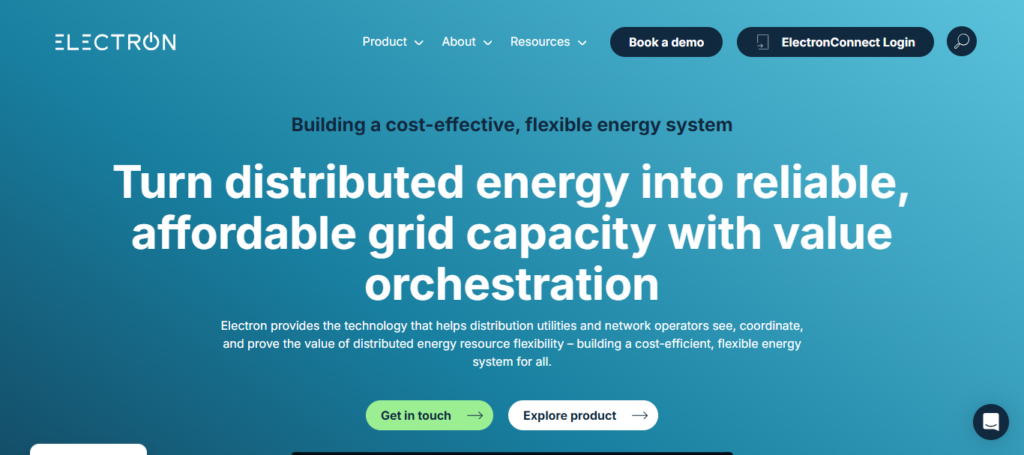
These features cause Electron to be among the new Token Incentive Models Transforming Global Energy Grids. They influence the positive changes to help manage the demand and supply of energy in an optimal way. Incentivized token usage is used to encourage participants to alter their energy usage and support demand response activities.
This makes the electrical network a balanced one that can effectively support the integration of renewable resources. Distributed energy resources serve the purpose of increased grid reliability and lower inefficiencies.
Electron Energy Tokens Features, Advantages & Disadvantages
Features
- Flexible smart energy markets.
- Streamlined grid operations.
- Participation in demand-response.
- Sharing energy information.
- Blockchained operations.
Benefits
- Reliability of the grid.
- Eliminates energy waste.
- Promotes energy flexibility.
- Supports renewables.
- Harmonizes the energy market.
Disadvantages
- Requires advanced grid operations.
- Slow adoption is possible.
- Uncompromising tech.
- Regulatory issues in multiple markets.
- Dependent on utility operations.
9. ImpactPPA Token (MPA)
ImpactPPA Token (MPA) aims to offer blockchain-enabled PPAs to make financing green energy projects easier. ImpactPPA links clean energy project builders to willing investors and businesses or entities that are willing to commit to purchasing their green energy for a given period of time.
ImpactPPA enables financing green energy projects easier by creating energy contracts on the blockchain. It enhances the liquidity of energy purchasing contracts and is one of the unique Token Incentive Models Transforming Global Energy Grids.
The token model encourages stakeholders to take advantage of the clean energy markets. The token model enhances the usability of clean energy markets. It is easier for stakeholders to enter the clean energy markets. Expand the clean energy systems for electricity.
ImpactPPA Token (MPA) Features, Advantages & Disadvantages
Features
- Tokenized PPAs.
- Links renewable projects to investors.
- Contracts are managed transparently.
- Funds energy projects.
- Blockchained verification.
Advantages
- Provides more avenues for renewable investment.
- Makes funding more effective.
- Improves efficiency of contracts.
- Aids growth in the clean energy transition.
- Provides opportunities for international investors.
Disadvantages
- Increased risk around project performance.
- Increased regulation and compliance.
- Low adoption rates.
- Increased reliance on investors.
- Increased risk of token volatility.
10. Energi Token (NRG)
NRG is a blockchain ecosystem built around a decentralized and self-sustaining infrastructure. NRG has a wider scope and can enable other blockchain based applications and services that offer users the ability to manage energy in a decentralized way; and be a participant in community driven projects. NRG has a governance structure that enables users to take part in crucial ecosystem decisions.

Described in more depth in the section Token Incentive Models Transforming Global Energy Grids, Energi shows how blockchain incentives can drive collaboration, transparency, and innovation. The token helps build decentralized systems that can power future energy trade and resource management and sustainability-based applications.
Energi Token (NRG) Features, Advantages & Disadvantages
Features
- Supports decentralized governance
- Provides security infrastructure.
- Supports development of the community.
- Supports transactions of digital assets.
- Supports dApps.
Advantages
- High governance.
- Powerful participation.
- Comprehensive and scalable blockchain system.
- High capacity for advanced applications.
- High scope for decentralization.
Disadvantages
- No focus on energy markets.
- Highly competitive with other larger blockchains.
- High token price risk.
- Adoption is based on system growth.
- High need for continuous development.
Conclusion
Token incentive models are crucial to the enhancement of global energy grids, particularly in relation to the production of renewables, energy trading, and grid efficiency. SolarCoin, Power Ledger, and the Energy Web, among others, are excellent examples of blockchain based, transparent, and decentralized energy systems.
These models create an incentive mechanism for individuals and/or groups of a community to shift practices in line with the demands of a decentralized and sustainable model. As the world pivots to the use of renewable energies, the token solutions create an innovation mechanism for financing and funding a more technologically advanced, sustainable, and eco-friendly energy network.
FAQ
What are token incentive models in the energy sector?
Token incentive models use blockchain-based digital tokens to reward participants for generating renewable energy, reducing energy consumption, trading electricity, or supporting grid efficiency. These incentives encourage greater participation in sustainable energy ecosystems.
How do token incentives help transform global energy grids?
Token incentives promote decentralized energy production, peer-to-peer energy trading, and efficient resource management. By rewarding positive energy behaviors, they help create smarter, more flexible, and environmentally friendly power grids.
What role does blockchain play in energy token systems?
Blockchain provides a secure and transparent platform for recording energy transactions, verifying renewable energy production, and distributing rewards. This reduces the need for intermediaries and increases trust among participants.
Can individuals earn rewards through energy tokens?
Yes. Homeowners, businesses, and renewable energy producers can earn tokens by generating clean energy, selling excess electricity, participating in demand-response programs, or supporting energy efficiency initiatives.