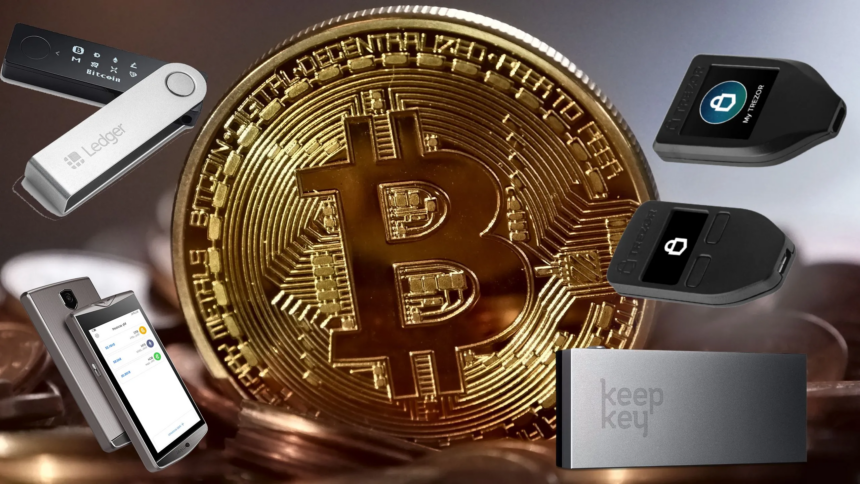

In this article despite the recent best buy with the cheapest hardware wallet that you have now, I will explain how fast is evolving crypto security and why your crypto holding in a cold storage might be already useless.
- What Is a Hardware Wallet?
- Why Your Hardware Wallet May Be Obsolete
- Rise of Smart Contract Wallets
- Multi-Party Computation (MPC) Security
- Account Abstraction Technology
- Social Recovery Features
- Improved Mobile Secure Enclaves
- Seamless DeFi and Web3 Integration
- Cloud-Assisted Self-Custody Solutions
- Are Hardware Wallets Truly Becoming Obsolete?
- Major Limitations of Hardware Wallets
- Complex Setup Process
- Risk of Physical Loss or Damage | The External Risks
- Seed Phrase Vulnerability
- Limited Convenience for Daily Use
- Poor Mobile and Web3 Compatibility
- Higher Initial Cost
- Firmware Update Risks
- Single Point of Failure
- Not Beginner-Friendly
- Limited Recovery Flexibility
- Rise of Smart Wallets and Account Abstraction
- Password-Like Crypto Access
- Account Abstraction Simplifies Wallet Design
- Gas Fee Flexibility
- Programmable Security Controls
- Social Recovery Mechanisms
- Seamless Web3 and DeFi Interaction
- Automation and Smart Transactions
- Improved User Experience
- Enhanced Security Without Hardware Devices
- Foundation for Mass Crypto Adoption
- AI and Advanced Security Innovations
- Emerging Technologies Replacing Hardware Wallets
- Smart Contract Wallets
- Multi-Party Computation (MPC) Wallets
- Account Abstraction Wallets
- Social Recovery Systems
- Biometric Authentication Security
- Secure Enclave Mobile Wallets
- Cloud-Assisted Self-Custody
- AI-Powered Fraud Detection
- Decentralized Identity (DID) Integration
- Regulatory and Compliance Changes
- Stronger Global Crypto Regulations
- Mandatory KYC and AML Requirements
- Institutional Custody Standards
- Travel Rule Compliance
- Tax Reporting Integration
- Licensed Digital Asset Service Providers
- Consumer Protection Laws
- Enterprise Security Certification Requirements
- Integration with Traditional Financial Systems
- Future of Crypto Self-Custody (2026 and Beyond)
- Conclusion
- FAQ
The traditional class of hardware wallets is only going to find itself increasingly challenged by the growing popularity of smart wallets, MPC technology and account abstraction.
Familiarizing oneself with these advancements will aid crypto users in future proofing themselves for secure, convenient and advanced digital asset self-custody solutions.
What Is a Hardware Wallet?
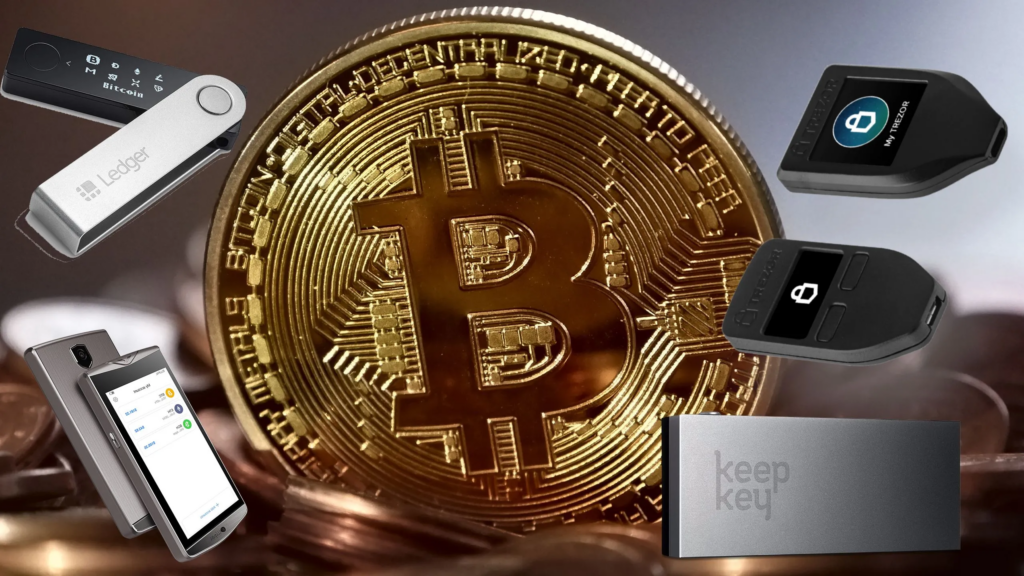
A hardware wallet is a physical device where you can store your cryptocurrency private keys offline securely to protect them from online threats like hacking, malware and phishing attacks. In stark contrast to software wallets which connect online, a hardware wallet is one that stores data in cold storage and signs a transaction within the device and never exposes you to your key.
Users only connect the wallet to a computer or mobile device when approving transactions. Hardware wallets typically offer PIN protection, recovery seed phrases and encryption. They are the most often utilized by people who put long term investments in, and want full access to their funds as well as security.
Why Your Hardware Wallet May Be Obsolete
Rise of Smart Contract Wallets
Smart wallets are designed to eliminate seed phrases and introduce programmable security, automatic recovery, and customizable permissions that make crypto storage more convenient and secure than existing hardware wallets.
Multi-Party Computation (MPC) Security
MPC wallets allow splitting privately held keys into multiple parts that are encrypted and stored across devices or servers so if one device is compromised no loss of funds occurs even then unlike hardware wallets which have a single point of failure.
Account Abstraction Technology
Instead of complex private key management, users can access wallets like regular apps using biometrics, passkeys or even email login.
Social Recovery Features
We call this decentralized recovery, and it has replaced insecure backup seed phrases commonly used in hardware wallets by enabling trusted contacts or devices to restore access.
Improved Mobile Secure Enclaves
Today, many smartphones are equipped with sophisticated, hardware-level security chips that can offer a level of protection on par with dedicated hardware devices.
Seamless DeFi and Web3 Integration
Hardware wallets are notoriously laggy when it comes to quick DeFi trades, NFT minting, and dApps —While next gen wallets come with Web3 integrations right out of the box.
Cloud-Assisted Self-Custody Solutions
This is critical because making encrypted cloud backup and distributed key storage significantly reduces the risk of either losing funds due to lost hardware devices or having been damaged.
Are Hardware Wallets Truly Becoming Obsolete?
Hardware wallets are not going away, but their place is shifting as newer crypto security technologies come to market. Smart wallets are great for convenience; MPC solutions and account abstraction make recovery a lot easier, but hardware wallets are still the best option for long-term offline safeguarding.
Despite the security risks associated with cold storage, many investors still rely on it to protect large crypto holdings from online attacks. Rather than vanish, hardware wallets could also become elements of hybrid security models that merge traditional offline protection with the modern usability features.
In 2026, they will probably still be appropriate for high-security requirements but borderline unnecessary for most crypto users.
Major Limitations of Hardware Wallets
Complex Setup Process
The API procedure is as voting, the steps of undoing hardware wallets set up your devices initialize downloading and install firmware creating click to set up a pin generating backup sequences that can be scary for any new crypto applicants
Risk of Physical Loss or Damage | The External Risks
Being a physical asset, one can lose or break the wallet easily and face serious access issues in case recovery information is not safely stored.
Seed Phrase Vulnerability
You have to write down and securely store recovery phrases. If someone gets their hands on the seed phrase or can replicate it, they can access funds without the device.
Limited Convenience for Daily Use
A hardware wallet is a more complex device where users have to connect the device and manually confirm each transaction, making hardware wallets less suitable for frequent trading or DeFi activity.
Poor Mobile and Web3 Compatibility
Many hardware wallets do not integrate seamlessly between Dapps, NFT platforms, and mobile-first Web3.
Higher Initial Cost
This will require you to purchase dedicated devices (hardware wallets) while software or mobile wallets are provides for free, which may discourage the new users.
Firmware Update Risks
Users need to frequently update firmware in order to ensure security, and if done incorrectly the updates can lock access for a short time or lead to technical issues.
Single Point of Failure
While it will be safe from invasion while offline, having all your eggs in one basket brings risks if this physical device malfunctions or is lost and backups are destroyed.
Not Beginner-Friendly
The need to comprehend private keys, backups and transaction signing sets up a learning curve that hinders mainstream crypto adoption.
Limited Recovery Flexibility
Unlike their modern smart wallet counterparts, which use social recovery or MPC technology, legacy hardware wallets rely solely on the seed phrase for account recovery.
Rise of Smart Wallets and Account Abstraction
Password-Like Crypto Access
Smart wallets enable user authentication via passkeys, biometrics, or email-based login, eliminating the hassle of complex private keys or seed phrase management.
Account Abstraction Simplifies Wallet Design
Account abstraction turns crypto wallets into programmable accounts, allowing flexible transaction rules and increased usability comparable to traditional financial apps.
Gas Fee Flexibility
Users may pay gas fees in various tokens or even permit third parties to cover transaction costs, enhancing onboarding for new crypto users.
Programmable Security Controls
Smart wallets provide advanced security features beyond hardware wallets, such as spending limits with user approval, multi-signature verification, and time-locked transfers.
Social Recovery Mechanisms
Account abstraction allows trusted contacts or devices to aid in wallet restoration securely without revealing private keys.
Seamless Web3 and DeFi Interaction
They also make signing transactions with dApps, NFTs and DeFi platforms more efficient, as they are integrated directly into the smart wallets which does not need any additional signing device.
Automation and Smart Transactions
The built-in smart contract logic is used to schedule payments, automate token swaps or set up recurring transactions.
Improved User Experience
The wallet experience turns mobile-first, app-like; the technical barriers that held back mass crypto adoption are lowered →
Enhanced Security Without Hardware Devices
No need for hardware wallets; new authentication systems and remote key management provide sufficient security.
Foundation for Mass Crypto Adoption
Smart wallets and account abstraction are bringing together usability, automation, and high-grade security to help make crypto a more inclusive financial ecosystem.
AI and Advanced Security Innovations
Cryptocurrency wallets are evolving to new heights with AI and security innovations. Modern wallet systems leverage artificial intelligent (AI)- algorithms to monitor user behavior, identify any irregular transaction activity, and prevent unscrupulous transactions from occurring in real-time.
Machine-learning algorithms can also detect phishing attempts, unauthorized access and fraud risk ahead of fund transfers. Advanced security also incorporates biometric authentication, behavioral verification and automated risk scoring to enhance protection without adding complex manual intervention steps.
These systems have been learned more between each other and are constantly learning how to help users be secure in the environment, not only providing solutions beyond hardware wallets but also better crypto management for our users.
Emerging Technologies Replacing Hardware Wallets
Smart Contract Wallets
Smart wallets manage assets via programmable blockchain contracts which support put into place capabilities such as automated security rules, spending ceilings and password-style access without needing to manually manage private keys.
Multi-Party Computation (MPC) Wallets
With MPC technology, private keys are split into encrypted shares that are distributed over multiple devices or servers, minimizing the chance of theft or loss from a single compromised device.
Account Abstraction Wallets
Instead, thanks to account abstraction, wallets can act like normal apps that let you log in with passkeys or regular biometrics as well as email, removing the need for seed phrases and hardware signing devices.
Social Recovery Systems
Instead of recovery phrases used with hardware wallets, users can set trusted contacts or secondary devices to recover access to their wallets safely.
Biometric Authentication Security
Fingerprint scanning, facial recognition, and behavioral authentication offer a high degree of identity verification seamlessly integrated within a wallet making it modern.
Secure Enclave Mobile Wallets
Modern smartphones are equipped with hardware-level secure elements that securely save cryptographic keys, providing a security level resembling dedicated hardware wallets.
Cloud-Assisted Self-Custody
Utilizing encrypted, decentralized cloud backups, wallet credentials are secured while preserving user control (erasing dependency on a single physical device).
AI-Powered Fraud Detection
Such advanced wallets employ artificial intelligence to constantly monitor transaction history, identify suspicious activity and block unauthorized transfers in real time.
Decentralized Identity (DID) Integration
By using the identity system, a private key that is only given to a wallet (but not known) can be used for secure detection without exposing it, making access and recovery easier.
Regulatory and Compliance Changes
Stronger Global Crypto Regulations
Authorities around the globe are defining clearer regulations for crypto custody, trading and wallet services to enhance investor safeguards and combat financial crime.
Mandatory KYC and AML Requirements
With wallet providers and exchanges adopting more rigorous Know Your Customer (KYC) and Anti-Money Laundering (AML) checks, the way that wallets approach identity verification is changing.
Institutional Custody Standards
Given financial institutions stepping into the crypto markets, regulated custody solutions featuring audit trails, insurance coverage and compliance reporting capacity are necessary above traditional hardware wallets.
Travel Rule Compliance
Regulatory frameworks necessitate that service providers share transaction information with each other, and thus wallet technology is evolving towards compliance built in.
Tax Reporting Integration
Many modern wallets are integrating automated transaction tracking and tax reporting tools to assist users in satisfying the increasing cryptocurrency taxation requirements.
Licensed Digital Asset Service Providers
With governments issuing licensed crypto custodians, users are being told by officials to adopt regulated custody platforms over stand alone devices.
Consumer Protection Laws
Regulations now target the prevention of scams, transparency in wallet operations, and improved recovery mechanisms for misplaced or misappropriated assets.
Enterprise Security Certification Requirements
Wallet infrastructure providers are starting to require compliance standards like security audits and certification programs.
Integration with Traditional Financial Systems
Such regulatory clarity has opened doors to banks using (and fintech companies integrating) crypto wallets in their offerings for mainstream financial services.
Future of Crypto Self-Custody (2026 and Beyond)
The future of crypto self-custody will, beyond 2026, orient toward security systems which are simpler, smarter and thus more invisible. Going forward, users won’t have to worry about private keys, seed phrases, or device hardware anymore.
Smart wallets, account abstraction and decentralized identity as well as Multi-Party Computation will allow passwordless access, automated recovery, and cross-device wallet synchronization. Security will run in the background, utilizing biometrics, AI monitoring and encrypted cloud-assisted backups while users maintain control of their assets.
Self-custody will go mainstream as usability makes it even easier to experience institution-grade protection and the second coming of self-custodied wealth for newbies and experienced crypto users alike.
Conclusion
Hardware wallets may have been the king of crypto security for years, but wallet innovation is reshaping the landscape of protecting digital assets. Such innovations like smart wallets, account abstraction, security via MPC mechanism and AI-based watchtowers are beginning to provide secure and user-friendly access to crypto without demanding physical devices.
Hardware wallets are likely to stay useful for users who only need cold storage with maximal security, but might no longer be a requirement for everyday users. As crypto adoption increases, security is rapidly migrating toward seamless and intelligent self-custody solutions that offers advanced protection without the complexity, marking a new era when compared to old hardware wallets.
FAQ
Why might hardware wallets become obsolete by 2026?
New technologies like smart wallets, Multi-Party Computation (MPC), and account abstraction offer stronger security, easier recovery options, and better usability, reducing the need for dedicated hardware devices.
Are hardware wallets still safe to use?
Yes, hardware wallets remain highly secure for long-term cold storage. However, newer wallet solutions provide similar protection with improved convenience and accessibility.
What technologies are replacing hardware wallets?
Smart contract wallets, MPC wallets, biometric authentication, social recovery systems, and AI-powered security tools are emerging as modern alternatives to traditional hardware wallets.
What is account abstraction and why is it important?
Account abstraction allows crypto wallets to function like regular apps, enabling login through passkeys, biometrics, or email instead of managing complex private keys or seed phrases.