
This paper examines Web3 Loyalty Programs Using Liquid NFT Rewards Instead. I will focus on the way blockchain technology re-imagines customer interactions. Liquid NFTs integrate dimension, liquidity, and transparency into rewards.
- Key Point & Web3 Loyalty Programs Using Liquid NFT Rewards Instead
- 1. Starbucks Odyssey
- Starbucks Odyssey
- 2. Louis Vuitton VIA
- Louis Vuitton VIA
- 3. Gucci Vault
- Gucci Vault
- 4. Red Bull Web3 Loyalty
- Red Bull Web3 Loyalty
- 5. Coca‑Cola NFT Moments
- Coca-Cola NFT Moments
- 6. McDonald’s NFT Loyalty
- McDonald’s NFT Loyalty
- 7. Amazon NFT Rewards
- Amazon NFT Rewards
- 8. Sephora Web3 Beauty Pass
- Sephora Web3 Beauty Pass
- 9. Samsung Galaxy Club
- Samsung Galaxy Club
- 10. Airbnb NFT Loyalty
- Airbnb NFT Loyalty
- Conclusion
- FAQ
As a result, rewards possess a longer shelf life. Programs that utilize this technology encourage companies to construct and cultivate their communities. Even more importantly, customers are able to maintain, and are rewarded for, their loyalty in a decentralized system.
Key Point & Web3 Loyalty Programs Using Liquid NFT Rewards Instead
| Web3 Loyalty Program | Key Points |
|---|---|
| Starbucks Odyssey | • A Web3 loyalty experience by Starbucks that combines rewards with NFT-based digital collectibles.• Customers can earn “Journey Stamps” through interactive activities and purchases.• Provides exclusive benefits, member experiences, and community engagement.• Uses blockchain technology to enhance traditional loyalty programs.• Creates stronger customer relationships through digital ownership. |
| Louis Vuitton VIA | • A luxury Web3 membership program offering NFT-based digital collectibles.• Provides exclusive access to limited products, events, and brand experiences.• Connects physical luxury goods with blockchain-based ownership.• Builds deeper relationships with high-value customers.• Uses digital assets to create personalized luxury experiences. |
| Gucci Vault | • A Web3 platform blending Gucci fashion, NFTs, and digital collectibles.• Offers exclusive NFT drops, virtual experiences, and limited-edition items.• Connects Gucci’s heritage with Web3 communities.• Supports digital ownership and collector engagement.• Helps attract younger luxury consumers through blockchain innovation. |
| Red Bull Web3 Loyalty | • Uses Web3 concepts to create deeper fan engagement and rewards.• Offers digital collectibles and exclusive experiences for communities.• Connects sports, entertainment, and blockchain-based interactions.• Encourages long-term customer loyalty beyond traditional rewards.• Creates new ways for fans to interact with the brand. |
| Coca-Cola NFT Moments | • A digital collectible program using NFTs to engage global customers.• Offers limited-edition NFT artwork and brand experiences.• Builds emotional connections through collectible rewards.• Combines Coca-Cola branding with blockchain ownership.• Helps create community-driven marketing campaigns. |
| McDonald’s NFT Loyalty | • Explores NFT-based rewards and digital collectibles for customers.• Uses blockchain concepts to enhance customer engagement.• Creates interactive campaigns around special events and promotions.• Provides new digital experiences beyond traditional coupons.• Helps attract tech-focused and younger audiences. |
| Amazon NFT Rewards | • Focuses on integrating digital collectibles with customer loyalty strategies.• Could connect shopping rewards with blockchain-based assets.• Enables personalized customer experiences through digital ownership.• Supports future loyalty models beyond standard points systems.• Creates opportunities for exclusive digital benefits. |
| Sephora Web3 Beauty Pass | • Combines beauty rewards with Web3 experiences and digital assets.• Offers personalized engagement through blockchain-based memberships.• Enhances customer loyalty with exclusive beauty experiences.• Encourages community interaction among beauty enthusiasts.• Creates new ways to reward brand advocates. |
| Samsung Galaxy Club | • Uses digital membership concepts to reward loyal customers.• Can integrate blockchain-based rewards and exclusive benefits.• Connects device ownership with premium experiences.• Builds stronger customer communities around Samsung products.• Supports future digital loyalty ecosystems. |
| Airbnb NFT Loyalty | • Explores NFT-based membership and travel reward possibilities.• Could provide unique digital collectibles linked to travel experiences.• Creates new models for customer retention and engagement.• Connects travelers through digital communities.• Supports personalized rewards beyond traditional loyalty points. |
1. Starbucks Odyssey
Starbucks Odyssey is a new type of customer loyalty program that uses blockchain, digital collectibles, and customer engagement. The traditional type of reward points do not apply with this program.
Instead, members earn NFT-based “Journey Stamps” through purchasing, participating, and completing activities. Unlike traditional loyalty programs, Starbucks customers “own” digital assets because the customers trade the Journey Stamps for benefits.

Starbucks uses “Liquid” NFT rewards in place of traditional loyalty points in order to build a stronger community through digital assets.
The members of the program earn value through the digital assets. The customer engagement is further enhanced from the use of gamification, personalization, and member-based programs that use blockchain.
Starbucks Odyssey
Features:
- Replaces rewards points with NFT-based digital collectible assets.
- Customers earn Journey Stamps through purchases, participation in activities, and engagement with brand through interactive experiences.
- Offers rewards and events that are exclusive and tailored benefits.
- Merges Starbucks Rewards with owner-verified blockchain assets.
- Uses gamification for increased customer engagement and involvement with the community.
Pros:
- Fosters customer loyalty through digital experiences and engagement.
- Offers NFT rewards, unlike traditional loyalty programs.
- Interactive member challenges promote incremental purchases.
- Establishes a Web3 community exclusive to Starbucks.
- Provides unique rewards for program participants.
Cons:
- Customers are required to have an understanding of blockchain and NFTs.
- Programs may be adopted infrequently due to the non-Web3 customer base.
- Digital assets may lose utility and value.
- Transactions may introduce an unneeded layer of complexity.
- Innovation is needed for the maintenance of an NFT ecosystem.
2. Louis Vuitton VIA
Louis Vuitton VIA is a luxury Web3 loyalty program that integrates NFTs and digital membership for access to exclusive events and products. NFTs represent membership and ownership of luxury items, experiences, and events.
Unlike traditional loyalty programs, which depend on point accumulation, NFTs as rewards system of loyalty and collectors value.
Web3 Loyalty Programs Using Liquid NFTs Instead of standard loyalty points help luxury brands create deeper relationships with premium customers. This program bridges fashion, technology, and tailored experiences for NFT collectors and luxury brand enthusiasts worldwide.
Louis Vuitton VIA
Features:
- NFT memberships that allow luxury customers to access exclusive products and experience.
- Digital collectibles representing Louis Vuitton’s brand narrative.
- Merges physical luxury items with blockchain verified ownership.
- VIP treatment and releases and extra privileges.
- Creates community exclusively for luxury customers and products.
Pros:
- Further enhances customer loyalty for luxury brands.
- NFT membership assures authenticity and ownership.
- Experiences are tailored for each individual luxury customer.
- Connections between digital luxury and physical luxury are further enhanced.
- Attracts more young luxury buyers using Web3.
Cons:
- Targets mainly premium clients and has limited accessibility.
- Volatile pricing within the NFT market.
- Customers must learn to maintain digital wallets.
- Luxury buyers who are not familiar with the market have high barriers to entry.
- Requires constant exclusive products to maintain clientele.
3. Gucci Vault
Gucci Vault is Gucci’s Web3 practical combination of fashion with NFTs and digital collectibles and blockchain tools. Users can interact with special digital offerings, NFT collections, and digital opportunities tied to Gucci’s legacy.
Conventional loyalty points are, to a degree, inflexible, while NFT loyalty points have ownership and collectible status. Web3 Loyalty Programs Utilizing Liquid NFT Rewards Rather than point-based systems, loyalty programs design communities and digital engagement for customers.
Gucci Vault provides an illustration in the luxury sector of the possible applications of blockchain technology to create engagement strategies for communicating with younger audiences.
Gucci Vault
Features:
- Web3 platform combining fashion, NFTs, and digital collectibles.
- Offers limited-edition NFT drops and virtual experiences.
- Connects Gucci heritage with blockchain technology.
- Provides access to exclusive digital fashion products.
- Builds communities around digital ownership and creativity.
Pros:
- Helps Gucci attract younger digital-focused audiences.
- Creates new revenue opportunities through digital assets.
- Strengthens brand engagement through collectibles.
- Provides transparent ownership verification.
- Encourages community participation.
Cons:
- NFT demand can fluctuate with market trends.
- Requires blockchain knowledge from users.
- Digital fashion adoption is still developing.
- Maintaining exclusivity can be challenging.
- Some customers may prefer traditional luxury experiences.
4. Red Bull Web3 Loyalty
Red Bull Web3 Loyalty aims to enhance customer experience using blockchain technology to provide customers and fans with digital incentives. Using NFTs, brands now have the ability to present customers, sports fans, and community members with online digital collectibles and unique access gifts and experiences.

The difference between NFTs and traditional customer loyalty is that NFTs don’t simply reward customers with points that can be redeemed. NFTs allow customers to possess digital assets uniquely.
Web3 Loyalty Programs Using Liquid NFTs Rather than traditional rewards, the use of Liquid NFTs allows brands to reward participation within the community and be creative. With Red Bull’s Web3 approach, it is evident that entertainment and lifestyle brands have the ability to foster long-lasting relationships within the brand community.
Red Bull Web3 Loyalty
Features:
- Uses blockchain rewards to improve fan engagement.
- Provides digital collectibles and exclusive community experiences.
- Connects sports, entertainment, and Web3 technology.
- Rewards participation beyond traditional purchases.
- Creates interactive experiences for global fans.
Pros:
- Builds stronger relationships with sports communities.
- Encourages fan participation and brand interaction.
- Creates new digital marketing opportunities.
- Offers unique experiences beyond physical products.
- Supports community-driven loyalty strategies.
Cons:
- NFT adoption among mainstream fans may be slow.
- Requires education about digital assets.
- Reward value depends on community demand.
- Blockchain infrastructure can increase complexity.
- Long-term engagement needs regular updates.
5. Coca‑Cola NFT Moments
Coca-Cola NFT Moments offers blockchain-based fanfare to help their customers ‘Own the Moment’ with Coca-Cola NFT Moments collectibles. NFT campaigns have unique illustrations, limited-edition collectibles, and memorable civilities at events. Loyalty points, usually stay confined to the company’s ecosystem.
NFT rewards have greater digital values. Web3 Loyalty Programs Use Liquid NFT Rewards Instead of Standard Customer Points are helping Coca-Cola engage a more global audience.
Liquid NFT Rewards help expand Coca-Cola’s engagement across a global audience. Additionally, by employing blockchain technology along with their trademark imaging, Coca-Cola proves the effectiveness of digital collectibles as strategies for their audience retention and community growth.
Coca-Cola NFT Moments
Features:
- Offers customers blockchain digital collectibles.
- Sells NFTs with campaigns and experiences.
- Merges Coca-Cola efforts with Web3.
- Digital memories for fans.
- New channel for customer experience.
Pros:
- Builds on marketing outside of advertising.
- Animals feelings with digital collectibles.
- Grows customers who are digital focused.
- Digital assets are owned and traded.
- Allows more flexible marketing.
Cons:
- Customers may lose interest in NFTs.
- Digital collectibles may be hard to understand.
- Low value added compared to physical items.
- Interest may dwindle without new marketing.
- May be costly to use blockchain.
6. McDonald’s NFT Loyalty
McDonald’s NFT Loyalty examines customer relationship management via blockchain technology for loyalty programs that feature digital rewards and collectibles. Incorporating NFTs into loyalty systems means McDonald’s customers will receive unique digital assets instead of coupons and reward points.

As opposed to traditional loyalty points, Web3 loyalty programs offer customers the opportunity to collect and own their rewards.
The application of Web3 for McDonald’s shows that global food brands can create customer loyalty programs and improve the brand’s interaction and engagement by using digital assets, game elements, and a community focus.
McDonald’s NFT Loyalty
Features:
- Uses digital customer rewards as NFTs.
- Offers collectibles for promotions.
- Experiences are digital and built on the chain.
- Combines food and digital loyalty.
- Previews customer rewards of the future.
Pros:
- Encourages younger, tech-centric customers.
- Rewards customer promotions in an unprecedented way.
- Engages customers through digital assets.
- Fortifies digital communities.
- Creates new promotional loyalty rewards.
Cons:
- NFT rewards may be of little use.
- May lose value as a digital collectible.
- Consumers may prefer traditional rewards.
- Engaging customers is not guaranteed.
- Infrastructure for blockchain is costly.
7. Amazon NFT Rewards
Amazon NFT Rewards reimagines digital loyalty programs by melding e-commerce with blockchain technology. Traditional shopping points could be supplemented with digital collectibles, membership tokens, and other similarly decentralized rewards.
Web3 Loyalty Programs Using Liquid NFT Rewards Customers experience a better sense of ownership with more versatile rewards. Thanks to the size of Amazon’s clientele, a loyalty program integrating blockchain technology with customer purchases and digital assets becomes increasingly more viable.
NFT rewards systems introduce a new era of shopping by creating versatile, valuable, and unprecedented loyalty program features.
Amazon NFT Rewards
Features:
- Merges e-commerce incentives and blockchain rewards.
- Potentially offers linked digital shopping collectibles.
- Focuses on developing targeted rewards and memberships.
- Builds digital ownership opportunities.
- Integrates shopping with Web3.
Pros:
- Huge customer potential for high usage.
- Tailored shopping experiences.
- Alternative to shopping rewards.
- Introduces digital memberships.
- Encourages repeat business.
Cons:
- User friendly design for mass adoption.
- NFT laws could cause issues.
- Rewards could lose value.
- Potential preference for no-frills.
- Hard to implement.
8. Sephora Web3 Beauty Pass
Sephora Web3 Beauty Pass aims to merge beauty communities, digital identities, and blockchain rewards. The program helps customers gain access to exclusive experiences, digital assets, and singing beauty benefits through the use of Web3. NFT rewards, unlike points in conventional loyalty programs, do not expire.

Web3 Loyalty Programs NFT Rewards Sephora’s beauty points encourage a greater brand and customer relationship. Web3 strategies implemented by Sephora provide a beauty industry example of utilizing blockchain technology for community engagement, rewarding customer interactions, and providing experiences outside of conventional shopping.
Sephora Web3 Beauty Pass
Features:
- Combines loyalty rewards in the beauty space and blockchain.
- Offers tailored digital memberships and experiences.
- Uses Web3 to connect engagement with beauty.
- Uses NFTs for premium and collectible rewards.
Pros:
- Builds loyalty and deeper relationships with beauty customers.
- Promotes participation in the community.
- Utilizes personalized strategies for marketing.
- Engages with trailblazing digital environments.
- Supports Sephora’s differentiating loyalty ecosystem.
Cons:
- Rewards and NFT technology may not be of interest in beauty.
- Consumer understanding of Web3 will be required.
- Digital assets will need to maintain value.
- Shopping customers may be disinterested.
- Complex to operate for a digital membership.
9. Samsung Galaxy Club
Samsung Galaxy Club embodies a digital membership model that combines device ownership, consumer engagement, and tailored advantages. Through the application of Web3, Samsung could implement NFT-based incentives to offer users the accessibility of exclusive digital collectibles, high-end experiences, and community-centric engagement.

Typical loyalty points are non-unique and untradeable, whereas NFTs can create unambiguous digital ownership and digital identity.
Web3 loyalty systems utilizing Liquid NFTs offer technology companies the opportunity to build more robust ecosystems around their products. Samsung’s Web3 loyalty systems create new market relationships influenced by the Liquid NFTs and blockchain technology.
Samsung Galaxy Club
Features:
- Digital membership concept connected with Samsung products.
- Can integrate NFT rewards with device ownership.
- Provides exclusive benefits for loyal customers.
- Connects technology users through digital communities.
- Supports future blockchain-based customer experiences.
Pros:
- Strengthens loyalty among Samsung users.
- Creates premium ownership experiences.
- Encourages ecosystem engagement.
- Supports personalized customer rewards.
- Connects physical products with digital assets.
Cons:
- Requires users to adopt Web3 technology.
- Digital rewards may not appeal to all customers.
- Benefits depend on ecosystem development.
- Blockchain integration may increase complexity.
- Competes with traditional loyalty programs.
10. Airbnb NFT Loyalty
Airbnb NFT Loyalty imagines a new way of rewarding travelers using blockchain technology. Instead of earning points that can be spent on different rewards, travelers will earn something that represents digital ownership.
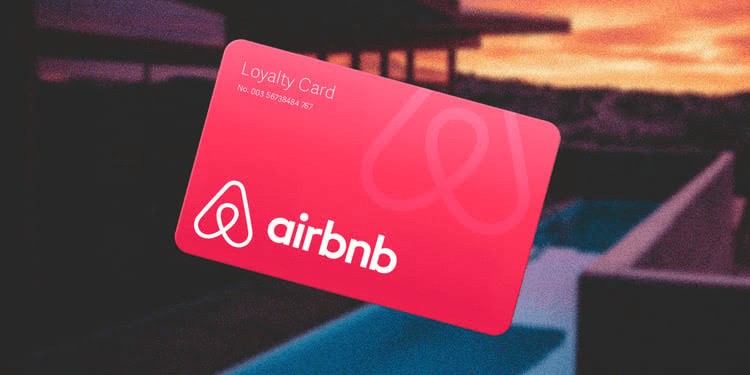
NFT rewards could give travelers extra experiences, collectible memorabilia, special memberships, and access to communities. Furthermore, NFTs could depict a traveler’s unique profile, history, and status unlike traditional reward systems that are limited to generic points and rewards.
Web3 Loyalty Programs Using Liquid NFT Rewards The consumer interaction and travel flexibility are enhanced with this system great deal. An example of how travel companies can build a travel community with personalized rewards using blockchain technology is Airbnb’s innovative Web3 prototype.
Airbnb NFT Loyalty
Features:
- Uses NFTs for travel-based loyalty experiences.
- Can provide digital travel collectibles and memberships.
- Connects customer journeys with blockchain rewards.
- Creates personalized travel experiences.
- Offers alternatives to traditional travel points.
Pros:
- Creates memorable digital travel experiences.
- Builds stronger traveler communities.
- Provides unique reward opportunities.
- Supports personalized customer engagement.
- Could improve long-term customer retention.
Cons:
- Travel users may prefer traditional discounts.
- NFT utility needs clear real-world benefits.
- Blockchain adoption among travelers may be limited.
- Market value of digital assets can change.
- Requires strong security and user education.
Conclusion
Compared to outdated loyalty schemes, liquid NFTs add space for brands to develop customer loyalty in addition to rewards that create digital ownership and community building.
Brands such as Starbucks, Gucci, Louis Vuitton, and Coca Cola are choosing to use loyalty schemes based on the sale of NFTs to provide customers with experiences, benefits, and collectibles. Liquid NFTs differ from traditional loyalty points in that traditional loyalty points become paper currency, while liquid NFTs become collectibles throughout the digital space.
With the adoption of blockchain technology and Web3 further advanced, loyalty points based on NFTs will become the primary way of developing a greater customer base, a more loyal customer base, and a lifetime customer base.
FAQ
What Are Web3 Loyalty Programs Using Liquid NFT Rewards Instead of Points?
Web3 Loyalty Programs Using Liquid NFT Rewards Instead of traditional points are blockchain-powered customer reward systems where users receive NFTs as rewards rather than standard loyalty points. These digital assets provide ownership, transparency, and additional utility, allowing customers to collect, use, trade, or unlock exclusive experiences. Brands use NFT-based rewards to create stronger customer relationships and build active communities.
How Do Liquid NFT Rewards Work in Loyalty Programs?
Liquid NFT rewards work by issuing blockchain-based digital assets that represent memberships, achievements, collectibles, or exclusive benefits. Customers can earn NFTs through purchases, participation, referrals, or brand activities. Unlike traditional points that exist only inside a company’s database, NFTs provide verifiable ownership and can offer long-term value through digital ecosystems, marketplaces, and special brand experiences.
Why Are Brands Replacing Traditional Loyalty Points With NFTs?
Brands are replacing traditional loyalty points with NFTs because digital assets provide better engagement, personalization, and ownership. Traditional points often have limited usage and remain controlled by the company. NFTs allow customers to own unique rewards, participate in communities, access exclusive events, and develop stronger emotional connections with brands through blockchain technology.
What Are the Benefits of Web3 Loyalty Programs for Customers?
Web3 loyalty programs provide customers with several benefits, including true ownership of rewards, exclusive access, personalized experiences, and digital collectibles. NFT rewards can represent membership status, achievements, or special privileges. Customers also gain more transparency because blockchain records verify ownership and reward history.