



The best cryptocurrency exchanges for arbitrage traders will be covered in this post, along with an explanation of how the appropriate platform may optimize profits from price variations between marketplaces.
- Why Choose Crypto Exchanges for Arbitrage Traders
- Excellent Market Depth
- Minimal Trading Costs
- Broad Range of Cryptocurrency
- Quick Trading
- Price Monitoring and Trade Execution
- International Market Access
- Robust Security
- Diverse Payment Methods
- Key point & Best Crypto Exchanges for Arbitrage Traders
- 1. Bybit
- Bybit Features, Pros & Cons
- 2. Bitget
- Bitget Features, Pros & Cons
- 3. MEXC Global
- MexC Global Features, Pros & Cons
- 4. Gate.io
- Gate.io Features, Pros & Cons
- 5. KuCoin
- KuCoin Features, Pros & Cons
- 6. Kraken
- Kraken Features, Pros & Cons
- 7. Huobi (HTX)
- Huobi (HTX) Features, Pros & Cons
- 8. Binance
- Binance Features, Pros & Cons
- 9. OKX
- OKX Features, Pros & Cons
- 10. Gemini ActiveTrader
- Gemini ActiveTrader Features, Pros & Cons
- Comparison table
- Conclusion
- FAQ
Low fees, high liquidity, quick execution, and robust security are necessary for arbitrage trading. In turbulent cryptocurrency markets, selecting the appropriate exchange is crucial for seizing fleeting chances and lowering risks.
Why Choose Crypto Exchanges for Arbitrage Traders
Excellent Market Depth
Leading crypto exchanges feature vast order books and elevated trading activity. Arbitrage traders profit from the ability to quickly execute large buy and sell orders with minimal market slippage.
Minimal Trading Costs
Because the profit from arbitrage trading is usually negligible, using exchanges with low maker and taker fees are ideal to help traders keep more of their profit post_trade and post-withdraw.
Broad Range of Cryptocurrency
More listed coins result in greater price variance between individual exchanges. Increased trading pairs also increased opportunity to trade until the market becomes balanced.
Quick Trading
Every second matters in arbitrage trading. Fast trading infrastructure and prompt order execution keep brief trading opportunities available.
Price Monitoring and Trade Execution
Most large exchanges enable trading with bots and automated systems to execute trades at fractions of a second.
International Market Access
An arbitrage trading opportunity may exist due to a discrepancy between supply and demand in two different global regions. Large exchanges have more international customers and therefore more global pricing and demand.
Robust Security
Ensured safety measures against hacks or frozen withdrawal features help keep arbitrage traders’ funds secure because they often have money on several different platforms at once.
Diverse Payment Methods
Instant withdrawals and stablecoin deposits are multiple blockchain deposit/withdrawal options at your disposal for efficient funding to improve your arbitrage trading speed.
Key point & Best Crypto Exchanges for Arbitrage Traders
| Platform | Key Point |
|---|---|
| Bybit | Strong derivatives trading platform with high liquidity, advanced charting tools, and competitive leverage options for shorting BTC and altcoins. |
| Bitget | Known for copy trading features, allowing users to follow professional traders while offering solid futures and margin trading options. |
| MEXC Global | Offers a wide selection of altcoins and high leverage futures trading with relatively low trading fees. |
| Gate.io | Provides extensive token listings, derivatives markets, and advanced risk management tools for experienced traders. |
| KuCoin | Popular for listing emerging altcoins early and offering margin, futures, and bot trading features. |
| Kraken | Strong regulatory compliance, secure platform infrastructure, and reliable margin trading for major cryptocurrencies. |
| Huobi (HTX) | Offers diverse derivatives products and global market access with competitive trading fees. |
| Binance | Largest global crypto exchange by volume, featuring deep liquidity, advanced futures markets, and extensive trading tools. |
| OKX | Advanced derivatives exchange with structured products, options trading, and strong institutional-grade tools. |
| Gemini ActiveTrader | Regulated US-based platform offering advanced order types, secure custody, and competitive fee structure for active traders. |
1. Bybit
Bybit, which was founded in 2018 by Ben Zhou and has its headquarters in Dubai, quickly rose to prominence as one of the most well-known derivatives-focused cryptocurrency exchanges in the world.
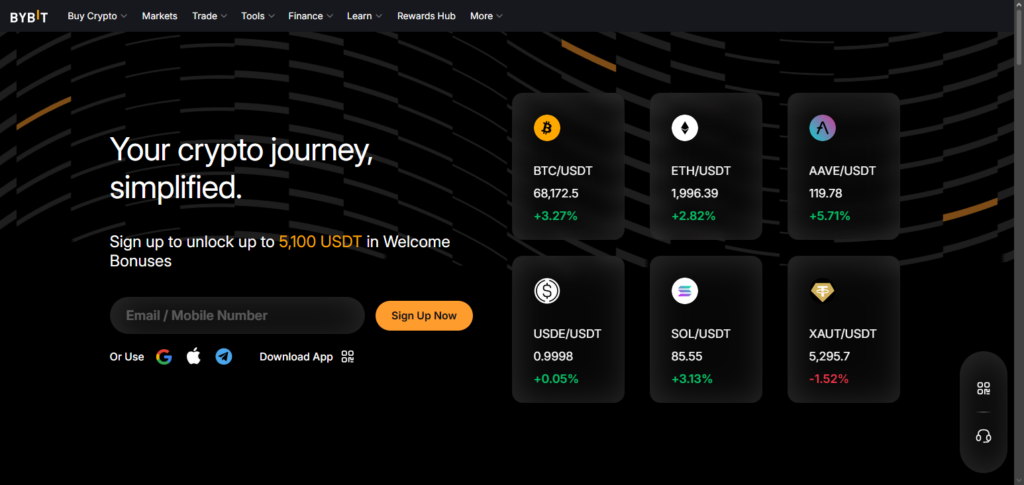
It provides spot and perpetual futures trading with high liquidity, which is a crucial advantage for arbitrage traders looking for tight spreads and fast order execution.
With competitive futures pricing structures and spot fees of 0.08–0.1% maker/taker, it supports hundreds of cryptocurrencies, including Bitcoin, Ethereum, and several altcoins. Although regulatory availability differs by area, Bybit is one of the top cryptocurrency exchanges for arbitrage traders due to its deep order books and sophisticated trading tools.
Bybit Features, Pros & Cons
Features
- Spot and Day trader Futures High Liquidity
- Derivatives Options Competitively Priced
- Trading Interface is Advanced
- Orders are Executed Quickly
- Mobile is API Connectable.
Pros
- Order Books are Deep which reduces slippage
- High Volume Traders have Low Fee Structures
- Charting Tools are Strong
- Customer Support is Adequate
- Deposits and Withdrawals are Quick
Cons
- Limited Fiat Options Available By Region.
- Regulations Per Country
- Fewer Alt Coins Available Compared To Binance
- Extreme Volatility May Lead To High Load Affected Servers
- Futures Leverage Can Be Dangerous To Novices
2. Bitget
Bitget was established in 2018 and has operations worldwide, with its headquarters located in Seychelles. It is well-known for its copy-trading capabilities, robust derivatives liquidity, and user-friendly interface, which draw in both novice and experienced traders.
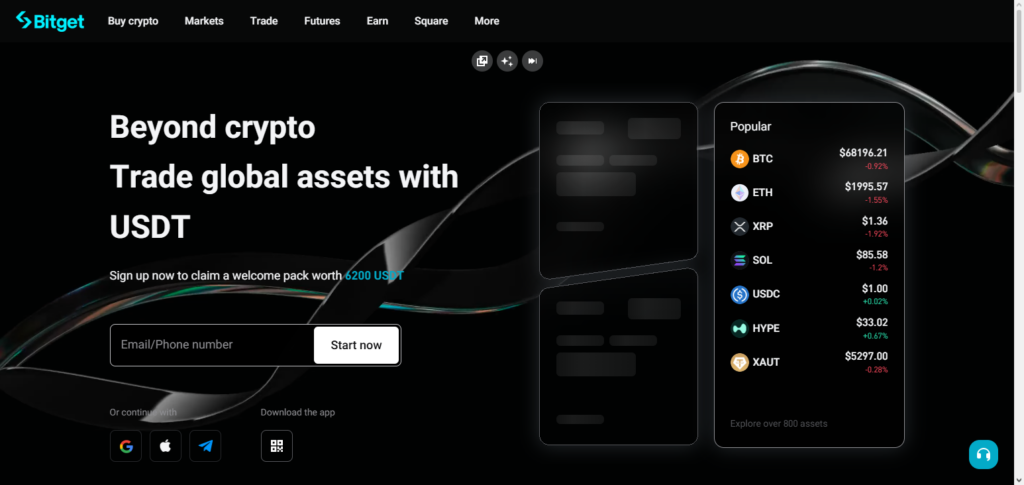
With spot trading fees of about 0.1% maker/taker and reduced fees on futures markets, the exchange offers support for hundreds of cryptocurrency assets.
Additionally, Bitget maintains a Protection Fund for user assets and provides proof-of-reserves. Its wide selection of tokens and inexpensive trading fees make it one of the top cryptocurrency exchanges for arbitrage traders, who gain from wide market access and little cost slippage.
Bitget Features, Pros & Cons
Features
- Copy-Trading in a Social Way
- Good Liquidity in Futuers
- Interface is Easy
- Spot Fees are Competitive
- Automation is Achievable With An API
Pros
- Good for Beginners and Pros
- Traders With High Volumes Have Lower Fees
- Copy-Trading Can Increase Returns
- Good Results For Execution On All Platforms
- Transparency In Proof Of Reserves
Cons
- Compared To The Best Exchanges List of Tokens Is Limited
- Options for Fiat Payments are Limited
- Not Fully Available In All Region
- Withdrawals Gaps Occur
- Less Focus On Institutions Compared To Binance
3. MEXC Global
MEXC Global, a Seychelles-registered exchange that debuted in 2018, is renowned for its incredibly low fees and extensive selection of over 3,000 cryptocurrencies, including numerous recently listed tokens. On spot and competitive futures rates, maker/taker fees can be as low as 0%/0.05%, which helps lower trading costs.
This is important for arbitrage techniques that emphasize quick inter-exchange moves. One of the greatest cryptocurrency exchanges for arbitrage traders looking for quick price discovery and inexpensive executions is MEXC because of its extensive market variety, quick listing time, and tools like futures and leveraged ETFs.
MexC Global Features, Pros & Cons
Features
- Wide choice of altcoins
- Minimal Fees
- Leveraged ETFs and Futures
- New token listings are frequent
- Presence globally
Pros
- Perfect for locating price discrepancies
- New liquid asset great
- Rapid integration
- Low trading volume requirements
- Premium trading incentives
Cons
- New listings mean higher risk assets
- Less regulation
- Support is less responsive than competitors
- Illiquid* markets
- Complicated experience for beginners
4. Gate.io
Dr. Lin Han launched Gate.io, a global centralized cryptocurrency exchange, in April 2013. It is well-known for listing hundreds of cryptocurrencies (more than 3,900 tokens), including numerous specialized and up-and-coming projects. Withdrawal fees differ by token, and trading fees are comparable with the majority of maker/taker fee patterns around industry standards.
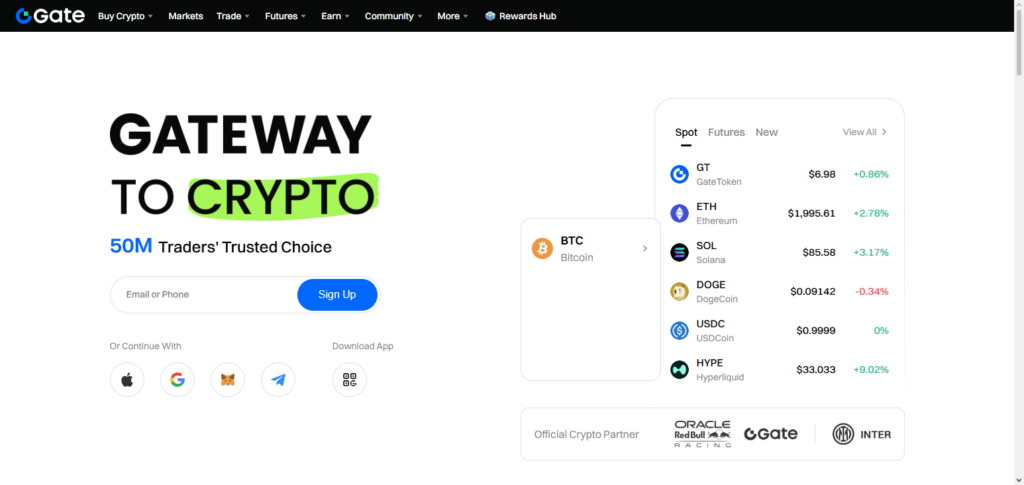
High-frequency and altcoin traders are drawn to Gate.io by its enormous token diversity and vibrant market depth. Because arbitrage traders frequently discover cross-pair price disparities due to the variety of markets, Gate.io is among the top cryptocurrency exchanges for arbitrage traders that thrive on large token pairings and liquidity.
Gate.io Features, Pros & Cons
Features
- Extensive token selection
- Futures/margin trading
- Perpetual and spot
- Tools for advanced trading
- Trading API
Pros
- Extensive altcoin selection
- Ideal for arb strategies
- Deep order books
- Advanced trader
- Pricing transparency is great
Cons
- High compared to competitors
- Complicated fee structure
- Mixed feedback on support
- Beginners may experience difficulty
- Long wait for support
5. KuCoin
Established in 2017, KuCoin is a prominent international cryptocurrency exchange renowned for its extensive range of over 700 cryptocurrencies and features such as automated trading bots, futures, and margin trading. With reductions for owning the native KCS token, spot trading fees typically begin at 0.1% maker/taker.

KuCoin is appealing for arbitrage play across listings and marketplaces due to its wide market depth and variety of lesser-known altcoins. KuCoin is one of the top cryptocurrency exchanges for arbitrage traders, especially those looking to take advantage of market inefficiencies in smaller-cap assets, thanks to its regular token launches and affordable fees.
KuCoin Features, Pros & Cons
Features
- Supports many cryptocurrencies
- Futures and margin trading
- Automated trading through Bots
- Staking and KuCoin Earn
- Bot trading API
Pros
- Large variety of tokens
- High customization of borders
- Premium ranges of low fees
- Excellent liquidity on many coins
Cons
- Not completely regulated for certain markets
- OTC & fiat options unavailable for certain countries
- User Experience may be unclear for beginners
- High-impact market events may cause outages
- Listings may be extremely volatile
6. Kraken
One of the oldest and most regulated exchanges, Kraken was founded in the US in 2011 and is renowned for its robust security and reliable fiat support. With spot fees of about 0.16%/0.26% maker/taker on Kraken Pro and competitive futures options in some areas, it provides more than 500 coins. Serious traders are drawn to Kraken because of its strong liquidity, regulatory compliance, and high level of confidence.
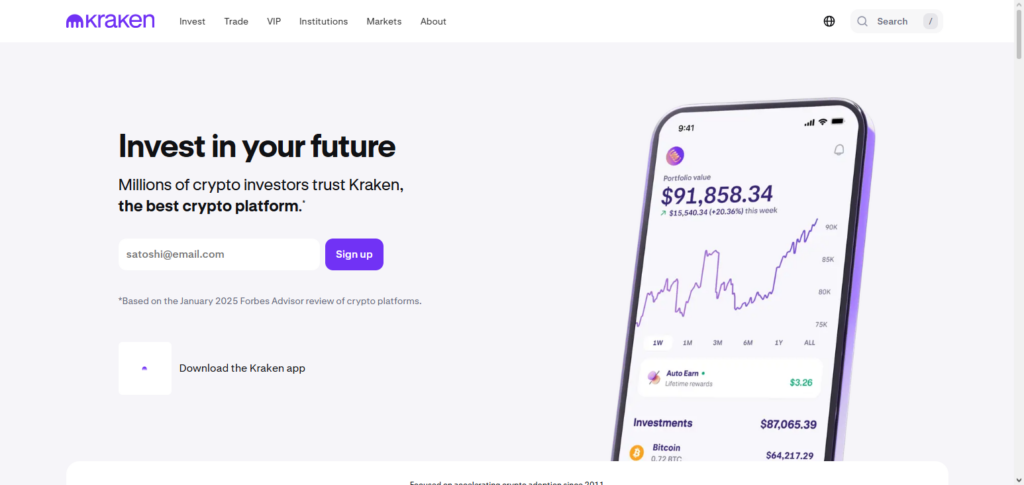
Kraken is one of the greatest cryptocurrency exchanges for arbitrage traders who value safe access and steady liquidity pools because of its dependability and deep markets, even though fees may be a little higher than those of certain offshore exchanges.
Kraken Features, Pros & Cons
Features
- Implementation of regulations
- spot-future trading
- Fiat on-ramps
- Professional API
Pros
- Trusted
- Good fiat
- Order execution is stable
- Fee structure is clear
- Customer relation is good
Cons
- Domestic exchange has higher fees
- Token limited compared to Binance
- Withdrawal in certain chains is slower
- UI is less than good
- High frequency traders have less incentive
7. Huobi (HTX)
Established in 2013, HTX (formerly Huobi) has developed into a global cryptocurrency exchange that offers spot, margin, and derivatives trading in addition to listing hundreds of digital assets. HTX offers a large selection of trading pairs that appeal to high-volume traders, and its fees are competitive with those of the industry.
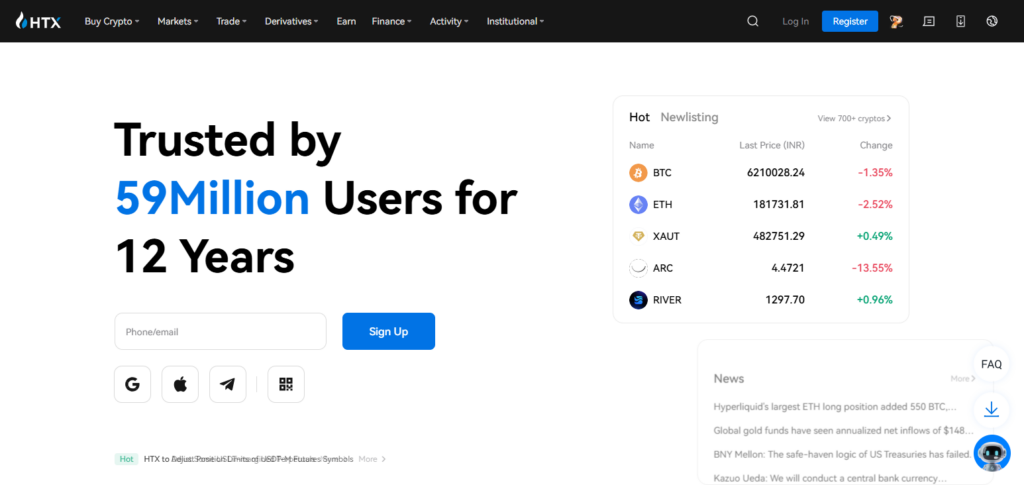
It is an important component of the cryptocurrency ecosystem because to its lengthy history and well-established market presence. HTX is regarded as one of the top cryptocurrency exchanges for arbitrage traders that take advantage of cross-market price differences across numerous tokens due to its extensive cryptocurrency coverage and ample liquidity.
Huobi (HTX) Features, Pros & Cons
Features
- Global availability of crypto
- Spot and derivatives
- Margin and lending
- Advanced UI
- API
Pros
- Derivatives have good liquidity
- Good fees
- Pairs available
- Trading depth is good
Cons
- Certain regions have uncertainty in regulations
- Customer support is less available than in Binance
- Good aligned trading without guidance to new traders
8. Binance
After being established in 2017, Binance swiftly rose to the top of the global cryptocurrency exchange rankings in terms of trading volume, handling thousands of trading pairs in a variety of markets, including spot, margin, futures, options, staking, and more.
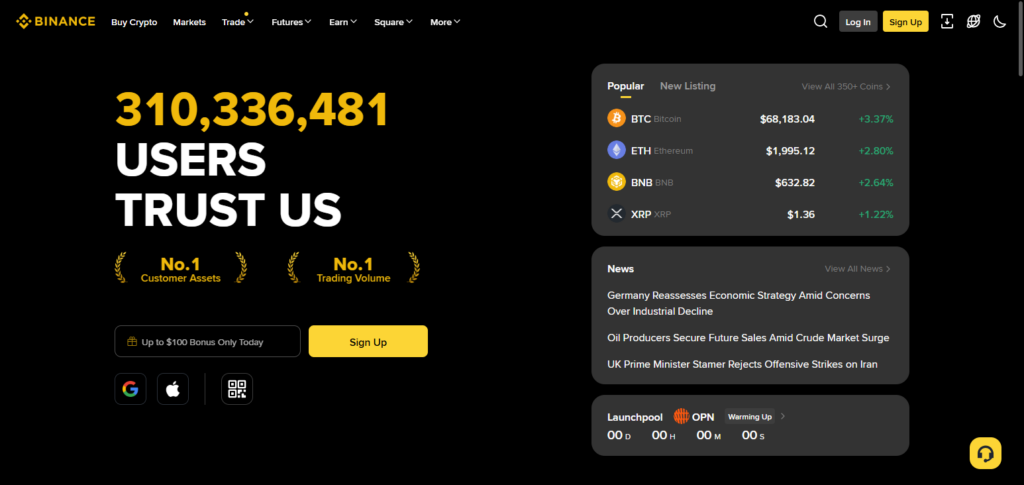
With discounts using the native BNB token, base spot fees begin at about 0.1% maker/taker. Binance is one of the greatest cryptocurrency exchanges for arbitrage traders because of its enormous liquidity, deep order books, and wide range of cryptocurrencies.
Tight spreads and high volume allow for quick execution and less slippage, which are essential for successful arbitrage tactics. Regional variations provide localized services with varying asset availability (e.g., Binance.US).
Binance Features, Pros & Cons
Key Features
- Spot, margin, futures, and options trading
- Global deep liquidity
- Advanced trading system
- Overall trading ecosystem
Pros
- Beginner traders might find it overwhelming
- Complicated fee and product structure
- Limited offerings for Binance.US
- Regulatory restrictions
- Potential withdrawal queue
Cons
- Global footprint and fiat and crypto on-ramps
- Ultimate trading ecosystem with multiple crypto products
- BNB discount & ultra-competitive fee structure
- Unparalleled trading with the most crypto pairs available
- Max arbitrage opportunities with ultra-tight spreads
9. OKX
OKX is a global cryptocurrency exchange that was founded in 2017 and is well-known for its sophisticated derivatives and spot trading of hundreds of cryptocurrencies, as well as its cheap fee structures and robust liquidity. For advanced traders, trading options include Web3 integration tools, options, and perpetual futures.
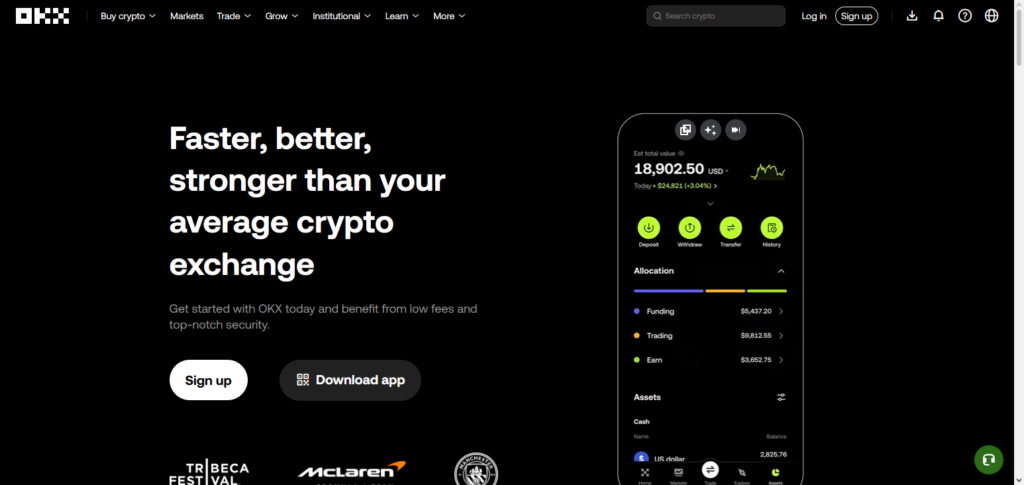
With large volume or native token discounts, fees can drop even more from their initial low level. OKX is one of the greatest cryptocurrency exchanges for arbitrage traders, especially those who take advantage of price discrepancies between its several derivative and spot markets, thanks to its deep markets, affordable prices, and wide selection of products.
OKX Features, Pros & Cons
Key Features
- Strong web and mobile UI
- Advanced APIs
- Options market
- Spot and perpetual trading
- Advanced derivatives
Pros
- Fewer small-cap tokens
- Limited options for trading for some users based on region
- Less spot trading volume than Binance
- Not helpful for beginner traders
- Learning curve
Cons
- Wider product offerings than competitors
- Institutional backing
- Competitive fee structure
- Professional traders benefit most from deep liquidity in the markets
10. Gemini ActiveTrader
In 2014, Gemini was established in the US with a focus on security and legal compliance. Its ActiveTrader platform supports a number of significant cryptocurrencies and provides expert charting at low fees when compared to its conventional interface.
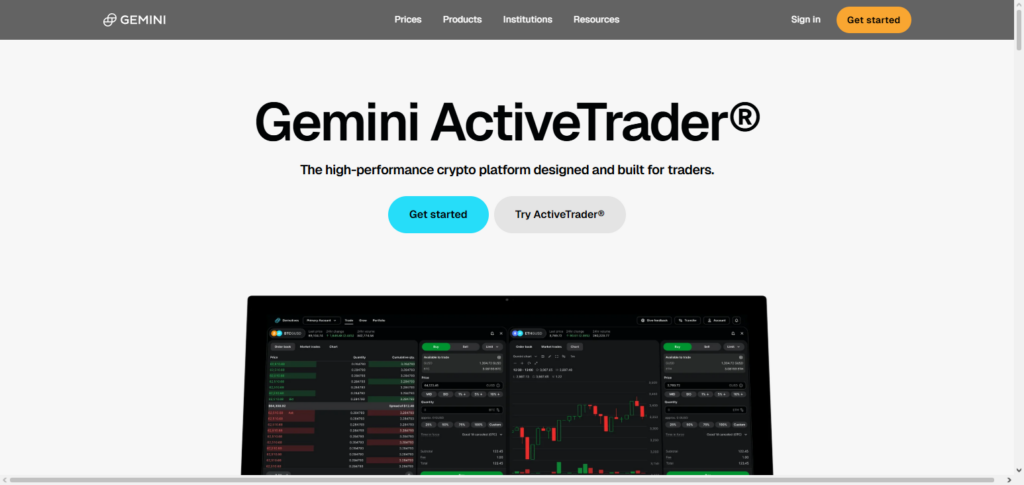
Institutional and cautious traders are drawn to Gemini because of its straightforward fee models and good regulatory status, even though the list of supported assets is smaller than that of several international exchanges.
For arbitrage traders who prioritize regulated markets and dependable execution, its consistent fiat connection and secure environment can make it one of the finest cryptocurrency exchanges, despite occasionally having higher fees than others.
Gemini ActiveTrader Features, Pros & Cons
Features
- Approved trading platform by U.S. Government
- Active trader professional platform
- U.S. Government approved trading platform
- Legal tender supported trading
- Protection and security offered by trading platform
Pros
- Solid security and strong regulations
- Excellent Option for traders in the U.S.
- Pricing is simple and transparent
- System is reliable and support is responsive
Cons
- Fewer tokens available for trading than international competitors
- Fees are a little higher than offshore exchanges
- Less liquidity than Binance/OKX
- Not preferable for complicated arbitrage bots
- Derivative offerings are limited
Comparison table
| Exchange | Approx. Supported Cryptos | Spot Fees (Maker/Taker) | Liquidity & Volume | Fiat Support |
|---|---|---|---|---|
| Binance | ~500–600+ | ~0.1% / 0.1% (discounts available) | Highest liquidity globally | High (Multiple fiat pairs) |
| Bybit | ~350+ | ~0.1% / 0.1% | Strong in derivatives | Medium |
| Bitget | ~500+ | ~0.1% / 0.1% | Good liquidity | Medium |
| MEXC Global | ~1,500–3,000+ | ~0%–0.1% | Moderate–varied liquidity | Lower |
| Gate.io | ~1,700+ | ~0.2% / 0.2% | Variable (many altcoins) | Lower |
| KuCoin | ~700+ | ~0.1% / 0.1% | Moderate liquidity | Medium |
| Kraken | ~200+ | ~0.16% / 0.26% | Reliable but lower | High |
| Huobi (HTX) | ~600+ | ~0.2% / 0.2% | Moderate | High |
| OKX | ~350+ | ~0.08% / 0.10% | Good liquidity | Medium |
| Gemini ActiveTrader | ~70–100+ | ~0.2% / 0.4% | Lower than others | High (Regulated-US) |
Conclusion
In summary, the ideal crypto exchanges for arbitrage traders are those that offer low trading fees, offer fast execution speeds, deep (and fast) liquidity, and offer a wide variety of cryptocurrencies to trade. An exchange like Binance, Bybit, or OKX are good examples because of the high trading volumes, and slower spreads. This means you will have at less slippage and better margins at these exchanges compared to other exchanges. While MEXC Global and Gate.io have a better variety of altcoins than most others and more chances for pricing discrepancies between exchanges.
For traders where regulation and security are more of a concern, Kraken and Gemini offer more trustworthy structures, albeit at potentially higher fees. Ultimately, success in arbitrage trading is about the exchange in combination with your speed, great use of capital, limited time and risk exposure in combination with your withdrawal time and your exposure time. Each of those will play a big role in increase edges you will have and increase your unverifiable risk exposure.
FAQ
Do arbitrage opportunities last long?
Typically, no. Arbitrage opportunities are often very short-lived (seconds to minutes) because markets adjust quickly. That’s why real-time monitoring and fast execution are essential for success.
. Are stablecoins helpful in arbitrage?
Yes. Stablecoins like USDT, USDC, BUSD, and DAI are frequently used in arbitrage due to minimal price volatility, making them ideal for moving value between exchanges to capture price differences.
Can I automate arbitrage trading?
Absolutely. Many arbitrage traders use bots or APIs to monitor prices and execute trades across exchanges automatically. However, automation requires good programming knowledge and careful risk management.