


I will be talking about Googly DeFi Insurance for Smart Contract Hacks and the best decentralized solutions for insuring your crypto against unforeseen vulnerabilities and exploits.
- Key Point & Googly DeFi Insurance Picks for Smart Contract Hacks
- 1. Nexus Mutual
- Nexus Mutual Features, Pros & Cons
- Features
- Pros
- Cons
- 2. InsurAce Protocol
- InsurAce Protocol Features, Pros & Cons
- Features
- Pros
- Cons
- 3. Etherisc
- Etherisc Features, Pros & Cons
- Features
- Pros
- Cons
- 4. Bridge Mutual
- Bridge Mutual Features, Pros & Cons
- Features
- Pros
- Cons
- 5. Unslashed Finance
- Unslashed Finance Features, Pros & Cons
- Features
- Pros
- Cons
- 6. Armor.fi
- Armor.fi Features, Pros & Cons
- Features
- Pros
- Cons
- 7. Bright Union
- Bright Union Features, Pros & Cons
- Features
- Pros
- Cons
- 8. Sherlock Protocol
- Sherlock Protocol Features, Pros & Cons
- Features
- Pros
- Cons
- 9. Solace Protocol
- Solace Protocol Features, Pros & Cons
- Features
- Pros
- Cons
- 10. Opium Insurance
- Opium Insurance Features, Pros & Cons
- Features
- Pros
- Cons
- Conclusion
- FAQ
As DeFi develops, the ability to grasp smart insurance alternatives becomes critical for risk management, investment protection, and peace of mind while traversing the rapidly changing landscape of decentralized finance.
Key Point & Googly DeFi Insurance Picks for Smart Contract Hacks
| Platform | Key Points |
|---|---|
| Nexus Mutual | Covers smart contract risks using a member-governed mutual model with claim voting. |
| InsurAce Protocol | Multi-chain coverage with low premiums and diversified risk pools. |
| Etherisc | Open-source protocol enabling customizable insurance products on blockchain. |
| Bridge Mutual | Peer-to-peer coverage for smart contracts, exchanges, and stablecoins. |
| Unslashed Finance | Offers capital-efficient coverage with staking-based underwriting. |
| Armor.fi | Aggregates coverage from multiple protocols for easy user protection. |
| Bright Union | Marketplace aggregating DeFi insurance providers for best pricing. |
| Sherlock Protocol | Combines audits with coverage, rewarding white-hat hackers for security. |
| Solace Protocol | Uses automated risk pricing and policy management in DeFi insurance. |
| Opium Insurance | Builds insurance products using decentralized derivatives infrastructure. |
1. Nexus Mutual
Nexus Mutual is a leader in offering decentralised insurance in the form of a member-based mutual model. They provide protection against the failure of smart contracts. Coverage is bought with NXM tokens and claims are voted on by the community. Within the risk-heavy DeFi environment, it has an impressive capital pool and is one of the Googly DeFi Insurance Picks for Smart Contract Hacks.
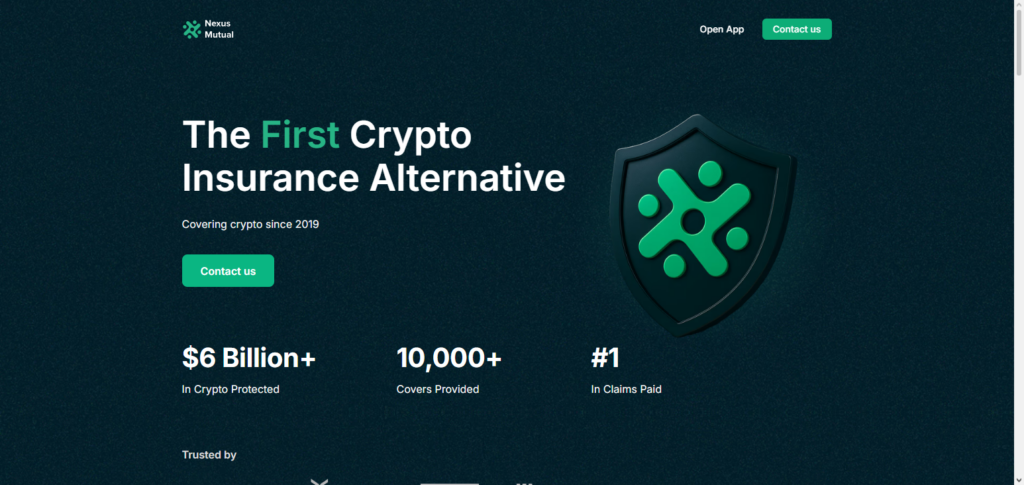
They provide insurance to protocols on Ethereum, which makes them great for DeFi platform users. However, some users may confuse decentralisation with full anonymity because of the KYC limitations.
Nexus Mutual Features, Pros & Cons
Features
- Mutual risk-sharing based with member governance
- Coverage for smart contracts, custody, and yield tokens
- NXM tokens can be staked for underwriting capacity
- Community votes on whether a claim is valid
- Pricing is based on dynamic risk
Pros
- Good track record with high volume of coverage
- High transparency with DAO governance
- Coverage for most DeFi protocols
- High liquidity for claim payouts
- Innovative coverage products are offered
Cons
- Needs KYC, restricted anonymity
- Voting governance stalling claim payouts
- High gas fees on Ethereum
- Coverage is limited after coverage is claimed
- Complex for new users
2. InsurAce Protocol
InsurAce Protocol offers multi-chain insurance on Ethereum, BNB Chain, and Polygon. They are able to provide cheaper premiums because of their capital-efficient underwriting methodology and pool diversification.
They sit on the spot within Googly DeFi Insurance Picks for Smart Contract Hacks and allows users to protect their assets with cost-effective and extensive insurance. They strong focus on cross-chain and scalable insurance positions them well in DeFi, however, claims may take longer due to governance voting.
InsurAce Protocol Features, Pros & Cons
Features
- Coverage is multi-chain (Ethereum, BNB, Polygon)
- Bundled insurance in a portfolio approach
- Underwriting pools that are capital-efficient
- DAO + committee claims approach
- Premium pricing is competitive
Pros
- Bundled policies result in lower premiums
- Multiple blockchain support
- Portfolio protection is simple
- Coverage is flexible
- Rapid expansion of product
Cons
- Claims could use up a lot of time
- Compared to leaders, pools are smaller
- Governance is still a work in progress
- Bundled coverage could hide risk
- There is little claim history
3. Etherisc
Etherisc is open-source insurance protocol on blockchain, Etherisc offers access to developers to create specialized insurance products, where coverage goes beyond basic policies and offers positions on decentralized insurance apps.
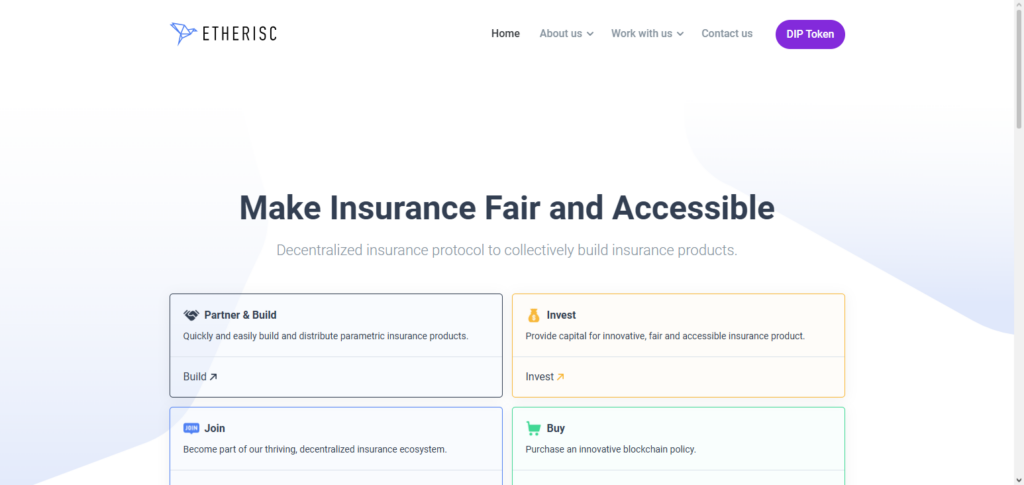
In the growing space for Googly DeFi Insurance Picks for Smart Contract Hacks, Etherisc is particularly notable for its flexibily & robust developer oriented infrastructure. Custom policies for flight delay or crypto wallet coverage can be created. Because of its innovative nature, adoption is still developing; as opposed to its competitors, many users may find that coverage options are more limited.
Etherisc Features, Pros & Cons
Features
- Infrastructure for insurance is open-source
- Creation of custom products for developers
- Pays out automatically with parametric
- Modular set of smart contracts
- Flexibility for a wide range of use cases
Pros
- Insurance solutions can be tailored highly
- Automated payouts are quick
- Ecosystem for developers
- Expands to non-crypto-specific risks
- Promotes creativity
Cons
- Few off-the-shelf solutions
- Adoption much lower than competitors
- More technical knowledge required
- Ecosystem liquidity is lower
- Fewer integrations with the mainstream
4. Bridge Mutual
DeFi insurance does not require KYC, and offers coverage on some centralized exchanges, stablecoins, and on smart contracts. Users can do coverage and earn yield and the others buy protection.
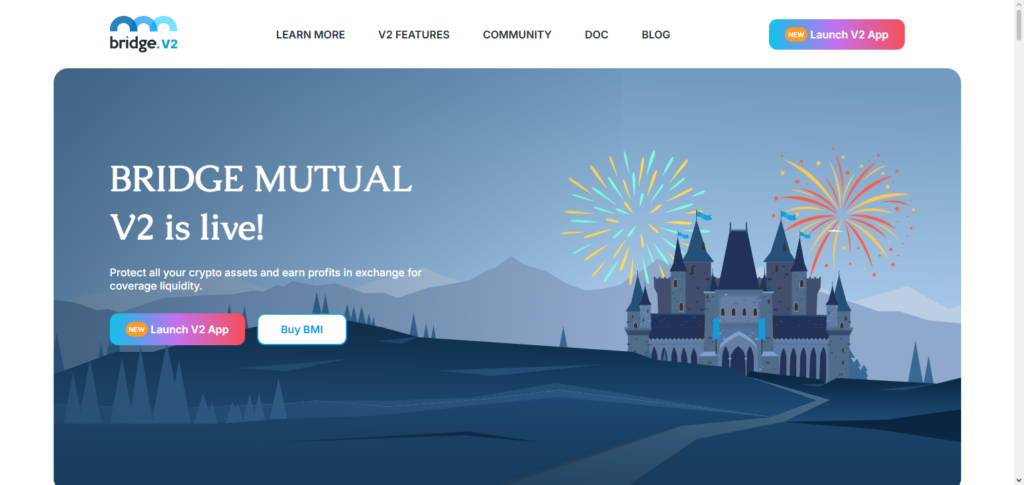
In Googly DeFi Insurance Picks for Smart Contract Hacks it stands out because of its decentralized governance and coverage options that are more flexible.
It is the advantage of being permissionless, but there are some pools of liquidity that are not available, and consequently, it is a risk for coverage and the cost/premium ratio as to the model of pooled risk available and the DAO governance for risk that claims.
Bridge Mutual Features, Pros & Cons
Features
- Insurance pools peer-to-peer
- Covers smart contracts, exchanges, stablecoins
- No KYC
- Dao governance with BMI token
- Price model is dynamic
Pros
- Completely decentralized and permissionless
- Cover more categories
- Flexibility to participate as an insurer or a buyer
- Pricing more competitive
- Supports multiple assets
Cons
- Liquidity is variable by pool
- Coverage providers bear more risk
- Less developed history
- Claims are subject to DAO voting
- Adoption by the market is growing
5. Unslashed Finance
Unslashed Finance’s platform enables liquidity providers to stake their assets to earn returns while providing backing to insurance policies. Insurance policies pertain to smart contract hacks, oracle failures, and exchange risks.

Being a part of Googly DeFi Insurance Picks for Smart Contract Hacks, it makes protection and yield generation look good.
Instead of complete community voting, the Unslashed platform is backed by expert risk assessors, thus, the claims process tends to be more reliable. Unslashed’s needs for staked capital implies this is the case, and thus, coverage capacity is largely tied to the will of liquidity providers.
Unslashed Finance Features, Pros & Cons
Features
- Model of capital-efficient staking
- Covers smart contracts, exchanges, and oracles
- Risk assessment by experts
- Incentives for liquidity providers
- Underwriting pools flexible
Pros
- Provide coverage and earn yield
- Claims assessment is more likely to be by an expert
- Premiums are competitive
- Capital utilization is strong
- Covers broad risk
Cons
- Liquidity providers are critical
- Ecosystem is smaller than the major competitors
- Less visibility
- Coverage capacity varies
- More centralized risk assessment
6. Armor.fi
Insurance provider Nexus Mutual is one of the DeFi insurance providers which Armor.fi has aggregated. They have a “pay-as-you-go” model, and protections are automated. Out of the Googly DeFi Insurance Picks for Smart Contract Hacks, Armor.fi has the most to offer in flexibility and ease of use.
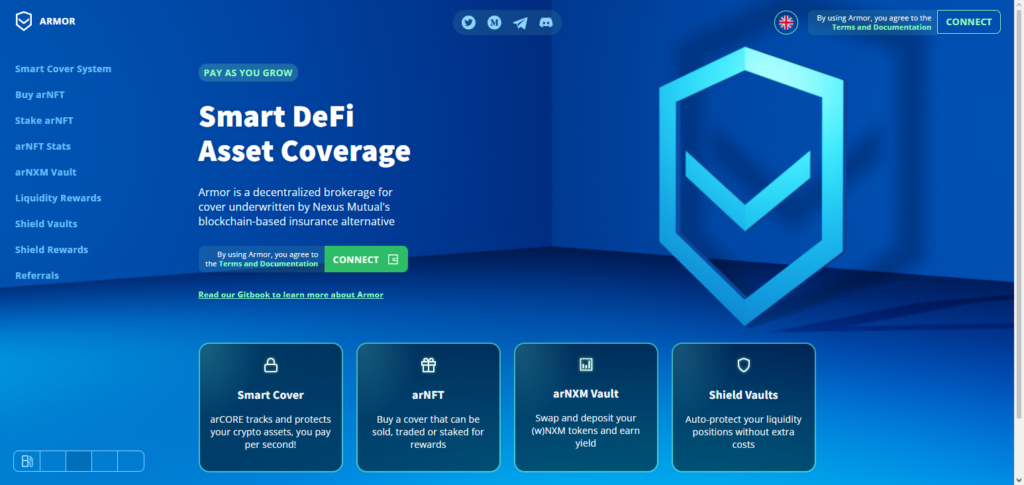
Instead of picking from a long list of insurance providers, users can make their life easier by having Armor.fi’s aggregated insurance provider coverage. Although it’s true that bundling makes insurance more accessible, it also increases reliance on the underlying insurance protocols. This means users are at the mercy of insurance providers and their claims processes.
Armor.fi Features, Pros & Cons
Features
- Aggregates coverage from multiple insurance providers
- Coverage model is Pay as you go
- Protection options are automated
- User onboarding is easy
- Nexus Mutual integration
Pros
- Reduces the difficulty of coverage choosing
- Coverage can be for any length of time
- No need for tedious comparison of insurance protocols
- Easy to navigate
- Multiple insurance alternatives
Cons
- Reliance on external protocols
- Cost of aggregation
- Insufficient influence on the policies that underlie the insurance coverage
- Potential losses from the insurance providers
- More aggregated insurance less control
7. Bright Union
Bright Union is also an aggregator. They help users find the optimal coverage for the optimal price across coverage providers. The aggregator model allows them to have a bulk offering and makes the system feel more streamlined.
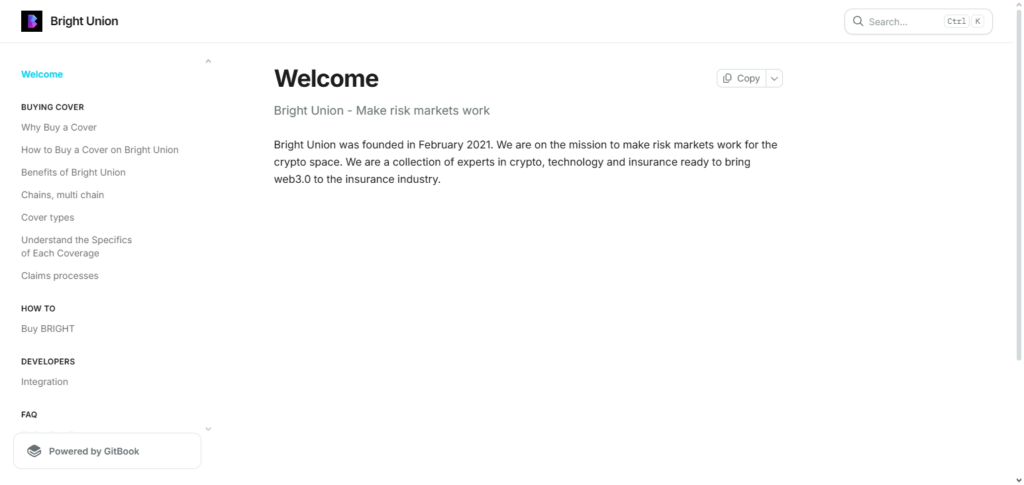
Bright Union is part of Googly DeFi Insurance Picks for Smart Contract Hacks like others, but they have more to offer from a transparency standpoint and feature a comparison model. This is why the aggregator model will typically be correlated with a higher price. This model is especially beneficial for users that are new to decentralized insurance.
Bright Union Features, Pros & Cons
Features
- Insurance in DeFi
- Tools for comparison of multi-provider insurance policies
- Pricing visibility
- Protection by portfolio
- Easy to navigate dashboards
Pros
- Insurance options compared
- Time and labor are saved
- Pricing visibility improved
- With the expanding number of providers in the network, this platform becomes increasingly simple to use
Cons
- Insurance aggregation costs separately
- Third-party insurance is used
- Direct underwriting is limited
- Partner insurance is value
- No insurance itself
8. Sherlock Protocol
Sherlock Protocol integrates contract audits and insurable contracts into one service. They develop a security-first model, where Protocols pay for audits and insurable contracts, while white-hat hackers are paid to discover bugs.
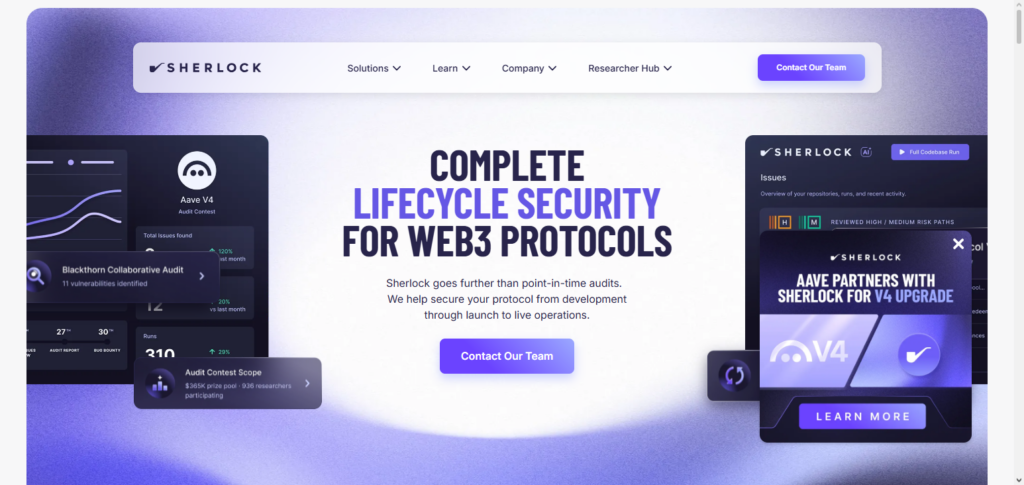
In the case of Googly DeFi Insurance Picks for Smart Contract Hacks, Sherlock stands out for risk prevention instead of risk compensation. This approach prevulnszettens the overall security of the ecosystem.
On the contrary, because coverageof of because of limited, partnered, because of to because of to individual users, to individual users. limited of individual users. coverage users. users. limited. individual
Sherlock Protocol Features, Pros & Cons
Features
- Audits + insurance
- White hackers bug bounty
- Coverage by protocols first
- Ecosystem focused on safety
- Fixed coverage without
Pros
- Hacks are prevented
- Audit protection is a reliable shield
- Ethical hackers are encouraged
- Protection from audits increases
Cons
- No user-centered insurance
- Required participation of the what is called protocol
- Reduced flexibly for the group desired
- Narrow coverage
9. Solace Protocol
Solace Protocol utilizes automated and algorithmic driven insurance coverage to eliminate the claims process. In the case of Googly DeFi Insurance Picks for Smart Contract Hacks, Solace Protocol stands out by innovation, as it provides continuous and seamless coverage.
Using a parametric model and pricing based on the user’s activity and exposure of their portfolio results in immediate bypassing of delayed governance and providing faster payouts. However, its recentness of the approach can lose the trust and adoption to insurances whilst older platforms are established.
Solace Protocol Features, Pros & Cons
Features
- Coverage is pre-determined by algorithms
- Risk is evaluated in real-time
- Model insurance is based on parameters
- Protection is ongoing
- No claims
Pros
- Fast or instant payments
- No delays from governance
- Model based on innovation
- User-friendly
- The process is automated
Cons
- Less experimental and newer
- Adoption barriers
- Innovative Pricing
- Algorithm transparency
- Limited availability
10. Opium Insurance
Users can build their own insurance contracts on Opium Insurance using decentralized derivatives. They can structure their contracts to cover risks, such as the failure of a smart contract, through various financial instruments.
Opium Insurance sits on the lower end of Googly DeFi Insurance Picks for Smart Contract Hacks, targeting advanced users who can trade derivatives. This design permits greater risk control and management than insurance.
However, it can also inhibit risk control and management as it is a higher complexity system. Users must grasp the basic principles of derivatives to navigate the system effectively, and a high level of understanding of the derivatives system is required to use the system effectively.
Opium Insurance Features, Pros & Cons
Features
- Overlying DeFi derivatives
- Insurance framework flexibility
- Risk protective via hedging
- Protocol design is permissionless
- Financial instruments
Pros
- Coverage model flexibility
- Highly developed risk management
- For sophisticated traders
- Innovative derivatives application
- Decentralization and Permissionless
Cons
- Beginners complexity
- Derivative knowledge is essential
- Pricing misjudgment risk
- Adoption is more limited
- User-friendly interfaces are limited
Conclusion
To summarize Googly DeFi Insurance Picks for Smart Contract Hacks shows how decentralized insurance is starting to become a necessity as the DeFi landscape is getting riskier.
Users can now protect their assets from the risks of DeFi insurance using a variety of coverage options, from mutual-based coverage like Nexus Mutual to the novel approach of the Solace Protocol, or even Bright Union as an aggregator.
Depending on your risk profile, you should be able to choose the optimal platform as each provides distinct advantages in terms of cost, ease of access, automation, or even adaptability.
Considering that DeFi insurance is an evolving sector, protecting your assets using the existing insurance solutions should enhance your confidence and give you a competitive edge in the DeFi ecosystem.
FAQ
What is DeFi insurance for smart contract hacks?
DeFi insurance is a blockchain-based coverage system that protects users against losses caused by smart contract bugs, exploits, or protocol failures. Platforms like Nexus Mutual provide compensation if insured events occur, helping users reduce financial risk in decentralized finance.
How do decentralized insurance platforms work?
Decentralized insurance platforms pool funds from users or liquidity providers and use smart contracts to manage policies and claims. In many cases, governance members vote on claims. Protocols like Bridge Mutual and InsurAce Protocol use DAO-based systems for transparency and fairness.
Are DeFi insurance platforms safe to use?
While DeFi insurance platforms aim to reduce risk, they are not completely risk-free. Factors like smart contract vulnerabilities, governance flaws, and liquidity shortages can impact payouts. However, trusted platforms such as Sherlock Protocol improve safety by combining audits with coverage.
What types of risks are covered?
Most DeFi insurance solutions cover smart contract exploits, oracle failures, exchange hacks, and stablecoin depegging. Some platforms like Unslashed Finance also extend coverage to broader risks, depending on the policy structure.
Do I need KYC to buy DeFi insurance?
It depends on the platform. Some providers like Nexus Mutual require KYC for regulatory compliance, while others like Bridge Mutual offer permissionless access without identity verification.