

I’ll talk about Fractional Skyscrapers in this post, a ground-breaking method of investing in upscale Manhattan real estate for as low as $100.
- What Are Fractional Skyscrapers?
- Understanding RWA Tokenization
- How You Can Own Manhattan for $100
- Select a Tokenized Platform for Real Estate
- Complete KYC/AML Verification
- Create a Digital Wallet
- View Properties
- Invest as Little as $100
- Receive Rental Income
- Value Increase
- Secondary Markets
- How Returns Are Generated
- Benefits of Fractional Skyscraper Ownership
- Comparison: Traditional vs Fractional Real Estate
- Risks and Challenges
- Real-World Examples
- Tokenized Manhattan Office Buildings
- New York Residential Towers
- European Commercial Properties
- Mixed-Use Skyscrapers
- Adoption by Institutional Investors
- Future Outlook
- Conclusion
- FAQ
By dividing skyscrapers into digital ownership shares through Real-World Asset (RWA) tokenization, international investors can now acquire high-value commercial properties that were previously unattainable for regular investors, generate rental income, and profit from property appreciation.
What Are Fractional Skyscrapers?
Commercial high-rise structures that have been digitally partitioned into tiny ownership units via real-world asset (RWA) tokenization are known as fractional skyscrapers. Investors can purchase fractional shares, represented by blockchain-based tokens, for as little as $100, as an alternative to buying a whole property or a sizable equity investment.
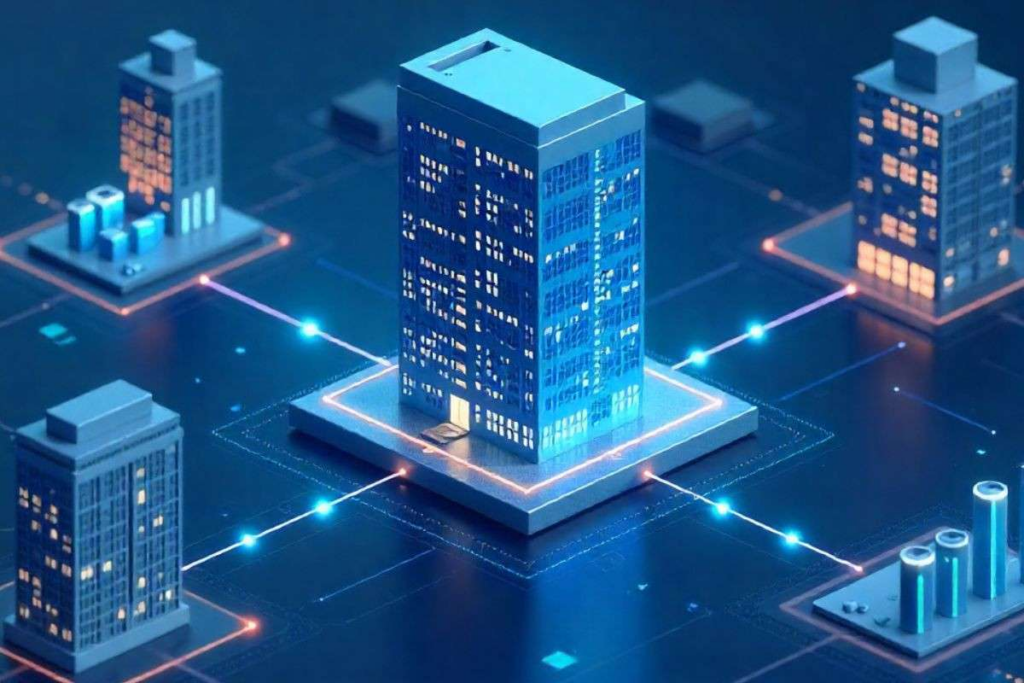
A proportionate claim on the building’s worth and prospective revenue, such rental yields, is represented by each token. Transparent ownership records, distributions, and transfers are managed by smart contracts.
This concept makes it possible for regular investors to invest in high-end buildings like Manhattan skyscrapers by lowering entry barriers, expanding accessibility globally, and adding liquidity to historically illiquid real estate markets.
Understanding RWA Tokenization
Knowing how tangible assets—like real estate, bonds, or commodities—are transformed into digital tokens on a blockchain is essential to comprehending RWA (Real-World Asset) tokenization. This procedure in real estate entails creating blockchain-based tokens that reflect fractional ownership rights and legally structuring the property under a holding organization.
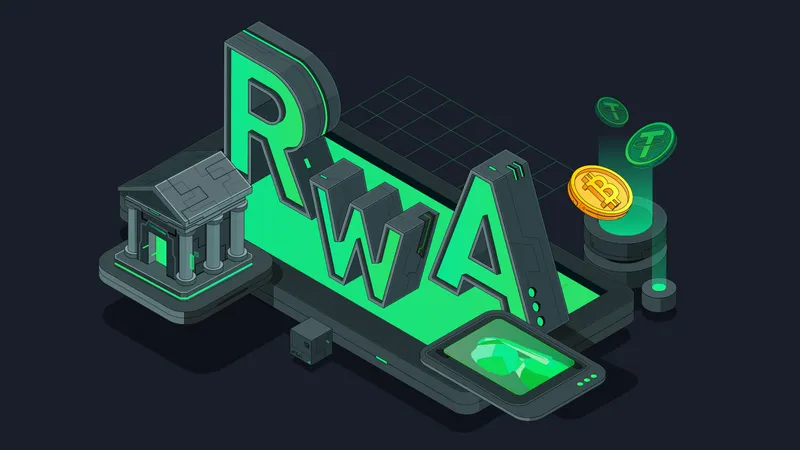
While smart contracts automate transactions, compliance, and dividends, these tokens can represent financial gains like rental revenue and property appreciation. RWA tokenization gives liquidity to historically illiquid assets, like as Manhattan skyscrapers, and improves transparency, administrative friction, and global investor access by digital ownership.
How You Can Own Manhattan for $100
Select a Tokenized Platform for Real Estate
Choose a regulated Real-World Asset (RWA) platform for fractional ownership of Manhattan commercial assets.
Complete KYC/AML Verification
Open your account so you can start trading, then finish the identity check to comply with the law with respect to securities and finance.
Create a Digital Wallet
Make a crypto wallet that is compatible with the platform or use the custodial wallet that the platform provides to keep your property tokens safe.
View Properties
Look at the Manhattan buildings that are currently for sale, and examine the financial data, projected yields, and the legal structure of the building before deciding to invest.
Invest as Little as $100
Buy fractional tokens that represent your proportional economic interest in the skyscraper.
Receive Rental Income
Get your part of the rental income paid out at regular intervals through the platform.
Value Increase
If the property is valued more at the time of sale, you may receive some returns.
Secondary Markets
If applicable, sell financial tokens for more liquidity on secondary markets.
How Returns Are Generated
Rental revenue and property appreciation are the main sources of returns on investments in fractional skyscrapers. Rental payments are gathered and dispersed to token holders in proportion to their ownership stake when tenants rent office or commercial space in a Manhattan building.
Net revenue is distributed electronically, frequently via automated smart contracts, following the deduction of management fees, maintenance costs, and other expenditures.
If the property’s market value rises, investors may also profit from long-term capital appreciation in addition to rental income. Additionally, some platforms provide secondary market trading, which enables investors can sell their tokens at better rates and possibly make money.
Benefits of Fractional Skyscraper Ownership
Low Entry Point: Everyday investors can now accessible high-value prime Manhattan real estate by investing as little as $100.
Decreased Exposure per Investment: Commercial real estate can now be mixed into your investments while keeping your total commitments low.
No Geographical Restrictions: Through fractional ownership, investors can direct investments from anywhere in the world, even through digital means.
Blockchain Equity Transparency: Transactions, distributions of earnings, and ownership are recorded, tracked, and verifiable on the blockchain for safe, equitable distribution.
Potential for Passive Income: Without building management, you can still reap the rewards of property appreciation and proportional rental income.
Greater Liquidity: More flexibility than traditional real estate investments by offering token trading markets on some platforms.
Comparison: Traditional vs Fractional Real Estate
| Feature | Traditional Real Estate | Fractional Real Estate (Tokenized) |
|---|---|---|
| Minimum Investment | High (often millions) | Low ($100+) |
| Liquidity | Low; difficult to sell quickly | Moderate; secondary markets allow trading tokens |
| Accessibility | Limited to accredited investors or local buyers | Global; anyone with platform access can invest |
| Ownership Structure | Full or joint property ownership | Fractional ownership via blockchain tokens |
| Management | Investor often responsible or hires property manager | Managed by platform; passive for token holders |
| Transparency | Paper-based, complex records | Blockchain-based, automated and verifiable |
| Diversification | Difficult due to high cost | Easier; can own fractions of multiple properties |
Risks and Challenges
Regulatory Uncertainty
Ownership stake rights and the functioning of platforms for tokenized real estate may be impacted by future regulations in relocating legal frameworks of fractional ownership.
Platform Risk
Investment is reliant on the trust and safety of the RWA platform and any collapse of the platform may result in the loss of funds and/or access to your tokens.
Market Volatility
Fluctuations in the value of the underlying assets can be caused by the economy, demand for tenants, or shifting dynamics in the surrounding real estate markets.
Liquidity Limitations
You may sell your tokens in secondary markets, however, there is no guarantee your tokens will sell for the price you want.
Property Management Risks
Management, maintenance, and vacant units can diminish the rental income and the overall returns.
Real-World Examples
Tokenized Manhattan Office Buildings
SolidBlock and RealT are examples of Manhattan commercial property fractionalization. Owning a token means owning a fractional interest in the property.
New York Residential Towers
Luxury residential high-rises in Manhattan have been sold in the form of tokenized shares. This innovative structure allows international investors to buy into premium residential real estate for a nominal amount.
European Commercial Properties
Brickblock and EstateX have been the first to successfully tokenize commercial real estate in the international market. Their success shows the model works for every geography.
Mixed-Use Skyscrapers
Several tokenized projects are mixed-use, meaning they include retail, office, and residential components, allowing the distribution of rental income from various sources to fractional investors.
Adoption by Institutional Investors
Family offices and hedge funds are purchasing high-value tokenized shares in properties. This confirms the proposition to both retail and institutional investors.
Future Outlook
With the development of blockchain technology and Real-World Asset (RWA) tokenization, fractional skyscraper ownership appears to have a bright future. More commercial properties in Manhattan and other international capitals are probably going to be fractionalized as investor demand for affordable access to premium real estate grows.
Liquidity could be further improved by integration with decentralized finance (DeFi), enabling investors to swap tokens with ease. It is anticipated that institutional adoption would increase, giving the market stability and legitimacy.
Fractional ownership may eventually spread from skyscrapers to commercial centers, lodging facilities, and infrastructure projects, democratizing access to valuable real estate across the globe.
Conclusion
By making formerly exclusive Manhattan buildings available for as little as $100, fractional skyscrapers are revolutionizing the way people invest in high-end real estate. Blockchain technology and RWA tokenization provide investors with global access, transparency, and the possibility of passive income while lowering entry barriers.
The model presents a strong substitute for conventional real estate ownership, notwithstanding the existence of concerns such as platform dependence, market volatility, and regulatory uncertainty.
Fractional skyscrapers are expected to democratize high-value real estate investing as usage increases and digital infrastructure develops, making top commercial real estate accessible to regular investors everywhere.
FAQ
What are fractional skyscrapers?
Fractional skyscrapers are commercial buildings divided into digital ownership shares via blockchain, allowing investors to own a small portion of a property, often starting at $100.
How does RWA tokenization work?
Real-World Asset (RWA) tokenization converts physical properties into blockchain-based tokens, representing proportional ownership and rights to income and appreciation.
How can I invest in a Manhattan skyscraper for $100?
Sign up on a regulated tokenization platform, complete KYC/AML verification, set up a digital wallet, and purchase fractional tokens representing a share of the building.
What returns can I expect?
Returns come from rental income distribution and potential property appreciation. Some platforms also allow trading tokens on secondary markets.
Are fractional skyscrapers risky?
Yes. Risks include regulatory uncertainty, market volatility, platform security issues, limited liquidity, and property management challenges.