



I’ll talk about the Best Tools to Integrate Bybit API with Prop Challenges in this post, emphasizing systems that improve risk management, streamline automation, and improve trade performance.
- How Bybit API Works with Prop Firm Platforms
- API Key Creation
- Platform Authorization
- Order Processing
- Balance Updates
- API Risk Rule Enforcement
- Streaming via WebSocket
- Trade Validation
- Retry and Error Management
- Reporting and Logging
- Security Measures
- Key Criteria for Choosing Integration Tools
- Key Point & Best Tools to Integrate Bybit API with Prop Challenges
- MetaTrader 5 (via Bridge) Features, Advantages & Disadvantages
- Features
- Advantages
- Disadvantages
- 2. NinjaTrader
- NinjaTrader Features, Advantages & Disadvantages
- Features
- Advantages
- Disadvantages
- 3. AlgoTrader
- AlgoTrader Features, Advantages & Disadvantages
- Features
- Advantages
- Disadvantages
- 4. MultiCharts
- MultiCharts Features, Advantages & Disadvantages
- Features
- Advantages
- Disadvantages
- 5. Sierra Chart
- Sierra Chart Features, Advantages & Disadvantages
- Features
- Advantages
- Disadvantages
- 6. DXtrade
- DXtrade Features, Advantages & Disadvantages
- Features
- Advantages
- Disadvantages
- 7. Coinrule
- Coinrule Features, Advantages & Disadvantages
- Features
- Advantages
- Disadvantages
- 8. 3Commas
- 3Commas Features, Advantages & Disadvantages
- Features
- Advantages
- Disadvantages
- 9. Kryll.io
- Kryll.io Features, Advantages & Disadvantages
- Features
- Advantages
- Disadvantages
- 10. TradingView Webhooks
- TradingView Webhooks Features, Advantages & Disadvantages
- Features
- Advantages
- Disadvantages
- Risk Management for Prop Challenges Using Bybit API
- Conclusion
- FAQ
These integrations, which range from beginner-friendly no-code tools to institutional-grade solutions, enable traders to successfully compete in prop firm environments while utilizing Bybit’s robust API for smooth execution.
How Bybit API Works with Prop Firm Platforms
API Key Creation
Traders generate private API keys on Bybit. They can select permissions such as trade, read, and withdraw access for more secure integration with the prop firm.
Platform Authorization
The prop firm tool or bridge uses the API key and secret to connect to Bybit and authorize the link for secure communication.
Order Processing
Bots, platforms, and webhooks send trade signals as API requests to Bybit. It processes orders instantly.
Balance Updates
The API updates the prop firm dashboard by retrieving account balances, open positions, margin levels, and PnL.
API Risk Rule Enforcement
The API pulls account data to keep track of the daily drawdown limit, the max loss, and the lot size to ensure compliance with the risk.
Streaming via WebSocket
For fast execution and low-latency trading, the system streams real-time updates on orders and prices.
Trade Validation
Before sending the order to Bybit, the platform ensures that every trade complies with the prop firm’s rules.
Retry and Error Management
An order that cannot be completed is either retried by the system or the trader is notified in the event of a network issue or an order rate limit is encountered.
Reporting and Logging
All actions performed via the API are logged to aid in the evaluation of performance, audits, and compliance review for prop firms.
Security Measures
To prevent unauthorized access, systems utilize IP whitelisting, permission scoping, and encrypted connections.
Key Criteria for Choosing Integration Tools
Execution Speed & Latency: Order execution time and latency are extremely important for prop challenges that require time-critical decisions.
Risk Management Features: Automatic stop-loss, drawdown, and position size limits are helpful in managing prop firm requirements.
Flexibility in Automation: The ability to execute your trading logic with custom strategies, automated bots, and rules-based trading is important.
Simple Integration: Custom-coded API or smart interfaces and connectors should lessen integration time and reduce tech complexity.
Compliance with Prop Firms: The tool should comply with challenge rules (e.g. max drawdown, daily loss) with no manual overrides.
Simulation & Backtesting: The ability to test strategies in advance with historical data is a powerful way to improve outcomes and reduce risks in a live trading environment.
API Security and Safety: Tools with encrypted APIs, limited access and permission scopes, and IP whitelists are better for securing accounts.
Reliability and Uptime: Tools and systems should have consistent and stable features to allow trading on challenges without interruptions.
Support and Documentation: Integration challenges should be overcome with the responsiveness of the system and supportive community along with clear and available documentation.
Cost & Scalability: Straightforward pricing is crucial for sustainable prop trading. As such, pricing should include no hidden fees, and should remain scalable and budget-friendly as usage increases.
Key Point & Best Tools to Integrate Bybit API with Prop Challenges
| Tool | Key Point |
|---|---|
| MetaTrader 5 (via bridge) | Requires third‑party bridge for crypto API; strong algo trading & backtesting support. |
| NinjaTrader | Advanced charting & futures/forex focus; crypto integration possible via API connectors. |
| AlgoTrader | Institutional‑grade algo platform; supports multi‑asset strategies and direct API integration. |
| MultiCharts | Robust strategy automation; integrates via API bridges; strong analytics for prop challenges. |
| Sierra Chart | Low‑latency execution; customizable scripting; crypto API integration via external connectors. |
| DXtrade | Broker‑grade trading platform; native crypto support; flexible risk management tools. |
| Coinrule | No‑code automation; easy API linking to Bybit; ideal for retail prop traders. |
| 3Commas | Cloud‑based bot platform; simple API integration; copy trading & portfolio automation. |
| Kryll.io | Drag‑and‑drop strategy builder; seamless Bybit API connection; marketplace for strategies. |
| TradingView Webhooks | Connects alerts to Bybit via webhook/API; flexible automation with third‑party middleware. |
1. MetaTrader 5 (via bridge)
MetaTrader 5 is one of the most famous trading platforms. It is particularly popular in the forex and prop trading industries. To bridge the gap and connect to Bybit, traders use 3rd party APIs to bridge crypto execution and retain MT5’s charting, algorithmic trading, and backtesting.
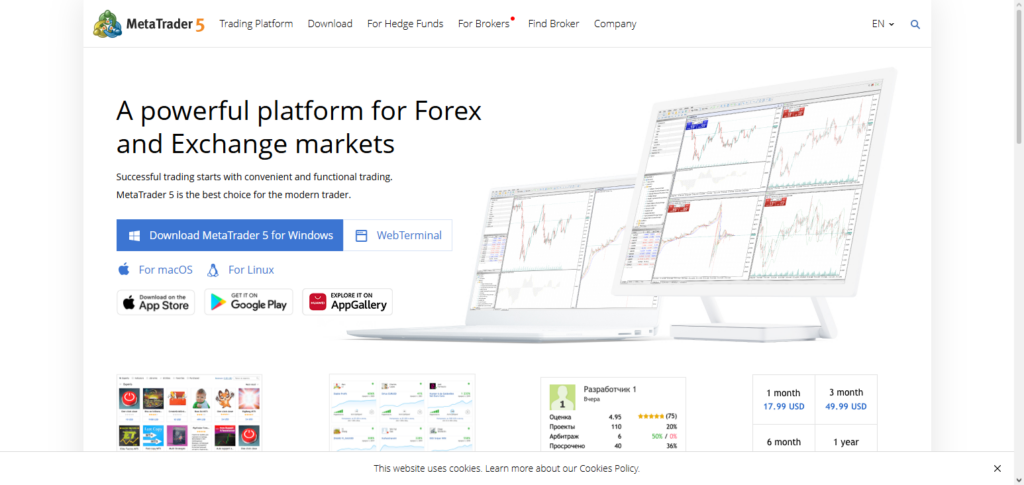
This makes it great for prop challenges. For precision and automation MT5 is one of the Best Tools to Integrate Bybit API with Prop Challenges. MT5 is unique with its adaptability and ability to let traders use experts advisors (EAs) and risk management to bridge the traditional with the crypto.
MetaTrader 5 (via Bridge) Features, Advantages & Disadvantages
Features
- EA-based automation through API bridges
- Diverse asset trading (crypto, forex, CFDs)
- Backtesting and tools optimization on advanced level
- Scripting and indicators customized
- Execution real-time through connectors third party
Advantages
- Many traders are familiar with the interface
- Strong automation and strategy testing
- Large ecosystem for plugins and developers
- Multiple brokers and exchanges are supported
- Plug and Play or bricolage trading setup
Disadvantages
- Bybit API requires Bridge third party
- Multiple bridges are sensitive and can increase setup
- Tools are crypto and limited to native
- Additional costs for solutions of the Bridge
2. NinjaTrader
NinjaTrader is a built-out trading platform for futures and forex with an API for crypto trading with Bybit. Like other trading platforms built for prop challenges, NinjaTrader has customizable trading strategies with preset tools, and it features complex charting and automated strategy trading.
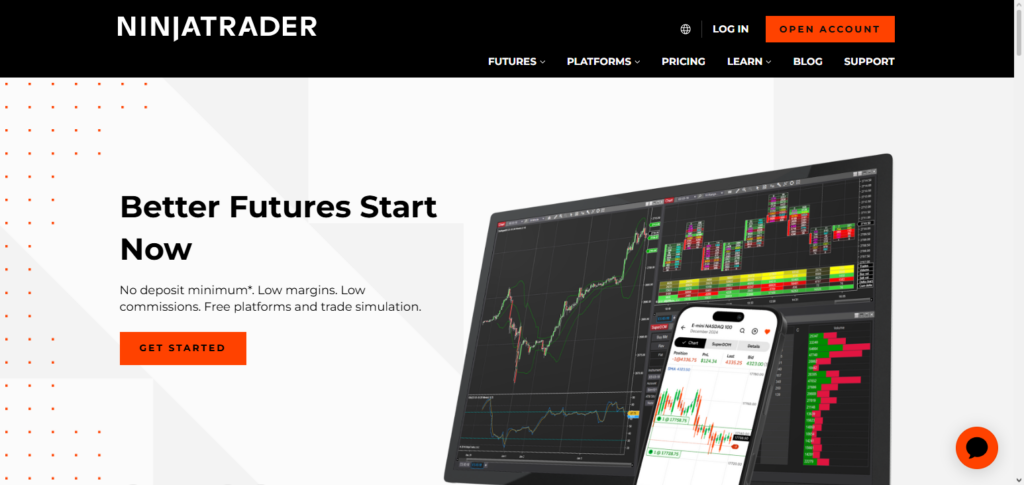
For prop challenges, NinjaTrader serves as one of the Best Tools to Integrate Bybit API with Prop Challenges because it offers ample and flexible tools for traders. It also offers the bridge to cross crypto with traditional trading throughout the markets, combined with advanced strategies for trading on the futures.
The portfolio and community ecosystem increases its value as it helps traders quickly modify strategies to align with prop firm specifications.
NinjaTrader Features, Advantages & Disadvantages
Features
- Tools for analytics and advanced charting
- Backtesting, replay, and strategy automation (based on C#)
- API integration through external plugins
- Tools for order flow and depth of the market
Advantages
- Interface for trading on the level of is professional
- for users advanced Strong automation
- Controls management risk strong
- Logic of execution is style futures excellent
- Flexibility of customization, strong
Disadvantages
- Knowledge of coding required for automation
- Support for crypto exchanges limited* Bybit API requires external integration
- Steeper learning curve
- Licensing costs for full features
3. AlgoTrader
AlgoTrader provides scalable, professional-grade, multi-asset, including crypto, algorithmic trading solutions. Via direct API with Bybit, traders can automate order placements, portfolio management, and risk management. Due to its scalability, AlgoTrader is ideal for prop challenges and sophisticated traders.

Within the category of Best Tools to Integrate Bybit API with Prop Challenges, AlgoTrader is proficient in complex strategy execution, backtesting, and compliance. Its cross-exchange and asset-class integration makes it easier for traders to meet the stringent risk management requirements of prop firms.
AlgoTrader Features, Advantages & Disadvantages
Features
- Institutional-grade algorithmic platform
- Multi-exchange crypto API support
- Automated risk and compliance engine
- Strategy backtesting and deployment
- FIX and REST API connectivity
Advantages
- Enterprise-level performance
- Strong prop firm compatibility
- Scalable for HFT and quant trading
- Built-in risk and compliance tools
- Reliable multi-asset integration
Disadvantages
- Expensive for retail traders
- Complex setup process
- Requires technical expertise
- Overkill for simple strategies
- Limited community resources
4. MultiCharts
MultiCharts is one of the more adaptable trading platforms, and it’s analytical power, strategy automation, and multiple data feed compatibility makes it stand out.
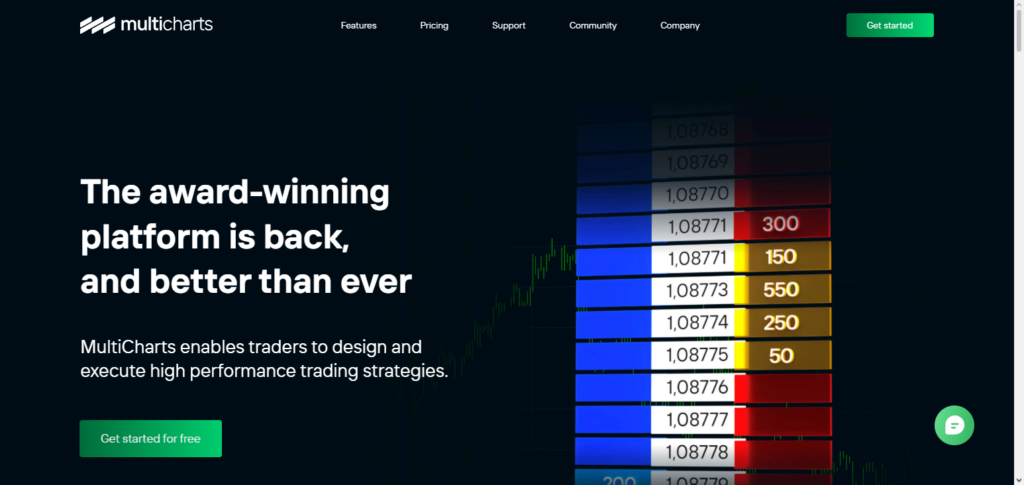
With the help of API bridges, Bybit integration becomes possible, enabling crypto traders to utilize its advanced backtesting and scripting. MultiCharts for prop challenges, strikes a pragmatic equilibrium of simplicity and sophistication, catering to both discretionary and algorithmic trading.
Being one of the Best Tools to Integrate Bybit API with Prop Challenges, MultiCharts enables traders to fine-tune their strategies, run comprehensive tests, and implement them successfully in areas that demand precision and flexibility.
MultiCharts Features, Advantages & Disadvantages
Features
- Advanced technical analysis tools
- PowerLanguage strategy coding
- Portfolio backtesting
- Broker and API integration
- Real-time chart based execution
Advantages
- Strong backtesting accuracy
- Reliable automated trading engine
- Works well for systematic traders
- Clean, customizable interface
- Good historical data handling
Disadvantages
- No native Bybit integration
- Requires API bridge setup
- Paid for software license
- Limited features for crypto support
- Small plugin ecosystem
5. Sierra Chart
Sierra Chart is considered to be the best service to use for low latency and high customization. While Sierra Chart is mostly used in equities and futures, it is still able to integrate with Bybit with the use of external API connectors for crypto trading.
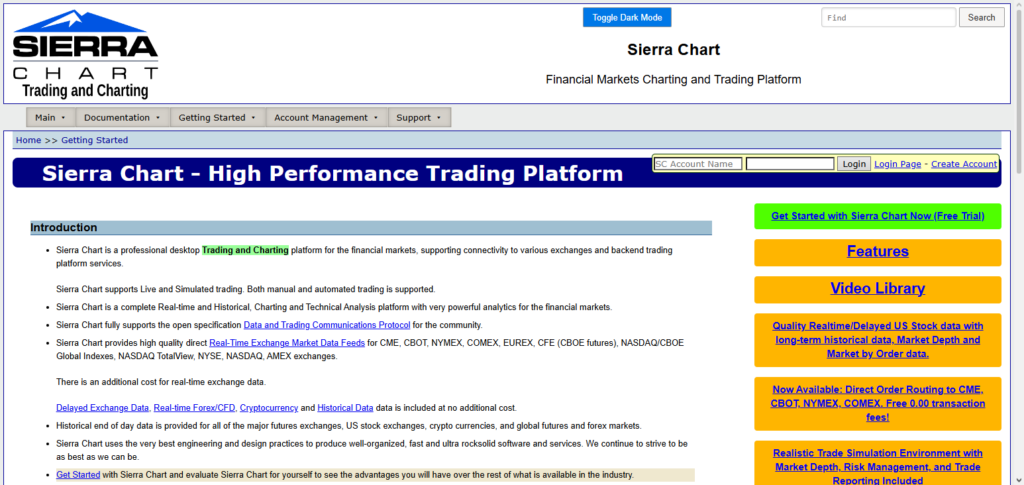
Sierra Chart is one of the best services to use for the prop challenges because the performance is still top-notch. Additionally, Sierra Chart is known to have a lightweight architecture and is able to cater to the trading complex needs of the user, especially in highly competitive environments.
Sierra Chart Features, Advantages & Disadvantages
Features
- Ultra-low latency charting engine
- Advanced order flow tools
- Custom studies and scripting* Flexible API architecture
- Rapid data throughput
Advantages
- Consistent and rapid
- Excellent for strategic trading
- Enterprise-level data tools
- Robust advanced trading capabilities
- Professional layout options
Disadvantages
- Clunky design
- Underdeveloped cryptocurrency exchange options
- API ramp up time
- Significant investment of time
- Expensive data and software options
6. DXtrade
DXtrade is considered broker-grade as a trading platform and is designed for multi-asset support, crypto included. It features native integration with Bybit’s API, flexible risk management, customizable dashboards, and seamless execution.
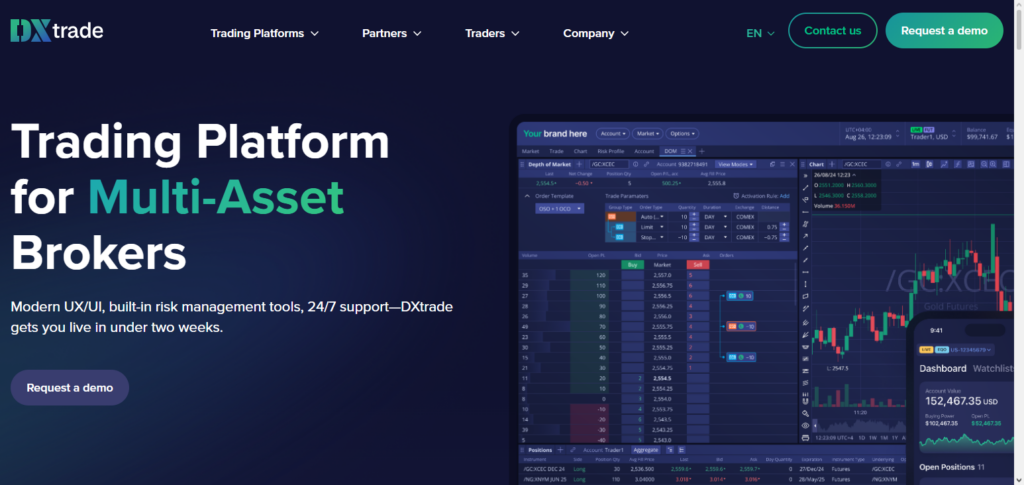
Among prop challenges, the value of DXtrade lies in the fact it mirrors winning professional trading environments, thus providing traders with a professional advantage.
As one of the top tools to integrate Bybit API with Prop Challenges, DXtrade balances simplicity with powerful features, making it ideal for firms and individual traders alike. It has the flexibility to help participants achieve the requirements of prop firms and enhance their trading with a range of strategies.
DXtrade Features, Advantages & Disadvantages
Features
- Platform for trading via web
- API integration hosted by broker
- Risk management features embedded
- Accessible on multiple devices
- Live account status updates
Advantages
- Trendy among contemporary portfolio management companies
- Simple integration for users
- No software download required, hosted on a remote server
- Excellent regulation features
- Great interface; good order execution
Disadvantages
- Automation capabilities are restricted
- Broker integration is required
- Less fine-tuning than smaller applications
- Basic data analysis functions
- Varies by data source
7. Coinrule
With Coinrule, traders can build their own strategies without coding through the use of their proprietary no-code automation system. Bybit’s API can be connected so that rules and strategies can be executed automatically.

Coinrule is one of the Best Tools to Integrate Bybit API with Prop Challenges and is perfect for retail challengers who prefer to use automation and systematic methods for prop challenges.
Coinrule also provides algorithmic trading infrastructure for retail traders through customizable templates, a backtesting framework, community strategies, a limit order automation tool, and a trading strategy marketplace, all of which supports the notion that prop trading is more about risk and performance than managing competing traders.
Coinrule Features, Advantages & Disadvantages
Features
- Automation of trading without code
- Strategy templates that are designed
- Bots that run on the cloud and execute trades
- Integration with multiple exchanges via APIs
- Support for signals from TradingView
Advantages
- Easy to use
- Rapid deployment of trading bots on Bybit
- No coding needed
- A robust solution for implementing strategies based on rules
- Great for strategies that are based on rules
Disadvantages
- Less advanced features
- Not a good choice for a high-frequency trading strategy
- Subscription-based fee structure
- Basic level of strategy development
- Possible execution delay
8. 3Commas
3Commas is a trading bot solution that provides cloud-based services and plugins directly to Bybit via API. Participants of prop challenges can use various features such as automated portfolios, copy trading, and trading smart terminals. Users can create their own bots, establish stop loss and take profit parameters, and track performance.

3Commas is regarded as one of the Best Tools to Integrate Bybit API with Prop Challenges. It features a straightforward design that is complemented with high-level automation. The unique combination of accessibility and sophisticated functionality means traders can fully optimize their tools with automation and analytics in order to comply with prop firm requirements.
3Commas Features, Advantages & Disadvantages
Features
- Smart trading order
- DCA & Grid trading bots
- Tools for portfolio tracking
- Exchange connectivity via API
- TradingView signal support
Advantages
- Crypto automation made easy
- Common choice for prop crypto traders
- Good preset risk management
- Intuitive UI
- Bots can be deployed rapidly
Disadvantages
- Subscription fee/monthly
- Limited customized strategy logic
- Designed for retail traders, not institutions
- API permission vulnerabilities
- Performance is dictated by exchange latency
9. Kryll.io
For cryptocurrency traders, Kryll.io is a drag-and-drop strategy builder. Users can automate strategies without knowing any code thanks to its smooth integration with Bybit’s API. Prop challenge contestants find its marketplace appealing since it provides pre-built tactics that can be rented or altered.

Kryll.io, one of the Best Tools to Integrate Bybit API with Prop Challenges, enables traders to rapidly test, backtest, and implement strategies. It is a great choice for traders who want to strike a balance between inventiveness and methodical execution because of its user-friendly design, which lowers the barrier to entry while yet providing sophisticated capabilities.
Kryll.io Features, Advantages & Disadvantages
Features
- Automated cloud-based trading
- Support for multiple exchange APIs
- Backtesting suite
- Trading strategy marketplace
- Strategy builder
Advantages
- No programming skills needed
- Sharing & monetizing strategies
- Seamless integration with Bybit
- Novice quant traders will like it
- Bots can be deployed rapidly
Disadvantages
- Pricing based on model tokens
- Fewer advanced indicators available
- Not suitable for high-frequency trading or scalping
- Depend on the cloud for execution speed
- Less populated than rival platforms
10. TradingView Webhooks
Through middleware solutions, TradingView Webhooks allow traders to link alerts straight to Bybit’s API. This enables the tactics that TradingView’s robust charting and alert system initiates to be executed automatically.
Webhooks offer flexibility for prop problems, allowing traders to create unique procedures without depending on large-scale platforms.
TradingView Webhooks are among the Best Tools to Integrate Bybit API with Prop Challenges because of their ease of use and versatility.
They are a useful solution for competitive trading situations since they let traders take advantage of TradingView’s analytics while guaranteeing a smooth interaction with Bybit.
TradingView Webhooks Features, Advantages & Disadvantages
Features
- Automation based on custom alerts
- Strategy signals from Pine Script
- API integration via webhooks
- Charting for multiple markets
- Notifications in real-time
Advantages
- Signal creating is very flexible
- Compatible with virtually all bot platforms
- Advanced charting features
- Setup costs are low
- Perfect for automating prop challenges
Disadvantages
- Needs external trade executor
- Order management is external
- Highly dependent on internet reliability
- Risk management is insufficient
- Delays with webhooks can occur
Risk Management for Prop Challenges Using Bybit API
Automate Daily Loss Limit: Create an automated halt for trading when daily loss limits are reached using the API for real-time PnL updates.
Maximum Drawdown Monitoring: Using API calls, Monitor equity and balance to firm down drawdown principles.
Controlled Position SizingPrior to trade execution, Compute lot size based on equity, the risk percentage, and the margin.
Trade Validation Layer: Before sending an order, check it against the prop firm policies, such as lot size, symbol, leverage, etc.
Enforcement of SL/TP: Limit loss and secure profit by putting parameters SL/TP to every order.
Checks on Leverage & Margin: Use the API to check leverage, and available margin to avoid liquidations.
Kill-Switch System: Risk limits should be introduced for an emergency stop that closes positions and cancels all open orders.
Filters Based on Time / Sessions: Create restrictions on trade to safe times to ensure high volatility periods that could risk hitting challenge guidelines are avoided.
Conclusion
Platforms that strike a mix between automation, risk management, and adaptability are necessary to integrate Bybit’s API with prop trading difficulties.
While AlgoTrader and DXtrade provide institutional-grade infrastructure for serious prop businesses, tools like MetaTrader 5 (via bridge) and NinjaTrader offer sophisticated charting and algorithmic depth. Coinrule, 3Commas, and Kryll.io ease automation with no-code or drag-and-drop solutions for traders looking for usability.
In the meantime, TradingView Webhooks enable lightweight, adaptable workflows, and MultiCharts and Sierra Chart offer strong analytics and low-latency execution. When combined, these platforms offer the Best Tools to Integrate Bybit API with Prop Challenges, enabling traders to compete successfully with accuracy, automation, and flexibility.
FAQ
Why should traders integrate Bybit API with prop challenges?
Integrating Bybit API allows traders to automate strategies, manage risk, and execute trades seamlessly. It ensures faster performance and compliance with prop firm rules, giving participants a competitive edge.
Which platforms are considered the best for Bybit API integration?
Top platforms include MetaTrader 5 (via bridge), NinjaTrader, AlgoTrader, MultiCharts, Sierra Chart, DXtrade, Coinrule, 3Commas, Kryll.io, and TradingView Webhooks. Each offers unique strengths for automation, analytics, and execution.
Do I need coding skills to use these tools?
Not always. Platforms like Coinrule, 3Commas, and Kryll.io provide no‑code or drag‑and‑drop solutions, while AlgoTrader and DXtrade are more technical and suited for advanced users.
Which tool is best for institutional‑level prop firms?
AlgoTrader and DXtrade are ideal for institutional setups due to their scalability, compliance features, and professional infrastructure.
What’s the simplest way to connect TradingView alerts to Bybit?
Using TradingView Webhooks with middleware solutions is the easiest method. Alerts trigger automated trades via Bybit’s API, making it flexible for prop challenges.