


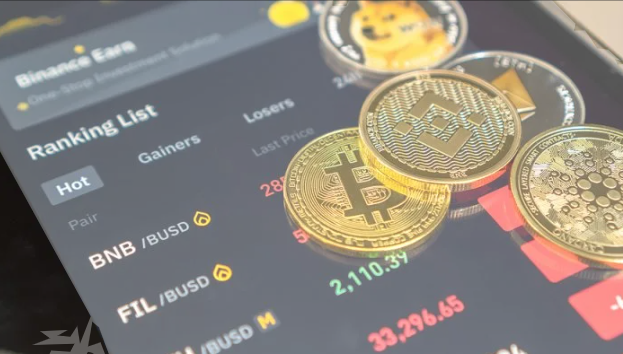
The Best Crypto Platforms for Cross Margin Trading will be covered in this article, with a focus on leading exchanges that provide cross-margin support, variable leverage, and sophisticated trading tools.
- Benefits Of Crypto Platforms for Cross Margin Trading
- Key Point & Best Crypto Platforms for Cross Margin Trading
- 1. Binance
- Binance Features, Pros & Cons
- 2. OKX
- OKX Features, Pros & Cons
- 3. KuCoin
- KuCoin Features, Pros & Cons
- 4. Crypto.com App
- Crypto.com App Features, Pros & Cons
- 5. Bitget
- Bitget Features, Pros & Cons
- 6. MEXC Global
- MEXC Global Features, Pros & Cons
- 7. Gate.io
- Gate.io Features, Pros & Cons
- 8. BitMEX
- BitMEX Features, Pros & Cons
- 9. Coinbase Advanced
- Coinbase Advanced Features, Pros & Cons
- 10. Huobi (HTX)
- Huobi (HTX) Features, Pros & Cons
- Comparison table
- Conclusion
- FAQ
These platforms offer the resources, liquidity, and risk management choices required for both novice and expert traders to trade numerous cryptocurrencies effectively, optimize possible gains, and reduce liquidation risks.
Benefits Of Crypto Platforms for Cross Margin Trading
Better Capital Usage: Cross margin trading lets traders use all funds in their accounts for additional open positions. This increases the chance to be profitable as the loss of one position can be covered by the profit of another position therefore the trader is less likely to be liquidated.
More Leverage: Traders are able to gain more leverage as their accounts’ balance are able to be merged which is more than isolated margin accounts. Hence additional funds are not needed to open bigger positions.
Loss Reduction; Cross margin helps to reduce the chances of autoliquidation for one losing position as there are profitable positions so more losing autoliquidated positions are less likely.
More Flexible Trading with Various Cryptocurrencies: Trading with margin is more flexible so margin can be efficiently allocated as positions can be opened with multiple cryptocurrencies at the same time while also providing diversification of the portfolio.
Cheaper Trading: Trading is more cheaper as less margin needs to be topped up as there is margin that is being shared so positions are able to be opened without hitting their margin call which is also where the borrowing fees are charged.
Better Management of Portfolio: Cross margin trading helps traders to manage their positions in the same portfolio so that they are able to streamline risk management as well as portfolio type of position so management has more control over the types of positions in the margin.
Benefits of Higher Tier Features: Along with cross-margin trading, most leading platforms (Binance, OKX, BitMEX) provide additional services, including stop-loss and take-profit orders, as well as automated liquidation protection.
Key Point & Best Crypto Platforms for Cross Margin Trading
| Platform | Key Point |
|---|---|
| Binance | Largest trading volume, wide range of crypto pairs, advanced trading tools, and high liquidity. |
| OKX | Offers futures, options, and DeFi staking with strong security features. |
| KuCoin | User-friendly interface, supports many altcoins, and has profit-sharing via KuCoin Shares (KCS). |
| Crypto.com App | Integrated crypto wallet, card rewards, staking options, and beginner-friendly mobile interface. |
| Bitget | Focused on derivatives and futures trading with copy trading features. |
| MEXC Global | Wide token selection, margin and futures trading, and fast listing of new coins. |
| Gate.io | Strong altcoin variety, DeFi support, and margin trading with robust security measures. |
| BitMEX | Specialist in crypto derivatives, leveraged trading, and advanced charting tools. |
| Coinbase Advanced | Regulated platform, easy fiat on-ramp, and advanced trading features for professionals. |
| Huobi (HTX) | Large global presence, futures and spot trading, and strong liquidity for major coins. |
1. Binance
Changpeng Zhao (CZ) and Yi He founded Binance in July 2017, and it swiftly grew to become the largest cryptocurrency exchange in the world by trading volume. It provides traders with deep liquidity and a huge list of tokens. With competitive maker/taker costs that typically range from 0.08 to 0.10 percent for spot and 0.02 to 0.05 percent for futures, it supports both the spot and derivatives markets.
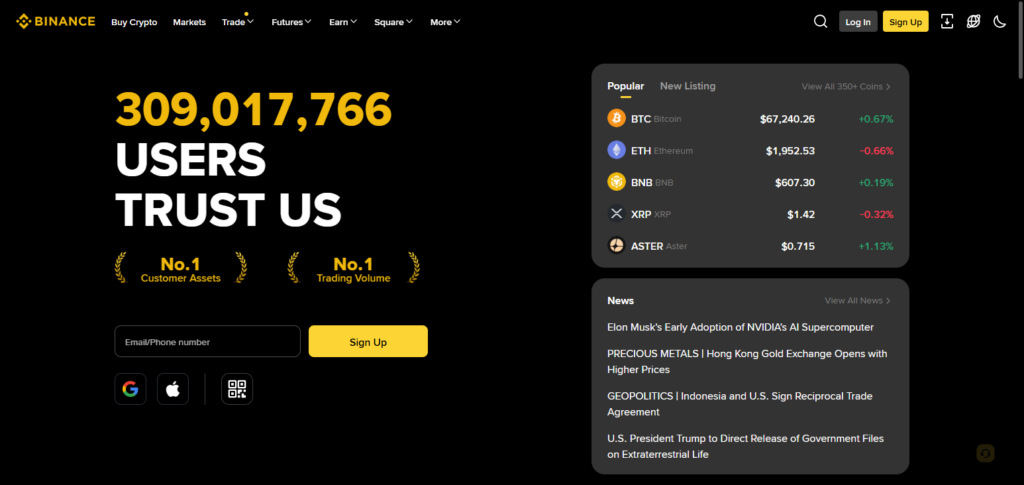
If paid in BNB, there are discounts available. Binance is one of the top platforms for cross-margin trading worldwide since it offers portfolio margin and cross-margin trading features that enable users to leverage positions across assets.
Binance Features, Pros & Cons
Features
- Spot, futures and marging trading
- +600 crypto pairs with large liquidity
- Supports cross‑margin and portfolio margin
- Charting tools and order type set
- Save and stake with Binance Earn
Pros
- Slippage is low and liquidity is high
- BNB discounts have associated fees
- Large global ecosystem
- Cross margin + leverage
- Innovations and multiple token listings
Cons
- Country specific legal regulations
- Learning curve for UI
- Maintenance delays during high volatility
- Long customer support
- Some features are country specific
2. OKX
The international cryptocurrency trading platform OKX is well-known for offering a wide range of sophisticated trading instruments, such as swaps, futures, options, and spot.
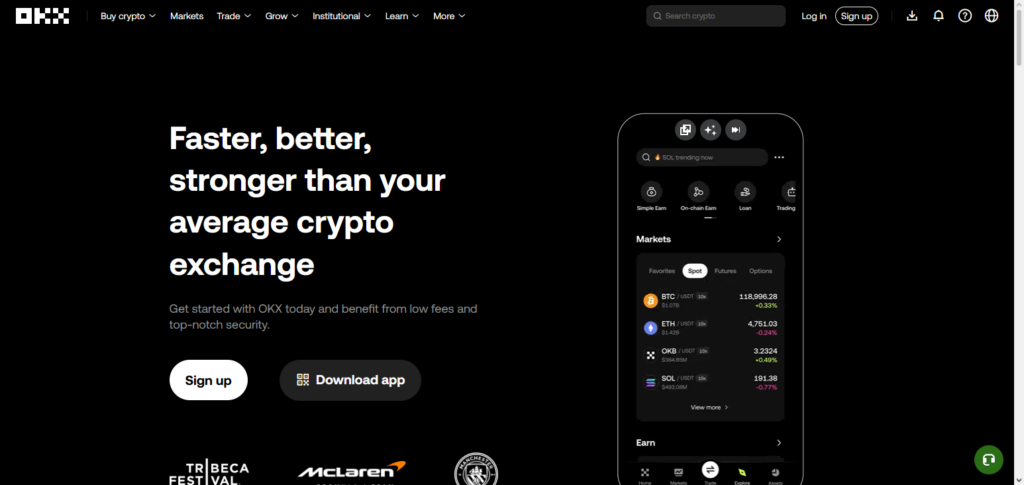
Established in 2017, OKX draws expert traders with its advanced charting and risk tools and inexpensive base fees (around ~0.08 % maker and ~0.10 % taker on spot and ~0.02 % / ~0.05 % on futures).
It enables traders to allocate capital effectively across positions and risk tiers by supporting sophisticated cross-margin modes including Multi-Currency Margin and Portfolio Margin. For cross-margin trading, this makes it one of the top cryptocurrency exchanges.
OKX Features, Pros & Cons
Features
- Spot, futures, options, and perpetual swaps
- Cross-margin and multi-currency margin
- DeFi and on-chain earning products
- Institutional-grade APIs and risk tools
- Multi-platform access (web/app)
Pros
- Good liquidity across majors
- Derivatives suite is robust
- Flexible margin options
- Strong risk management and security
- Competitive fee structure
Cons
- UI can be complex for new users
- Depending on your location some features may be unavailable.
- The ability to use fiat may be limited in your region.
- The response time to your ticket may take longer than expected.
- There may be less teaching material available for new users.
3. KuCoin
A global exchange featuring a wide range of altcoins and features like spot trading, margin, futures, and loans, KuCoin was first established in China in 2017 before moving to the Seychelles.

For makers and takers, standard spot fees begin at about 0.10%, while futures fees range from 0.02% to 0.06%, with further savings for KuCoin Shares (KCS). KuCoin offers customizable leverage up to 10× or more, automatic borrowing and repayment features, and support for both isolated and cross-margin trading. Traders looking for cross-margin capabilities and a variety of assets use it extensively.
KuCoin Features, Pros & Cons
Features
- Spot/futures/isolation margin and cross margin
- KCS (KuCoin Shares) rewards and refunds
- Trading and social trading
- Lending/staking/earning
- It supports a wide range of altcoins.
Pros
- There is a huge variety of tokens.
- There is a wide range of trading tokens.
- There are KCS rewards.
- Flexible financial leverage.
- The community is active.
Cons
- There is a community engagement and social feature.
- There is a lack of regulation.
- Difficult features are not beginner friendly.
- There is a lack of regulation.
- Some tokens have unverified low liquidity.
4. Crypto.com App
Founded by Bobby Bao, Gary Or, Kris Marszalek, and Rafael Melo on June 30, 2016, Crypto.com is based in Singapore and offers a cryptocurrency app, exchange, and ecosystem services like DeFi wallets and payment cards.
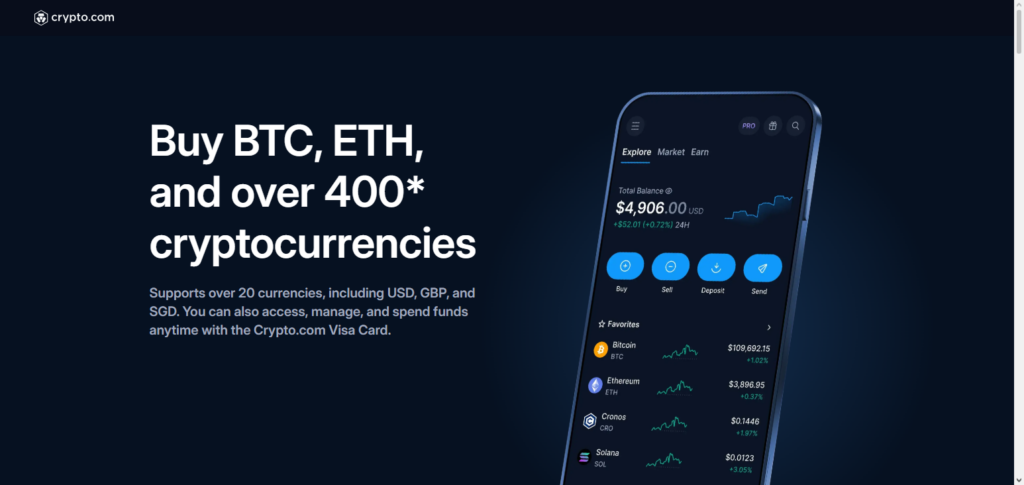
Although costs on Crypto.com vary by tier, they are often less than those on Coinbase; margin fees can be either flat or asset-specific, and futures leverage products are also offered.
The platform supports margin trading capabilities and is appropriate for users that desire wallet-to-trade connectivity combined with access to spot and leveraged positions, even if its main focus is on integrated services and consumer acceptance.
Crypto.com App Features, Pros & Cons
Features
- Exchange with an integrated wallet
- Spot and margin
- Payments + Visa Crypto
- Staking reward
- Lending + earning + DeFi
Pros
- The experience is mobile friendly for beginners.
- Integration across a financial system is positive.
- There are rewards for using and cashing out the card.
- Easy access to fiat
- The features of the wallet are mobile and secure.
Cons
- The margin trading is somewhat less advanced than it could be.
- Fees are higher for small trades.
- There are not many derivative products.
- It does not cater to advanced traders.
- Rates are less predictable.
5. Bitget
Founded in 2018, Bitget has developed into a well-known international exchange with a reputation for cheap fees, duplicate trading, and derivatives markets. Spot costs usually start at about 0.10 percent maker/taker, futures fees are around 0.02 percent and 0.06 percent, and certain perpetuals have high leverage up to 125×.
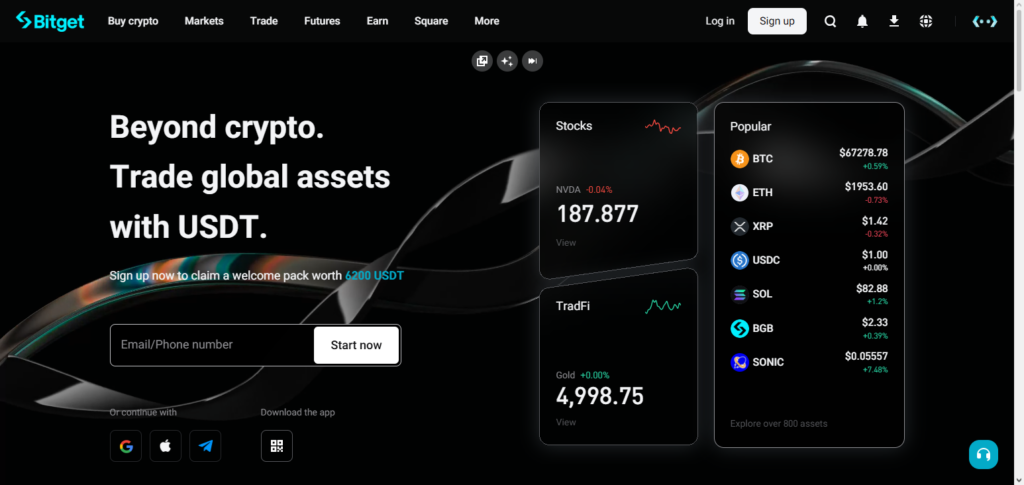
The platform is one of the best options for margin and leveraged traders looking for cross-collateral exposure because it allows both isolated margin and cross-margin trading, and it has a derivatives infrastructure in addition to social and copy trading features.
Bitget Features, Pros & Cons
Features
- Focus on derivatives and futures trading
- Spot and margin trade
- Margin trading; cross & isolated
- Marketplace for copy trading
- High leverage; trading up to 125×
Pros
- Strong for leverage and derivatives
- Social/copy trading aids beginners
- Solid cross-margin support
- Fee structure is competitive
- Global active user base
Cons
- Smaller spot token library
- Compared to large exchanges, little fiat support
- Complex Interfaces
- Restricted region-wise
- Support varied in quality
6. MEXC Global
MEXC Global, a Seychelles-based company founded in 2018, is renowned for its ultra-competitive costs, which include zero or nearly zero maker fees and extremely low taker fees on specific futures, as well as its extensive token inventory.
It appeals to traders who want to access a wide variety of specialized tokens and sophisticated derivative products because it provides both isolated and cross-margin options, as well as large leverage (up to 200× on some contracts). Despite regional variations in regulatory compliance, MEXC is frequently praised for its cost effectiveness, which makes it appealing to high-volume and cross-margin traders.
MEXC Global Features, Pros & Cons
Features
- Spot, futures, and margin trading
- Margin trading; cross & isolated
- High leverage; margin up to 200×
- Quick listings for new tokens
- Advanced charts and API support
Pros
- Diversity in trading altcoins
- Extremely low trading fees
- Derivatives have high leverage
- Margin trading flexible
- Value in new token listings
Cons
- Regulatory weak footprint
- UI can be cluttered
- Low liquidity in Some tokens
- Support delays
- Available fiat is limited
7. Gate.io
One of the oldest cryptocurrency exchanges currently in operation, Gate.io was created in 2013 by Dr. Han and has been steadily growing its global footprint ever since. It provides a large range of digital assets (more than 1,700), futures markets, and complete margin solutions with both isolated and cross margin modes.
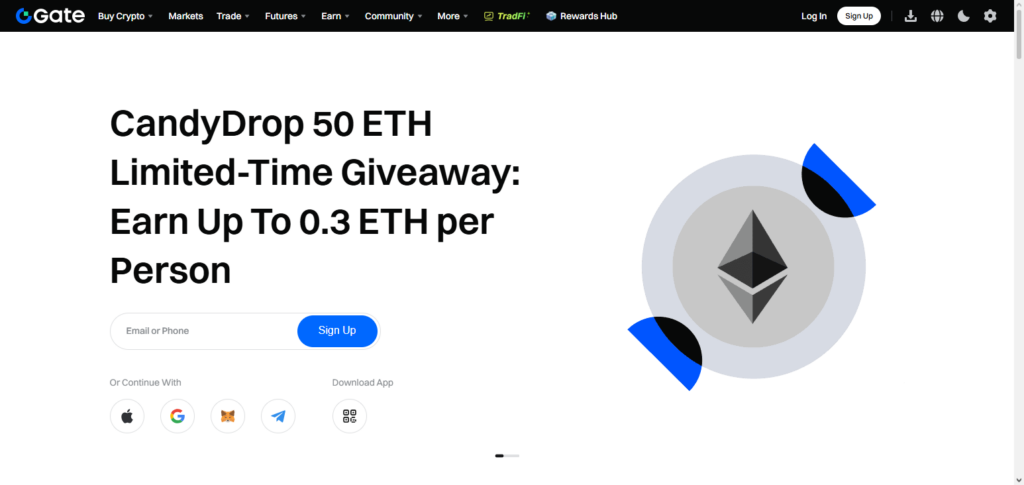
Competitive spot and futures fees (often between 0.015 and 0.05 percent on futures) plus Gate.io’s wide range of token support and cross-margin tools make it a good option for traders looking for flexible margin and exposure to a variety of marketplaces.
Gate.io Features, Pros & Cons
Features
- Spot, margin (cross & isolated)
- Futures & active perpetual contracts
- Staking and lending channels
- Wide token catalog
- Mine liquidity, earn, and launchpad
Pros
- Large selection of tradeable tokens
- Margins and leverages are adjustable
- Variety of earning products available
- Stability and security
Cons
- Outdated user interface
- Support response times are slower than most competitors
- Increased fees for certain trading pairs
- Limited features based on user’s current location
- The platform may be excessively complex for novice users
8. BitMEX
One of the first and most well-known cryptocurrency derivatives platforms, BitMEX was founded in 2014 by Arthur Hayes, Ben Delo, and Samuel Reed. With leverage up to ~100× on significant markets like Bitcoin, it focuses nearly entirely on leveraged products like futures and perpetual swaps.
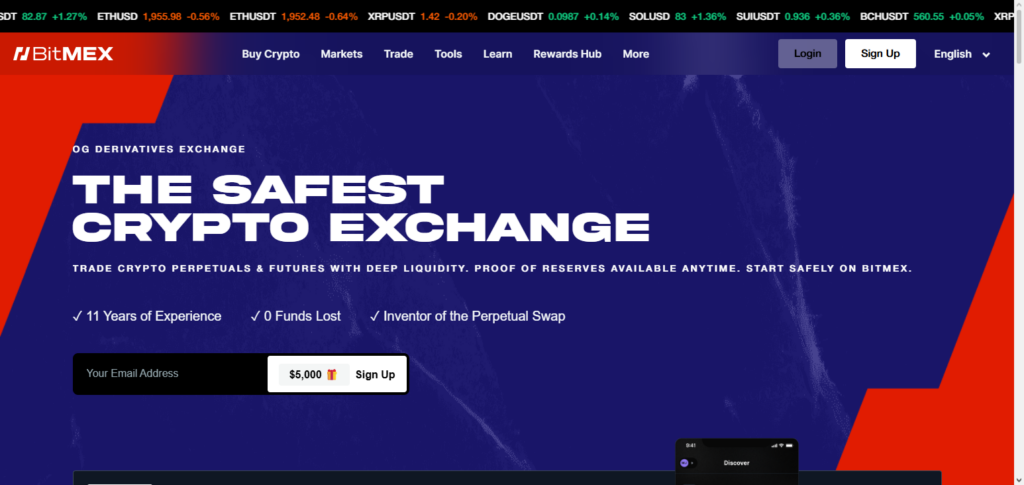
Although its user interface is more complicated, its legacy offers deep derivatives features, and prices have historically been competitive (e.g., occasionally negative maker fees to encourage liquidity). BitMEX is a traditional option for experienced leveraged traders because it offers cross-margin features.
BitMEX Features, Pros & Cons
Features
- Focus on perpetual futures and swaps
- Potential for leveraged trading of ~100x
- Margin can be cross or isolated
- Risk management features are advanced
- Liquidity for institutions
Pros
- Best for trading derivatives
- Significant liquidity and market depth
- Reduced liquidation risk with cross-margin
- Derivatives have low trading fees
- Features are geared toward professional trading
Cons
- Extremely limited spot market
- Not suitable for beginners
- Many regions have severe KYC (Know Your Customer) laws
- Less diverse products than complete exchanges
- The user interface appears to be overly technical
9. Coinbase Advanced
Compared to the original Coinbase retail platform, Coinbase Advanced, which is a part of Coinbase’s ecosystem, offers a more sophisticated trading interface and fee schedule. In 2012, Coinbase began as a U.S.-regulated exchange with a reputation for compliance and security.
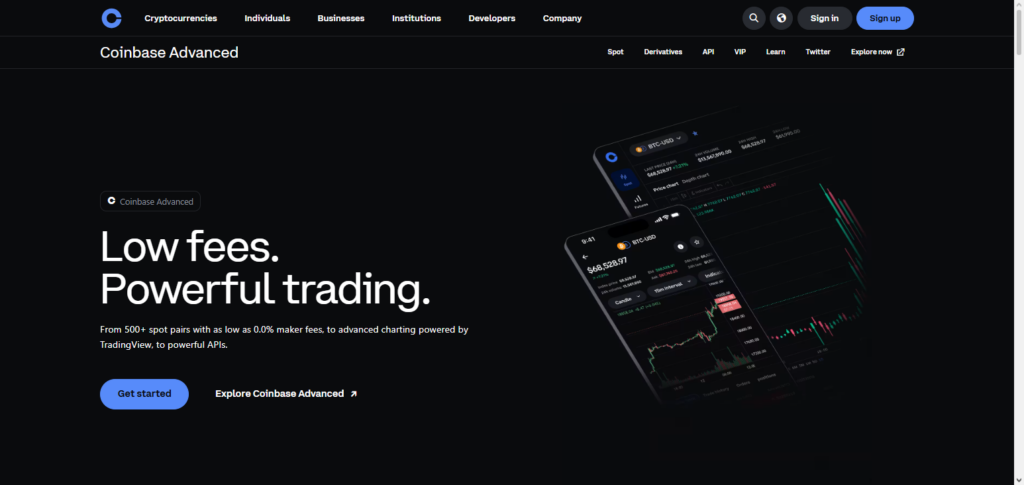
Though often higher than international exchanges like Binance or OKX, advanced trading offers lower fees than basic Coinbase trades. The precise maker/taker fees vary by volume tier, although they are usually above 0.20 percent on spot. With a focus on institutional access and compliance, it also supports margin and derivative products in markets where regulations permit.
Coinbase Advanced Features, Pros & Cons
Features
- Spot and margin trading for professionals
- U.S. exchange with regulation
- Sophisticated charting applications
- Ability to trade fiat currency for crypto
- Institutional tools and API
Pros
- High security, great platform
- Compliance and regulation are strong
- The crypto and fiat trading process is simple
- The platform has sophisticated trading tools
- The platform can be used institutionally
*Cons
- Poor competitive pricing on accounts
- Less than optimal variety of altcoins
- Some regions have restricted margin features
- High leverage has not been prioritized
- There may be restrictions on cross-margin options
10. Huobi (HTX)
Leon Li launched HTX, originally known as Huobi, in 2013, and it has since grown to become one of the top cryptocurrency exchanges in the world. It is well-known for its spot, futures, and margin capabilities and has spread throughout Asia and other markets.
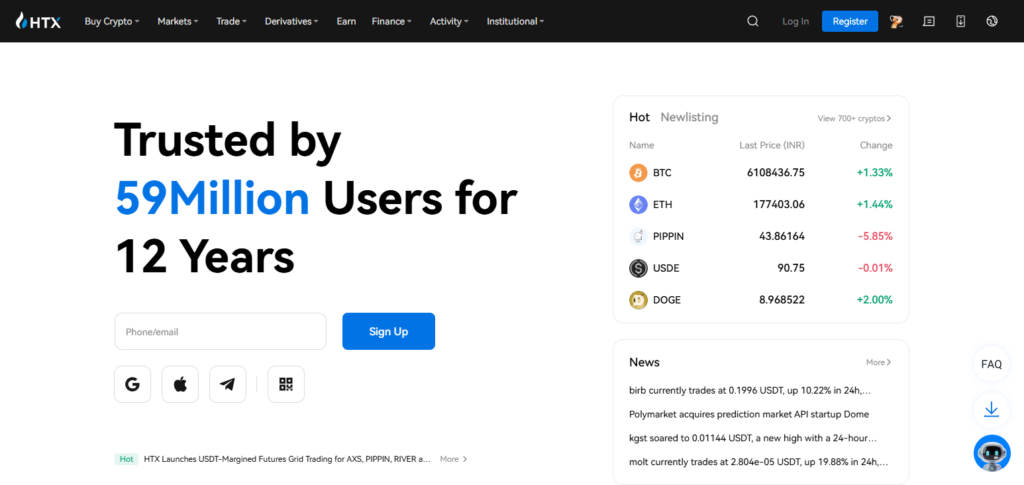
In addition to offering a wide range of assets, HTX offers both isolated and cross-margin trading. With decades of operation, it is still a heritage platform for traders seeking leveraged exposure and cross-margin trading features across several cryptocurrency exchanges. Fees typically range around average industry standards depending on tier.
Huobi (HTX) Features, Pros & Cons
Features
- Spot, futures & derivatives
- Cross & isolated margin
- Staking and lending products
- Large selection of assets
- Earn & liquidity mining
Pros
- Established exchange since 2013
- Reasonable fees
- Variety of trading products
- Extensive token offerings
- Support for cross-margin
Cons
- Some regions have regulatory limits
- UI is not as modern as other competitors
- Support response time is inconsistent
- Limited options for Fiat
- Some features are advanced for beginners
Comparison table
| Platform | Features | Pros | Cons | Cross-Margin Trading |
|---|---|---|---|---|
| Binance | Spot, futures, options, margin; 600+ pairs; Portfolio & cross-margin; Advanced charts; Staking & Earn | Largest liquidity; Competitive fees; Flexible leverage; Strong ecosystem; Frequent token listings | Regulatory issues in some regions; Complex UI for beginners; Occasional downtime; Feature region-lock; Support delays | ✅ Excellent |
| OKX | Spot, futures, options; Multi-currency & cross-margin; DeFi & staking; APIs; Mobile & desktop | Strong security; Low fees; Flexible margin modes; High liquidity; Robust derivatives | Complex for new users; Jurisdiction limits some features; Limited fiat in some regions; Support response varies; Learning curve | ✅ Excellent |
| KuCoin | Spot, futures; Cross & isolated margin; KCS rewards; Copy trading; Lending & staking | Large altcoin selection; Competitive fees; Copy trading; Flexible leverage; Active community | Limited regulation; Advanced tools can confuse beginners; Withdrawal limits; Support delays; Some low liquidity tokens | ✅ Good |
| Crypto.com App | Mobile wallet & exchange; Spot & margin; Visa card; Staking & Earn; DeFi wallet | Beginner-friendly; Integrated ecosystem; Rewards & cashback; Easy fiat on-ramp; Mobile-first | Limited margin features; Higher fees on small trades; Few derivatives; Less professional focus; Fluctuating rewards | ✅ Good |
| Bitget | Futures & derivatives; Spot & margin; Cross & isolated margin; Copy trading; High leverage | Strong derivatives; Copy trading; Cross-margin; Competitive fees; Active users | Smaller token selection; Limited fiat; Complex UI; Restricted regions; Support varies | ✅ Good |
| MEXC Global | Spot, futures; Cross & isolated margin; High leverage; Fast new token listings; Advanced charts | Huge altcoin variety; Low fees; High leverage; Flexible margin; Frequent token additions | Weak regulation; Cluttered UI; Some low liquidity tokens; Support delays; Limited fiat | ✅ Good |
| Gate.io | Spot & margin; Futures & perpetuals; Lending & staking; Wide token catalog; Launchpad | Long-established; Deep token availability; Flexible margin; Various earning products; Secure | Older UI; Slower support; Higher fees on some pairs; Regional restrictions; Overwhelming for beginners | ✅ Good |
| BitMEX | Perpetual swaps & futures; High leverage; Cross & isolated margin; Risk management tools; Institutional liquidity | Top derivatives; Deep liquidity; Cross-margin reduces liquidation risk; Low futures fees; Professional tools | Very limited spot; Not beginner-friendly; Strict KYC; Fewer product types; Technical UI | ✅ Excellent |
| Coinbase Advanced | Professional spot & margin; Regulated; Advanced charts; Fiat gateway; Institutional APIs | Strong compliance; Secure; Easy fiat on-ramp; Advanced orders; Institutional-ready | Higher fees; Fewer altcoins; Limited margin; Low leverage; Restricted cross-margin | ✅ Good |
| Huobi (HTX) | Spot, futures; Cross & isolated margin; Staking & lending; Large token selection; Earn & liquidity mining | Established exchange; Competitive fees; Flexible products; Wide assets; Cross-margin | Regulatory restrictions; Less modern UI; Support response slow; Limited fiat; Complex features | ✅ Good |
Conclusion
In conclusion, traders looking for cross-margin trading have access to a range of platforms in the cryptocurrency space, each of which serves a distinct purpose. Professional traders will find Binance and OKX excellent because to their substantial liquidity, wide range of token alternatives, and sophisticated portfolio margin tools. Bitget and Gate.io offer strong cross-margin functionality in addition to derivative markets, whereas KuCoin and MEXC Global are superior in terms of altcoin availability and adjustable leverage. Experienced traders can access sophisticated leveraged options with robust risk management through platforms such as BitMEX and Huobi (HTX). Coinbase Advanced guarantees security and compliance for regulated access. Ultimately, choosing the best platform involves balancing efficiency and risk and is influenced by desired assets, fees, leverage choices, and cross-margin support.
FAQ
What is cross margin trading in crypto?
Cross margin trading allows traders to use the full balance of their account to support positions. Profits from one position can offset losses in another, reducing the risk of liquidation compared to isolated margin.
Which crypto platforms offer the best cross margin trading?
Top platforms include Binance, OKX, KuCoin, Bitget, MEXC Global, Gate.io, BitMEX, Huobi (HTX), and Coinbase Advanced. These provide strong liquidity, flexible leverage, and risk management features.
How much leverage is available on cross margin platforms?
Leverage varies by exchange. Binance and OKX often offer up to 20× on cross margin for spot and 125× or more for futures, while KuCoin, Bitget, and MEXC Global provide similar high-leverage options depending on the token.
Are cross margin trades risky?
Yes. While cross margin reduces liquidation risk compared to isolated margin, losses can affect your entire account balance if the market moves against you. Proper risk management is essential.