
In this article I am going to talk about Best Crypto Transaction Simulation Tools which help the users and developers to review the blockchain transactions before signing. These tools include transaction previews, smart contract execution analysis, gas estimates, token balance changes and risk detection. I will discuss their key features, supported blockchains, pricing, pros and cons to help you choose a suitable simulation platform.
- Key Points
- 1. Tenderly Simulator
- Tenderly Simulator
- 2. Alchemy
- Alchemy
- 3. Foundry Anvil
- Foundry Anvil
- 4. Blockaid
- Blockaid
- 5. Eco Sauce SDK
- Eco Sauce SDK
- 6. Hardhat Network
- Hardhat Network
- 7. Ganache
- Ganache
- 8. Remix VM
- Remix VM
- 9. QuickNode Transaction Preview
- QuickNode Transaction Preview
- 10. Chainstack Forking Sandbox
- Chainstack Forking Sandbox
- Conclusion
- FAQ
Key Points
| Tool | Key Point |
|---|---|
| Tenderly Simulator | Simulates transactions, deployments, and multi-step on-chain operations against the live state of 100+ blockchain networks before execution. |
| Alchemy | Provides transaction simulation methods that allow developers to preview execution outcomes, asset changes, and transaction bundles before broadcasting. |
| Foundry Anvil | A local Ethereum development node that supports mainnet forking and transaction testing against specific blockchain states. |
| Block | Offers pre-chain transaction validation, mempool monitoring, gas estimation, and simulation capabilities for wallet and dApp developers. |
| Eco Sauce SDK | Includes simulation tools for transaction programs across Ethereum, Base, Arc, and Solana environments before execution. |
| Hardhat Network | Provides a local Ethereum development environment that lets developers simulate and test smart contract transactions before deployment. |
| Ganache | A personal blockchain for Ethereum development that enables transaction simulation, contract testing, and debugging in a controlled environment. |
| Remix VM | The built-in virtual blockchain environment within Remix IDE that allows developers to simulate contract interactions without using a live network. |
| QuickNode Transaction Preview | Helps developers inspect likely transaction outcomes and execution behavior before transactions are submitted on-chain. |
| Chainstack Forking Sandbox | Enables simulation of transactions on forked blockchain environments for testing DeFi interactions and smart contract changes without risking real funds. |
1. Tenderly Simulator
Tenderly Simulator is a blockchain simulation environment for developers that enables users to simulate transactions on the live blockchain state before submitting them. It supports simulation types like single-transaction previews, multi-transaction bundles, historical replays and forked virtual environments.
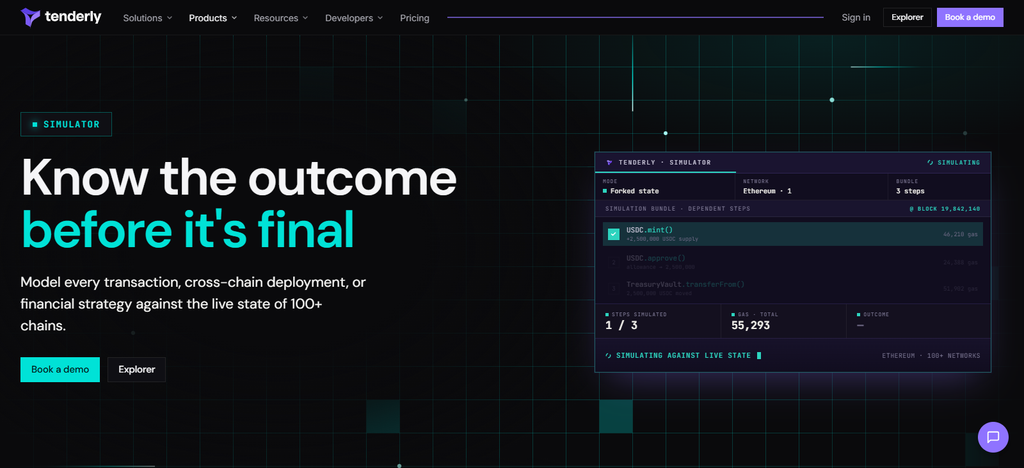
Transaction previews show token transfers, balance changes, contract events, execution traces and gas usage to help developers find failed calls and unexpected results. Through its supported network infrastructure, Tenderly supports 100+ blockchain networks, including major EVM ecosystems.
Gas estimation & profiling: insight at execution level. Its free plan allows single-transaction simulation in a browser, while enhanced API access, virtual environments, and team functionality are available through custom paid plans.
Tenderly Simulator
| Key features | Details |
|---|---|
| Live Transaction Simulation | Tests transactions against current blockchain state before execution. |
| Transaction Bundles | Simulates multiple dependent transactions in sequence. |
| Gas Profiler | Shows gas consumption and execution costs. |
| State Changes | Displays token transfers, balance changes, and contract storage updates. |
| Historical Replay | Reproduces transactions against previous blockchain states. |
Pros
| Advantages |
|---|
| Provides detailed execution traces and debugging information. |
| Supports simulation across 100+ blockchain networks. |
| Offers free single-transaction simulation through its dashboard. |
| Supports complex DeFi and multi-step transaction testing. |
Cons
| Limitations |
|---|
| Advanced features can require paid team plans. |
| Developers may need technical knowledge to use its APIs. |
| Some workflows require additional configuration of virtual environments. |
2. Alchemy
Alchemy is a blockchain developer infrastructure platform with APIs, RPC services, debugging tools, and transaction data tools. It has provided transaction simulation with execution previews, asset-change analysis, decoded traces, and bundled transaction testing through its Transact API methods.
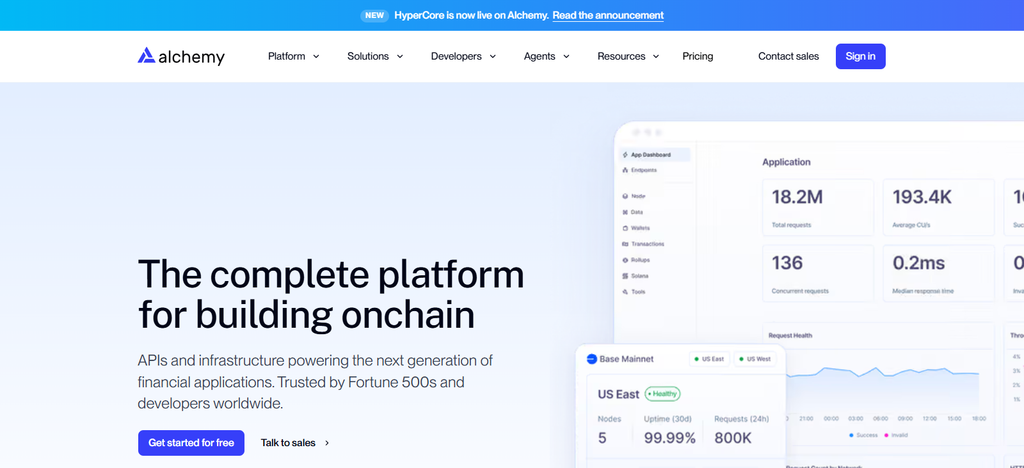
These features enable developers to inspect the expected token movements, the outcome of the contract execution, and transaction errors prior to broadcasting operations. Alchemy supports over 100 blockchains throughout its wider infrastructure, but API availability for individual networks is subject to support from the networks.
You can use execution and debugging methods to inspect gas information. We have three price plans: Free, Pay-As-You-Go, and Enterprise. Important 2026 update: Alchemy has announced that its legacy alchemy_simulate* methods will be deprecated on September 30, 2026, so readers should look for current replacement methods before selecting it specifically for simulation.
Alchemy
| Key features | Details |
|---|---|
| Asset Change Simulation | Estimates expected asset movements from transactions. |
| Execution Simulation | Provides execution traces, logs, and transaction results. |
| Bundle Simulation | Tests multiple transactions in sequence. |
| Developer APIs | Integrates simulation workflows into blockchain applications. |
| Multichain Infrastructure | Provides APIs and RPC access across supported networks. |
Pros
| Advantages |
|---|
| Offers developer-friendly APIs for application integration. |
| Helps identify unexpected asset movements. |
| Supports automated transaction analysis. |
| Provides free infrastructure access with usage limits. |
Cons
| Limitations |
|---|
| Requires development knowledge for advanced integration. |
| API usage can increase infrastructure expenses. |
| Individual simulation methods and network availability require verification. |
3. Foundry Anvil
Foundry Anvil is a local Ethereum development node that can be used to test smart contract functionality and blockchain transactions in a controlled environment. It uses local blockchain execution simulation type, mainnet forking, so developers are able to reproduce real network conditions without broadcasting transactions.
Users can fork an EVM-compatible blockchain at a specific block, make contract calls, impersonate accounts, change balances, and inspect transaction traces. Its transaction preview is developer-driven, not an out-of-the-box wallet interface, allowing users to inspect execution results, state changes and receipts via scripts and debugging tools.
Anvil gives you information on gas usage and execution level. It supports Ethereum and other EVM compatible networks by forking. Foundry is free to use and open-source, though RPC infrastructure may have additional costs.
Foundry Anvil
| Key features | Details |
|---|---|
| Local Blockchain | Runs a local Ethereum development node. |
| Mainnet Forking | Copies an EVM network state at a selected block. |
| Account Impersonation | Allows developers to test transactions using existing account identities. |
| State Management | Saves and restores blockchain testing environments. |
| Transaction Tracing | Provides execution traces for debugging smart contracts. |
Pros
| Advantages |
|---|
| Free and open-source development environment. |
| Supports forking of EVM-compatible networks. |
| Offers flexible control over accounts and blockchain state. |
| Useful for repeatable automated testing. |
Cons
| Limitations |
|---|
| Requires command-line and development knowledge. |
| Does not provide a standard consumer wallet preview interface. |
| External RPC access may involve additional costs. |
4. Blockaid
Blockaid offers transaction simulation and security validation services that allow wallets, applications, and blockchain companies to see the results of a transaction before the user signs. Its simulation type integrates transaction previewing and threat detection to aid in identifying suspicious contract interactions, potentially harmful transfers and unexpected asset movements.
The preview feature shows the effect of a transaction on the chain, including state changes and execution results. Depending on its specific product integration, Blockaid supports multiple blockchain ecosystems such as Ethereum, Solana, Base, Optimism, Linea, Blast and Bitcoin.
Its security focus can help protect wallets and screen transactions at the application level. It is not intended primarily for gas estimation, and developers should consult the relevant integration for execution-cost information that is available. Pricing is typically demo-driven or enterprise-focused, not a standard public self-service option.
Blockaid
| Key features | Details |
|---|---|
| Transaction Simulation | Shows potential transaction outcomes and state changes. |
| Threat Detection | Identifies suspicious blockchain activities and malicious interactions. |
| Address Scanning | Checks wallet addresses for security risks. |
| Token Scanning | Identifies potentially malicious tokens and wallet-drainer connections. |
| dApp Scanning | Detects suspicious decentralized applications before interaction. |
Pros
| Advantages |
|---|
| Combines transaction simulation with security screening. |
| Helps identify malicious tokens and suspicious interactions. |
| Provides API integration for wallets and Web3 applications. |
| Offers threat intelligence across 50+ blockchain networks. |
Cons
| Limitations |
|---|
| Commercial access may require enterprise discussions. |
| Advanced integrations require developer resources. |
| Security detection cannot guarantee identification of every attack. |
5. Eco Sauce SDK
Eco Sauce SDK is a developer toolkit for programmable blockchain transaction with pre-defined execution conditions and all-or-nothing settlement. The simulation type enables developers to test transaction programs against the current state of the blockchain and inspect expected movements of assets or reasons for execution failure.

SauceScript allows developers to build workflows that check market conditions, compare liquidity venues, enforce minimum received amounts and execute multiple operations in one transaction using TypeScript.
The SDK will support Ethereum, Base, Arc and Solana at launch. Its transaction simulation function can also use assumed balances, letting developers test payment scenarios without having the actual funds. It is not its central feature to estimate gas. The SDK is available via its package installation, and commercial use and infrastructure costs to be verified separately.
Eco Sauce SDK
| Key features | Details |
|---|---|
| SauceScript | Creates programmable transaction workflows using a TypeScript-based language. |
| Transaction Simulation | Tests transaction programs before execution. |
| Assumed Balances | Simulates transactions using temporary assumed account balances. |
| Conditional Execution | Applies conditions before executing transaction operations. |
| Multi-Operation Workflows | Combines multiple actions into programmable transactions. |
Pros
| Advantages |
|---|
| Supports testing without holding actual token balances. |
| Helps developers build conditional transaction workflows. |
| Supports multiple operations within a programmable transaction. |
| Useful for testing payment and DeFi execution scenarios. |
Cons
| Limitations |
|---|
| Requires familiarity with developer tools and programming. |
| SauceScript introduces an additional learning requirement. |
| It is not a general-purpose wallet security scanner. |
6. Hardhat Network
Hardhat Network is a local blockchain environment that is included in the Hardhat development framework and lets developers deploy contracts, make transactions and test how intelligent contracts will behave without having to use production networks.
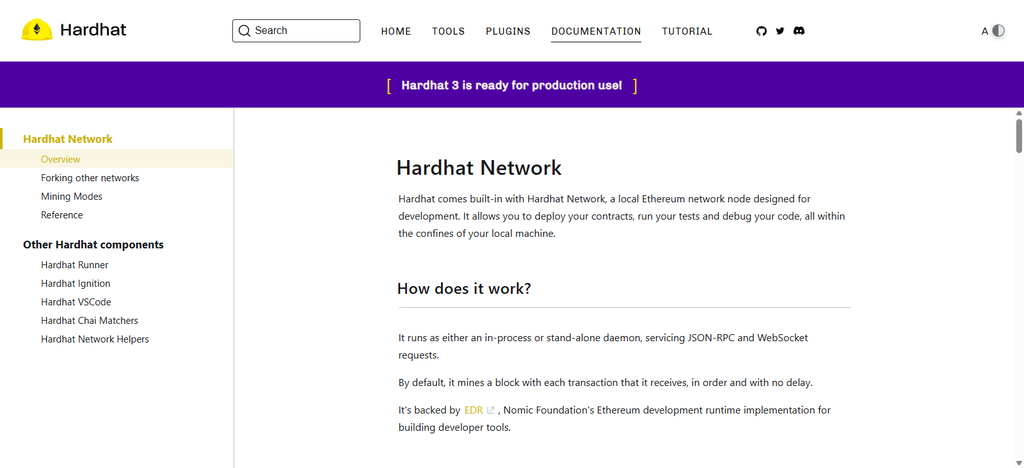
It’s simulation type includes local transaction execution, automated testing, and mainnet forking. Developers are able to replicate blockchain state into a local environment, interact with existing contracts and inspect transaction failures via console logs and stacktraces. Transaction previews are not a separate preview screen presented to the wallet, but generated using test scripts and debugging workflows.
Hardhat’s forking functionality supports Ethereum and EVM compatible networks. You can check the gas usage with transaction receipts and development tools. Hardhat is open source, so there is no need to purchase a separate software subscription, though hosted RPC and infrastructure services may incur additional costs.
Hardhat Network
| Key features | Details |
|---|---|
| Local EVM | Executes smart contracts in a local blockchain environment. |
| Mainnet Forking | Reproduces existing blockchain states for testing. |
| Automated Testing | Runs contract tests through development scripts. |
| Debugging Tools | Helps identify failed transactions and execution errors. |
| Gas Analysis | Provides gas consumption information through transaction results. |
Pros
| Advantages |
|---|
| Free and open-source development framework. |
| Integrates with Ethereum smart contract workflows. |
| Supports automated contract testing. |
| Makes it easier to reproduce transaction failures. |
Cons
| Limitations |
|---|
| Requires programming and configuration knowledge. |
| Not designed as a ready-made wallet transaction preview tool. |
| Forking requires access to suitable blockchain RPC infrastructure. |
7. Ganache
Ganache is a local Ethereum blockchain simulator, developed originally as part of the Truffle development framework. Its type of simulation is used to execute local transactions, test smart contract functionality, impersonate an account, and manipulate blockchain state.
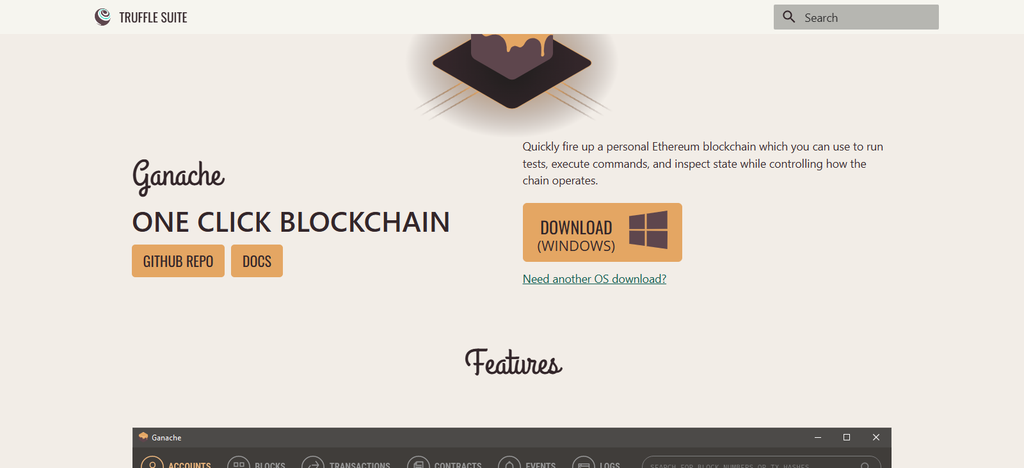
Developers are able to create test accounts, deploy contracts, execute transactions, inspect events and reproduce blockchain scenarios without spending real crypto currency. It provides transaction previews via local execution results, transaction receipts and debugging, instead of a dedicated wallet pre-signing interface.
Ganache is Ethereum compatible with features like mainnet forking, snapshot restoration and configurable block mining. Transaction execution data is available for gas consumption checks.
Historically, Ganache was free and open-source. However, on February 26, 2024, the repository was archived. This means that it’s better to consider Ganache as a legacy testing option, rather than an actively maintained leading choice for 2026.
Ganache
| Key features | Details |
|---|---|
| Local Blockchain | Creates a private Ethereum testing network. |
| Test Accounts | Provides development accounts with test balances. |
| Transaction Execution | Tests contract calls and blockchain operations. |
| Snapshot Management | Allows developers to restore previous testing states. |
| Gas Tracking | Displays transaction execution and gas information. |
Pros
| Advantages |
|---|
| Historically offered a simple graphical interface. |
| Free and open-source software. |
| Useful for basic smart contract testing. |
| Supports repeatable local development scenarios. |
Cons
| Limitations |
|---|
| Its repository is archived and it is a legacy option. |
| Not ideal for modern multichain simulation workflows. |
| Provides fewer current development advantages than actively maintained alternatives. |
8. Remix VM
The Remix IDE offers the Remix VM which is a blockchain testing environment that runs inside your browser and allows developers to deploy and run smart contract software without being connected to a live blockchain.
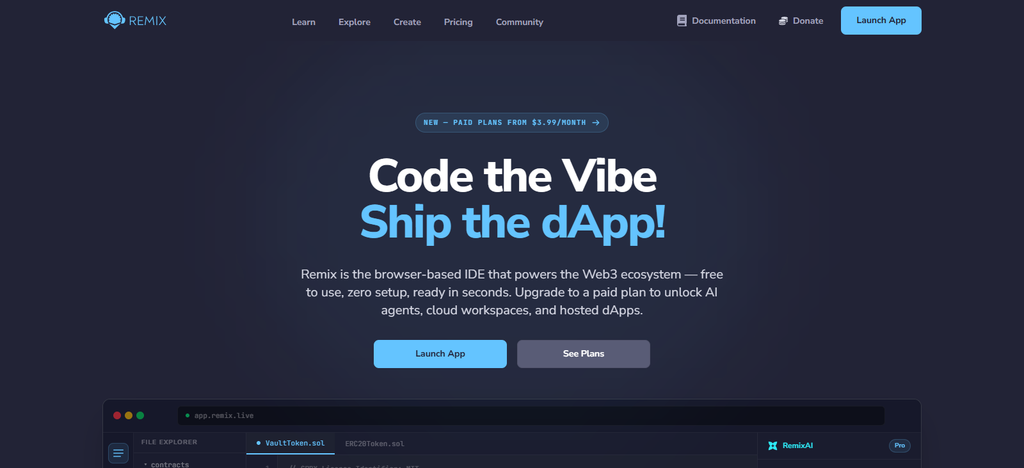
Its simulation type includes local EVM execution, contract interaction and testing on different EVM fork configurations. When developers test contract functions, they get transaction results, execution status, logs, and gas consumption information. Ten pre-funded development accounts are available to experiment in the environment without having to buy ETH or connect a funded wallet.
Remix VM does not offer a universal multi-chain transaction preview service, but it does support the development of EVM-compatible intelligent contracts. Its transaction preview is mainly for developers to check contract execution in the IDE. Remix IDE is free and therefore available for learning, debugging and small-scale contract testing.
Remix VM
| Key features | Details |
|---|---|
| Browser-Based Simulation | Executes contracts directly within Remix IDE. |
| Pre-Funded Accounts | Provides development accounts for testing transactions. |
| Contract Deployment | Deploys and tests smart contracts without live network transactions. |
| Execution Logs | Displays transaction results, events, and errors. |
| Gas Information | Shows gas consumption during contract execution. |
Pros
| Advantages |
|---|
| Free and accessible through a browser. |
| Does not require a funded real wallet. |
| Useful for beginners learning smart contract execution. |
| Supports quick testing and debugging. |
Cons
| Limitations |
|---|
| Primarily designed for EVM development. |
| Does not reproduce every live network condition. |
| Not a dedicated pre-signing security scanner for everyday wallets. |
9. QuickNode Transaction Preview
QuickNode Transaction Preview utilizes the ability to simulate on a blockchain RPC to allow developers to view how a transaction will execute before sending it to the live network. Its simulation type has the eth_simulateV1 RPC method which can execute multiple calls at a given block height with optional state and block overrides.
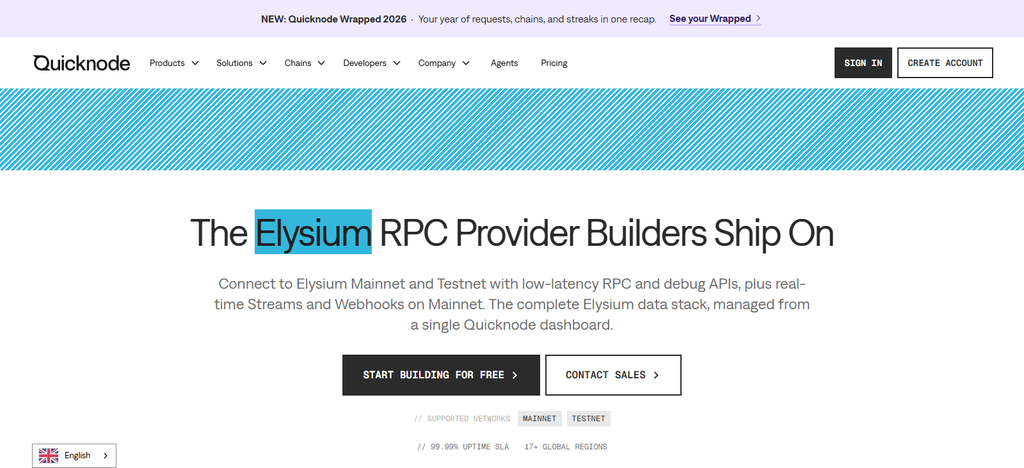
Transaction previews can return execution status, gas used, logs, return data, transfer traces, and error information. It supports Ethereum and compatible networks where the relevant RPC method is implemented.
Developers are able to use these results to evaluate the execution behavior and estimate gas requirements. QuickNode has both free and paid infrastructure plans and usage is measured in API credits. The final cost is dependent on advanced throughput and infrastructure requirements.
QuickNode Transaction Preview
| Key features | Details |
|---|---|
| RPC Simulation | Executes transaction calls without broadcasting them to the blockchain. |
| Multi-Call Testing | Simulates multiple calls within supported RPC workflows. |
| State Overrides | Allows testing against modified blockchain state where supported. |
| Execution Results | Returns transaction outcomes, logs, and execution errors. |
| Gas Analysis | Provides gas usage information for supported simulation methods. |
Pros
| Advantages |
|---|
| Useful for integrating transaction previews into applications. |
| Supports developer-focused RPC workflows. |
| Helps inspect transaction failures before broadcasting. |
| Offers scalable blockchain infrastructure. |
Cons
| Limitations |
|---|
| Requires technical knowledge for API integration. |
| Simulation methods vary across supported networks. |
| API usage and infrastructure requirements can increase costs. |
10. Chainstack Forking Sandbox
Developers are able to connect to local simulation environments, such as Foundry Anvil and Hardhat, to test transactions against forked states of the blockchain. Chainstack provides blockchain infrastructure.
The type of simulation is mainly infrastructure-supported forking and development testing, not a standalone wallet transaction preview interface. Chainstack RPC endpoints give developers access to supported blockchain data, local forks, smart contract calls and transaction behavior inspection through their testing framework of choice.
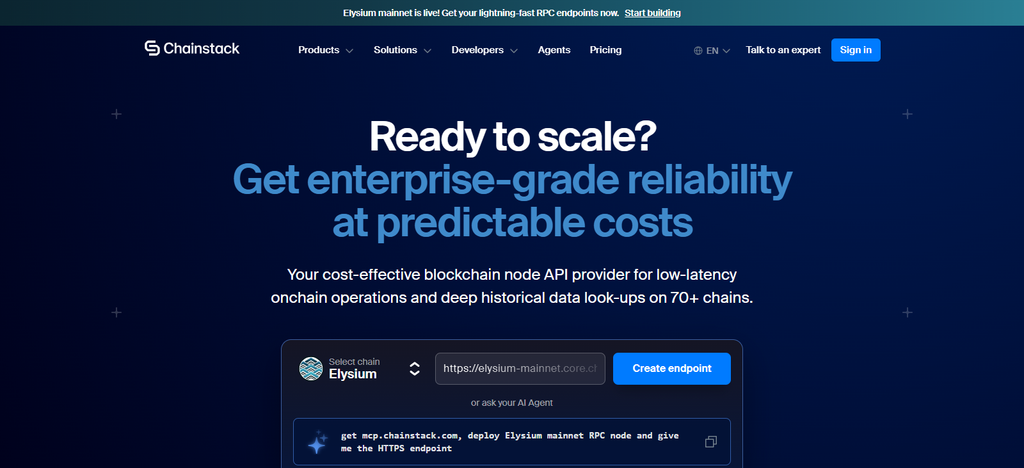
It supports over 70 blockchain networks including Ethereum, Solana, Base, Polygon, BNB Chain, and Arbitrum. You can get gas estimates through compatible RPC methods such as eth_estimateGas .
Detailed simulation results depend on the execution environment you connect to. Chainstack has a free Developer plan, Growth at $49/month, Pro at $199/month and higher Business and Enterprise offerings.
Chainstack Forking Sandbox
| Key features | Details |
|---|---|
| Blockchain Forking | Creates testing environments using existing blockchain states through compatible tools. |
| RPC Infrastructure | Provides endpoints for blockchain development and testing. |
| Smart Contract Testing | Supports testing through connected development frameworks. |
| Gas Estimation | Uses compatible RPC methods to estimate transaction gas requirements. |
| Multichain Infrastructure | Provides access to numerous blockchain networks. |
Pros
| Advantages |
|---|
| Supports development across multiple blockchain ecosystems. |
| Provides reliable RPC infrastructure for testing workflows. |
| Works with popular tools such as Anvil and Hardhat. |
| Offers free and paid infrastructure plans. |
Cons
| Limitations |
|---|
| Does not provide a complete standalone wallet transaction simulator. |
| Forking workflows require additional developer configuration. |
| Advanced infrastructure usage can increase monthly costs. |
Conclusion
The choice of the best crypto transaction simulation tools in 2026 depends on whether you need wallet-level transaction previews, smart contract testing, security analysis, or advanced blockchain development.
Blockaid and Alchemy are good for analyzing transactions, and Foundry Anvil, Hardhat Network and Remix VM are good for having a controlled environment to test contract execution, tenderly.
Custom simulation workflows infrastructure: QuickNode, Chainstack. Before you go with a platform, check out the supported blockchains, transaction preview, gas estimation, pricing and simulation limitations. And most importantly, remember that a successful simulation does not equate to a fully safe transaction or an identical result on the live blockchain.
FAQ
What Are Crypto Transaction Simulation Tools?
Crypto transaction simulation tools allow users and developers to preview blockchain transactions before signing or broadcasting them. They help inspect token transfers, smart contract execution, gas usage, balance changes, and potential transaction failures.
Why Should You Simulate Crypto Transactions Before Signing?
Simulation helps identify unexpected token transfers, suspicious contract interactions, excessive permissions, and failed execution conditions. It gives users an opportunity to review transaction outcomes before authorizing wallet activity.
Which Is the Best Crypto Transaction Simulation Tool in 2026?
Tenderly is a strong option for advanced transaction simulation, debugging, and execution analysis. Blockaid is useful for security-focused transaction screening, while Foundry Anvil and Hardhat Network suit developers testing smart contracts.
Can Crypto Transaction Simulation Tools Detect Wallet Drainers?
Some tools can identify suspicious contract interactions, malicious approvals, and potentially harmful asset transfers. However, detection capabilities vary, and no simulation tool guarantees protection against every wallet drainer or malicious contract.