


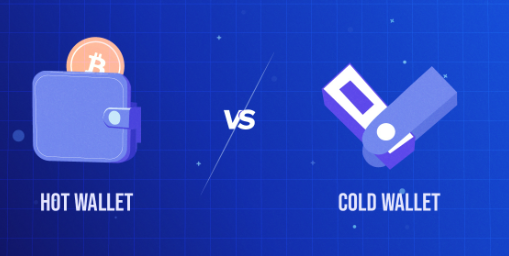


Selecting the right wallet is the first step for securing your crypto currency. In this article, I will examine Cold Storage vs Hot Wallet.
I will describe the differences, security features, pros and cons, and best use cases for Hot Wallets and Cold Storage.
I will also describe the best wallet for safety in 2026 for you to keep your digital currency safe, and help you choose the best storage for your investment strategy.
What Is a Hot Wallet?
A hot wallet refers to an internet-connected crypto wallet that enables fast transactions, including sending, receiving, and managing digital crypto assets. Hot wallets, designed for speedy everyday transactions, can be accessed via mobile app, desktop application, browser extension, or web wallet.
Many hot wallets have dApp and NFT marketplace integrations, and support cryptocurrency staking and DeFi crypto services. Hot wallets are primarily non-custodial, meaning that users manage their private keys and recovery phrases, although custodial exchange wallets are considered hot wallets.

Because hot wallets are always online, they are more easily attacked via phishing, malware, or hacking bots.
There are higher chances of crypto asset compromise via a hot wallet for the stated reasons; therefore, it recommended users practice good digital asset hygiene via the safe keeping of recovery phrases, and wallet software updates, as well as complex password creation and the use of 2FA.
What Is Cold Storage?
Cold storage keeps crypto completely offline by storing private keys offline. Cold storage is the safest method for avoiding phishing, malware, and online crypto theft.
Cold storage is different from hot storage, because cold storage is not designed for daily transactions. A cold storage device is meant for long-term storage. Hardware wallets, paper wallets, and air-gapped devices are forms of cold storage.

Signed transactions are the only time cold storage wallets connect to the Internet and even then the keys still stay secure on the hardware. Since the user controls the private key, he or she needs to keep the recovery seed safe.
Since the recovery seed is essential to reaccess the device, the user needs to keep it safe. Cold storage is highly advised for people with significant crypto assets, as it is the best method for safeguarding storage crypto assets looking toward 2026.
Cold Storage vs Hot Wallet: Key Differences
| Feature | Cold Storage | Hot Wallet |
|---|---|---|
| Internet Connection | Remains offline and disconnected from the internet. | Always connected to the internet for instant access. |
| Security | Offers the highest level of security against hacking, phishing, and malware. | More vulnerable to cyberattacks because it stays online. |
| Private Key Storage | Private keys are stored offline on a hardware device or paper wallet. | Private keys are stored on an internet-connected device or platform. |
| Ease of Use | Less convenient for frequent transactions. | Extremely easy and convenient for everyday crypto use. |
| Transaction Speed | Slower because the wallet must be connected temporarily to sign transactions. | Fast and ideal for instant transfers and trading. |
| Accessibility | Requires physical access to the wallet device or backup. | Accessible anytime from a smartphone, computer, or web browser. |
| Best For | Long-term investors (HODLers) and storing large crypto holdings. | Active traders, DeFi users, NFT collectors, and daily transactions. |
| Cost | Usually requires purchasing a hardware wallet. | Most hot wallets are free to download and use. |
| Risk of Hacking | Very low since private keys remain offline. | Higher due to constant internet connectivity. |
| Recovery Method | Recovery is done using a securely stored seed phrase if the device is lost. | Recovery is also possible with a seed phrase, but online threats increase the risk of compromise. |
| Supported Features | Primarily focused on secure storage with limited online interaction. | Supports staking, token swaps, dApps, NFT marketplaces, and Web3 applications. |
| Portability | Requires carrying a hardware wallet or accessing offline storage. | Easily accessible on mobile phones, desktops, and browser extensions. |
| Maintenance | Needs secure physical storage and careful handling of recovery phrases. | Requires regular software updates and protection from phishing attacks. |
| Ideal Crypto Amount | Best for storing large investments over the long term. | Best for keeping smaller amounts used for regular spending or trading. |
| Overall Safety in 2026 | Considered the safest option for protecting cryptocurrency assets. | Safe for daily use when combined with strong security practices, but less secure than cold storage. |
Security Risks of Cold Storage vs Hot Wallet
Cold Storage Security Risks
Theft of Stored Wallets: Wallets are usually stored in a safe or secure location, but paper or hardware wallets can be stolen. Pin protection is not much help in this scenario.
Loss of Recovery Seed Phrase: Without the recovery phrase, there is no way to access the cryptocurrency wallet. Therefore, using cold storage is pointless.
Failure of the Hardware: Hardware wallets can get damaged, and without the backup seed phrase, the funds will be inaccessible forever. Hardware wallets are susceptible to damage due to drops, exposure to fire or water, and damage from electrical surges.
Compromised Supply Chain: If the hardware wallet is ordered through a vendor other than the wallet manufacturer, the user will likely receive a compromised wallet.
User Mistakes: The security of the wallet can be compromised through poor backup methods, improper wallet setup, or exposing the recovery phrase.
Compromised Firmware: If the firmware has not been updated, it may have security vulnerabilities. The wallet manufacturer will provide updates to firmware.
Lost Access due to Forgotten Passphrase: There are other methods that can be used to access the funds, but if the PIN or optional passphrase are forgotten, access to the funds will be lost.
Hot Wallets Security Risks
Phishing: Fake websites, emails, and messages can be used to obtain private keys and recovery phrases.
Malicious Software: Spying software can monitor keystrokes, log session data, and steal credentials. Other forms of malware can alter copied wallet addresses and thereby significantly compromise the security of cryptocurrency wallets.
Direct Attacks: Since hot wallets are stored online, they will be more vulnerable than wallets stored offline due to their constant exposure.
Fake wallet applications: If you download wallet apps and extensions from unofficial sources, they can steal private keys or recovery phrases.
Public Wi-Fi: Using unprotected public Wi-Fi can expose wallet activity, and gives attackers an opportunity to steal your credentials.
SIM Swap Attacks: Attackers can hijack your phone number to bypass SMS 2FA and access your crypto-related accounts.
Theft or Loss of Device: If your computer or Smartphone with hot wallet apps is stolen, and it is not properly secured, then attackers can access the crypto assets on it.
Best Cold Storage vs Hot Wallet in 2026
Best Cold Storage Wallets in 2026
Ledger Flex
A top-tier hardware wallet with state-of-the-art security features, Bluetooth, a touchscreen, and the capability to store thousands of digital currencies. This wallet is perfect for long-term digital asset holders.
Ledger Nano X
Regarded as one of the best hardware wallets, with the ability to store multiple crypto applications, this wallet is great for mobile crypto portfolios.
Trezor Safe 5
A great choice with security measures such as a color touchscreen, the ability to store a passphrase, a personal identification number, and support for various cryptos.
Tangem Wallet
A hardware wallet in the shape of a credit card. This wallet is very easy to use and portable, since it requires no battery or USB connection.
Keystone Pro
A great wallet with a unique way of signing transactions that offers even further protection against online attacks by using a method that does not require USB or Bluetooth.
Best Hot Wallets in 2026
MetaMask
The most widely used wallet by far for Ethereum and EVM-compatible tokens. This wallet can be used for all things DeFi, NFTs, token swaps, and even Web3 all with the help of the wallet extension and mobile application.
Trust Wallet
An extremely simple wallet that supports millions of digital assets, this wallet is great for beginners and even allows for staking, token swaps, NFTs, and dApps.
Coinbase Wallet
A great option for people that want a secure way to store crypto and manage NFTs that also allows a connection to decentralized applications without being linked to a Coinbase account.
Phantom Wallet
Funding was initially provided for Phantom Wallet to service the Solana ecosystem only. Now, it provides support for all blockchains, NFTs, staking and DFin with speed and a friendly interface.
Rabby Wallet
Rabby Wallet was made for DeFi users. It automatically identifies the blockchain network, provides a risk assessment of the transaction, and improves security analysis before the user signs a transaction.
Which Is Better in 2026?
Choose Cold Storage if you’re a long-term investor, if you have a high volume of cryptocurrency, or if you prefer to have the highest security.
Choose a Hot Wallet if you use DeFi services, if you have a high volume of transactions and/or a high volume of NFTs, or if you need access to your cryptocurrency.
Best Practice: Most security experts recommend using both — store the majority of your cryptocurrency in a cold wallet for long term security, and for your everyday transactions and Web3, store a smaller amount in a hot wallet.
Which Wallet Is Best for Different Users?
Beginners
Since hot wallets are free, easy, and offer a simple way for beginners to send and receive crypto and manage their assets, beginners to crypto should use hot wallets. Trust Wallet and Coinbase Wallet are examples of hot wallets that are beginner friendly. Since they are software wallets, they do not require extra hardware and help beginners learn the process of using cryptocurrency.
Long-Term Investors (HODLers)
For long-term cryptocurrency investors, cold storage wallets are a better option. Since the Ledger Flex, Ledger Nano X, and Trezor Safe 5 hardware wallets store private keys offline, they pose a significantly decreased risk of being hacked, phished, or of falling victim to malware.
Active Traders
Hot wallets are the best option for active traders since they are much easier to access and much faster for making transactions. Hot wallets typically connect to crypto exchanges so users can quickly buy, sell, or transfer any assets without the need to connect a hardware wallet for each individual transaction.
DeFi Users
MetaMask and Rabby Wallet are hot wallets that DeFi users should consider. Since they connect to dApps, they allow DeFi users to do crypto transactions such as swaps, stake, lend, borrow, and liquidity farming.
NFT Collectors
Phantom and MetaMask the top wallets for NFT collectors. Hot wallets allow easy transaction of digital assets and integration with Web3, so they are popular with NFT collectors.
Businesses and Institutions
For organizations that manage large amounts of cryptocurrency, implementing only cold storage systems is crucial for maximum security. Businesses typically use multi-signature wallets and hardware wallets to prevent unnecessary access to organizational resources and protect assets.
High-Net-Worth Crypto Investors
To ensure maximum security and peace of mind for large investments, cold storage should be the primary storage method for all digital assets. Having large amounts of cryptocurrency online increases exposure to potential threats and compromises the safety of the assets.
Everyday Crypto Users
Hot wallets are a practical solution for people that frequently use cryptocurrency to make purchases, send and receive, or engage with Web 3.0. A good practice in 2026 is to only keep funds for intended purchases in a hot wallet while most assets should be stored in cold wallets.
Future of Crypto Wallet Security in 2026 and Beyond

Crypto wallet security will need to cover stronger protection and improvements in ease of use and threat sophistication after 2026. Some of these improvements may be seen in advanced hardware wallets with secure element chips and biometric authentication. Improvements in tamper-resistant designs and recovery options may also be seen.
Similar improvements may also be seen in hot wallets where passkey logins, MFA, and AI driven fraud detection, which would assess transactions for suspicious activity prior to their approval, may be included.
Multi-Party Computation (MPC) is an example of an emerging technology that redistributes the management of cryptographic keys across multiple parties to improve security. Wallet providers may also implement phishing protections, such as simulated transactions, verifications, and alerts in the event the user contracts a known malicious smart contract.
Blockchain and its related technologies are still emerging and unregulated. Therefore, wallets may offer a compromise of security, user-friendliness, and Web3 security in the future.
Cold Storage vs Hot Wallet Pros & Cons
Cold Storage: Pros & Cons
| Pros | Cons |
|---|---|
| Provides the highest level of security by keeping private keys offline. | Hardware wallets usually require an upfront purchase. |
| Protects against hacking, phishing, malware, and most online threats. | Less convenient for frequent transactions or active trading. |
| Best choice for long-term storage of large cryptocurrency holdings. | Transactions take longer because the device must be connected to sign them. |
| Gives users complete control over private keys and recovery phrases. | Losing the recovery seed phrase can permanently lock access to funds. |
| Supports advanced security features like PINs, passphrases, and secure element chips. | Hardware devices can be lost, stolen, or physically damaged. |
| Reduces the risk of exchange hacks affecting stored assets. | Initial setup and backup process may be difficult for beginners. |
| Recommended by security experts for protecting high-value crypto portfolios. | Firmware updates must be installed carefully to maintain security. |
Hot Wallet: Pros & Cons
| Pros | Cons |
|---|
| Easy to set up and usually free to use. | More vulnerable to hacking because it is connected to the internet. |
| Provides instant access for sending, receiving, and managing crypto. | Susceptible to phishing attacks and fake wallet applications. |
| Perfect for daily trading, payments, DeFi, and NFT transactions. | Malware and spyware can compromise wallet security. |
| Available on mobile devices, desktops, and browser extensions. | Public Wi-Fi and insecure devices increase the risk of theft. |
| Supports staking, token swaps, dApps, and Web3 services. | Storing large amounts of cryptocurrency is not recommended. |
| Offers a user-friendly experience for beginners and active traders. | Requires regular software updates and strong passwords for protection. |
| Enables quick transactions without requiring additional hardware. | Private keys may be exposed if the device or wallet is compromised. |
Conclusion
How you utilize cryptocurrency, as well as your particular security requirements, governs the use of cold storage versus hot wallets. For the long-term or large-scale investor, cold storage is a preferred option.
The highest level of protection is obtained when private keys are offline. Hot wallets are less secure, but are designed for quick and convenient access to facilitate everyday transactions, trades, and all things DeFi and NFT. Hot wallets are more vulnerable to attacks, therefore, more security practices are needed.
The best approach in 2026 is to opt for a mix of both hot and cold wallets. For everyday transactional convenience, maintain a small balance in hot wallets, while the majority of your investments and holdings are kept in cold wallets.
When both wallets are used in conjunction with good habit security practices, such as recovery keys being stored safely, two-factor authentication where available, along with a healthy skepticism towards phishing, security risks are mitigated and the flexibility of the crypto ecosystem is made more enjoyable.
FAQs
What is the main difference between a cold wallet and a hot wallet?
The main difference is internet connectivity. A cold wallet stores private keys offline for maximum security, while a hot wallet remains connected to the internet, making it more convenient for daily transactions but more exposed to cyber threats.
Is cold storage safer than a hot wallet?
Yes. Cold storage is generally considered the safest option because private keys never remain online, greatly reducing the risk of hacking, phishing, malware, and other online attacks.
Who should use a hot wallet?
Hot wallets are best for active traders, DeFi users, NFT collectors, and anyone who frequently sends or receives cryptocurrency. They provide fast access and support Web3 applications.
Who should use cold storage?
Cold storage is ideal for long-term investors (HODLers), institutions, and anyone holding large amounts of cryptocurrency who wants the highest level of security.
Can a cold wallet be hacked?
A cold wallet cannot be hacked over the internet because it stays offline. However, users can still lose funds through physical theft, supply chain attacks, or by exposing their recovery seed phrase.