



This article will review the Best APIs for Global Stock and Crypto Arbitrage Automation. APIs that automate Arbitrage work by identifying discrepancies across trading platforms.
- Why Use APIs for Global Stock & Crypto Arbitrage Automation
- Immediate Access to Market Information
- Speed of Arbitrage
- Monitoring Multiple Exchanges
- Less Manual Trade Calculations
- Automated Trading
- Low Latency Market API
- Access to Historical Data
- Automation of Large Scale Trading
- Trading Algorithms
- Risk Management
- Global Access
- Profit Potential
- Key Point & Best APIs for Global Stock & Crypto Arbitrage Automation
- 1. Binance API
- Binance API Features, Pros & Cons
- Features
- Pros
- Cons
- 2. Coinbase Advanced Trade API
- Coinbase Advanced Trade API Features, Pros & Cons
- Features
- Pros
- Cons
- 3. Kraken API
- Kraken API Features, Pros & Cons
- Features
- Pros
- Cons
- 4. FTX API
- FTX API Features, Pros & Cons
- Features
- Pros
- Cons
- 5. Gemini API
- Gemini API Features, Pros & Cons
- Features
- Pros
- Cons
- 6. Polygon.io API
- Polygon.io API Features, Pros & Cons
- Features
- 7. Alpaca API
- Alpaca API Features, Pros & Cons
- 8. Tradier API
- Tradier API Features, Pros & Cons
- Features
- Pros
- Cons
- 9. Nomics API
- Nomics API Features, Pros & Cons
- Features
- Pros
- Cons
- 10. Kaiko API
- Relative Insights Features, Pros & Cons
- Features
- Pros
- Cons
- Conclusion
- FAQ
It streamlines the trading process by utilizing APIs that supply real-time market data and historical analytics. Having APIs that work in tandem removes friction and creates flow. This is imperative in Arbitrage Strategies because time is of the essence.
Why Use APIs for Global Stock & Crypto Arbitrage Automation
Immediate Access to Market Information
By utilizing an API, a trader obtains immediate access to stock data and crypto data from various exchanges and is able to act upon the opportunity before the market corrects.
Speed of Arbitrage
Once a market price opportunity is identified, APIs are able to automate the buying and selling of a security much faster than the manual method of trading.
Monitoring Multiple Exchanges
Arbitrage opportunities exist when a stock is selling for different prices on different exchanges. APIs provide the trader the ability to monitor many markets from one system.
Less Manual Trade Calculations
Trading manually can lead to poor trade executions due to the absence of timing or order errors. APIs automate these processes for the trader.
Automated Trading
Since APIs can automate the trading bots, they can also continuously check the market to execute arbitrage trades 24/7 while the trader is offline.
Low Latency Market API
In modern trading, the low-latency API provides the trader the much-needed edge to act first upon market opportunity or price imbalance.
Access to Historical Data
APIs often provide a trader the ability to obtain historical data. This data can be used to test arbitrate trading strategies and improve the trading algorithm.
Automation of Large Scale Trading
APIs make simultaneous trading easier compared to the manual trading methods which can be time and resource prohibitive.
Trading Algorithms
Developers can use APIs to build advanced arbitrage systems by integrating custom trading bots, machine learning, and quantitative strategies.
Risk Management
Using APIs, traders can implement stop-loss orders, control position sizes, set exposure limits, and actively monitor and manage their portfolios, which helps mitigate risk.
Global Access
APIs link traders to multiple international stock exchanges and cryptocurrency platforms, making it convenient to find arbitrage opportunities around the world.
Profit Potential
APIs enable the combination of the speed of execution and the power of automation with the latest market intelligence, allowing traders to find and take advantage of multiple arbitrage opportunities, thus enhancing profitability.
Key Point & Best APIs for Global Stock & Crypto Arbitrage Automation
| API | Key Point |
|---|---|
| Binance API | Offers high-liquidity crypto market access with real-time trading, market data, futures, and arbitrage automation support. |
| Coinbase Advanced Trade API | Provides secure crypto trading, portfolio management, and institutional-grade execution for automated strategies. |
| Kraken API | Known for deep liquidity, advanced order types, and reliable cryptocurrency market data feeds. |
| FTX API | Previously offered advanced derivatives and spot trading tools for high-frequency arbitrage applications. |
| Gemini API | Delivers secure crypto exchange access with institutional trading features and regulatory compliance. |
| Polygon.io API | Provides ultra-low-latency stock, forex, options, and crypto market data for algorithmic trading systems. |
| Alpaca API | Enables commission-free stock and crypto trading with easy integration for automated trading bots. |
| Tradier API | Focuses on stock and options trading automation with brokerage and market data integration. |
| Nomics API | Supplies transparent cryptocurrency pricing, volume data, and historical market analytics. |
| Kaiko API | Offers institutional-grade crypto market data, order books, and cross-exchange analytics for arbitrage detection. |
1. Binance API
Developers can use the Binance API to fully automate the trading and arbitraging of cryptocurrency. The API covers spot trading, futures, options, and account management and provides REST and WebSocket access to market data.
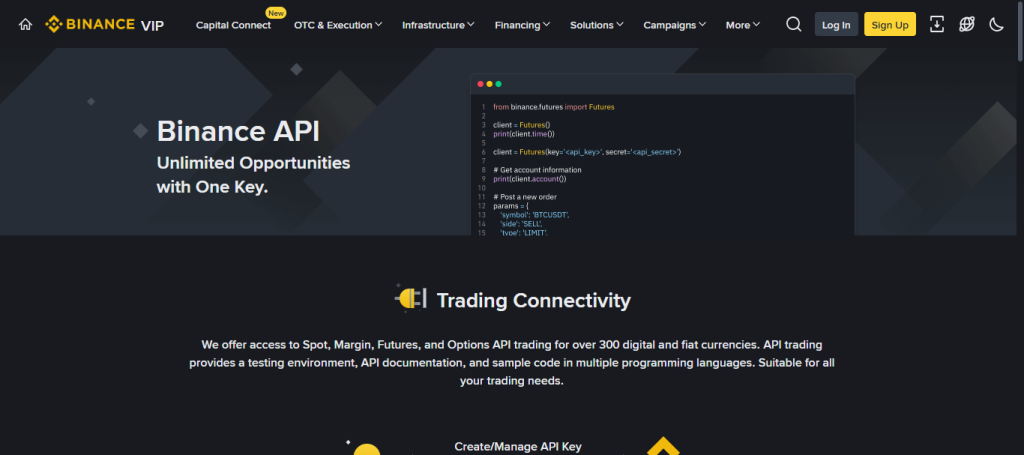
Automated trading systems have the lowest latency when fetching data from the Binance API and making trades. As one of the Best APIs for Global Stock & Crypto Arbitrage Automation, Binance covers the largest number of cryptocurrency pairs and the highest liquidity.
The API is also very well documented, has high request thresholds, and covers the entire world. Because of these factors, it is the favored API of both the algorithmic trading community and the financial technology community.
Binance API Features, Pros & Cons
Features
- Access to margin, spot, futures, and options
- Market data via WebSocket streams
- Supports advanced orders and automation
- High liquidity on hundreds of crypto pairs
- Extensive documentation and SDKs
Pros
- High trading volume and liquidity
- Fast executions for arbitrage
- Supports many cryptocurrencies
- Flexible API for trading algorithms
- Strong market foundation across the globe
Cons
- Regulatory impact on some countries
- Cumbersome for beginners
- Rate limits on high request frequency
- API requires updates
- Advanced features require training
2. Coinbase Advanced Trade API
The Advanced Trade API from Coinbase targets professional traders. It provides access to secure and efficient cryptocurrency trading and includes market data, advanced order and execution tools, and account and portfolio management.
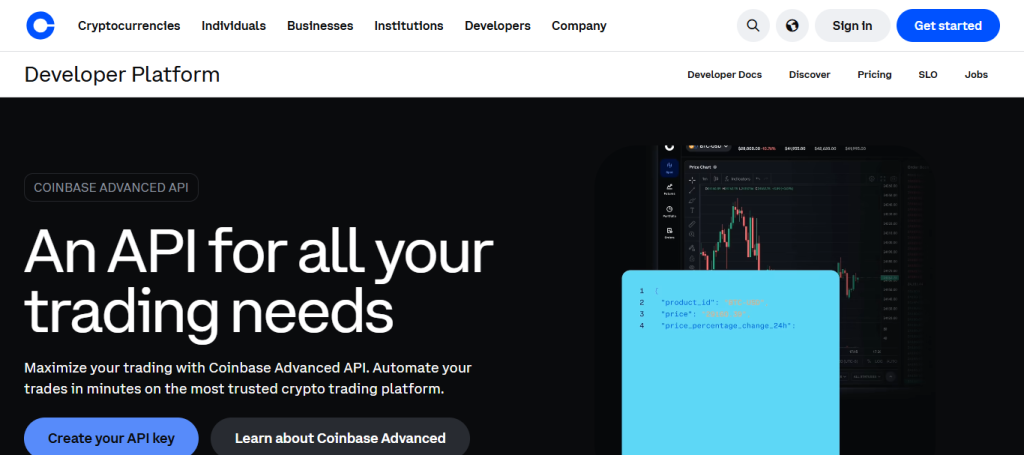
Arbitrage bots can be built using the Advanced Trade API, and since Coinbase is a U.S. based, regulated exchange, this makes the bots fully compliant to U.S. laws.
Of the Best APIs for Global Stock & Crypto Arbitrage Automation, Coinbase also provides the highest level of security, reliability, and ease of integration. The Advanced Trade API is a great option for individual traders and financial institutions because of its liquidity and support for automated trading.
Coinbase Advanced Trade API Features, Pros & Cons
Features
- Tools for advanced trading of crypto
- Account and portfolio management
- Market data and order books
- Advanced order execution
- Rest API and WebSocket support
Pros
- Security and compliance
- Easy for developers
- Robust infrastructure
- Enterprise-grade trust
- Extensive documentation
Cons
- Higher fees
- Limited crypto vs Binance
- Limited leverage
- Availability restrictions
- Advanced features require verification
3. Kraken API
One of the most reputable cryptocurrency exchanges, the Kraken API, offers easy automated access for trading, reading and analyzing market trends, and managing accounts/APIs. It also offers access to real-time, obfuscated order book information.
Kraken’s API is excellent for determining arbitrage opportunities across different exchanges and executing the trades in a timely manner. It earns the distinction of being one of the Best APIs for Global Stock & Crypto Arbitrage Automation because of its numerous digital assets, great security, and advanced order types.
The liquidity on the exchange is also impressive. For High Frequency Trading (HFT) applications and systems, Kraken’s API and its WebSocket feeds are excellent. Frequent and low latency updates are a must for HFT. Kraken’s API is also known for its excellent service, reliability, and transparency.
Kraken API Features, Pros & Cons
Features
- Spot and futures trading
- Real-time market data
- Advanced order management systems
- Secure authentication
- Access to historical data
Pros
- Excellent reputation for security
- Deep liquidity of major crypto assets
- Trading infrastructure is reliable
- Trading features are advanced
- Global user base is extensive
Cons
- Can be complicated for beginners
- Some altcoins have lower liquidity
- Verification can take a while
- Assets listed are fewer than Binance
- Heavy usage has API limits
4. FTX API
FTX API (previously) was one of the best trading APIs for arbitrage. Its superb infrastructure provided extensive support for high volume trading of all derivatives, futures, and leveraged tokens.
It was one of the fastest APIs for getting and executing trades. Because of this, arbitrage opportunities across exchanges and the API were readily taken advantage of. Though FTX no longer exists, its legacy is in every trading API.
Many of the modern trading APIs have use FTX’s API for inspiration and as a framework. FTX provided all the support a trading API should provide to allow institutions and individuals alike to trade using their custom built algorithms.
FTX API Features, Pros & Cons
Features
- Trade spots and derivatives
- Execute orders in advance
- Market data requests via API
- Receive trade updates in real time
- Supports trading with leverage
Pros
- Offered advanced trading features
- Excellent support for derivatives
- Fast API
- Good trading features
- Flexible tools for algorithmic trading
Cons
- No longer in operation
- Not for current use
- No support for the platform
- Limited use in the present
- Trust and regulatory issues
5. Gemini API
Gemini API provides secure cryptocurrency REST/WSS trading and market data services. Developers can efficiently automate the placement, monitoring, and management of orders, as well as the retrieval of market data histories and portfolios, and the execution of trading strategies.
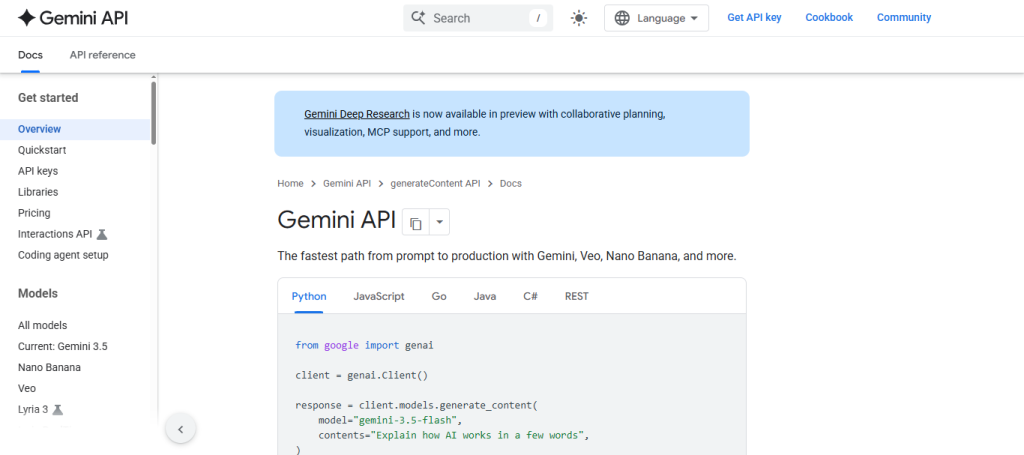
Gemini API focuses on security and compliance of institutional-grade infrastructure. This API is one of the Best APIs for Global Stock & Crypto Arbitrage Automation because professional traders are likely to be attracted to its rapid market monitoring and reliable transaction processing.
Its robust API compliance provides a high level of confidence for customers to operate in a highly regulated environment. Gemini API is reliable and its stability, transparency, and advanced trading workflows also make it a preferred API for automated arbitrage.
Gemini API Features, Pros & Cons
Features
- Secure trading infrastructure
- REST and WebSocket support
- Real time market data
- Institutional trading tools
- Access to historical data and user accounts
Pros
- Strong regulatory compliance
- High security
- Robust API
- Good for institutions
- Good transparency
Cons
- Fewer coins than most exchanges
- Higher fees
- Less leverage
- Some markets have lower liquidity
- Can only be used in some regions
6. Polygon.io API
Polygon.io API is a premium financial REST/WSS market data trading service for real-time and historical data of Stocks, Options, Forex, and Crypto. Developers build trading dashboards, automated trading services, and arbitrage detection on services that consume this API.
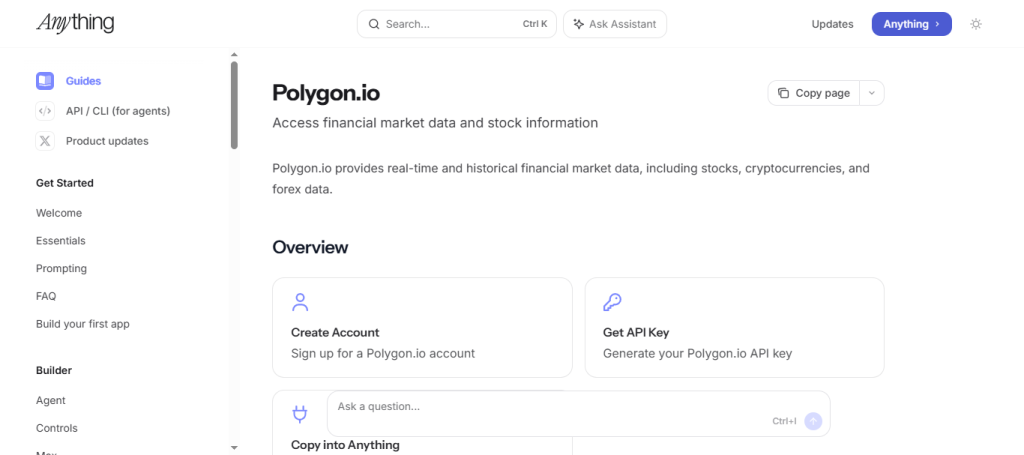
It offers news and tick data, extremely low latency market data snapshots and aggregates. Polygon.io API is one of the Best APIs for Global Stock & Crypto Arbitrage Automation because it provides all the data of traditional markets and Crypto in one service.
Fintechs, Hedge Funds, and Quant Analysts can design their infrastructure around this API to rapidly exploit arbitrage opportunities.
Polygon.io API Features, Pros & Cons
Features
- Stock and crypto data in real time
- Tick-by-tick data
- Historical data
- News and insights
- Low latency trading
Pros:
- Trades of terrific value
- Exceptional quality of market data
- Multi-class data coverage
- Quant Trading Friendly
- Fast data
- Extensive historical data
Cons:
- Costs can add up
- Data driven focus
- Advanced features only a select plans
- Flexible Plans and large data sets increase costs
- Some time investment
7. Alpaca API
If you want to automate trading for stocks and cryptocurrencies at no extra cost, look no further than Alpaca API. Its simplicity means brokers are not a necessity for the integrations.
One can use REST APIs along with WebSocket streams to obtain trade data and manage accounts. For those who want to trade across various platforms, Alpaca stands out as one of the Best APIs for Global Stock & Crypto Arbitrage Automation.
Their transparency along with developer and trading support means that even beginners have the opportunity to innovate within the financial space. Fintech companies also make use of Automated trading with Alpaca.
Alpaca API Features, Pros & Cons
Features:
- Commissions free trades for Stocks and Cryptos
- Paper trading
- Access to real time data
- Manage your own data and accounts
- Rest API
Pros:
- Integrates easily
- Good for beginners to algorithmic trading systems
- Paper trading is free
- Commissions free stock trading
- Good developer community
Cons:
- Covers few international markets
- Few advanced trading systems
- Some premium data has subscriptions
- Less assets than most other brokers
- Some regulations limit its use
8. Tradier API
Tradier API is a developer focused broker that gives access to trading equities, ETFs, options and their corresponding data. This makes it very popular among options traders as Tradier brokerages cover all the necessary data for options trading.
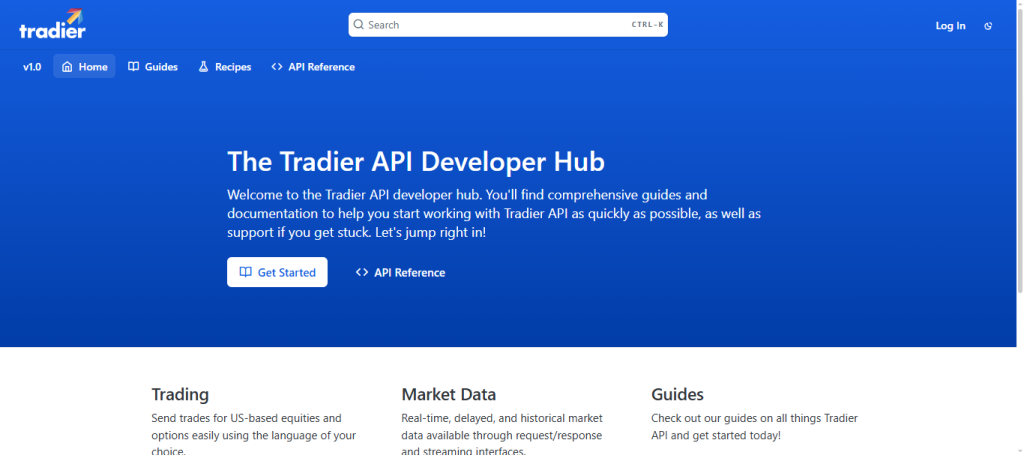
Tradier also stands out as one of the Best APIs for Global Stock & Crypto Arbitrage Automation because of the simple design and structuring of all their options. Tradier APIs offer guaranteed data and a great Inventiveness for Trade design.
Tradier API Features, Pros & Cons
Features
- Brokerage and trading API integration
- Options, ETFs, and stock trading
- Market data and account management
- REST APIs
- Real-time quotes and order execution
Pros
- Great options trading
- Flexible APIs
- Easy to integrate trading systems
- Good prices
- Reliable trading
Cons
- Focused on U.S. Markets
- Smaller ecosystem than major brokers
- Less support for crypto
- Premium market data may cost extra
- Less advanced analytics
9. Nomics API
Nomics API provides worldwide transparent cryptocurrency data. It is used to gauge the market and build tools around digital assets. Nomics API stands out among other APIs in the industry because it combines exchange information into one dataset, allowing easier, cross-exchange analysis.
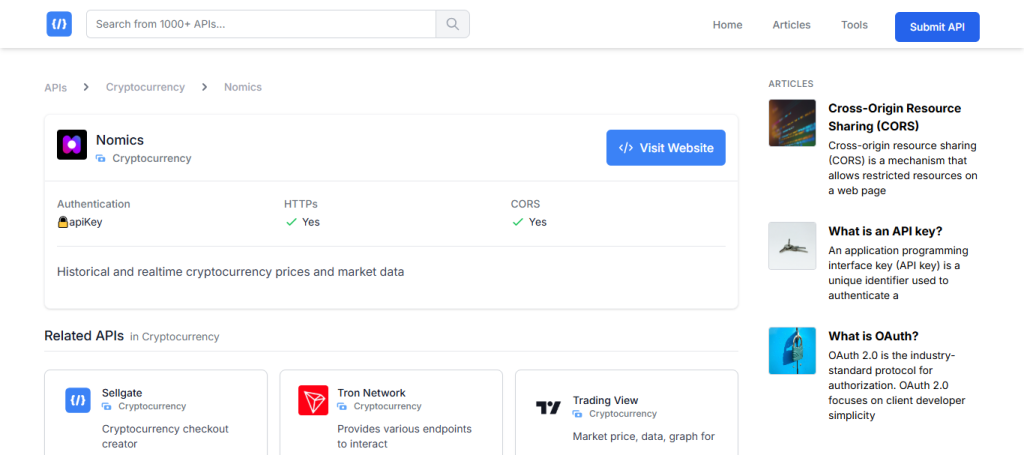
It is used to find arbitrage opportunities due to its high dataset accuracy. It is complemented by its historical data and market metrics, which are also optimal for the strategy and logic testing for automated trading methods.
Nomics API Features, Pros & Cons
Features
- Crypto market data and pricing
- Social media content and engagement analytics
- Rich media content analytics
- User generated content moderation
- Social media listening tools
- Automated content moderation
Pros
- Automated moderation of harmful content
- Flexible moderation settings
- Tailored moderation for client needs
- Moderation specifically for user generated content
Cons
- Focused heavily on content moderation
- Other moderation functions lacking
- Limited social media support
- May lack advanced features
10. Kaiko API
Kaiko API is designed with high-end, professional customers in mind. It offers all the essential components of a cryptocurrency market data system like order books and trades, plus cross-exchange analytics, at a high level of completeness.
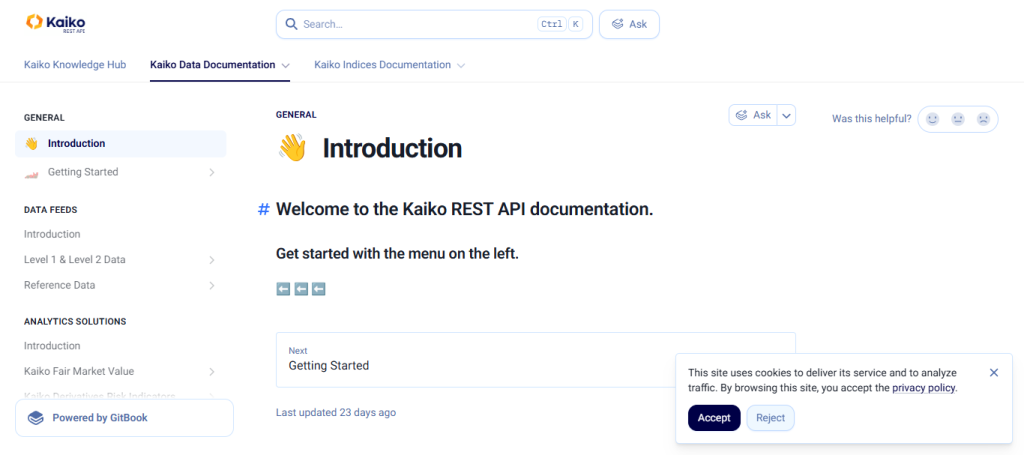
Because of its high quality data, broad coverage, and sophisticated analytics, Kaiko API is one of the best Arbitrage Automation APIs. Its enterprise-level infrastructure supports large-scale algorithmic trading operations that require reliable, high-quality market intelligence for decision-making.
Relative Insights Features, Pros & Cons
Features
- Automated moderation of user generated content
- User generated content analytics
- Automated harmful content moderation
- Tailored user generated content moderation
Pros
- Quick moderation turnarounds
- Great understanding of client needs
- Effective and tailored moderation
- Automated harmful content moderation
Cons
- Heaving reliance on client needs
- Limited social media support
- Moderation specifically for user generated content
- Other moderation functions lacking
Conclusion
The Ideal APIs for Automating Global Stock and Crypto Arbitrage deal with your requirements as a trader. APIs such as Binance, Coinbase Advanced Trade, Kraken, and Gemini provide advanced systems for trading cryptocurrency.
For stock market data, APIs such as Polygon.io, Alpaca, and Tradier provide access to stock trading APIs. For market data and analytics, Nomics and Kaiko provide exceptional services for determining arbitrage opportunities. The best APIs provide comprehensive market data with low-latency execution and high-end automation.
With these APIs, developers and traders can build arbitrage systems that monitor execution across various markets and take advantage of price differences. These systems can be designed to operate in the volatile, fast-paced global financial markets.
FAQ
What is an arbitrage trading API?
An arbitrage trading API is a software interface that allows developers and traders to access real-time market data, place orders automatically, and monitor multiple exchanges simultaneously. These APIs help identify and execute trades when price differences exist between markets.
Which API is best for crypto arbitrage?
Binance API, Coinbase Advanced Trade API, Kraken API, and Gemini API are among the best choices for crypto arbitrage because they provide deep liquidity, real-time market data, and fast order execution capabilities.
Which API is best for stock market arbitrage?
Polygon.io API, Alpaca API, and Tradier API are excellent options for stock market arbitrage. They offer low-latency market data, trading automation tools, and reliable access to U.S. stock markets.
Why is low latency important in arbitrage trading?
Low latency is crucial because arbitrage opportunities often exist for only a few seconds. Faster APIs allow traders to detect price discrepancies and execute trades before the market adjusts.