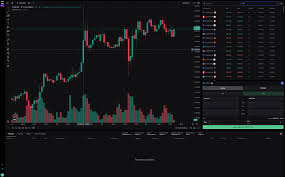



In this article, I will tell what Forex brokers are solving Now Fast and how the trading industry is adapting to new challenges.
- Hidden Fees & Lack of Transparency
- Demo vs Live Account Mismatch
- Key Point & Problems Forex Brokers Are Solving Right Now Fast
- 10 Problems Forex Brokers Are Solving Right Now Fast
- Slippage & Slow Execution — Advantages & Disadvantages
- Hidden Fees & Lack of Transparency — Advantages & Disadvantages
- Weak Regulation in Offshore Zones — Advantages & Disadvantages
- Cybersecurity Threats — Advantages & Disadvantages
- Withdrawal Delays — Advantages & Disadvantages
- 6. Poor customer support
- Poor Customer Support — Advantages & Disadvantages
- 7. Unrealistic leverage traps
- Unrealistic Leverage Traps — Advantages & Disadvantages
- 8. Demo vs live account mismatch
- Demo vs Live Account Mismatch — Advantages & Disadvantages
- 9. Liquidity shortages
- Liquidity Shortages — Advantages & Disadvantages
- 10. Compliance complexity
- Compliance Complexity — Advantages & Disadvantages
- Poor Customer Support
- Future Trends in Problem Solving
- Conclusion
- FAQ
Between execution speed and transparency issues, to cybersecurity threats and regulatory compliance pressures; brokers are rapidly developing technology, compliance systems & client services in order to improve trader experience, gain trust, and remain competitive within the ever-evolving global forex trading market.
Hidden Fees & Lack of Transparency
Forex trading has long been plagued by hidden fees and a lack of transparency, with traders often facing unexpected spreads Commission swap charges or withdrawal costs that add up to large sums which are not fully disclosed prior.
Filled under The Wellspring Kindly succeed the observe on Wow Cupid Explain Yourself These obscure costly have an effect on earnings margins and corrode validation in between brokers or clients.
In response to this, contemporary brokers are implementing transparent pricing systems whereby traders can access real-time updates on costs and clearly labelled fees within trading platforms.
Additionally, to protect traders regulatory authorities are also introducing stricter reporting standards. Through clear transparency, brokers gain authority and lower disputes while generating a better trading environment.
Demo vs Live Account Mismatch
| Aspect | Demo Account | Live Account | Impact on Traders |
|---|---|---|---|
| Market Conditions | Simulated trading environment | Real market conditions with volatility | Traders face unexpected market behavior |
| Execution Speed | Instant execution | May experience delays and slippage | Strategy performance may change |
| Emotional Pressure | No financial risk | Real money involved | Emotional decisions affect trading |
| Liquidity | Unlimited simulated liquidity | Depends on real liquidity providers | Orders may be rejected or partially filled |
| Spreads | Often fixed or ideal spreads | Variable spreads based on market activity | Higher trading costs in live accounts |
| Slippage | Rare or minimal | Common during volatility | Entry and exit prices differ |
| Risk Management | Less attention to risk | Strict risk control required | Losses occur faster without discipline |
| Trading Psychology | Stress-free practice | Fear and greed influence decisions | Performance inconsistency appears |
| Order Execution | Perfect fills | Real market execution limitations | Strategy results may vary |
| Learning Purpose | Skill development and testing | Real profit and loss environment | Transition requires adjustment |
Key Point & Problems Forex Brokers Are Solving Right Now Fast
- Slippage and slow execution reduce trading efficiency and trader confidence.
- Hidden fees and lack of transparency damage broker trust and reputation.
- Weak regulation in offshore zones increases risk for traders and brokers.
- Cybersecurity threats expose trading platforms to data breaches and fraud.
- Withdrawal delays create frustration and lower client retention rates.
- Poor customer support leads to negative trading experiences and complaints.
- Unrealistic leverage traps increase trader losses and regulatory pressure.
- Demo vs live account mismatch causes unrealistic performance expectations.
- Liquidity shortages result in wider spreads and execution problems.
- Compliance complexity increases operational costs and regulatory challenges.
10 Problems Forex Brokers Are Solving Right Now Fast
1. Slippage & slow execution
Online trading still suffers from obvious problems such as slippage and slow execution, since price changes are made within milliseconds. Late order execution means traders often receive hardly favorable price than expected, and while poor fill prices can affect any trader the cost will multiply compared to a long-term investor.

To reduce execution times, brokers are investing in low-latency servers and smart router technology along with faster liquidity. All major platforms are now adopting AI driven order matching to quicken the speed and pricing efficiency.
The above improvements are indicative of Problems Forex Brokers Are Solving Right Now Fast, with execution quality directly impacting on how much faith traders have in their brokers, trading performance and long term clients typically under the pressure of very competitive forex markets (internationally).
Slippage & Slow Execution — Advantages & Disadvantages
| Advantages | Disadvantages |
|---|---|
| Encourages brokers to upgrade trading infrastructure and technology. | Causes traders to receive worse prices than expected. |
| Pushes innovation in low-latency execution systems. | Leads to missed trading opportunities during volatility. |
| Improves liquidity partnerships over time. | Reduces trader confidence in broker reliability. |
| Drives adoption of VPS hosting and faster servers. | Increases trading costs due to price deviation. |
| Enhances competition among brokers for better execution quality. | High slippage can trigger unexpected stop losses. |
2. Hidden fees & lack of transparency
Over the years, hidden markups and unaccounted commissions as well as unfounded swap rates have tainted brokers.
There are no more guessing: traders now expect complete pricing transparency before allocating funds. Brokers have taken steps to remedy this issue with real-time fee calculators, a breakdown of your total cost associated daily commission free trades within trading dashboards and more transparency on the actual fees involved in making trade decisions.

Regulatory pressure also calls upon brokers to be transparent in their pricing. The change is closely related to one of the major Problems Forex Brokers Are Solving Right Now Fast, as transparent pricing creates confidence, cuts down disputes and provides overall brand loyalty.
By being transparent about their costs, brokers capture more serious traders and nurture lasting relationships with both retail and institutional clients.
Hidden Fees & Lack of Transparency — Advantages & Disadvantages
| Advantages | Disadvantages |
|---|---|
| Forces brokers to adopt transparent pricing models. | Damages trader trust and broker reputation. |
| Encourages standardized fee disclosure policies. | Traders face unexpected trading costs. |
| Improves regulatory monitoring and compliance standards. | Leads to customer complaints and disputes. |
| Promotes fair competition among brokers. | Reduces long-term trader retention. |
| Motivates brokers to simplify commission structures. | Makes performance evaluation difficult for traders. |
3. Weak regulation in offshore zones
A common concern among forex traders is that most of the trading firms run in offshore jurisdictions, leading to distrust Issue. Lax regulation leads to mismanagement of fund assets, poor compliance practices and failure to protect investors.
Interestingly, brokerages are attempting to address this obstacle by obtaining multi-jurisdiction licensing of their desks and creating stronger, independent compliance frameworks.
Transparency and segregated accounts are already becoming the industry standard. The solution to weak oversight is one of the key Problems Forex Brokers Are Solving Right Now Fast, as traders prefer brokers regulated by largely recognized authorities.
Regulation, therefore, not only improves client protection results but also increases avenues for global expansion and sustainability over the long-run too.
Weak Regulation in Offshore Zones — Advantages & Disadvantages
| Advantages | Disadvantages |
|---|---|
| Allows brokers flexible operational setup. | Limited investor protection for traders. |
| Lower licensing costs for new brokers. | Higher risk of fraud or fund mismanagement. |
| Faster business expansion opportunities. | Difficult legal recourse in disputes. |
| Offers higher leverage options. | Reduced credibility in global markets. |
| Encourages innovation in emerging markets. | Lack of strict compliance standards. |
4. Cybersecurity threats
Cybersecurity threats have kept pace with the booms in digital trading, and platforms are appealing targets for hackers and conmen alike. Broker reputation can be seriously hurt by data breaches, account takeovers and payment fraud.

In terms of protection, brokers are adopting multi-factor authentication systems, encryption protocols along with biometric login and AI fraud detection tools. They have continuous monitoring systems that can instantly identify suspicious trading or login activity.
Such improvements fall under the category of critical Problems Forex Brokers Are Solving Right Now Fast as security has transformed into a central decision measure for brokers while selecting platforms.
In such advanced environment in Forex as the modern one, strong security the only way to guarantee safety of clients data and money providing constant operation without failure.
Cybersecurity Threats — Advantages & Disadvantages
| Advantages | Disadvantages |
|---|---|
| Drives investment in advanced security systems. | Risk of data breaches and hacking incidents. |
| Encourages multi-factor authentication adoption. | Financial losses from cyber attacks. |
| Improves encryption and data protection standards. | Platform downtime during security incidents. |
| Builds stronger trader awareness about account safety. | High cybersecurity implementation costs. |
| Promotes AI fraud detection technologies. | Loss of customer trust after security failures. |
5. Withdrawal delays
Withdrawal delay continues to be one of the most common complaints per trader and is often concrete reason for not trusting a broker. The delay in payment processing may also stem from the manual verification process, liquidity constraints or a legacy banking system.
In order to put this problem behind brokers are switching towards automated withdrawal systems, instant payment gateways and blockchain settlements or faster KYC verification technologies.
Another improvement to client confidence is the inclusion of clear timelines for withdrawals. The fast withdrawals demonstrate financial stability and operational reliability, which is why fixing payout inefficiencies is one of the crucial Problems Forex Brokerage Solve Right Now Fast. Traders like fast and efficient withdrawals, better broker satisfaction and retention rates.
Withdrawal Delays — Advantages & Disadvantages
| Advantages | Disadvantages |
|---|---|
| Encourages automation of payment systems. | Creates frustration and distrust among traders. |
| Pushes brokers toward faster fintech integrations. | Negative reviews and reputation damage. |
| Improves compliance verification processes. | Traders lose access to funds when needed. |
| Leads to transparent withdrawal policies. | May signal liquidity or operational problems. |
| Promotes blockchain and instant payment adoption. | Reduces trader retention rates. |
6. Poor customer support
Exchange services quality has a major influence for trader reaction, especially in the event of volatility or technical issues. Shutdowns can frustrate consumers is caused due to delayed responses and untrained support teams.
Many brokers have started providing 247 multilingual support, AI chatbots to encourage live trading assistance and professional harmony between the broker and client through dedicated account managers to solve problems faster.

The modern CRM systems are capable of reading trader activity over time and providing responses accordingly Focus on improving support services tackles one of the biggest *Problems for Forex Brokers That Are Being Solved Right Now Fast
, with traders needing instant assistance, like with modern fintech platforms. An award winning customer service can lead to improved user trust, better engagement and a more trusted professional image of the broker in all jurisdictions.
Poor Customer Support — Advantages & Disadvantages
| Advantages | Disadvantages |
|---|---|
| Encourages development of AI chatbots and CRM systems. | Traders struggle during technical issues. |
| Drives investment in multilingual support teams. | Slow problem resolution affects trading results. |
| Improves personalized client service models. | Increased complaints and account closures. |
| Promotes 24/7 global assistance availability. | Negative brand perception in competitive markets. |
| Enhances broker accountability. | Loss of client loyalty and trust. |
7. Unrealistic leverage traps
Although high leverage offers a lure of higher profits, it can lead to quick losses. Most newbies use leverage incorrectly and blow their Accounts very quickly.

In return, the brokers provide with risk warnings, leverage limits and margin calculators alongside an education explaining how to manage their risks properly.
Several AI platforms monitor the behavior of traders and suggest leverage levels accordingly to safeguard funds. Responsible leverage management is within the top Forex Brokers Are Solving This Problem Now Fast since regulators and traders want much safer trading conditions. Balanced leverage policies safeguard traders while assisting reducing client churn and regulatory fines on the part of brokers.
Unrealistic Leverage Traps — Advantages & Disadvantages
| Advantages | Disadvantages |
|---|---|
| Attracts new traders seeking higher profit potential. | Rapid account losses for inexperienced traders. |
| Increases trading volume for brokers. | Higher financial risk exposure. |
| Encourages brokers to provide risk education. | Margin calls and forced liquidations occur quickly. |
| Promotes development of risk management tools. | Regulatory scrutiny increases. |
| Supports flexible trading strategies. | Can lead to emotional and impulsive trading decisions. |
8. Demo vs live account mismatch
One of the major complaints from traders is that demo trading performance has little to no relation with execution in a real market. Trading relationships against real liquidity and emotions such as greed, impatience and fear is impossible in a demo account.
This is where demo environments have been amended to replicate live spreads, slippage and market fluctuations as closely to real-time trading conditions broker can present.

In fact, there are now a few platforms that allow micro-live accounts in order to help bridge the gap between learning.
This mismatch is reduced by ongoing Problems Forex Brokers Are Solving Right Now Fast where realistic practice environments give traders the preparation they need so that once live trading begins, disappointment rates decrease considerably, thus approach to trader confidence and retention.
Demo vs Live Account Mismatch — Advantages & Disadvantages
| Advantages | Disadvantages |
|---|---|
| Helps beginners learn trading without financial risk. | Unrealistic expectations when moving to live trading. |
| Allows testing of strategies safely. | Execution conditions differ from real markets. |
| Encourages trading education adoption. | Emotional pressure not reflected in demo accounts. |
| Provides platform familiarity before real trading. | Traders may overestimate profitability. |
| Reduces early financial losses during learning phase. | Leads to disappointment and trader churn. |
9. Liquidity shortages
During periods of high volatility, liquidity shortages may cause spreads to widen significantly over time or orders to be rejected if the requested price can no longer be achieved. For brokers, the best liquidity providers play a crucial role in facilitating smooth execution and pricing across different trading instruments.
In response, brokers are developing multi-provider liquidity pools, smart order routing mechanisms and institutional alliances to tackle this challenge. This is in part due to Liquidity aggregation which helps prevent wider spreads on major news events.
Liquidity constraints are mitigated by low spreads and visible former execution conditions, which will allow us to really attract professional trader or high-volume clients – Problems Forex Brokers Are Solving Right Now Fast. Stable liquidity contributes positively to market depth, trading efficiency and competitiveness of the platform.
Liquidity Shortages — Advantages & Disadvantages
| Advantages | Disadvantages |
|---|---|
| Encourages brokers to expand liquidity partnerships. | Wider spreads during volatile markets. |
| Drives innovation in liquidity aggregation technology. | Order rejection or execution delays. |
| Improves institutional market connections. | Increased slippage risks. |
| Supports development of smart order routing systems. | Reduced trading efficiency. |
| Promotes multi-asset liquidity solutions. | Negative impact on high-frequency traders. |
10. Compliance complexity
Over the past few years, changes in global financial rules, AML requirements and reporting standards have made regulatory compliance a lot more complicated.
While technical innovation is a challenge, staying on top of legal compliance with multiple jurisdictional requirements are equally as pressing an issue for brokers.

Brokers are increasingly using automation tools that apply AI toward the various tasks ranging from risk reporting, regulatory audits and documentation to exploit RegTech solutions for seamless compliance management.
Automated compliance processes reduce operational costs and avoid penalties. Dealing with regulatory hurdles is among the major Problems Forex Brokers Are Solving Right Now Fast, that have a direct influence on licensing prospects, investor peace of mind and progress potential in already tight regulations driven forex trading market.
Compliance Complexity — Advantages & Disadvantages
| Advantages | Disadvantages |
|---|---|
| Strengthens investor protection and market integrity. | High operational and compliance costs. |
| Improves broker credibility and licensing opportunities. | Requires extensive reporting and documentation. |
| Encourages automation through RegTech solutions. | Slows onboarding and account verification. |
| Builds long-term industry trust. | Limits flexibility in certain jurisdictions. |
| Reduces risk of fraud and financial crime. | Constant regulatory updates increase workload. |
Poor Customer Support
The second-most common issue leading to dissatisfaction of forex traders in this space is poor customer support. Slow or unhelpful responses can quickly destroy trust when traders encounter platform bugs, withdrawal issues and trading interruptions.
Poor support such as no availability of multi-linguistic assistance, unavailability during certain hours and inexperienced teams often result in user frustration meanwhile leading to account abandonment.
This issue has led modern forex brokers to invest in 24/7 live support, AI chatbots, dedicated account managers and sophisticated CRM systems which ultimately deliver faster and more personalized assistance.
Efficient customer support not only solves your issues but also leads to improved trader confidence, retention and broker reliability in the longer run.
Future Trends in Problem Solving
The key trend we see affecting the manner in which problems are solved in order to win more trading clients is infused by technology, automation and new regulatory standards.
Brokers are starting to use artificial intelligence for monitoring trades, ensuring proper risk management practices and supporting traders with their specific needs.
Blockchain will bring a heightened level of transparency and speed to payments and settlements while sophisticated cyber security systems help protect client data better than other technologies can.
Automation through RegTech solutions will reduce burden on compliance and reporting. Further, mobile-first platforms along with real-time analytics and AI-powered educational aides will enable brokers to identify trader challenges well in advance so that they can create future-safe, fast, secure and efficient trading environments.
Conclusion
The forex sector is developing quickly as brokers try to navigate essential operational, technological and regulatory hurdles.
These evolving trading conditions are changing the face of execution speed and transparency, resulting in changes to how liquidity can be accessed and compliance systems utilized. Right now, problems Forex Brokers Solving With Fast denote a larger change in the industry towards trust plus process along with trader protection.
Brokers that proactively resolve these issues not only improve client satisfaction but also ensure future business stability, improved image and a stronger position in an ever-more (technologically) competitive global forex brokerage environment.
FAQ
What are the biggest problems forex brokers are solving right now?
Forex brokers are focusing on solving issues such as slow execution, hidden trading fees, withdrawal delays, cybersecurity risks, weak regulation concerns, and liquidity shortages. These improvements aim to enhance trader trust, platform reliability, and overall trading performance in competitive global markets.
Why is execution speed important for forex brokers?
Execution speed directly impacts trade outcomes because forex prices change within milliseconds. Brokers are upgrading servers, liquidity connections, and order-routing systems to reduce slippage and ensure traders receive accurate market prices quickly.
How are brokers improving transparency for traders?
Brokers now provide clear spread information, commission breakdowns, swap fee details, and real-time cost calculators. Transparent pricing helps traders understand trading expenses and prevents disputes related to hidden fees.
How do forex brokers handle cybersecurity threats?
Modern brokers use encryption technology, multi-factor authentication, AI fraud detection, and continuous monitoring systems to protect client funds and personal data from hacking attempts and online fraud.