



In this post, I’ll talk about Decentralized 5G, a ground-breaking method of mobile networks that gives communities and customers, not big telecom companies, power.
This technology offers quicker, more secure, and more affordable connectivity by utilizing mesh networks, edge computing, and user-owned nodes. In 2026, decentralized 5G is expected to upend established carriers and change the face of international telecommunications.
What is Decentralized 5G?
A more recent mobile network architecture is called decentralized 5G, and it means that rather than a few big telecom companies owning the entire network, control, infrastructure, and management of 5G can be distributed to users and local communities.
Traditional 5G networks rely on large carrier owned cell towers, core networks, and centralized data centers. As a result, decentralized 5G networks can use smaller user-controlled cell sites, peer-to-peer connections, and mesh networking among users/commercial community groups.
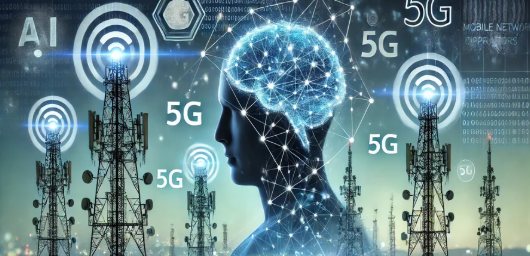
Many times, decentralized 5G networks use blockchain technology, edge computing, and software-defined networking, which allows their network resources to be managed securely and transparently. These decentralized 5G networks can be more efficient than traditional 5G networks.
They can provide greater control, locality, and management of the network which results in faster response times, less latency, and great reliability. Decentralized 5G networks remove the reliance on traditional mobile network carriers while giving users greater control over their data.
This even makes it easier to provide mobile network access in rural and underserved areas. Lastly, decentralized 5G networks cultivate community-driven telecom networks while decentralizing the control of mobile networks from large telecom companies.
How To Use Decentralized 5G

Step 1: Decentralized 5G Network Provider Selection
- Look for a network like Helium, community mesh networks, or private local 5G networks that have decentralized 5G access.
- Look for Decentralized 5G coverage and requirements for your participation.
Step 2: Network Node or Hotspot Configuration
- Get a compatible 5G hotspot or a small cell device.
- Follow the instructions from your service/network provider to install it either at home, at the office, or at a community point.
- Make sure to properly connect the device to the required power and internet backhaul.
Step 3: Device Connection
- Connect your smartphones, computers, IoT devices, or others to the decentralized 5G network.
- If you’d like help, the network provider likely has a piece of software to assist you.
Step 4: Network Resources Participation and Sharing
- Take active participation by sharing your network, processing power, or bandwidth.
- Network decentralized 5G participation credits, rewards, and tokens, etc.
Step 5: Network Performance Monitoring
- Use the Network Provider’s app or dashboard for better tracking.
- Ensure that your Node is functioning correctly and in the optimal location to improve coverage.
Step 6: Protect Your Network
- Use all available protection features offered by the platform, such as encryption, firewalls, etc.
- regularly update the software or firmware running on the node to protect against vulnerabilities.
Step 7: (Optional) Grow or Adjust Your Network
- Consider adding more nodes, or working with other community members to expand coverage.
- Join local activities to improve the stability and the coverage of the network.
How User-Owned Networks Work
Community-Driven Infrastructure
- User-owned networks utilize small cell stations, routers, and local nodes deployed by community members, and not large centralized structures.
- Coverage and capacity improve as more participants join the network.
Peer-to-Peer Connectivity
- Rather than central nodes, devices directly connect to nearby nodes or other user devices.
- Devices can utilize various pathways to reach their destination, thereby decreasing congestion and improving overall speed.
Decentralized Management
- Instead of a single telecommunications company, users of the network share control.
- Secure usage, billing, and data flow control via blockchain or other types of distributed ledger technology.
Edge Computing Integration
- Instead of centralized data processing, it occurs closer to the users, at the edge of the network.
- This allows for real-time applications like gaming, augmented and virtual reality, and Internet of Things devices with low latency.
User Empowerment and Incentives
- Participating users can receive rewards or credits for sharing their bandwidth, hosting a node, or providing other network resources.
- This sustained network participation without traditional carrier reliance is incentivized.
Security and Privacy Benefits
- Hackers have a more difficult time trying to intercept data because it goes through several different decentralized nodes.
- Compared to traditional centralized networks, users have more control over their data.
Scalability and Flexibility
- The network expands as more users become a part of the network, and more nodes are added.
- They can fit more urban and rural areas, providing a level of flexibility that centralized providers can’t.
Advantages of Decentralized 5G
User and Community Cost Benefits
- Significantly less reliance on expensive infrastructure from large telecom carriers.
- Community involvement in resource sharing networks decrease the costs for construction and upkeep.
Network Coverage
- Provided infrastructure from users and community nodes promotes more connectivity in rural and underserved regions.
- Mesh networking leads to fewer dead zones and more consistent network coverage.
Network Speed and Latency
- Edge computing and local data routing provides minimal delays.
- Better for activities reliant on instantaneous data transfer such as online gaming, AR/VR, and the Internet of things.
Security and Privacy Protection
- Decentralized data routing and blockchain control means fewer centralized attack vectors.
- More control over private data means less likelihood of being spied on by large corporations.
User Encouragement & Engagement
- Increased community involvement through paying users to share bandwidth, operate nodes, and help network.
Network Reliability & Resilience
- Self-healing networks that dynamically adjust routing maintain uninterrupted service.
- Improved network reliability due to multiple route options around a malfunctioning node.
Network Innovation Speed
- Free and developer-controlled networks foster the introduction of new services.
- Accelerated tech developments thanks to reduced bureaucracy compared to traditional telecoms.
Less Reliance on Traditional Carriers
- Dependence on large telecom companies for access to networks is no longer necessary.
- Fosters a competitive and democratic telecommunication ecosystem.
Impact on Major Telecom Carriers
Revenue Disruption
- Cost-effective networks can make users less dependent on traditional carriers for connectivity.
- As users move to decentralized network solutions, subscription and data programme revenues decrease.
Increased Competition
- Decentralized 5G creates competition from community networks and new ventures.
- To stay relevant, carriers can either introduce new products or reduce prices on existing solutions.
Change in Business Models
- Traditional carriers may pivot to leasing infrastructure, network management, or service interoperability.
- Rather than focusing on consumer subscriptions, the target may become hybrid or decentralized networks.
Pressure to Innovate Quickly
- The ability of user-owned networks to introduce new services quickly creates a need for traditional carriers to react.
- There may be increased emphasis on Software Defined Networks and edge computing.
Regulatory and Market Challenges
- Carriers may want more strict regulations around decentralized networks to protect their market position.
- A need to innovate within the boundaries of regulations becomes critical.
Collaboration Opportunities
- Carriers can collaborate with decentralized networks to extend their coverage or to share resources.
- New hybrids can emerge with a combination of centralized control and community network nodes.
Risk of Brand Erosion
- As community control over connectivity strengthens, traditional carriers begin to lose power and loyalty.
Challenges and Considerations
Regulatory Challenges
- User-owned decentralized networks are stifled by government policies around spectrum allocation.
- Most regions have a complex set of regulations governing telecom compliance.
Technical Challenges
- Knowledge of advanced technical concepts is required for mesh networking, small cell deployment, and edge computing node installation.
- Decentralized nodes should automatically and seamlessly connect, with load-balancing, which is extremely difficult.
Security Challenges
- Decentralized networks have a better security posture due to central focus reduction but disaster recovery, user-node, weak links.
- strong encryption and security protocols should be implemented to mitigate risks of hacking, data breaches, and unauthorized access.
Scalability Challenges
- Unbounded growth of the network will result in poor cell distribution and poor network performance if nodes are poorly distributed.
- Even with the poor distribution, having a set of guidelines to maintain the quality of service is extremely important, but a set of goals for the growth is fundamental.
Participation Challenges
- Most users will not actively volunteer for the node position in the mesh network, since they should have a good understanding of the process.
- Sustainable networks will require compensations for the node position and mesh network user, since users will be required to share a set of resources.
Financial Considerations
- The first deployment of local nodes, small cells and other required hardware will require significant expenditures.
- Future contributions to the upkeep will be required since the upkeep will be determined by the poor participation in the required hardened community.
Interoperability Challenges
- Integrating with current centralized 5G infrastructure can pose challenges.
- Integrating with devices, IoT systems, and networks spans beyond one region of the world involves plentiful systems and networks.
Reliability Challenges
- Performance of the network is built on the count of nodes and their stability.
- Loss of power, nodes going offline, and uneven distribution of nodes can pose an issue to the network.
Case Studies & Real-World Examples (2026 Focus)
Helium’s Decentralized 5G Hotspot Network
- An example of a decentralized physical infrastructure network (DePIN) is Helium, which allows individual participants in over 170 countries to deploy hotspots that form a community wireless network.
- The participants are paid in tokens for the hotspots which are now located on the Solana blockchain. This will provide real 5G wireless connectivity in addition to major carrier networks. This is yet another example of a user-built wireless network.
5G4LIVES Smart Community Projects in Europe
- As part of the 5G4LIVES project in Latvia and Italy, 5G infrastructure is being deployed for public safety, situational awareness, and emergency responses via drone and connected systems for environmental monitoring.
- In Portugal, the 5G.RURAL project integrates 5G with rural areas in order to facilitate the improvement of rural healthcare, education, agriculture, and tourism, demonstrating community-centred access beyond the usual telecom boundaries.
Private and Community 5G Networks in Industry
- Industrial operators such as Risun Group and Baosteel in China are constructing private 5G networks at their sites to enhance operations, safety, and automation. This demonstrates user-controlled network infrastructure designed for particular enterprise requirements.
- Although these mixed networks are not the same as fully public decentralized systems, they demonstrate how non-telco players are managing their own networks for greater operational flexibility.
Pilot 5G and Edge Deployments Worldwide
- Startups and projects such as Vicinity Technologies in the UK are developing localized 5G systems built on distributed small cells and base stations to address coverage gaps and support the establishment of smaller networks.
- Other community-driven 5G innovations focus on edge processing and localized autonomy, further demonstrating how alternative network models can work with, and not against, traditional telecom systems.
Future Outlook
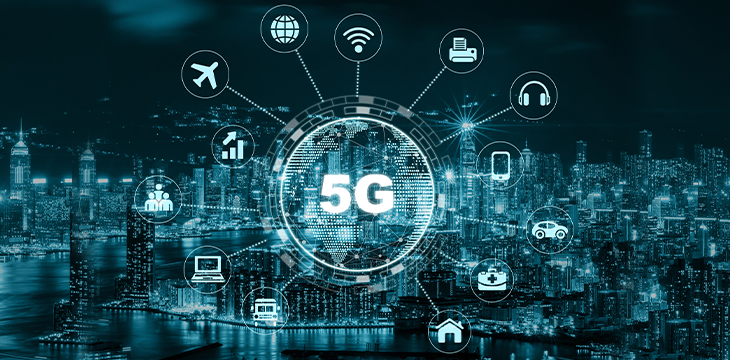
User owned networks and easier and cheaper deployment technologies are expected to accelerate the growth of the decentralized 5G networks. Greater adoption of the decentralized 5G networks is expected over the next three years, especially in rural and underserved urban areas where traditional 5G carriers have not yet deployed their networks.
The combination of edge computing, IoT, and smart city technologies will provide decentralized 5G networks the ability to more effectively meet the needs of the community. Decentralized 5G networks will provide the opportunity for developers and communities to innovate and provide the ability for local control of the services & apps without the oversight of the large telecom players in the market.
Despite the regulatory and technical barriers to decentralized 5G networks, the combination of community empowerment, lower costs, and better networks will result in decentralized 5G networks disrupting the status quo in the telecommunications industry and transforming the way people and things connect to each other globally.
Conclusion
Decentralized 5G signifies a revolutionary change in the way we construct, administer, and utilize mobile networks. It lessens dependency on existing carriers, improves coverage, lowers prices, and increases privacy and security by giving users and communities more control.
Real-world examples and experimental projects show the potential to upend the telecom sector, despite ongoing obstacles like regulatory constraints, technical difficulties, and acceptance restrictions.
Decentralized 5G promises to transform global connectivity, empower communities, and spur innovation as it develops further in 2026 and beyond. This will help realize the goal of a user-owned, adaptable, and resilient network.
FAQs
What is decentralized 5G?
Decentralized 5G is a mobile network model where infrastructure and control are distributed among users and communities instead of being managed solely by large telecom carriers. It relies on mesh networks, local nodes, and peer-to-peer connectivity.
How do user-owned 5G networks work?
Users or communities deploy small cell towers or network nodes that connect devices locally. Data is routed through these nodes using mesh networking and edge computing, enabling faster speeds, lower latency, and more control over data.
What are the benefits of decentralized 5G?
It offers lower costs, wider coverage, faster speeds, enhanced security, user empowerment, and the ability to innovate rapidly without relying on major carriers.
What challenges does decentralized 5G face?
Challenges include regulatory hurdles, technical complexity, scalability issues, security concerns, and adoption barriers, particularly in regions with strict spectrum regulations.
How does decentralized 5G affect major telecom carriers?
Decentralized 5G can disrupt traditional revenue models, increase competition, push carriers to innovate faster, and encourage hybrid or collaborative network strategies.