


In this article, I will cover how to spot 100x altcoins and identify hidden low-cap jewels before they moon. Finding the correct low-cap cryptocurrencies involves rigorous research, but they can provide enormous growth potential.
- Understanding Low-Cap Altcoins
- What is On-Chain Data?
- Where to Find Low-Cap Gems 100X Altcoins Before the They Moon
- Step 1: Begin with On-Chain Analytics
- Step 2: Track Decentralized Exchanges (DEXs)
- Step 3: Monitor Developer Activity
- Step 4: Follow Crypto Communities & Social Signals
- Step 5: Examine Tokenomics & Distribution
- Step 6: Analyze Market Metrics & Sentiment
- Step 7: Turn On Alerts & Create a Watchlist
- Step 8: Perform Due Diligence
- Identifying Potential 100x Altcoins
- Active Wallet Growth
- Token Distribution
- Transaction Volume Spikes
- Developer & Project Activity
- Liquidity Movement
- Red Flags to Avoid
- Combining On-Chain Data with Other Analysis
- Strategies for Smart Low-Cap Investing
- Diversify Your Portfolio
- Start Small
- Use Staggered Entries
- Monitor On-Chain Metrics Regularly
- Set Clear Exit Strategies
- Stay Informed on News & Community
- Avoid Hype-Driven Decisions
- Keep Security in Mind
- Avoiding Scams & Rug Pulls
- Check Team Transparency
- Audit Smart Contracts
- Analyze Token Distribution
- Verify Liquidity Locks
- Monitor Social Activity
- Check Project Fundamentals
- Avoid Unrealistic Promises
- Use Trusted Sources
- Are Spot 100x Altcoins common?
- Pros & Cons
- Conclusion
- FAQ
In order to help investors find viable ventures while lowering risk in the unstable cryptocurrency industry, we’ll examine on-chain data, social signals, market trends, and astute methods.
Understanding Low-Cap Altcoins
Low cap altcoins are coins that have an overall market cap that can be less than a hundred million dollars. Such coins are often connected to new projects that have little market traction and hence can show phenomenal increases in market cap.
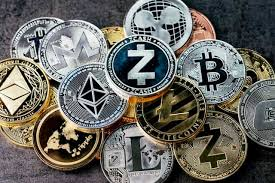
Low market cap can easily create significant financial upside for an altcoin when it gains adoption or publicity. Altcoins can show 100x or even 1000x returns , however the investment can be extremely high risk and high reward.
Low market cap coins have high potential for price manipulation and market crashes even through fraudulent means. Prior to investing in a low market cap coin potential investors need to do proper research on the coins community and other factors that can affect its market caps.
What is On-Chain Data?
On-chain data refers to the blockchain’s record of activities and transactions in a cryptocurrency ecosystem. On-chain data includes transactions, balances, transfers, interactions, and other blockchain activities.
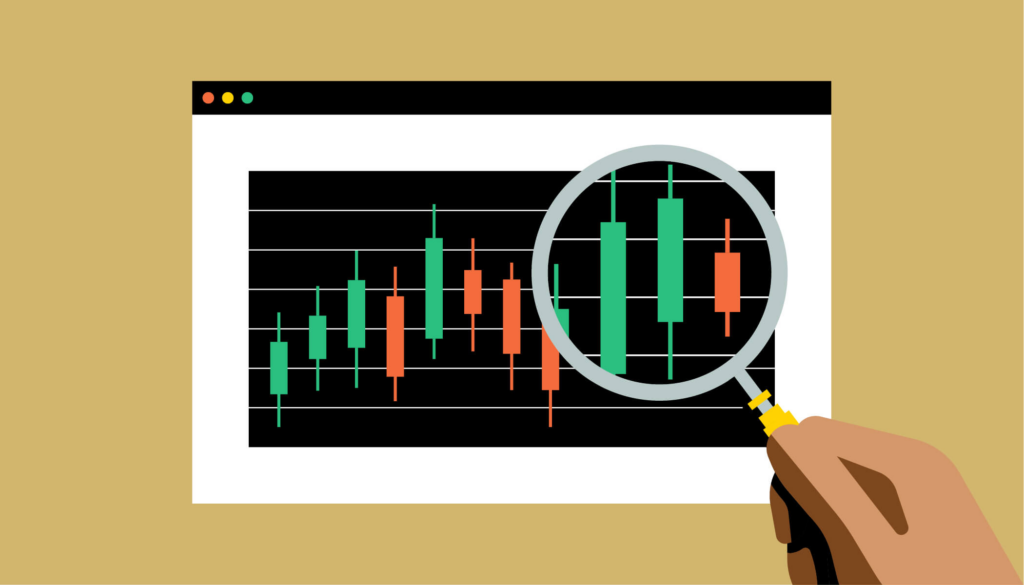
On-chain data measures the overall health and growth of a blockchain ecosystem and helps answer important questions about a project. The number of active addresses, overall transaction volume, and liquidity flow of a project, classifies the project’s growth and blockchain adoption.
On-chain data tracks sudden changes in activities, identifying possible price changes. User activities, not merely speculative activities, are reflected in on-chain data, making it valuable to predict price changes while market data cannot. On-chain data is especially valuable to identify low-cap altcoins, as it can identify activities with better significance than the price.
Where to Find Low-Cap Gems 100X Altcoins Before the They Moon

Step 1: Begin with On-Chain Analytics
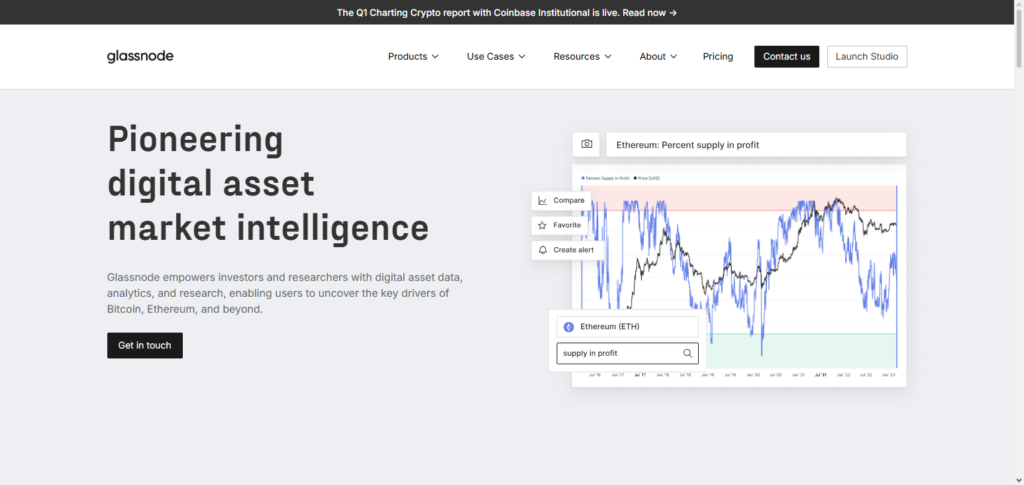
- Use Glassnode, Nansen, Dune Analytics, or CryptoQuant to review metrics like distribution, volume, or transaction wallets.
Step 2: Track Decentralized Exchanges (DEXs)
- Monitor lower market cap tokens on Uniswap, PancakeSwap, or Sushiswap. Search for tokens with positive changes in liquidity and trading volume.
Step 3: Monitor Developer Activity
- Check your GitHub, GitLab, or other project repositories. Significant activity in commits and updates can be a sign of active development and is a positive indicator for long-term potential.
Step 4: Follow Crypto Communities & Social Signals
- Track early conversations on growing and engagement in Twitter, Telegram, Discord, and Reddit, along with some less popular crypto forums.

Step 5: Examine Tokenomics & Distribution
- Analyze cap, vesting, and distribution of holders Tables to identify tokens with a lot of potential for manipulation.
Step 6: Analyze Market Metrics & Sentiment
- Look at volume, price movements, and sentiment together to find up and coming projects that are underrated.
Step 7: Turn On Alerts & Create a Watchlist
- Use on-chain activity alerts and token activity watchlists to notice any unusual increases in activity and social sentiment.
Step 8: Perform Due Diligence
- Examine the team, partnerships, roadmap, and project fundamentals before investing to minimize risks.
Identifying Potential 100x Altcoins
Active Wallet Growth
Measure the amount of unique wallets that are transacting with the token. Growth of this metric over time implies user adoption.
Token Distribution
Check that the tokens are not too concentrated in the hands of a few wallets (distributions), as this can lead to manipulations of the price.
Transaction Volume Spikes
Large increases in the volume of transactions are usually a sign of increased interest, and sometimes, the volume is the sign of the impending euphoria right before the price goes to the moon.
Developer & Project Activity
The amount of updates on a project’s roadmap, a project’s activity on GitHub, and the amount of commits a project has can all be used to measure the longevity of a project.
Liquidity Movement
The amount of liquidity in the pools of a DEX should also be monitored. If liquidity has increased, it is a sign that the people believe there is upside to be had with the token in the future.
Red Flags to Avoid
Teams that are completely anonymous, too many tokens being pre-mined, and sudden, erratic movements of wallets are signs that a project is likely a scam.
Combining On-Chain Data with Other Analysis
| Analysis Type | What to Look For | Why It Matters |
|---|---|---|
| On-Chain Data | Active addresses, transaction volume, token distribution, developer activity | Reveals real adoption, project health, and early investor behavior |
| Social Signals | Community size, engagement on Twitter, Telegram, Discord, Reddit mentions | Shows hype, sentiment, and growing interest before mainstream adoption |
| Market Trends | Price patterns, trading volume, correlation with Bitcoin/ETH | Helps time entries and gauge overall market cycles |
| Fundamental Analysis | Team background, roadmap progress, partnerships, use case | Determines long-term viability and credibility of the project |
| Sentiment Analysis | News coverage, influencer opinions, social buzz | Can predict short-term spikes or identify potential risks |
Strategies for Smart Low-Cap Investing
Diversify Your Portfolio
Invest in several low-cap tokens to ensure that the failure of one project won’t drastically impact your investments.
Start Small
Invest small amounts to see how how the market reacts towards the token before fully immersing yourself.
Use Staggered Entries
Instead of investing the entire amount at once, consider investing in tranches. This way, you can manage your risks better and have a more favorable average entry price.
Monitor On-Chain Metrics Regularly
Pay attention to the wallet increases, the number of transactions, and the exchanged liquidity to make an informed guess on how the token will perform.
Set Clear Exit Strategies
In order to protect your profits and minimize your losses, be very clear on how much of your target profits are you willing to be at a loss before you cash out.
Stay Informed on News & Community
Based on how sentiment describes the market and how the price fluctuations are in relation to new press releases, you should take actions on the tokens in your portfolio.
Avoid Hype-Driven Decisions
Short term trends and influencers should not impact your decisions as you should base your actions on data and the fundamentals of the token.
Keep Security in Mind
Your funds are best protected when you use a reputable wallet, make sure you only use verified token contracts, and avoid clicking on links that look suspicious.
Avoiding Scams & Rug Pulls
Check Team Transparency
It is better to support projects with real, verifiable team members, rather than those employing anonymous developers.
Audit Smart Contracts
Look for reputational third party audits to evaluate if the contract is secure and is free from any fraudulent code.
Analyze Token Distribution
Steer clear of any projects where tokens are disproportionately assigned to selected individuals, as this fosters the potential for pump-and-dump schemes.
Verify Liquidity Locks
Make sure the creators of the project have limited their liquidity withdraws to a reasonable time lock on the DEXs.
Monitor Social Activity
If the engagement of the community seems to be fake and even influenced by a single person, or is a hyped community with a lack of substance, it is better to err on the side of caution.
Check Project Fundamentals
A legit project has an established use case, a reasonable roadmap, and active/consistent project development.
Avoid Unrealistic Promises
Any project which claims to have guaranteed returns of 100x or in which you need to take little to no action and in which the goal is to get rich quick, should be considered with skepticism.
Use Trusted Sources
Only bet on established platforms and use trusted analytical tools, as opposed to using forums and Telegram channels with no confirmation.
Are Spot 100x Altcoins common?
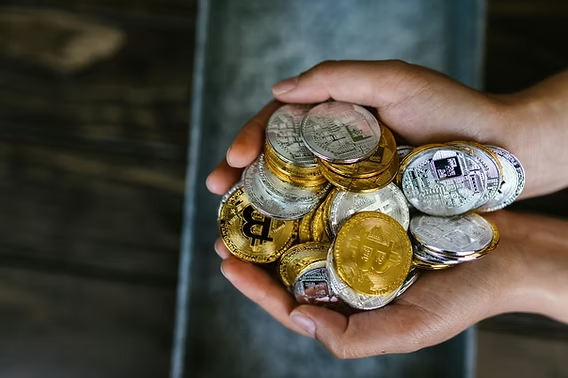
It is very uncommon to find 100x altcoins, therefore one should have reasonable expectations. Even though low-cap cryptocurrencies might increase rapidly, very few ever make such enormous profits.
Due to market manipulation, poor fundamentals, or lack of acceptance, the majority of low-cap coins are unable to gain traction. The crypto market is highly volatile, and predicting which currencies will increase takes extensive research, on-chain analysis, and tracking of social and financial trends.
Investors need to realize that 100x profits are the exception rather than the rule and that chasing excitement without doing enough research frequently results in losses. Patience, risk management, and data-driven tactics are required to find the few hidden gems with actual promise.
Pros & Cons
| Pros | Cons |
|---|---|
| High Growth Potential – Small market cap means even modest adoption can lead to massive gains (10x, 50x, 100x). | High Volatility – Prices can swing dramatically, leading to large losses in short periods. |
| Early Entry Advantage – Opportunity to invest before mainstream attention increases value. | Low Liquidity – Harder to buy or sell large amounts without affecting price. |
| Diverse Opportunities – Wide variety of projects across sectors and niches. | Higher Risk of Scams – Low-cap coins are more susceptible to rug pulls and fraud. |
| Data-Driven Insights – On-chain metrics and analytics can reveal promising gems early. | Limited Information – Smaller projects may lack transparency or verified data. |
| Community Influence – Strong communities can drive adoption and token value growth. | Speculative Nature – Many projects fail to deliver on roadmap or use case. |
Conclusion
Finding 100x low-cap altcoins necessitates a careful balancing act between patience, analysis, and investigation. By employing on-chain data, investors can receive direct insights into adoption, transaction activity, and token distribution, helping uncover promising initiatives before they garner public notice.
This guarantees a better-informed strategy while lowering risks when combined with market trends, social signals, and fundamental analysis. Smart methods like diversification, staggered entries, and clear exit plans further protect investments in the volatile world of low-cap tokens.
While the potential profits are great, understanding of frauds, rug pulls, and speculative hoopla is vital. Ultimately, focused research and data-driven decision-making are the keys to identifying hidden jewels that have the potential to genuinely “moon.”
FAQ
What are low-cap altcoins?
Low-cap altcoins are cryptocurrencies with a small market capitalization, often under $100 million. They are high-risk but can deliver massive returns if the project succeeds.
Can on-chain data really predict 100x coins?
While on-chain data provides insights into adoption, wallet activity, and liquidity, it does not guarantee returns. It’s a tool to identify potential opportunities early.
How do I avoid scams and rug pulls?
Check for audited smart contracts, transparent teams, locked liquidity, realistic tokenomics, and active community engagement. Avoid projects promising guaranteed returns.
Where can I find promising low-cap coins?
Platforms like Glassnode, Nansen, Dune Analytics, and DEXs like Uniswap or PancakeSwap are useful for spotting emerging gems.
What strategies minimize risk?
Diversify investments, start small, use staggered entries, monitor metrics regularly, and set clear exit plans. Never invest more than you can afford to lose.