



The Best AI Tax Automation Software for High-Net-Worth Individuals will be covered in this post. It can be difficult to manage digital assets, multijurisdictional income, and complex portfolios. AI-powered tax tools automate computations, streamline compliance, and offer useful insights.
- Why Use AI Tax Automation Software for High-Net-Worth Individuals
- Key Features AI Tax Automation Software for High-Net-Worth Individuals
- Key Point & Best AI Tax Automation Software for High-Net-Worth Individuals
- 1. Avalara for Wealth
- Avalara for Wealth Features, Pros & Cons
- 2. Thomson Reuters ONESOURCE AI Tax
- Thomson Reuters ONESOURCE AI Tax Features, Pros & Cons
- 3. PwC TaxTech AI Suite
- PwC TaxTech AI Suite Features, Pros & Cons
- 4. Deloitte Tax AI Cloud
- Deloitte Tax AI Cloud Features, Pros & Cons
- 5. EY Tax AI Navigator
- EY Tax AI Navigator Features, Pros & Cons
- 6. KPMG Clara Tax AI
- KPMG Clara Tax AI Features, Pros & Cons
- 7. Wolters Kluwer CCH Axcess AI Tax
- Wolters Kluwer CCH Axcess AI Tax Features, Pros & Cons
- 8. Blue J Tax AI
- Blue J Tax AI Features, Pros & Cons
- 9. CoinTracker Premium AI Tax
- CoinTracker Premium AI Tax Features, Pros & Cons
- 10. Lukka Tax AI
- Lukka Tax Ai Features, Pros & Cons
- Conclusion
- FAQ
These software alternatives, which range from worldwide enterprise solutions to specialist crypto platforms, assist wealthy people in minimizing risk, optimizing taxes, and streamlining their financial planning.
Why Use AI Tax Automation Software for High-Net-Worth Individuals
Manage Complicated Portfolios – High-net-worth individuals have many more assets and global investments. AI handles calculations seamlessly across all holdings.
Multi-Jurisdiction Compliance – Software automatically applies the rules of specific tax jurisdictions for all countries so that clients with international portfolios remain compliant.
Time and Cost Efficiency – AI decreases the need for manual data input, thereby reducing time spent and money spent on staffing.
Risk Reduction – With tax law changes, predictive analytics, and real-time updates, the software identifies and mitigates potential tax risks and penalties prior to the client filing.
Optimize Tax Strategies – Using AI, clients receive policies that, by using legal means, reduce tax liabilities and maximize returns, as well as tax forecasting and scenario planning.
Digital Asset Management – Integrating with other specialized AI systems for crypto, NFTs, and other digital assets, clients receive simplified tax reporting and compliance.
Audit-Ready Documentation – As part of an integrated system, the software generates documentation so that clients are audit-ready.
Integration with Financial Systems – Tax management systems offer the ability to integrate with client accounting systems, ERPs, and specialty investment systems.
Key Features AI Tax Automation Software for High-Net-Worth Individuals
Automated Data Collection & Classification: AI collects and sorts data from various financial sources (accounts, investments, trusts) and fills in all transactions and records.
Multi-Jurisdiction Compliance Engine: Applies the correct tax rules, rates, and regulations across the borders for your global portfolios and cross-border reporting.
Real-Time Tax Calculations & Updates: Keeps your tax dues real and complete by updating and computing them dynamically based on the current laws and alterations.
Predictive Analytics & Scenario Planning: Uses machine learning to simulate tax outcomes, model “what-if” scenarios, and support strategic decision-making for the tax hand optimization.
Integration with Financial & Accounting Systems: Merges with tax data and workflow systems of ERPs, accounting software, CRM systems, and investment tools.
Audit Trails & Documentation: Creates records that are robust, ready to be verified, and audit-compliant, supporting transparent record-keeping.
Risk Identification & Alerts: AI isolates inconsistencies, potential red flags, and risky positions, helping you to avoid gaps that could result in penalties.
Key Point & Best AI Tax Automation Software for High-Net-Worth Individuals
| Software | Key Points |
|---|---|
| Avalara for Wealth | Automates multi-jurisdiction tax compliance, estate planning support, and real-time tax calculations using AI for high-value assets and complex portfolios. |
| Thomson Reuters ONESOURCE AI Tax | Enterprise-grade AI tax engine offering global compliance, advanced analytics, scenario modeling, and seamless integration with financial systems. |
| PwC TaxTech AI Suite | Combines AI automation with deep advisory tools, enabling predictive tax insights, risk assessment, and strategic planning for HNW individuals. |
| Deloitte Tax AI Cloud | Cloud-based AI platform delivering real-time compliance, data-driven tax forecasting, and global reporting for complex wealth structures. |
| EY Tax AI Navigator | Uses AI and machine learning to identify tax risks, optimize liabilities, and support cross-border tax planning for affluent clients. |
| KPMG Clara Tax AI | Advanced AI-powered analytics platform designed for transparency, compliance accuracy, and efficient tax reporting across multiple jurisdictions. |
| Wolters Kluwer CCH Axcess AI Tax | Integrates AI automation with compliance workflows, offering intelligent document processing and scalable tax management for high-net-worth clients. |
| Blue J Tax AI | Predictive AI tax research tool that analyzes court rulings to provide probabilistic outcomes and guidance for complex tax decisions. |
| CoinTracker Premium AI Tax | AI-driven crypto tax automation for HNW investors, supporting portfolio tracking, DeFi, NFTs, and multi-exchange tax reporting. |
| Lukka Tax AI | Specialized AI tax platform for digital assets, providing institutional-grade crypto tax compliance, valuation, and regulatory reporting. |
1. Avalara for Wealth
With a high level of automation, Avalara for Wealth is intended to assist wealthy people and intricate family offices in navigating multi-jurisdictional tax compliance. It simplifies tax duties across federal, state, and international borders with real-time transaction classification and AI-enabled rate engines.
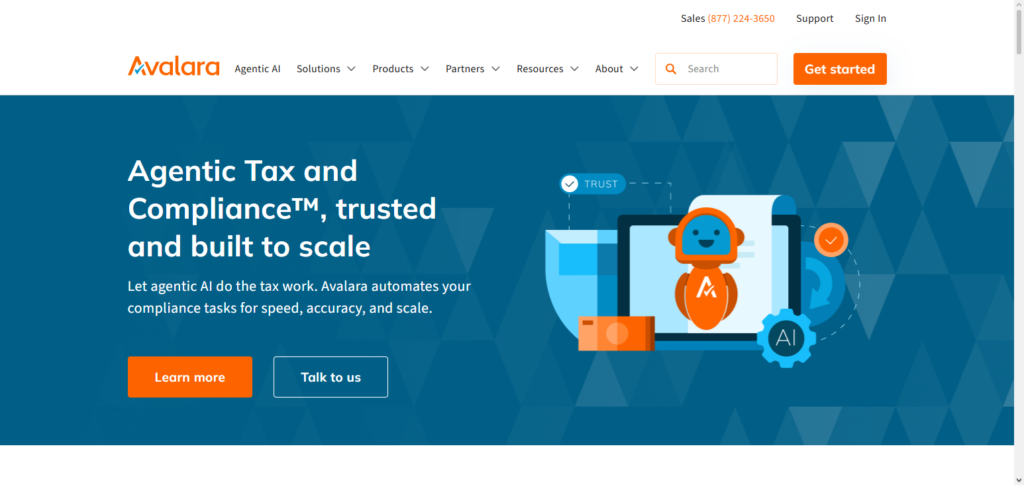
Accuracy and audit readiness are guaranteed by the platform’s user-friendly dashboards and frequent revisions to tax regulations. Avalara for Wealth, one of the Best AI Tax Automation Software for High-Net-Worth Individuals, significantly reduces preparation time and minimizes manual errors. Additionally, it supports estate planning and advisory integrations as investments increase.
Avalara for Wealth Features, Pros & Cons
Features
- Instant access to tax rules and rate updates
- Compliance for multiple jurisdictions
- Automation of transaction categorization
- Support for estate and gift tax
- Accounting software integration
Pros
- Taxes can be calculated accurately in any region
- Cuts down the amount of compliance work done manually
- It is adjustable for expanding investments
- Tax regulations are automatically updated
- Good support for audits
Cons
- First-time users may find it challenging
- Advanced modules can be priced at a premium
- Professional help may be needed for some setups
- No specialization for crypto assets
- More on compliance than planning
2. Thomson Reuters ONESOURCE AI Tax
Thomson Reuters ONESOURCE AI Tax automates complicated tax procedures for taxpayers worldwide by fusing machine learning and in-depth industry knowledge. It applies AI to categorize transactions, compute liabilities, and produce compliance reports by centralizing data from ERP, accounting, and financial systems.
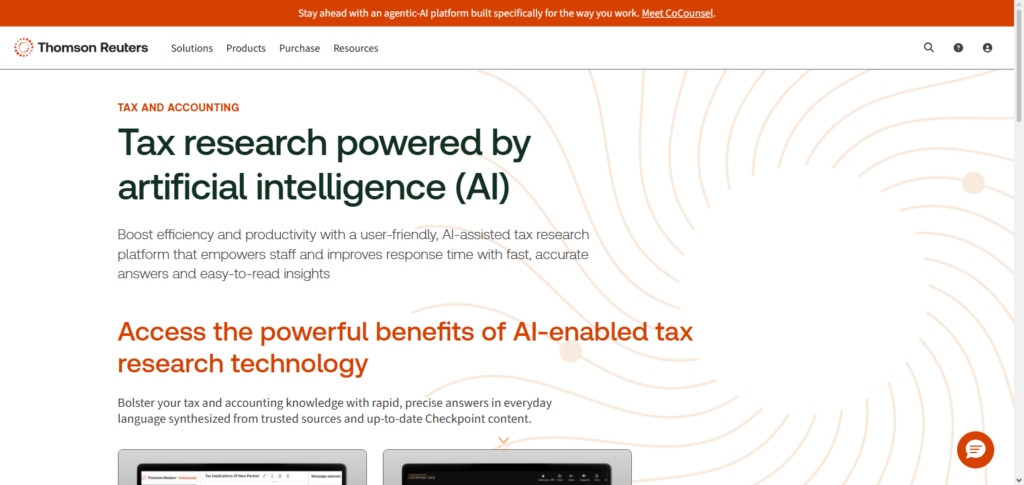
Users can predict the effects of regulatory changes thanks to scenario modeling and integrated worldwide tax content. The Thomson Reuters ONESOURCE AI Tax suite, which has been named the Best AI Tax Automation Software for High-Net-Worth Individuals, offers strict control frameworks and audit trails. It’s perfect for people with cross-border portfolios, trusts, and diversified holdings who want precise and comprehensive tax information.
Thomson Reuters ONESOURCE AI Tax Features, Pros & Cons
Features
- Tax content library across countries
- Data classification using AI
- Tools for modeling scenarios
- Tax Dashboard
- Tax integrations with your ERPs
Pros
- Accuracy at an enterprise level
- Support across the globe is exceptional
- Analytics on reports is extensive
- Pre-audit support is great
- Governance of data is exceptional
Cons
- License costs are on the higher side
- For basic portfolios, it can be too much
- Longer learning timelines
- It requires a lot of configurations
- Not great for small teams
3. PwC TaxTech AI Suite
PwC TaxTech AI Suite supports customized tax planning for intricate wealth profiles by utilizing deep analytics and artificial intelligence. To find optimization possibilities while controlling risk, the platform combines regulatory updates, advisory cooperation tools, and predictive modeling.
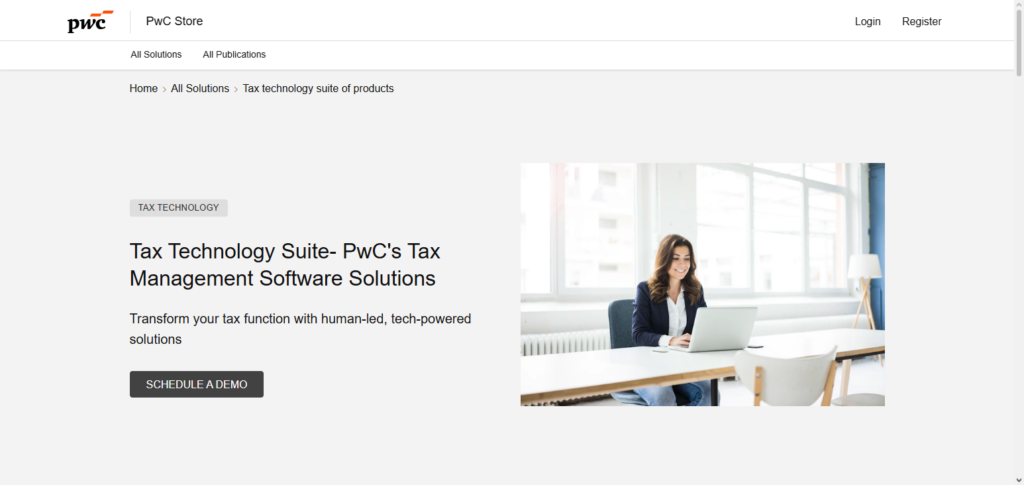
Advisors may concentrate on strategy by automating tedious processes like data ingestion, classification, and compliance checks. PwC TaxTech AI Suite, the Best AI Tax Automation Software for High-Net-Worth Individuals, is excellent at creating customized tax scenarios and precise forecasting. Its robust reporting and visualization features ensure efficiency and compliance by assisting users and their advisers in making well-informed decisions.
PwC TaxTech AI Suite Features, Pros & Cons
Features
- Predictive tax modeling
- Machine learning analytics
- Regulatory content updates
- Advisor collaboration tools
- Custom tax scenario planning
Pros
- Excellent for tax planning insights
- Strong collaboration features
- Integrates with advisory processes
- Powerful forecasting tools
- High customization
Cons
- Expensive for individual users
- Requires tax expertise to maximize
- Resource-intensive setup
- Not focused on crypto reporting
- Licensing can be complex
4. Deloitte Tax AI Cloud
A scalable, cloud-native platform, Deloitte Tax AI Cloud uses machine learning to analyze tax data from various businesses and countries. It automates important procedures like tax computation, entity consolidation, and the creation of compliance documents. Users may safely plan for audits and simulate outcomes under various tax regimes using real-time data and predictive analytics.
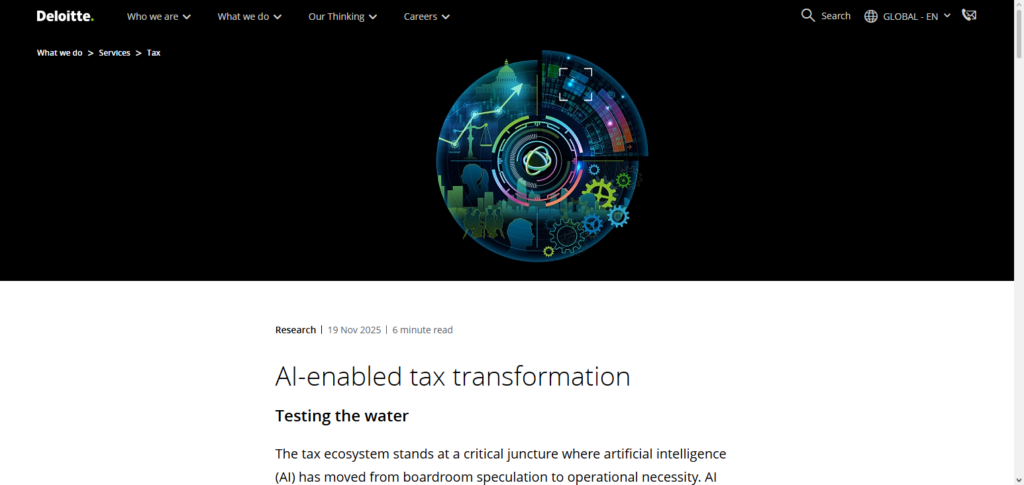
High data volumes and intricate ownership structures are supported by Deloitte Tax AI Cloud, which has been named the Best AI Tax Automation Software for High-Net-Worth Individuals. Rich clients with international portfolios and complex financial arrangements find the platform particularly intriguing due to its strong data governance features and ability to integrate with current systems.
Deloitte Tax AI Cloud Features, Pros & Cons
Features
- Cloud-native platform
- Real-time compliance engine
- Predictive analytics
- Data integration tools
- Entity consolidation features
Pros
- Scalable and secure cloud setup
- Real-time insights
- Strong for multi-entity portfolios
- Seamless system integrations
- Global rule coverage
Cons
- Potential cloud dependency concerns
- Higher costs for data storage
- Implementation time can be long
- Requires tech support for customization
- Learning curve for non-technical users
5. EY Tax AI Navigator
Through sophisticated analytics and automation, EY Tax AI Navigator offers a clever framework for handling international tax responsibilities. It applies pertinent rules to individual portfolios, interprets tax legislation, and analyzes regulatory changes using AI. Potential exposure and optimization possibilities are found with the use of the platform’s risk-scoring and suggestion engines.
EY Tax AI Navigator, the Best AI Tax Automation Software for High-Net-Worth Individuals, expedites reporting cycles and streamlines compliance across several countries. Its collaboration capabilities facilitate smooth communication between advisors and taxpayers, guaranteeing that solutions are in line with long-term financial objectives while strictly adhering to changing tax regulations.
EY Tax AI Navigator Features, Pros & Cons
Features
- Regulatory interpretation AI
- Cross-border compliance tools
- Risk scoring engine
- Automated reporting workflows
- Collaboration dashboards
Pros
- Helps reduce compliance risk
- Strong for international portfolios
- Intuitive collaboration tools
- Regular content updates
- Good visualization dashboards
Cons
- Individuals may find it expensive.
- May need advisor training.
- Not great for specifics on crypto tax.
- Advanced features may require extra purchases.
- May be complex to set up.
6. KPMG Clara Tax AI
KPMG Clara Tax AI integrates compliance reporting, AI-powered computations, and data aggregation in a safe, cloud-hosted environment. By automating classification, deduction identification, and regulatory updates, the technology, which is designed for accuracy and transparency, minimizes user intervention.
It handles complex tax circumstances that wealthy people face with audit-ready documents and customisable workflows.
KPMG Clara Tax AI, the Best AI Tax Automation Software for High-Net-Worth Individuals, improves reporting effectiveness and risk management. It is an effective tool for long-term financial optimization and proactive tax strategy since its analytics dashboards offer clear insights into liabilities, trends, and planning prospects.
KPMG Clara Tax AI Features, Pros & Cons
Features:
- Automation for tax processes located in the cloud.
- Workflows that can be adjusted and tailored.
- Analytic tools that are extensive.
- Support across multiple jurisdictions.
- Documents that are compliant and ready for audits.
Pros:
- Adjustability and configurability.
- Excellent features for audits.
- Good accuracy for compliance.
- Handles complex portfolios well.
- Reporting features are good and clear.
Cons:
- May be expensive for limited implementations.
- Needs initial training.
- More compliance than planning focus.
- No specialized module for crypto tax.
- May require professional assistance.
7. Wolters Kluwer CCH Axcess AI Tax
Wolters Kluwer CCH Axcess AI Tax supports wealthy taxpayers and their advisory teams by combining cutting-edge technology with strict compliance. In order to process big datasets, apply the proper tax treatments, and produce compliant returns, the platform makes use of machine learning.
It reduces typical preparation problems with sophisticated error detection and real-time tax content updates. Wolters Kluwer CCH Axcess AI Tax, known as the Best AI Tax Automation Software for High-Net-Worth Individuals, is capable of handling complicated asset classifications and multi-state files.
Its workflow tools expedite review, approval, and audit readiness, guaranteeing accuracy and transparency, and its modular architecture enables interaction with more comprehensive financial systems.
Wolters Kluwer CCH Axcess AI Tax Features, Pros & Cons
Features:
- Smart ingest of data.
- Classification through machine learning.
- Continual updates on tax content.
- Compliance across multiple states.
- Prepares returns automatically.
Pros:
- Excellent mistake detection.
- Good at taxes for multiple states.
- Grows with your portfolio size.
- Reliable for compliance.
- Easily connects with CCH tools.
Cons:
- Support for global taxes is limited.
- Pricing may be steep for smaller teams.
- More advanced features may come with extra costs.
- Time is required to set up the system.
- Not aimed at crypto reporting.
8. Blue J Tax AI
By employing advanced AI algorithms to analyze past decisions and results, Blue J Tax AI provides a predicted perspective on complicated tax issues. It helps high-net-worth individuals assess risk prior to filing by offering probabilistic projections on how tax positions might be handled by authorities.
Additionally, the system’s natural language processing skills comprehend laws and apply them to particular financial situations. Blue J Tax AI, the Best AI Tax Automation Software for High-Net-Worth Individuals, is exceptional in tax research and decision assistance.
In complex tax planning, this forward-looking information boosts confidence and lowers uncertainty by assisting users and advisers in making evidence-based decisions.
Blue J Tax AI Features, Pros & Cons
Features
- AI predicting case outcomes
- Insights that are research-oriented
- Processing using natural language
- Interpretations of tax using probability
- Database of past legal decisions
Pros
- Assessing tax compliances
- Great for support for decisions
- Research is very important
- Scenarios for plans are good
- Providing information is simple
**Cons
- No complete set of compliance tools
- Returns are less automated
- Filing workflows is not the focus
- Requires knowledge of tax laws
- Small datasets is not their focus
9. CoinTracker Premium AI Tax
CoinTracker Premium AI Tax provides AI-enhanced automation for digital asset portfolios and focuses on cryptocurrency tax reporting and compliance. It classifies events and computes profits and losses in accordance with regional tax regulations by importing transactions from various wallets, exchanges, and DeFi platforms.

It makes crypto taxation easier for investors with real-time valuation and error detection. CoinTracker Premium AI Tax, the Best AI Tax Automation Software for High-Net-Worth Individuals, manages yield farming, NFT, and staking.
Rich cryptocurrency owners may optimize their tax positions in increasingly regulated digital markets while maintaining compliance thanks to its extensive dashboards and exportable reports.
CoinTracker Premium AI Tax Features, Pros & Cons
Features
- Importing crypto transactions
- Classification using AI
- Gains/losses in real-time
- Support for multiple exchanges
- Tracking of DeFi and NFTs
Pros
- Great automation of crypto taxes
- Simple to sync wallets and exchanges
- Complex tokens are processed
- Dashboards that are good
- Great for NFTs and DeFi
Cons
- Digital assets are not enough
- Not compliance for standard taxes
- Additional costs for some advanced features
- No advisory focus
- Not suitable for those who don’t work with crypto
10. Lukka Tax AI
Lukka Tax AI offers sophisticated automation and regulatory reporting for intricate cryptocurrency holdings, specifically designed for institutional-grade digital asset tax compliance.
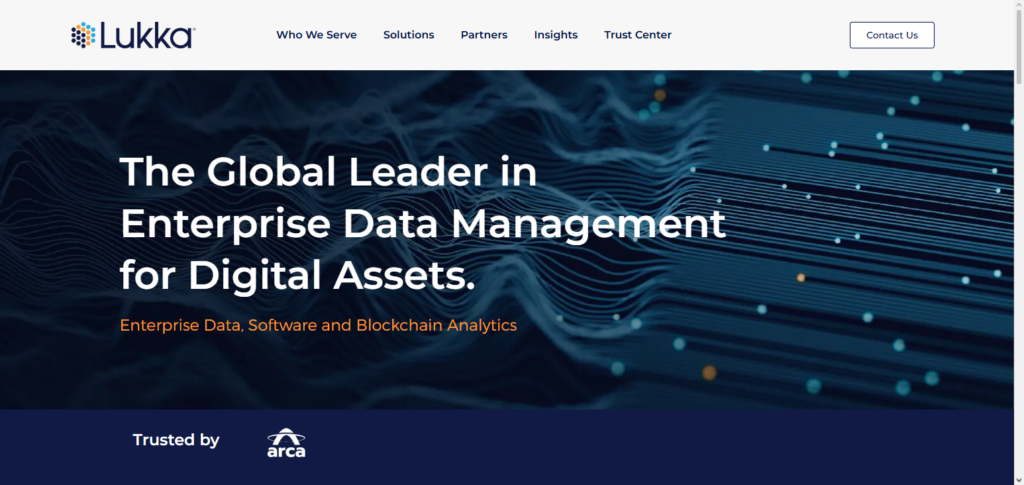
The platform supports a wide range of asset types and countries and uses AI to standardize transaction data, apply appropriate tax procedures, and prepare compliant files. Lukka Tax AI, which has been named the Best AI Tax Automation Software for High-Net-Worth Individuals, provides thorough audit trails and valuation techniques that financial institutions can rely on.
It is perfect for high-net-worth individuals with substantial digital assets who want accuracy, transparency, and confidence in their tax reporting because of its strong integrations with custodians and exchanges and professional support.
Lukka Tax Ai Features, Pros & Cons
Features
- Support for crypto of institutional-grade
- AI that has normalized data
- Compliance in multiple jurisdictions
- Tools for reporting and valuation
- Custodian and exchange integrations
Pros
- Valuations generated from crypto are accurate
- Trusted financial institutions
- Great regulatory compliance
- Good trails for audits
- Large datasets are handled
Negatives
- Price point of service has a premium/boutique feel.
- Only addresses Digital Asset holdings.
- Does not do general tax planning.
- Could need a tax professional to set up.
- Doesn’t work for basic investments.
Conclusion
Selecting the Top AI Tax Automation Program for High-Net-Worth Individuals In a time of complicated regulations, worldwide assets, and digital investments, individuals are now a strategic need rather than an option.
Tax platforms with AI capabilities simplify compliance, lower risk, and provide data-driven insights that are unmatched by conventional tax procedures.
Each platform tackles distinct wealth management issues, ranging from enterprise-level solutions like Thomson Reuters, Deloitte, and PwC to specific tools for cryptocurrency and digital assets like CoinTracker and Lukka.
Adopting AI-driven tax automation ultimately guarantees accuracy, efficiency, and more intelligent long-term tax planning for wealthy individuals, albeit the optimal approach ultimately depends on portfolio complexity, global exposure, and asset kind.
FAQ
What is AI tax automation software?
AI tax automation software uses artificial intelligence and machine learning to automate tax data processing, compliance, calculation, and reporting, reducing manual work and improving accuracy for complex tax situations.
Why do high-net-worth individuals need AI tax automation tools?
High-net-worth individuals typically have diversified portfolios, multi-jurisdictional income, and complex tax rules. AI tools handle large datasets, provide real-time updates, and optimize tax strategies while minimizing errors.
Can AI tax software handle international tax compliance?
Yes. Many leading platforms like Thomson Reuters ONESOURCE and Deloitte Tax AI Cloud support global tax rules, cross-border reporting, and multi-entity compliance.
Are these software solutions secure?
Top tax automation tools prioritize security with encryption, access controls, audit logs, and compliance with data protection standards, making them suitable for sensitive financial information.
Do these platforms integrate with other financial systems?
Most best-in-class AI tax software integrates seamlessly with accounting systems, ERP platforms, investment portfolios, and CRM systems to centralize tax data and streamline workflows.